Our Location
304 North Cardinal St.
Dorchester Center, MA 02124

304 North Cardinal St.
Dorchester Center, MA 02124


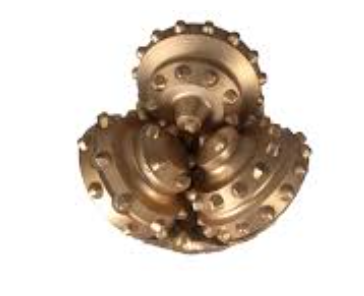
The global drilling industry constantly balances the dual pressures of operational cost reduction and environmental sustainability. In water well drilling, geothermal exploration, and resource extraction, fuel consumption stands out as one of the most substantial operating expenses. A massive amount…
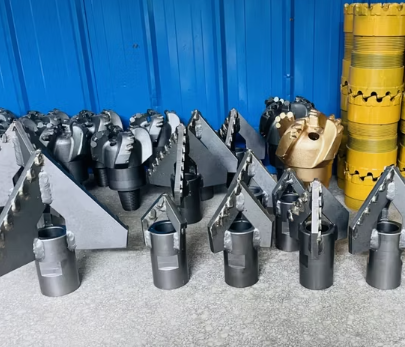
The Ultimate Guide to Drilling Mud Formulas for Water Well Drill Bits Choosing the right drilling fluid formula to pair with your water drill bit is one of the most critical factors in determining the success, speed, and safety of…
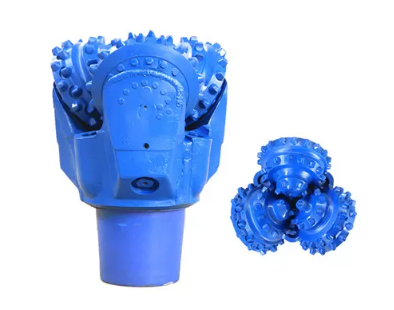
How to Maintain Consistent Pressure on Your Water Drill Bit for Smooth Holes Introduction to Drilling Pressure Dynamics Maintaining consistent weight on bit is one of the most critical aspects of drilling smooth, straight, and efficient holes when utilizing a…
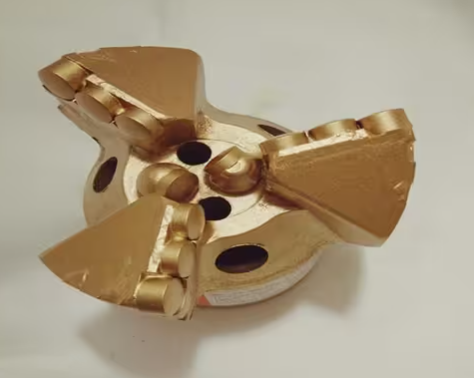
Introduction to Drilling Challenges in Complex Shale Formations Drilling for water or geothermal energy through shale formations presents some of the most frustrating and costly challenges in the drilling industry. Many operators notice a sudden, drastic drop in cutting efficiency…
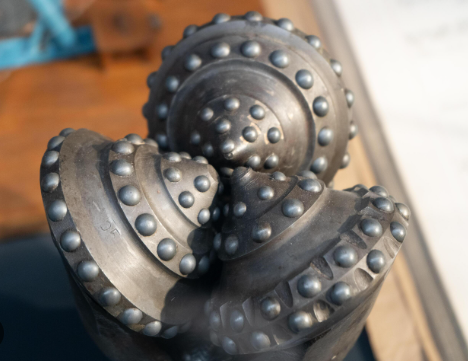
Introduction to Drilling Dynamics and Bit Geometry The efficiency and speed of drilling water wells are heavily dependent on the mechanical interaction between the drill bit and the rock formation. Among the various factors that influence the rate of penetration…
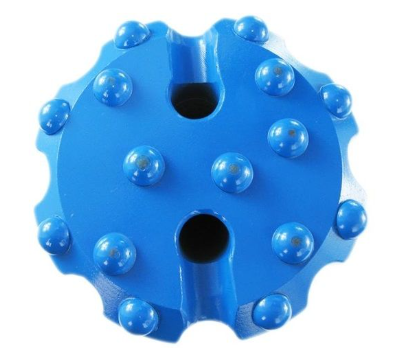
Understanding Tricone Bit Mechanics and the Importance of Optimal RPM The rotary speed, measured in revolutions per minute (RPM), is a critical operating parameter in geotechnical, oil and gas, and water well drilling. When employing a tricone drill bit specifically…
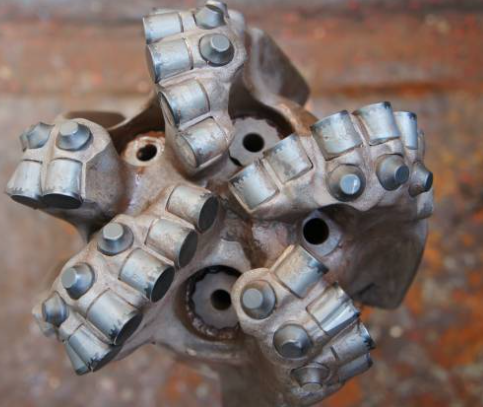
Understanding the Phenomenon of Bit Balling in Water-Based Drilling Operations Bit balling represents one of the most persistent and costly operational challenges in the global drilling industry, particularly when executing projects that utilize water-based muds (WBM) through reactive, clay-rich geological…
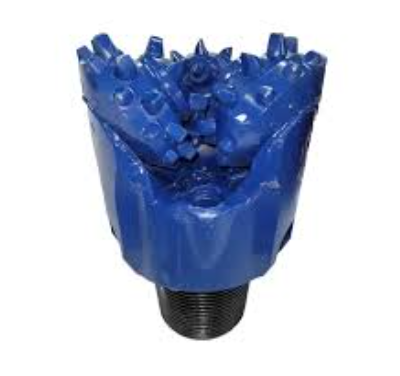
Introduction to Advanced Drilling Dynamics The global drilling industry constantly demands higher efficiency, reduced operational costs, and accelerated rate of penetration (ROP). Whether in geothermal exploration, deep-well water sourcing, mining, or specialized civil engineering, the cutting interface is the most…
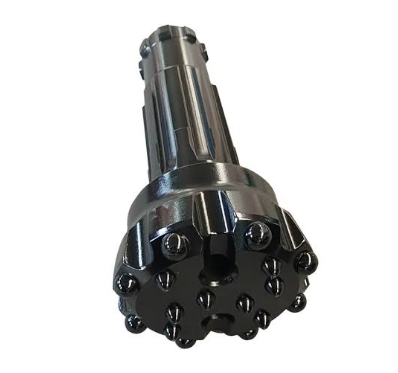
Deep hole drilling, geothermal exploration, and water well creation all depend heavily on the performance and longevity of the drilling assembly. At the very edge of this engineering process sits the drill bit, a component subjected to immense mechanical stress,…
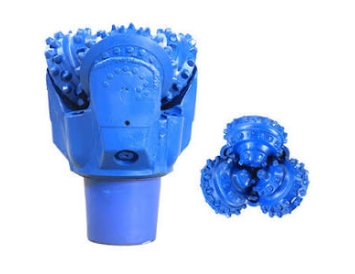
When assessing the operational capabilities of modern water well drilling, one of the most critical questions engineers, geologists, and drilling contractors encounter revolves around depth limitations. Specifically, many look to understand the maximum drilling depth a standard water drill bit…
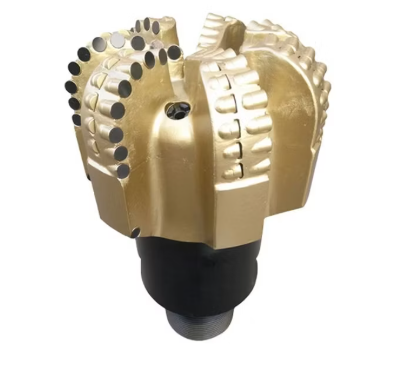
Introduction to Drilling Hydraulics and Nozzle Mechanics The extraction of underground resources, whether for oil, gas, water wells, or geothermal energy, relies heavily on the mechanical and hydraulic efficiency of the drilling system. At the very center of this operation…
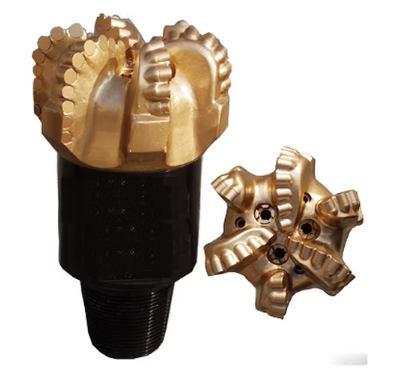
The global drilling industry, spanning water well drilling, geothermal energy extraction, mining, and geotechnical engineering, constantly battles with two primary variables: time and operational cost. In these high-stakes environments, every hour spent rotating the drill string translates directly into fuel…
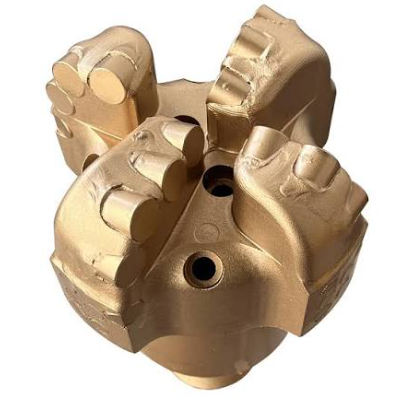
Large scale water core drilling is a fundamental process in modern construction, heavy infrastructure development, and industrial mining operations. When operating large water drill bits, typically defined as diamond core bits exceeding 6 inches in diameter, technicians frequently encounter the…
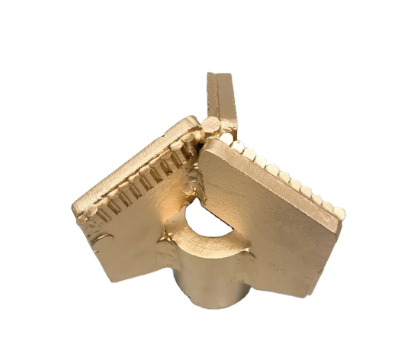
Determining the optimum weight on bit WOB for water well drilling bits is one of the most critical factors in maximizing drilling efficiency, extending the operational life of the drilling equipment, and minimizing overall project expenses. Weight on bit refers…
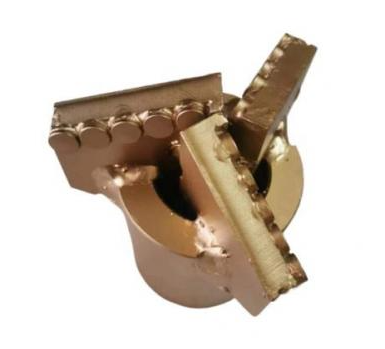
Introduction to Flushing Dynamics in Drilling Engineering The mechanical efficiency and operational lifespan of a water drill bit are fundamentally dependent on the behavior of fluids at the cutting interface. While the selection of cutting materials, such as polycrystalline diamond…
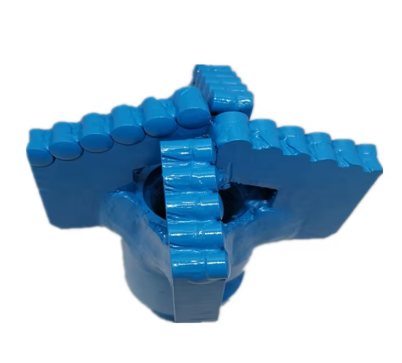
When undertaking a professional drilling project, encountering a sudden or gradual decrease in penetration rate can be incredibly frustrating. A water drill bit—commonly referred to in the industrial and construction sectors as a diamond core drill bit—relies on a precise…
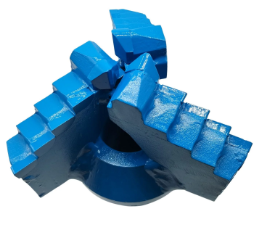
Introduction to ROP Optimization in Water Well Drilling The Rate of Penetration (ROP) is the speed at which a drill bit breaks through geological formations to deepen a borehole. Measured in feet per hour or meters per hour, a higher…
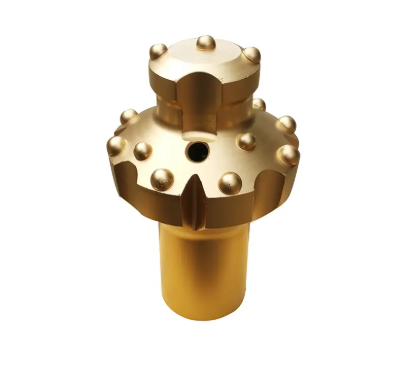
Water drill bits are precision-engineered cutting tools used extensively in construction, plumbing, HVAC installation, and concrete core drilling operations. These bits are typically made from high-grade steel, tungsten carbide, or diamond-impregnated segments, making them both extremely valuable and highly susceptible…
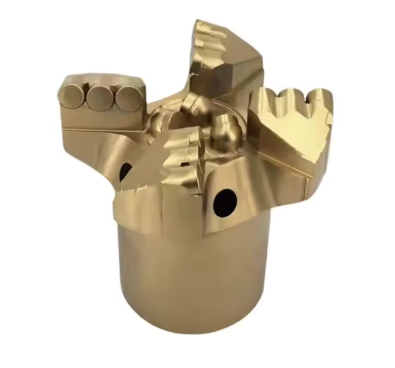
Finding the right long-term water well drill bit supply partner in Asia is one of the most critical decisions any drilling contractor, water utility company, or geological exploration firm can make. The drill bit is the single most consumed component…
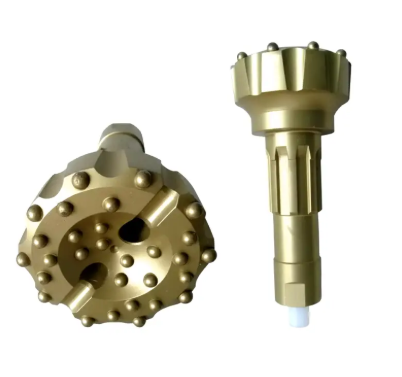
Introduction: Why Wholesale Pricing Matters for Water Drill Bit Contracts When you are managing a construction firm, a drilling operation company, or even a municipal water infrastructure project, the cost of water drill bits can represent a surprisingly significant portion…