Our Location
304 North Cardinal St.
Dorchester Center, MA 02124

304 North Cardinal St.
Dorchester Center, MA 02124

When undertaking a professional drilling project, encountering a sudden or gradual decrease in penetration rate can be incredibly frustrating. A water drill bit—commonly referred to in the industrial and construction sectors as a diamond core drill bit—relies on a precise balance of mechanical force, rotational speed, structural integrity, and fluid dynamics to cut through hardened materials like reinforced concrete, granite, asphalt, and stone. When your drilling operations slow down to a crawl, it is rarely a single, isolated issue. Instead, it is usually the result of a combination of mechanical wear, improper operational parameters, or a mismatch between your equipment and the material you are trying to penetrate.
Understanding why your core drill is struggling requires a comprehensive look at the physics of core drilling. Unlike traditional steel or carbide bits that cut material using a sharp edge, diamond water drill bits operate through micro-fracturing and grinding. The industrial diamond grits embedded within the metal matrix segment must continuously fracture and strip away to reveal fresh, sharp diamond edges. If this self-sharpening cycle is interrupted, or if the external support systems like water delivery and power supply fail to meet the required thresholds, your drilling efficiency will plummet. This extensive guide will analyze the primary reasons behind sluggish drilling speeds, explore how specific premium brands and models handle these challenges, and provide actionable technical solutions to restore your peak performance.
The most frequent culprit behind a dramatic drop in drilling speed is a phenomenon known in the industry as “glazing.” Because diamond core bits grind away material rather than slicing it, the matrix metal holding the diamonds must wear away at a synchronized rate with the diamond degradation. If you are drilling into an extremely hard, dense, non-abrasive material like quartz, polished granite, or heavily reinforced flint concrete, the diamonds will eventually wear flat and dull. If the metal matrix surrounding them is too hard, it will not wear away fast enough to expose the next layer of sharp, industrial diamond grit.
When this happens, the face of the segment becomes smooth, shiny, and polished. Instead of biting into the substrate, the dull diamonds and exposed metal face simply ride along the surface of the material, generating immense friction and heat without actually cutting. You will notice the rig vibrating differently, the engine straining or drawing more current, and the forward progress grinding to a near-halt. Resolving this requires manually stripping back the hard metal matrix to expose fresh diamonds, a process typically achieved by drilling into a highly abrasive dressing stone, a soft silicon carbide wheel, or even a plain clay brick for a few inches.
Water is the lifeblood of a wet diamond core bit, serving two absolutely critical functions: cooling the cutting face and flushing away the highly abrasive slurry generated during the drilling process. However, managing the water flow is a delicate balancing act. If your water delivery system is failing and providing inadequate volume or pressure, the cutting zone will overheat rapidly. High thermal stress can cause the diamonds to thermally degrade into graphite, destroying their cutting capability instantly. Furthermore, without enough water to lift the dense cuttings out of the deep borehole, the accumulated dust turns into a thick, pasty mud that bogs down the rotation of the tube, creating massive drag against the inner and outer walls of the hole.
Conversely, supplying an excessive amount of water can introduce a different, equally frustrating issue. When the water pressure and volume are too high, the fluid can actually lift the cutting segments slightly off the bottom of the work surface, acting as a hydraulic cushion. This excess fluid completely washes away the abrasive slurry that is actually required to naturally wear down the metal matrix. Without that micro-abrasion from the debris, the bit cannot self-sharpen, leading directly back to the glazing issue described above. Finding the optimal flow rate—where the discharge running out of the hole looks like a light, steady, milky stream rather than clear water or thick mud—is essential for maintaining high penetration rates.
Operating a core drill rig requires strict adherence to the relationship between the diameter of the drill bit and the linear speed of the cutting segments, known as peripheral speed or surface feet per minute. A common operator error is running a large-diameter water drill bit at a rotational speed (RPM) that is far too high, or running a small bit at an RPM that is far too low. When a large bit spins too fast, the diamonds strike the material with excessive impact velocity, causing them to shatter prematurely rather than micro-fracture cleanly. If the RPM is too low for a small bit, the diamonds do not achieve enough linear velocity to scratch and fracture the hard matrix of the stone or concrete.
Optimal Peripheral Speed ranges typically between 2 to 5 meters per second (m/s), calculated as:
V = (\pi \times D \times N) / 60000
Where:
V = Peripheral speed (m/s)
D = Bit diameter (mm)
N = Rotational speed (RPM)
Parallel to RPM is the feed pressure applied by the operator. If you do not apply enough downward force, the diamonds cannot penetrate deep enough into the material to fracture it; they will simply polish the surface. If you apply excessive pressure, you risk overloading the drill motor, bending the steel barrel, or crushing the diamond structures completely, causing them to strip out of the metal matrix before they have performed any useful cutting work.
When drilling through reinforced concrete structures, hitting structural steel rebar will instantly alter your drilling dynamics. Diamond core bits designed for concrete are optimized to cut through aggregate, cement paste, and sand. Steel, however, is a ductile, malleable material. When the diamond segments hit a thick piece of rebar, they cannot fracture it the way they fracture stone. Instead, the diamonds must cut through the steel via a high-friction shearing action.
This process generates massive amounts of localized heat and loads the cutting face with fine steel shavings. These shavings can clog the gaps between the diamond crystals, causing the bit to bind or skid. When traversing rebar, the penetration rate will naturally drop by as much as 70% to 80%. An experienced operator must immediately respond to the change in sound and vibration by backing off the feed pressure slightly and allowing the bit to patiently chew through the steel at a reduced speed, preventing the segments from overheating or detaching entirely from the steel tube.
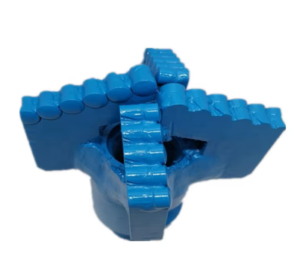
To achieve consistent drilling speeds and longevity, professional contractors rely on engineered core drilling systems from global industry leaders. Below, we break down the top industrial brands, their flagship core drill motors, and the specialized water drill bits engineered to maximize penetration rates across varying substrates.
Hilti is universally recognized for its heavy-duty, system-matched construction tools. Their core drilling engineering pairs highly smart, electronic-management motors with diamond bits optimized for specific aggregate hardness zones.
The Hilti DD 160 is a highly versatile, rig-based wet diamond core drilling system designed for holes ranging from 25 mm up to 202 mm in diameter. It features a robust 2200-watt motor equipped with a three-speed mechanical gearbox, allowing operators to select the perfect torque and RPM profile for the specific bit size in use. What sets the DD 160 apart is its intuitive LED power control indicator panel. This visual interface guides novice and veteran operators alike to maintain the absolute peak feed pressure without overloading the motor.
If the operator pushes too hard, the LEDs shift warning colors, helping prevent segment glazing and motor overheating. The system also includes an advanced electronic service indicator that warns of carbon brush wear and internal seal status before performance degradation occurs on the job site.
To achieve maximum drilling speeds, the DD 160 is ideally paired with Hilti’s premium line of DD-B diamond core bits featuring Equidist Technology. In standard diamond segments, industrial diamonds are distributed randomly throughout the metal bond, leading to uneven wear clusters where diamonds bunch together or leave empty gaps. Hilti’s Equidist solution precisely arranges every single diamond crystal in a strict, uniform three-dimensional grid pattern within the segment.
This ensures that as the segment wears down, an identical number of sharp diamonds are always engaged with the material at all times. This engineered spacing delivers an exceptionally consistent, ultra-fast cutting speed, drastically reduces vibration, and increases the bit’s overall lifespan when cutting through heavily reinforced concrete containing tough river stone or granite aggregates.
Husqvarna excels in producing high-efficiency concrete sawing and drilling machinery. Their focus rests heavily on high-frequency electronic power delivery and smart bit geometries that adapt to diverse job site conditions.
The Husqvarna DM 400 is an ergonomic, heavy-duty electric core drill motor designed for heavy-to-medium operations where high output is mandatory. Powered by a rugged 3200-watt motor, it features an advanced electronic positioning system (Embedded SmartStart) that reduces rotational speed by half at the touch of a button, allowing the operator to easily start a new hole without the bit wandering across smooth concrete faces.
The DM 400 uses a heavy-duty, water-cooled 3-speed gearbox to optimize cutting velocities across its broad 50 mm to 350 mm drilling range. Furthermore, its housing is cast from high-grade aluminum to withstand harsh drop impacts on industrial work sites while providing superior thermal dissipation for the internal components.
The Elite-Drill D 1400 series represents Husqvarna’s top-tier tooling, specifically designed for intensive, continuous wet drilling applications. These bits feature specialized roof-top shaped segments, which concentrate the initial downward pressure onto a narrow ridge point. This unique shape facilitates incredibly rapid bit positioning and immediate cutting engagement, minimizing initial slipping.
The D 1400 utilizes Husqvarna’s proprietary Diagrip™ technology, an advanced treatment process that optimizes the three-dimensional distribution of diamonds while ensuring the metal matrix retains an ultra-strong hold on each diamond crystal. This structural bond prevents the diamonds from being ripped out prematurely when striking thick rebar grids, making them an excellent choice for processing cured concrete with high steel content.
Bosch provides reliable, highly engineered industrial systems suited for contractors demanding high mobility paired with exceptional mechanical torque safety systems.
The Bosch GDB 350 WE is an absolute powerhouse designed specifically for large-diameter deep-hole drilling up to 350 mm. Driven by an immense 3200-watt motor, this tool is built exclusively for rig-mounted wet drilling operations in structural civil engineering, plumbing layouts, and massive HVAC installations. The GDB 350 WE incorporates an oily multi-plate mechanical overload clutch paired with an intelligent electronic overload protection system (KICKBACK Control).
If a core bit suddenly binds or hits a skewed piece of structural steel, the machine instantly cuts power to the drive spindle, protecting the operator from violent torque kickback and safeguarding the diamond segments from being sheared off the steel barrel.
The Bosch “Best for Concrete” series features high-performance wave-shaped segments laser-welded onto a premium, deformation-resistant steel tube body. The unique wave pattern reduces the initial contact surface area against the concrete, allowing for higher localized pressure and faster initial penetration rates.
The segments contain a highly specialized bond matrix composed of synthesized cobalt, tungsten, and iron powders combined with top-grade synthetic monocrystalline diamonds. This specific composition is highly reactive to the friction generated when transitioning from soft cement matrix into hard granite stone, breaking down at just the right rate to prevent segment glazing during demanding deep-hole tasks.
Milwaukee has revolutionized the concrete drilling market by introducing high-output, battery-powered cordless technology capable of rivaling legacy corded platforms.
The Milwaukee MX FUEL MXF301-1CP represents a paradigm shift in core drilling infrastructure, utilizing a high-voltage brushless DC motor powered by advanced Lithium-Ion battery packs. This system allows contractors to perform heavy wet core drilling in remote areas, tight crawlspaces, or high-rise scaffolds without running hundreds of feet of heavy extension cords or hauling noisy gas generators.
The MXF301 handles core diameters up to 152 mm wet or dry. It features built-in ONE-KEY™ technology, allowing contractors to digitally track the tool’s location, review performance analytics, and manage torque profiles via a smartphone app. An integrated digital clutch automatically dampens motor output if rotation speeds drop unexpectedly, ensuring excellent control.
Engineered to maximize the efficiency and battery runtime of the MX FUEL platform, Milwaukee’s Diamond Premium Wet Core Bits feature an ultra-thin wall barrel design. By reducing the thickness of both the steel tube and the diamond segments, the bit removes significantly less material during the cutting path.
This thin-kerf configuration drastically reduces the mechanical resistance and friction encountered during drilling, allowing the cordless motor to maintain high RPM while drawing less energy per inch of penetration. The segments are fully laser-welded to the core tube to guarantee absolute joint integrity under high heat conditions, delivering rapid cutting speeds through cured concrete and brick alike.
Tyrolit is a premier European manufacturer specializing in heavy-duty diamond tools and high-frequency wall sawing and drilling equipment for large-scale demolition and civil engineering.
The DME33MW is a highly robust 3.3 kW electric core drill motor designed for ultimate reliability in the most grueling industrial environments. It features a full metal housing that shields the internal electronics from high-pressure water spray and concrete slurry. The 3-speed oil-bath gearbox provides optimal rotational speeds for diameters up to 350 mm.
Equipped with both a mechanical safety clutch and an intelligent electronic overload monitoring module, the DME33MW delivers consistent, unyielding torque, making it a favorite for heavy civil engineering projects like bridge deck rehabilitation and airport runway modification.
Tyrolit’s flagship core bits feature TGD® Technology (Tyrolit Grain Distribution). This advanced manufacturing methodology creates a perfectly structured diamond alignment throughout the entire volume of the segment.
By ensuring that each diamond crystal bears an identical share of the structural load, TGD technology completely eliminates premature diamond loss and guarantees an incredibly smooth, vibration-free cutting performance. This precise engineering results in maximum cutting speeds, exceptional longevity, and significantly reduced physical strain on the drill rig components.
To help operators identify and correct slow drilling performance systematically, the following analytical table correlates specific job site symptoms with their root causes and provides detailed technical remediation protocols.
| Visual & Audible Symptoms | Identified Root Cause | Immediate Remediation Protocol |
| The segment face is polished, shiny, and smooth; the rig vibrates mildly but forward progress stops completely. | Segment Glazing due to an overly hard metal matrix or drilling non-abrasive materials without sufficient downforce. | Reduce water flow temporarily by 50% and drill into a highly abrasive dressing stone or soft clay brick for 3 to 5 inches to strip back the glazed matrix and expose new diamond grit. |
| Heavy chattering noise, severe rig shaking, and uneven segment wear patterns around the perimeter of the tube. | Exceeded Spindle Runout or loose rig anchoring allowing the machine assembly to flex during rotation. | Shut down the motor immediately. Inspect the anchor bolt, tighten the leveling jacks, and verify the spindle alignment with a dial indicator. Ensure total runout does not exceed 0.2 mm. |
| The discharge water flowing from the borehole is completely clear and cold, while the bit makes no downward progress. | Hydraulic Cushioning Effect caused by excessive water pressure lifting the cutting face off the substrate. | Turn down the water inlet valve until the discharge trailing out of the borehole transforms into a steady, consistent, milk-like slurry consistency. |
| A thick, viscous paste oozes slowly out of the hole; the motor RPM drops significantly and smells hot or strained. | Severe Fluid Deficit causing accumulated cutting debris to turn into thick mud, dragging against the barrel walls. | Immediately increase water volume and pressure to fully flush out the clogged borehole. Back the bit out of the hole while spinning to clear out trapped debris before resuming downward feed. |
| The penetration speed drops suddenly by over 70%, accompanied by sharp metallic screeching sounds and fine silver sparkles in the water discharge. | Steel Rebar Interception within the structural concrete matrix. | Shift the gearbox to a lower speed setting if applicable, reduce the downward manual feed pressure by approximately 30%, and let the diamonds patiently shear through the steel reinforcement. |
| The diamond segments show severe discolored blue or black burn marks; cracks are visible at the laser-welded joint line. | Thermal Degradation (Overheating) due to running the drill bit completely dry or with catastrophic water blockages. | Discard the damaged drill bit immediately to prevent catastrophic segment detachment inside the hole. Check all internal water seals and supply hoses before mounting a new bit. |
A critical factor that directly controls drilling velocity—but is frequently overlooked—is the overall structural rigidity of the drilling stand and the core motor spindle. Even the most advanced diamond core bit from Hilti or Husqvarna will fail to perform if mounted on a loose, flexible rig base. If the concrete anchor anchor bolt is loose, or if the leveling screws are not firmly jacked against the floor or wall, the entire column will flex and vibrate under load. This shifting causes the diamond segments to hit the concrete at varying angles, creating uneven impact forces that fracture the diamonds prematurely and ovalize the borehole.
Total Indicator Runout (TIR) must be checked periodically using a dial indicator:
TIR = Spindle_{max\_deviation} - Spindle_{min\_deviation} \le 0.05 \text{ mm}
Regularly check the play in the slide carriage guides of your drill stand. If the carriage rocks sideways when you apply feed pressure, tighten the adjustable brass guide tracks or roller bearings according to the manufacturer’s specifications. Furthermore, inspect the output spindle threads on your drill motor. Accumulated concrete slurry can dry inside the threads, preventing the core bit from seating perfectly square against the spindle shoulder. Always clean the threads with a brass wire brush and apply a thin layer of anti-seize lubricant or use a quick-release copper washer between the motor and the bit to ensure a perfectly true concentric rotation.
When drilling deep holes exceeding 500 mm in depth, managing the removal of the pulverized concrete slurry becomes exponentially more difficult. As the hole deepens, the hydrostatic pressure required to lift the heavy solids up and out of the narrow kerf space between the steel barrel and the concrete wall increases significantly. If the slurry remains trapped at the bottom of the hole, the diamond segments will continuously re-grind the same debris over and over, which wastes motor energy, generates excessive heat, and prevents the diamonds from engaging with fresh stone.
To optimize deep-hole operations, consider using an inline water pump system capable of maintaining a stable fluid volume regardless of depth. If the drilling angle is pointing directly downward into a slab, you can periodically execute a “flushing cycle.” Every few inches of progress, slowly raise the spinning core bit up a few inches from the bottom of the hole while leaving the water supply fully open. This action allows high-velocity water to reach the very bottom of the cut unobstructed, rapidly evacuating the accumulated silt up to the surface. For extremely deep vertical drilling, switching to a specialized core bit with spiral grooves embossed along the exterior steel tube can help mechanically auger the thick slurry upward, keeping the cutting path clean and maintaining high penetration speeds.

