Our Location
304 North Cardinal St.
Dorchester Center, MA 02124

304 North Cardinal St.
Dorchester Center, MA 02124

Large scale water core drilling is a fundamental process in modern construction, heavy infrastructure development, and industrial mining operations. When operating large water drill bits, typically defined as diamond core bits exceeding 6 inches in diameter, technicians frequently encounter the dual phenomena of structural vibration and severe cutter chatter. Chatter is a high-frequency self-excited harmonic vibration that occurs during the interaction between the cutting segments of the drill bit and the hard substrate material. Left unchecked, excessive vibration and chatter rapidly degrade the synthetic diamond segments, damage the mechanical gearboxes of the drilling rig, create geometric irregularities within the borehole, and introduce significant physical fatigue to the machinery operators.
To effectively mitigate these issues, a deep engineering understanding of the mechanical, structural, and hydraulic variables of the drilling setup is required. Vibration is rarely caused by a single isolated component; rather, it is the result of systemic instability within the entire drill string, rig anchoring system, rotational speeds, feed pressures, and cooling fluid flow rates. By meticulously systematically optimizing each of these specific variables, operators can achieve smooth cutting profiles, maximize the working life of their diamond tooling, and ensure precise straightness throughout the depth of the borehole.
The foundational step in eliminating severe harmonic chatter during large diameter water drilling involves maximizing the structural rigidity of the drilling rig system. Large core drill bits generate immense torsional forces and radial loads that will exploit any microscopic movement or flexing within the mounting framework.
A core drill rig must never be operated with reliance on simple gravitational stability or weak clamping mechanisms when driving large water bits. The base of the drilling stand must be mechanically anchored directly to the concrete slab or structural substrate using high-tensile heavy-duty steel drop-in expansion anchors. The anchor must be fully threaded and torqued down using a calibrated manual wrench to ensure the baseplate is completely immobilized against the surface. If the surface material is uneven or highly textured, heavy-duty metal leveling jacks must be deployed symmetrically around the baseplate to distribute the vertical load evenly and prevent the frame from rocking during initial bit engagement.
For demanding vertical setups or deep hole drilling operations, baseline floor anchoring should be reinforced with a secondary structural stabilization column, commonly referred to as a ceiling jack or telescopic wall brace. This secondary assembly extends from the top of the main drill rig mast directly to an opposing structural ceiling slab or an adjacent reinforced concrete wall. By applying positive linear pressure against a static secondary structure, the rig mast is effectively transformed into a rigidly constrained dual-point beam system. This mechanical configuration dramatically limits the flexural deflection of the mast column, dampening both low-frequency structural wobble and high-frequency cutter chatter before it can travel back up the main gear track.
The sliding carriage that connects the drill motor assembly to the vertical mast track represents a critical point where mechanical play can rapidly manifest as severe drilling chatter. Operators must inspect and manually adjust the guide rollers or wear plates inside the carriage assembly prior to spinning a large water bit. These internal brass, nylon, or composite track inserts must be tightened to eliminate any lateral or front-to-back movement while still allowing smooth, fluid vertical travel under standard crank pressure. If the carriage can be toggled or wiggled by hand even slightly while locked, the resulting play will amplify the harmonic vibrations generated by the cutting segments, leading to premature bit destruction.
Large diamond water bits rely on a delicate equilibrium between rotational velocity and linear downward feed force to cleanly shear concrete or stone without slipping into a destructive harmonic cycle.
A common operator error that triggers immediate chatter is running large diameter water drill bits at an excessively high rotational velocity. As the physical diameter of a core bit increases, the linear surface feet per minute at the outer cutting edge accelerates exponentially even at low rotational speeds. For example, a 12 inch water drill bit requires a dramatically lower RPM setting compared to a standard 2 inch bit to maintain the identical target peripheral cutting speed. Running a large bit too fast causes the diamond segments to skim across the aggregates instead of fracturing them, inducing severe frictional glazing and immediate, aggressive chatter. The operator must select a low gear ratio on the drill motor transmission to maximize output torque while keeping the rotational speed restricted to the exact scientific recommendations specified by the diamond segment manufacturer.
Chatter frequently develops when the cutting segments are allowed to bounce, float, or ride lightly within the cutting channel. To prevent self-excited harmonic vibration, the operator must apply continuous, unyielding downward feed pressure using the carriage hand wheel or an automated mechanical feed control unit. This positive feed pressure forces the exposed synthetic diamond crystals to deeply engage and bite into the material, creating a steady structural load that naturally dampens minor high-frequency oscillations. The feed rate must be perfectly balanced: enough pressure to keep the bit fully buried in its cut and fracturing the rock, but not so excessive that it bogs down the electrical motor or deforms the steel barrel of the core bit.
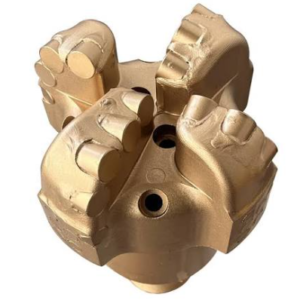
Water is not merely a cooling agent when deploying large industrial core drill bits; it serves as a critical hydraulic dampening medium and the primary vehicle for removing dense structural debris from the cutting path.
When operating massive water bits, standard low-pressure residential water connections are typically insufficient to handle the cooling and flushing requirements. Operators should utilize dedicated high-volume, high-pressure water pumps capable of delivering a constant, uninterruptible stream of fluid directly through the center of the drill motor spindle and into the internal cavity of the core bit. This high volume of water completely floods the kerf, forming a pressurized fluid barrier that acts as a natural shock absorber around the cylindrical perimeter of the steel bit barrel. This fluid jacket absorbs micro-vibrations and limits radial runout during high-torque cutting sequences.
If the volume or pressure of the incoming water drops below optimal levels, pulverized concrete or stone debris will settle at the bottom of the circular trench, creating a dense, highly abrasive paste known as slurry. When the cutting segments are forced to grind through a thick bed of accumulated slurry rather than striking fresh, solid aggregate, the bit will lift slightly and begin to slide erratically over the compacted particles. This sliding action induces intense friction, glazes the exposed cutting diamonds until they are smooth and dull, and triggers a massive surge in erratic structural chatter. The water flow must be adjusted until it emerges from the borehole as a completely clear, highly fluid stream, indicating that all solid particulates are being immediately and effectively evacuated from the cutting face.
To achieve professional vibration mitigation when running large water bits, utilizing precision-engineered industrial drilling machinery is paramount. The following highly regarded corporate brands and specific equipment models are engineered with advanced mechanical features explicitly developed to eliminate operational chatter.
Husqvarna is a global leader in high-end concrete cutting and core drilling technology, widely recognized for engineering systems that maximize rigidity and dampen severe harmonic feedback.
Husqvarna DM 700 High Frequency Electric Core Drill Motor: This heavy-duty motor is powered by advanced high-frequency electronics and proprietary permanent magnet motor technology. It delivers massive torque outputs at low rotational speeds, making it highly effective for driving large water core bits up to 24 inches in diameter. The internal digital processor constantly monitors spindle speed and automatically modulates power delivery to maintain smooth, ultra-stable cutting characteristics under heavy loads, directly suppressing the onset of chatter.
Husqvarna DS 70 Anchor Rig Stand: This extra-tall, heavy-duty structural steel and aluminum hybrid mast stand is engineered specifically to match the extreme torque demands of the DM 700 motor. It features a highly reinforced base plate designed for robust mechanical anchoring, built-in dual leveling jacks, and precision-machined steel roller guides within the carriage assembly that completely eliminate mechanical play and structural flexing under high radial stresses.
Tyrolit is acclaimed for producing precision Austrian-engineered industrial tools and heavy-duty drilling systems designed for the most demanding infrastructural applications.
Tyrolit DME33MW Three Speed Electric Core Drill Motor: An industrial-grade, highly robust mechanical three-speed drill motor designed primarily for wet drilling configurations up to 14 inches in diameter. It features an integrated mechanical clutch and a specialized electronic overload protection system that prevents torque spikes from transferring back into the rig structure, maintaining an incredibly smooth cutting cadence through heavily reinforced concrete.
Tyrolit DRA400 Heavy Duty Drill Rig Stand: This professional mast assembly is constructed using an ultra-rigid, single-piece aluminum alloy profile that offers exceptional torsional resistance. The sliding carriage utilizes advanced adjustable low-friction composite liners that hug the mast securely, effectively absorbing high-frequency micro-vibrations and preventing cutting chatter from building up during deep water drilling operations.
Pentruder is a premium global manufacturer renowned for producing high-rigidity, modular concrete cutting equipment designed for heavy industrial and military-grade demolition work.
Pentruder NT2 High Frequency Core Drilling Motor: This incredibly powerful, lightweight high-frequency motor delivers unmatched torque stability across a highly wide RPM spectrum. It is engineered with a built-in multi-stage mechanical gearbox that allows precise tuning of rotational speeds for extra-large water bits exceeding 30 inches in diameter, ensuring the cutting edge operates entirely within its stable mechanical frequency zone.
Pentruder TS Track and Rig System: Unlike conventional standalone drill stands, the Pentruder TS system utilizes the identical ultra-rigid steel-reinforced tracks used in their industrial wall sawing assemblies. This unique configuration provides an incredibly wide, solid structural footprint and an immensely strong carriage interface that completely eliminates the flexural deformation and harmonic wobble that commonly plague large standard core drill rigs.
For specialized deep-hole industrial operations, large infrastructure projects, and deep water well drilling, additional mechanical stabilizer tools are integrated directly into the rotating drill string.
Stabil Drill AISI 4145H Integral Blade Spiral Stabilizer: This downhole tool is precision-machined from a single solid piece of modified, heat-treated high-strength alloy steel. It is positioned directly above the large water bit within the borehole. The spiral-wound blades feature specialized tungsten carbide hardfacing inserts that maintain continuous 360-degree contact with the internal walls of the drilled hole, centering the drill string perfectly and completely neutralizing radial bit whirl, shaft wobble, and severe deep-hole chatter.
Even the most rigid drilling rig will experience severe vibration if the large water drill bit itself is mechanically compromised, poorly maintained, or out of geometric tolerance.
Prior to mounting a large water core bit onto the drill motor spindle, the operator must check the structural integrity of the steel cylindrical tube, known as the core barrel. If the core bit has been dropped, subjected to extreme heat, or bound up inside a borehole during a past job, the steel barrel may have suffered microscopic warping or twisting. Using a precision dial indicator gauge, the operator should measure the total radial runout at the outer tip of the diamond segments while slowly rotating the bit by hand. If the runout deviates beyond tight industry tolerances, the bit will wobble eccentrically during high-speed rotation, making it physically impossible to eliminate chatter until the barrel is professionally straightened or replaced.
When a large water drill bit encounters extra-hard river aggregates or heavy structural steel rebar reinforcements, the exposed synthetic diamond crystals can shear off flush with the surrounding metal matrix, causing the segments to become chemically glazed and dull. A glazed bit ceases to cut cleanly and instead starts to violently pound against the obstruction, producing an intense shuddering vibration throughout the entire rig assembly. To remedy this condition in the field, the operator must immediately halt the deep drilling process and perform a mechanical dressing operation. This is accomplished by running the large water bit under low water flow into a highly abrasive dressing block, such as a soft silicone carbide stone or a specialized sand-lime block. This highly abrasive material quickly erodes the tough outer layer of the metal segment matrix, exposing a fresh layer of sharp, jagged synthetic diamond crystals that can cleanly slice through the substrate, instantly restoring smooth, vibration-free drilling action.

