Our Location
304 North Cardinal St.
Dorchester Center, MA 02124

304 North Cardinal St.
Dorchester Center, MA 02124

# How Long Can a Tungsten Carbide Drill Bit Be Used for Cement Drilling?
Tungsten carbide drill bits are among the most durable drilling tools used in construction, masonry, and concrete work. These drill bits are specifically designed to penetrate hard materials such as cement, reinforced concrete, brick, stone, and masonry surfaces. The lifespan of a tungsten carbide drill bit when drilling cement depends on multiple factors, including the hardness of the concrete, drilling technique, drill speed, cooling methods, and the quality of the drill bit itself. In real-world construction environments, contractors and DIY users often ask how long a carbide masonry drill bit can be used before it becomes dull or unusable. Understanding the working life of tungsten carbide drill bits is important for improving drilling efficiency, reducing costs, and ensuring project quality. Buyers looking for high-quality cement drilling tools can explore professional drill bit options at xiangriyang.com, which offers a wide range of carbide drill bits and construction drilling accessories.
Tungsten carbide drill bits are significantly harder than ordinary steel drill bits. Tungsten carbide has an extremely high hardness level, which allows it to resist wear and abrasion when drilling into dense materials such as cement and reinforced concrete. This hardness means the drill bit can maintain its cutting edge much longer than conventional drill bits made from high-speed steel. Because of this property, carbide drill bits are commonly used with hammer drills and rotary hammers for masonry applications. High-quality tungsten carbide drill bits can withstand temperatures exceeding 1000°C and maintain cutting performance even under heavy impact loads during concrete drilling.
In typical cement drilling applications, a single tungsten carbide drill bit can drill approximately 150 to 250 holes in concrete before significant wear occurs, depending on the diameter of the hole and the hardness of the material. The durability of carbide tips allows them to outperform traditional masonry bits by a large margin. In laboratory tests and field studies, tungsten carbide bits have been shown to drill thousands of impact cycles before the cutting edges degrade noticeably. This long service life is one of the primary reasons why carbide drill bits are widely used in construction, infrastructure projects, and industrial drilling operations.
Another way to evaluate drill bit longevity is by considering the years of service life rather than the number of holes drilled. In light or occasional use scenarios, such as household repairs or small renovation projects, a carbide drill bit may last 3 to 6 years or longer with proper maintenance. Professional construction workers who drill into cement daily may need to replace drill bits more frequently, sometimes every 6 to 12 months depending on the intensity of use. (xiangriyang.com) The difference in lifespan between occasional and heavy usage illustrates how operating conditions directly affect drill bit durability.
The quality of the tungsten carbide tip also plays a critical role in determining how long a drill bit can be used for cement drilling. High-grade carbide tips typically contain around 90–94% tungsten carbide combined with a cobalt binder. This composition gives the drill bit both hardness and toughness, allowing it to withstand the repeated impact forces produced by hammer drills and rotary hammer machines. In addition, modern carbide drill bits often feature advanced brazing techniques that securely attach the carbide tip to the steel body of the drill bit. This construction prevents the tip from breaking off during high-impact drilling and increases the overall lifespan of the tool.
Another important factor affecting the service life of tungsten carbide drill bits is the drilling environment. Cement and concrete can vary greatly in hardness depending on the aggregate composition and compressive strength of the material. For example, drilling into standard residential concrete is much easier than drilling into high-density industrial concrete or reinforced concrete that contains steel rebar. When a drill bit encounters steel reinforcement, friction and heat increase dramatically, which can shorten the lifespan of the carbide tip. Field tests have shown that drilling into reinforced concrete may reduce drill bit life by approximately 50% compared with ordinary concrete drilling.
Proper drilling technique is also essential for maximizing the lifespan of tungsten carbide drill bits used in cement drilling. Many drill bit failures occur because of excessive drilling pressure, incorrect rotation speed, or overheating. Experts recommend operating carbide drill bits at relatively low rotational speeds, typically between 150 and 300 RPM for heavy concrete drilling. Maintaining the correct speed allows the drill bit to cut efficiently without generating excessive heat. Using intermittent drilling techniques—such as drilling for a few seconds and then pulling the bit out to remove debris—can significantly reduce wear and prolong the life of the carbide tip.
Cooling methods also have a major influence on drill bit longevity. Dry drilling generates high temperatures that can cause carbide edges to soften or fracture. When possible, using water cooling during drilling helps reduce friction and remove dust from the hole. Studies show that wet drilling methods can increase drill bit life by up to three times compared with dry drilling, particularly when drilling deep holes in concrete structures.
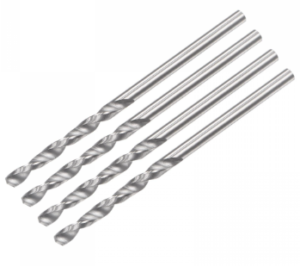
The design of the drill bit itself is another important factor in determining how long it can be used for cement drilling. Modern tungsten carbide drill bits often include spiral flutes designed to remove debris quickly and reduce clogging inside the hole. Efficient debris removal prevents excessive friction and ensures that the cutting edges remain sharp for longer periods. Some premium drill bits also feature multi-cutting edges or four-flute designs that distribute the drilling force more evenly, reducing stress on the carbide tip and improving durability.
Major Brands and Models of Tungsten Carbide Drill Bits
When selecting a drill bit for cement drilling, choosing a reputable brand can significantly improve performance and lifespan. Many well-known tool manufacturers produce high-quality tungsten carbide masonry drill bits designed for professional construction work. Below are several widely used brands and models known for their reliability and durability.
Bosch
Bosch is one of the leading manufacturers of professional drilling tools. The company produces a wide range of carbide masonry drill bits used by contractors worldwide. Popular models include the Bosch HCFC2081 SDS-Plus Carbide Hammer Drill Bit, the Bosch Blue Granite Turbo series, and the Bosch CYL-9 MultiConstruction drill bits. These drill bits are engineered with precision-ground carbide tips and optimized flute designs that allow efficient drilling in cement, brick, and reinforced concrete. Bosch carbide bits are known for their long service life and high drilling speed.
DeWalt
DeWalt is another globally recognized brand that produces durable carbide masonry drill bits for construction and industrial applications. The DeWalt DW5470 SDS-Plus Carbide Drill Bit and the DeWalt DW5207 percussion masonry drill bit are widely used by professionals. These drill bits feature carbide tips with enhanced brazing technology and optimized flute geometry to improve dust removal and drilling efficiency. DeWalt carbide drill bits are commonly used with hammer drills for drilling anchor holes in cement walls and concrete slabs.
Hilti
Hilti specializes in heavy-duty construction tools and accessories. The Hilti TE-CX SDS-Plus Carbide Drill Bit and the Hilti TE-YX SDS-Max drill bit are among the most durable options available for drilling cement and reinforced concrete. Hilti drill bits are designed with multi-cutting edges and solid carbide heads that provide extremely long service life even in demanding construction environments. Contractors often choose Hilti bits for large-scale infrastructure projects where reliability and performance are critical.
Makita
Makita produces high-quality tungsten carbide masonry drill bits that are compatible with hammer drills and rotary hammer machines. Popular models include the Makita B-65399 SDS-Plus Carbide Drill Bit and the Makita D-series masonry drill bits. These drill bits are designed for fast penetration in cement, brick, and stone, making them suitable for both professional and DIY applications.
Milwaukee
Milwaukee is known for producing durable drilling accessories designed for heavy-duty use. The Milwaukee MX4 SDS-Plus Carbide Drill Bit and the Milwaukee MX4 SDS-Max drill bits are widely used for drilling holes in cement and reinforced concrete. These drill bits feature four cutting edges that improve drilling accuracy and reduce wear on the carbide tip.
Factors That Determine How Long a Tungsten Carbide Drill Bit Lasts
Several factors determine how long a tungsten carbide drill bit can be used when drilling cement. Understanding these factors helps users choose the right drill bit and extend its service life.
Concrete hardness
The compressive strength and aggregate composition of the cement directly affect drill bit wear. Concrete containing quartz or granite aggregates is more abrasive and can wear down drill bits faster.
Drill speed
Operating the drill at excessively high speeds increases friction and heat, which accelerates carbide wear. Maintaining moderate speeds improves durability.
Drilling pressure
Applying too much pressure during drilling can damage the carbide tip and cause premature failure. A steady, moderate pressure is recommended.
Cooling and lubrication
Using water cooling or drilling in short intervals reduces heat buildup and significantly extends drill bit lifespan.
Rebar contact
When drilling reinforced concrete, contact with steel reinforcement bars can shorten drill bit life dramatically.
Drill bit quality
Higher-quality carbide drill bits manufactured by reputable brands typically last longer because of better materials and manufacturing processes.
Signs That a Tungsten Carbide Drill Bit Needs Replacement
Even the best tungsten carbide drill bits eventually wear out. Some common signs that indicate a drill bit should be replaced include slower drilling speed, excessive vibration, overheating, and chipped or rounded carbide tips. When the drill bit begins to produce dust instead of chips or requires excessive pressure to penetrate cement, it is usually a sign that the cutting edges have become dull.
Regular inspection of drill bits helps prevent damage to the drill machine and ensures that drilling operations remain efficient. Professional contractors often keep several replacement drill bits on hand to avoid downtime during construction projects.
Conclusion
Tungsten carbide drill bits are among the most reliable tools for drilling cement and concrete surfaces. Under typical conditions, a high-quality carbide drill bit can drill approximately 150–250 holes in concrete and may remain usable for several months or even years depending on usage frequency. Their exceptional hardness, heat resistance, and impact strength make them ideal for demanding construction environments. However, the actual lifespan of a drill bit depends on factors such as drilling technique, concrete hardness, cooling methods, and overall tool quality.
Professionals and DIY users seeking durable tungsten carbide drill bits for cement drilling can explore a wide range of options at xiangriyang.com, where various brands and models are available for different drilling applications. By choosing high-quality drill bits and using proper drilling techniques, users can significantly extend the lifespan of their tools and achieve better drilling efficiency in cement and concrete projects.

