Our Location
304 North Cardinal St.
Dorchester Center, MA 02124

304 North Cardinal St.
Dorchester Center, MA 02124

Twist drill bits are indispensable tools in machining, construction, and various industrial applications, renowned for their ability to efficiently create holes in materials ranging from metals to wood. A defining feature of these drill bits is the presence of two spiral grooves, also known as flutes, that run along the shank from the point. These grooves are not merely decorative; they serve multiple critical functions that enhance the drill bit’s performance, durability, and versatility. This article delves into the functions of these spiral grooves, explores notable brands and models of twist drill bits, and examines how different designs cater to specific applications.
The spiral grooves on a twist drill bit are engineered to perform several essential tasks that collectively contribute to the drill’s effectiveness. These functions can be broadly categorized into chip evacuation, coolant flow, cutting efficiency, and structural integrity.
One of the primary functions of the spiral grooves is to facilitate the removal of chips, or swarf, generated during the drilling process. As the drill bit rotates and penetrates the material, it cuts away small pieces of the workpiece, which must be cleared from the hole to prevent clogging and overheating. The spiral design of the flutes acts as a conveyor belt, lifting the chips away from the cutting edge and guiding them up and out of the hole. This continuous evacuation ensures that the drill bit remains in contact with clean material, allowing for consistent cutting performance and reducing the risk of tool breakage.
The efficiency of chip evacuation depends on several factors, including the flute geometry, the material being drilled, and the drilling speed. For instance, drill bits designed for drilling soft metals like aluminum may have wider flutes to accommodate the larger volume of chips produced, while those for hard materials like stainless steel may have narrower, deeper flutes to provide greater strength and chip control.
In addition to removing chips, the spiral grooves also play a crucial role in directing coolant or lubricant to the cutting edge. During high-speed drilling operations, friction between the drill bit and the workpiece generates significant heat, which can lead to tool wear, workpiece deformation, and reduced cutting efficiency. Coolant helps to dissipate this heat, prolonging the life of the drill bit and improving the quality of the hole.
The spiral design of the flutes allows coolant to flow along the grooves, reaching the cutting edge where it is most needed. This targeted delivery ensures that the coolant can effectively reduce temperatures and lubricate the cutting interface, minimizing friction and wear. Some advanced drill bits may feature specialized coatings or internal coolant channels to further enhance coolant flow and performance.
The spiral grooves also contribute to the cutting efficiency of the drill bit by influencing the cutting action and the distribution of forces. The helical shape of the flutes creates a scissoring effect as the drill bit rotates, shearing the material away from the workpiece. This cutting action is more efficient than a simple pushing or scraping motion, allowing the drill bit to penetrate the material with less force and energy.
Moreover, the spiral design helps to distribute the cutting forces evenly along the length of the drill bit, reducing the risk of deflection or bending. This is particularly important when drilling deep holes or working with materials that are prone to vibration or chatter. By maintaining a stable cutting path, the spiral grooves ensure that the hole is drilled accurately and to the desired dimensions.
While the primary functions of the spiral grooves are related to cutting performance, they also play a role in maintaining the structural integrity of the drill bit. The flutes are carefully designed to provide a balance between strength and flexibility, allowing the drill bit to withstand the stresses and strains of drilling without breaking or deforming.
The depth and width of the flutes are critical factors in determining the drill bit’s strength. Deeper flutes provide greater chip capacity but may reduce the cross-sectional area of the drill bit, making it more susceptible to breakage. Conversely, shallower flutes offer greater strength but may limit chip evacuation efficiency. Manufacturers must carefully optimize these parameters to create drill bits that are both strong and efficient.
The market for twist drill bits is vast and diverse, with numerous brands and models available to cater to different applications and materials. Some of the most notable brands include DeWalt, Bosch, Makita, Irwin, and Milwaukee, each offering a range of drill bits designed for specific tasks and environments.
DeWalt is a well-known brand in the power tool industry, offering a wide range of high-quality drill bits for both professional and DIY use. Their twist drill bits are known for their durability and precision, with features like titanium coatings for extended life and reduced friction.
One popular model is the DeWalt DW1361 Titanium Pilot Point Drill Bit Set, which includes a variety of sizes suitable for drilling wood, metal, and plastic. The titanium coating enhances the drill bits’ resistance to wear and corrosion, while the pilot point design reduces walking and ensures accurate hole placement.
Bosch is another leading brand in the power tool market, offering a comprehensive range of drill bits designed for various applications. Their twist drill bits are known for their innovative designs and high-performance materials.
The Bosch DCO188-02 18-Piece Blue Granite Hammer Drill Bit Set is a notable example, featuring drill bits made from a proprietary blend of materials that provide exceptional durability and cutting efficiency. The set includes drill bits in various sizes, making it suitable for a wide range of drilling tasks.
Makita is a Japanese brand renowned for its high-quality power tools and accessories. Their twist drill bits are designed with precision and durability in mind, featuring advanced materials and coatings to enhance performance.
The Makita B-49373 75-Piece Drill and Drive Bit Set includes a variety of twist drill bits suitable for drilling wood, metal, and masonry. The drill bits are made from high-speed steel (HSS) for extended life and feature a split point design for reduced walking and improved accuracy.
Irwin is a brand with a long history in the tool industry, offering a wide range of drill bits and other accessories. Their twist drill bits are known for their affordability and reliability, making them a popular choice among DIY enthusiasts and professionals alike.
The Irwin Tools 3018002 29-Piece Black Oxide Drill Bit Set is a cost-effective option that includes drill bits in various sizes for drilling wood, metal, and plastic. The black oxide coating provides corrosion resistance and reduces friction, while the 135-degree split point design ensures accurate hole placement.
Milwaukee is a brand that specializes in power tools and accessories for the construction and industrial markets. Their twist drill bits are designed for heavy-duty use, featuring robust materials and advanced coatings for extended life and performance.
The Milwaukee 48-89-2301 23-Piece Shockwave Impact Duty Drill Bit Set is a high-performance option that includes drill bits made from proprietary steel for increased durability. The set is designed for use with impact drivers, providing exceptional performance in demanding applications.
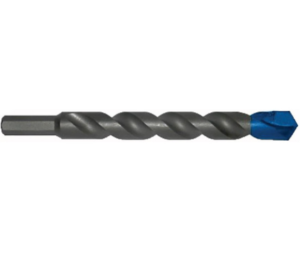
While the basic function of the spiral grooves remains consistent across different twist drill bits, there are numerous design variations that cater to specific applications and materials. These variations include differences in flute geometry, point angle, and coating materials, each of which can significantly impact the drill bit’s performance.
The geometry of the flutes, including their depth, width, and helix angle, can vary significantly between different drill bits. For instance, drill bits designed for drilling soft metals like aluminum may have wider flutes to accommodate the larger volume of chips produced, while those for hard materials like stainless steel may have narrower, deeper flutes to provide greater strength and chip control.
The helix angle, or the angle at which the flutes are twisted, also plays a crucial role in determining the drill bit’s performance. A steeper helix angle provides faster chip evacuation but may reduce the drill bit’s strength, while a shallower helix angle offers greater strength but may limit chip evacuation efficiency. Manufacturers must carefully optimize these parameters to create drill bits that are both efficient and durable.
The point angle, or the angle formed by the cutting edges at the tip of the drill bit, is another critical design parameter. The point angle influences the drill bit’s cutting action and its ability to penetrate different materials. For instance, a drill bit with a 118-degree point angle is suitable for drilling soft metals and wood, while a 135-degree point angle is better suited for hard metals like stainless steel.
Some drill bits may feature a split point design, where the cutting edges are ground to form two distinct points. This design reduces walking and ensures accurate hole placement, making it particularly useful for drilling into hard or irregular surfaces.
Coating materials are applied to the surface of the drill bit to enhance its performance and durability. Common coating materials include titanium nitride (TiN), titanium aluminum nitride (TiAlN), and black oxide. These coatings provide various benefits, such as reduced friction, increased wear resistance, and improved corrosion resistance.
For instance, TiN coatings are known for their hardness and lubricity, making them suitable for drilling hard materials like stainless steel and cast iron. TiAlN coatings offer even greater wear resistance and can withstand higher temperatures, making them ideal for high-speed drilling applications. Black oxide coatings, on the other hand, provide corrosion resistance and reduce friction, making them suitable for drilling wood and soft metals.
In addition to general-purpose twist drill bits, there are numerous specialized drill bits designed for specific applications. For instance, masonry drill bits feature a carbide tip for drilling into concrete, brick, and stone, while step drill bits are designed for creating holes of different sizes in thin materials like sheet metal.
Another notable example is the center drill bit, which is used to create a starting hole for larger drill bits or for locating the center of a workpiece. Center drill bits typically have a short flute length and a conical tip, making them suitable for precise drilling tasks.
The two spiral grooves on a twist drill bit are far more than just aesthetic features; they are essential components that contribute to the drill bit’s cutting performance, durability, and versatility. By facilitating chip evacuation, directing coolant flow, enhancing cutting efficiency, and maintaining structural integrity, these grooves enable twist drill bits to tackle a wide range of drilling tasks with precision and reliability.
The market for twist drill bits is vast and diverse, with numerous brands and models available to cater to different applications and materials. From DeWalt’s titanium-coated drill bits to Bosch’s Blue Granite hammer drill bits, each brand offers unique features and benefits that make them suitable for specific tasks. By understanding the functions of the spiral grooves and the design variations that exist, users can select the most appropriate drill bit for their needs, ensuring optimal performance and longevity.
As technology continues to advance, we can expect to see further innovations in twist drill bit design, with new materials, coatings, and geometries emerging to meet the evolving demands of industry and construction. Whether drilling into metal, wood, or masonry, the humble twist drill bit will remain an indispensable tool in the arsenal of machinists, builders, and DIY enthusiasts alike.

