How Much Does a Tungsten Carbide Drill Bit Cost? A Comprehensive Guide to Brands, Models, and Pricing Factors
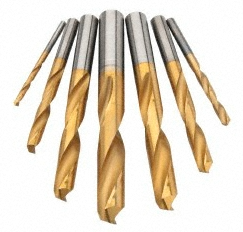
Tungsten carbide drill bits are indispensable tools in industries ranging from aerospace and automotive manufacturing to construction and mining. Known for their exceptional hardness, heat resistance, and durability, these bits outperform traditional high-speed steel (HSS) counterparts in demanding applications. However, their cost varies significantly based on factors such as material composition, design complexity, brand reputation, and intended use. This guide explores the pricing landscape of tungsten carbide drill bits, highlights leading brands and models, and analyzes the key drivers of cost differences. For purchasing options, visit http://xiangriyang.com, a trusted platform for industrial tools.
1. Understanding Tungsten Carbide Drill Bits: Composition and Advantages
Tungsten carbide (WC) is a compound of tungsten and carbon, renowned for its hardness (second only to diamond) and resistance to wear and high temperatures. When used in drill bits, WC is typically bonded with cobalt (Co) to create a cemented carbide matrix, balancing hardness with toughness. This combination allows carbide drill bits to:
- Maintain sharpness longer: WC bits resist abrasion and deformation, reducing the need for frequent replacements.
- Withstand high-speed drilling: They operate efficiently at elevated cutting speeds without overheating.
- Cut hard materials: WC bits excel in drilling steel, stainless steel, cast iron, titanium alloys, and even non-metals like composites and ceramics.
- Improve precision: Their rigidity minimizes deflection, ensuring accurate hole placement and dimensions.
These advantages justify their higher upfront cost compared to HSS bits, which are more prone to wear and require frequent sharpening or replacement.
2. Pricing Factors for Tungsten Carbide Drill Bits
The cost of a tungsten carbide drill bit depends on several interrelated factors:
2.1 Material Grade and Composition
- Cobalt Content: Higher cobalt percentages (e.g., 8% vs. 5%) improve toughness but reduce hardness. Bits with balanced compositions (e.g., 6% Co) are versatile and moderately priced, while specialized grades (e.g., 12% Co for shock-resistant applications) command a premium.
- Carbide Purity: High-purity WC grains (e.g., submicron-sized) enhance wear resistance but increase manufacturing costs.
- Coatings: Some bits feature coatings like titanium nitride (TiN), titanium aluminum nitride (TiAlN), or polycrystalline diamond (PCD) to further reduce friction and extend tool life. Coated bits cost 20–50% more than uncoated ones.
2.2 Design and Geometry
- Flute Design: Spiral flutes improve chip evacuation in deep-hole drilling but are more complex to manufacture. Straight-flute bits are simpler and cheaper but less efficient.
- Point Angle: Acute angles (e.g., 118°) are ideal for soft materials, while obtuse angles (e.g., 135°) suit hard materials. Custom angles increase costs.
- Coolant Holes: Bits with internal coolant channels (for lubrication and cooling) are pricier but critical for high-speed machining.
2.3 Brand and Manufacturing Quality
- Premium Brands: Established brands like Kennametal, Sandvik Coromant, and Mitsubishi Materials invest heavily in R&D, quality control, and precision engineering, reflecting higher prices.
- Economy Brands: Lesser-known manufacturers may offer lower-cost alternatives, but their bits may lack consistency in hardness or cobalt distribution, affecting performance.
2.4 Quantity and Packaging
- Bulk Purchases: Buying drill bits in sets (e.g., 10–50 pieces) often reduces the per-unit cost compared to individual purchases.
- Customization: Custom-designed bits (e.g., non-standard diameters, lengths, or geometries) incur additional tooling and setup fees, raising prices.
3. Leading Brands and Models of Tungsten Carbide Drill Bits
Below are some of the most reputable brands and their flagship models, along with approximate price ranges (USD) for standard sizes (e.g., 1/4″ diameter, 3″ length). Prices may vary based on region, retailer, and quantity.
3.1 Kennametal
Kennametal is a global leader in metalworking tools, known for its innovative carbide grades and advanced geometries.
- Model: H70A General-Purpose Drill Bit
- Features: 6% cobalt content, spiral flutes, 135° split point for reduced walking.
- Applications: Drilling steel, stainless steel, and cast iron.
- Price Range: 15–25 per bit (individual); 120–180 per 10-pack.
- Model: H40SF Deep-Hole Drill Bit
- Features: Coolant-through design, parabolic flutes for efficient chip evacuation.
- Applications: Drilling depths up to 10x diameter in tough alloys.
- Price Range: 30–45 per bit (individual); 250–350 per 5-pack.
3.2 Sandvik Coromant
Sandvik Coromant specializes in high-performance cutting tools, including carbide drill bits with optimized geometries.
- Model: CoroDrill 860
- Features: TiAlN coating, 140° point angle, and reinforced cutting edges for high-speed drilling.
- Applications: Aerospace alloys, titanium, and heat-resistant superalloys.
- Price Range: 25–35 per bit (individual); 200–300 per 10-pack.
- Model: CoroDrill 430
- Features: Straight flutes, 118° point angle, and cost-effective design for general-purpose use.
- Applications: Mild steel, aluminum, and non-ferrous metals.
- Price Range: 10–18 per bit (individual); 80–120 per 10-pack.
3.3 Mitsubishi Materials
Mitsubishi Materials is renowned for its ultra-hard carbide grades and precision-engineered tools.
- Model: MPX Solid Carbide Drill
- Features: Submicron WC grains, 8% cobalt, and a polished flute surface for reduced friction.
- Applications: High-precision drilling in hardened steel (up to 50 HRC).
- Price Range: 40–60 per bit (individual); 350–500 per 5-pack.
- Model: MSTAR Convertible Drill
- Features: Modular design with replaceable carbide tips, reducing long-term costs.
- Applications: High-volume production drilling in mixed materials.
- Price Range: 50–70 per bit (base + tip set); 400–600 per 5-pack.
3.4 OSG
OSG is a Japanese manufacturer known for its high-quality carbide tools and innovative coatings.
- Model: EX-SUS Drill for Stainless Steel
- Features: Unique flute geometry for chip breaking, TiN coating, and 130° point angle.
- Applications: Drilling stainless steel and other sticky materials.
- Price Range: 20–30 per bit (individual); 160–240 per 10-pack.
- Model: ADO-TRS Coolant-Through Drill
- Features: Internal coolant channels, 140° point angle, and high-pressure coolant compatibility.
- Applications: High-speed drilling in difficult-to-machine alloys.
- Price Range: 35–50 per bit (individual); 300–450 per 5-pack.
3.5 Walter (Walter Tools)
Walter Tools, a German brand, offers a wide range of carbide drill bits with advanced geometries for specific applications.
- Model: Prototyp Standard Solid Carbide Drill
- Features: 118° point angle, straight flutes, and economical design for general use.
- Applications: Drilling mild steel, aluminum, and plastics.
- Price Range: 8–15 per bit (individual); 70–120 per 10-pack.
- Model: Prototyp MAX Performance Drill
- Features: TiAlN coating, 140° point angle, and reinforced cutting edges for high-speed drilling.
- Applications: Drilling hardened steel (up to 45 HRC) and superalloys.
- Price Range: 25–40 per bit (individual); 200–300 per 10-pack.
4. Cost Comparison: Tungsten Carbide vs. High-Speed Steel (HSS) Drill Bits
To contextualize the pricing of tungsten carbide drill bits, it’s helpful to compare them to HSS alternatives:
While tungsten carbide bits are more expensive upfront, their longer tool life and higher productivity often result in lower total cost of ownership (TCO) over time, especially in industrial settings.
5. Where to Buy Tungsten Carbide Drill Bits
For reliable access to high-quality tungsten carbide drill bits, consider the following options:
- Industrial Suppliers: Distributors like MSC Industrial Supply, Grainger, and McMaster-Carr offer a wide selection of brands and models.
- Online Marketplaces: Platforms like http://xiangriyang.com, Amazon Business, and Alibaba provide competitive pricing and bulk discounts.
- Manufacturer Websites: Direct purchases from brands like Kennametal, Sandvik Coromant, and Mitsubishi Materials ensure authenticity and access to technical support.
- Local Tooling Shops: Specialty stores catering to machinists and metalworkers may carry premium brands and offer customization services.
When purchasing, verify the bit’s specifications (e.g., diameter, length, point angle) and ensure compatibility with your drilling equipment. For bulk orders, request quotes from multiple suppliers to secure the best pricing.
6. Conclusion: Balancing Cost and Performance
Tungsten carbide drill bits represent a significant investment but deliver unmatched performance in demanding applications. Their cost varies widely based on material grade, design complexity, brand reputation, and quantity purchased. By understanding these factors and comparing offerings from leading manufacturers like Kennametal, Sandvik Coromant, and Mitsubishi Materials, buyers can select the right bits for their needs while optimizing cost-efficiency. For trusted purchasing options, explore http://xiangriyang.com and other reputable suppliers to ensure quality and reliability in your industrial operations.



