Through-wall drilling is a critical operation in construction, industrial maintenance, and specialized engineering applications, requiring drill bits capable of penetrating thick concrete, masonry, or steel structures while maintaining precision and durability. The ideal length of a through-wall drill bit depends on several factors, including the thickness of the material to be drilled, the type of drill (corded or cordless), the power output of the drilling equipment, and the specific application requirements. This article provides an in-depth analysis of the optimal length ranges for through-wall drill bits, evaluates leading brands and models, and discusses technical specifications that influence performance.
1. Factors Influencing the Ideal Length of a Through-Wall Drill Bit
1.1 Material Thickness and Drilling Depth
The primary determinant of drill bit length is the thickness of the wall or structure to be penetrated. For residential applications, such as drilling through standard concrete walls (4–12 inches thick), drill bits ranging from 6 to 18 inches are typically sufficient. In commercial or industrial settings, where walls may exceed 24 inches (e.g., reinforced concrete in high-rise buildings or underground infrastructure), longer bits—up to 36 inches or more—are required.
1.2 Drill Type and Power Output
Corded drills, such as the Milwaukee® MX FUEL™ series, offer higher torque and sustained power, enabling the use of longer drill bits without compromising performance. Cordless drills, while more portable, may struggle with bits exceeding 24 inches due to limited battery capacity and torque. For example, the Milwaukee® 2″ DIAMOND ULTRA™ Wet Core Bit (Model 48-17-5020) is designed for corded drills and can drill up to 16 inches deep, making it suitable for medium-thickness walls.
1.3 Application-Specific Requirements
- Utility Installations: Drilling for electrical conduits or plumbing pipes may require shorter bits (6–12 inches) to avoid damaging hidden infrastructure.
- Structural Modifications: Creating openings for windows or doors in thick concrete walls necessitates longer bits (24–36 inches) to ensure complete penetration.
- Specialized Engineering: In mining or tunneling, ultra-long bits (48+ inches) may be used for exploratory drilling or rock sampling.
2. Leading Brands and Models of Through-Wall Drill Bits
2.1 Milwaukee® Diamond Ultra™ Wet Core Bits
Milwaukee® is a renowned manufacturer of high-performance drilling tools, and its Diamond Ultra™ Wet Core Bits are industry leaders for through-wall applications.
- Model 48-17-5020 (2″ Diameter):
- Length: 2 inches (bit body) + 16-inch drilling depth capability.
- Features:
- Top-quality diamond coating for faster drilling and extended runtime (up to 20% longer than previous generations).
- Thin kerf and segmented diamond rim for efficient cutting through concrete, rebar, and solid steel.
- Laser-welded construction for durability in tough applications.
- Compatible with MX FUEL™ Core Drills and corded core drills (1-1/4″-7 thread).
- Applications: Ideal for drilling holes in concrete walls for electrical conduits, plumbing pipes, or anchor bolts.
- Model 48-17-5040 (4″ Diameter):
- Length: 4 inches (bit body) + 24-inch drilling depth capability.
- Features:
- Larger diameter for creating larger openings (e.g., for HVAC ducts or structural modifications).
- Same diamond coating and segmented rim design as the 2″ model.
- Compatible with high-torque corded drills for deep penetration.
- Applications: Suitable for commercial construction projects requiring larger through-wall openings.
2.2 Bosch® SDS-Max® Carbide-Tipped Masonry Drill Bits
Bosch® is another leading brand in the drilling industry, known for its robust carbide-tipped masonry bits.
- Model HC500 (1-1/2″ Diameter, 24″ Length):
- Features:
- Carbide-tipped design for drilling through concrete, brick, and block.
- SDS-Max® shank for secure attachment to rotary hammers.
- Optimized flute geometry for efficient debris removal.
- Applications: General-purpose through-wall drilling in residential and light commercial construction.
- Model HC800 (2″ Diameter, 36″ Length):
- Features:
- Extra-long length for drilling through thick concrete walls or floors.
- Reinforced carbide tip for extended life in abrasive materials.
- Compatible with heavy-duty rotary hammers (e.g., Bosch® BH2760VC).
- Applications: Industrial projects, such as drilling for large-diameter pipes or structural anchors.
2.3 Hilti® Diamond Core Bits
Hilti® specializes in high-precision drilling tools for demanding applications.
- Model DD-EC 2 (2″ Diameter, 18″ Length):
- Features:
- Diamond-coated core bit for fast, clean drilling in reinforced concrete.
- Integrated water channel for wet drilling to reduce dust and heat buildup.
- Compatible with Hilti® DD 350-CA and DD 500-CA core drills.
- Applications: Precision drilling for electrical or plumbing installations in high-rise buildings.
- Model DD-EC 4 (4″ Diameter, 30″ Length):
- Features:
- Larger diameter for creating openings for HVAC ducts or large-diameter pipes.
- Same diamond coating and water channel design as the 2″ model.
- Compatible with Hilti® heavy-duty core drills.
- Applications: Industrial construction projects requiring deep, large-diameter holes.
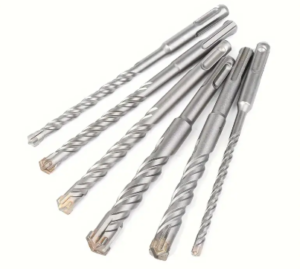
3. Technical Specifications and Performance Considerations
3.1 Bit Material and Coating
- Diamond-Coated Bits: Offer superior durability and cutting efficiency in hard materials like concrete and rebar. Milwaukee® and Hilti® diamond core bits are ideal for high-performance applications.
- Carbide-Tipped Bits: More affordable and suitable for general-purpose masonry drilling. Bosch® SDS-Max® bits are a popular choice for residential and light commercial projects.
3.2 Thread Type and Compatibility
- 1-1/4″-7 Thread: Common for larger-diameter core bits (2″ and above), ensuring secure attachment to heavy-duty drills.
- 5/8″-11 Thread: Used for smaller-diameter bits (up to 1-1/2″), compatible with standard corded and cordless drills.
3.3 Wet vs. Dry Drilling
- Wet Drilling: Reduces dust and heat buildup, extending bit life and improving cutting efficiency. Milwaukee® Diamond Ultra™ and Hilti® DD-EC bits are designed for wet use.
- Dry Drilling: Suitable for quick, shallow holes in non-abrasive materials but generates more dust and heat, reducing bit life.
3.4 Drill Speed and Torque
- High-Speed Drills: Require bits with optimized flute geometry (e.g., Milwaukee® Diamond Ultra™) to prevent overheating.
- High-Torque Drills: Necessary for longer bits (24+ inches) to maintain penetration force through thick materials.
4. Application-Specific Recommendations
4.1 Residential Construction
- Optimal Bit Length: 6–12 inches.
- Recommended Models:
- Milwaukee® 2″ DIAMOND ULTRA™ Wet Core Bit (for electrical conduits).
- Bosch® HC500 (1-1/2″ diameter, 24″ length) for deeper holes in thick walls.
4.2 Commercial Construction
- Optimal Bit Length: 18–24 inches.
- Recommended Models:
- Hilti® DD-EC 2 (2″ diameter, 18″ length) for precision drilling.
- Milwaukee® 4″ DIAMOND ULTRA™ Wet Core Bit (for large-diameter openings).
4.3 Industrial and Heavy-Duty Applications
- Optimal Bit Length: 30–36 inches or more.
- Recommended Models:
- Bosch® HC800 (2″ diameter, 36″ length) for thick concrete walls.
- Hilti® DD-EC 4 (4″ diameter, 30″ length) for HVAC duct installations.
5. Conclusion: Selecting the Ideal Through-Wall Drill Bit
The ideal length of a through-wall drill bit depends on the specific requirements of the application, including material thickness, drill type, and desired hole size. For residential projects, shorter bits (6–12 inches) are sufficient, while commercial and industrial applications may require longer bits (18–36 inches) for deep penetration. Leading brands like Milwaukee®, Bosch®, and Hilti® offer a range of high-performance models designed for durability, precision, and efficiency.
When selecting a drill bit, consider the following key factors:
- Material Type: Choose diamond-coated bits for hard materials like concrete and rebar.
- Drill Compatibility: Ensure the bit’s thread type matches your drill’s chuck or adapter.
- Wet/Dry Drilling: Opt for wet drilling bits to reduce dust and extend bit life.
- Application Depth: Select a bit length that exceeds the wall thickness by at least 2–4 inches to ensure complete penetration.
By carefully evaluating these factors and choosing a reputable brand and model, you can ensure optimal performance and longevity for your through-wall drilling projects.



