Specifications
Spade drills vary in size and design to accommodate different applications. Key specifications include:
- Diameter Range:
- Typically ranges from 6 mm (1/4 inch) to 40 mm (1.5 inches) or larger, depending on the manufacturer and application.
- Some industrial-grade spade drills can reach diameters exceeding 100 mm (4 inches).
- Shank Type:
- Hex Shank: Common for handheld drills, providing better grip and torque transfer.
- Round Shank: Used in drill presses and CNC machines for precise alignment.
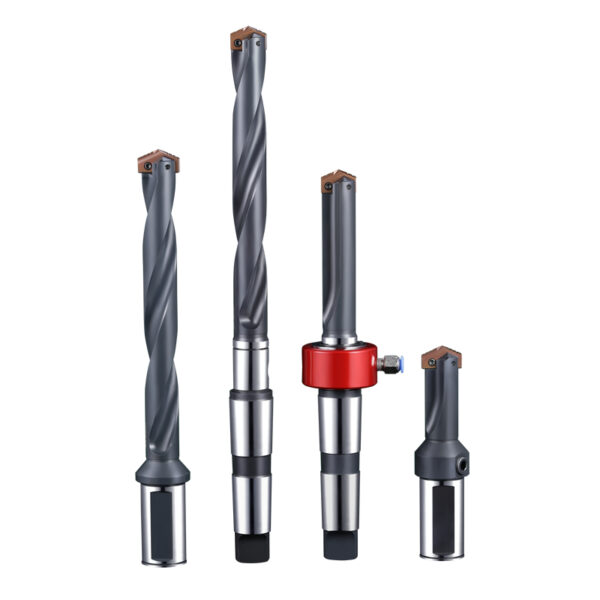
- Morse Taper Shank: Designed for heavy-duty applications in lathes and milling machines.
- Material:
- High-Speed Steel (HSS): Suitable for general-purpose drilling in wood and soft metals.
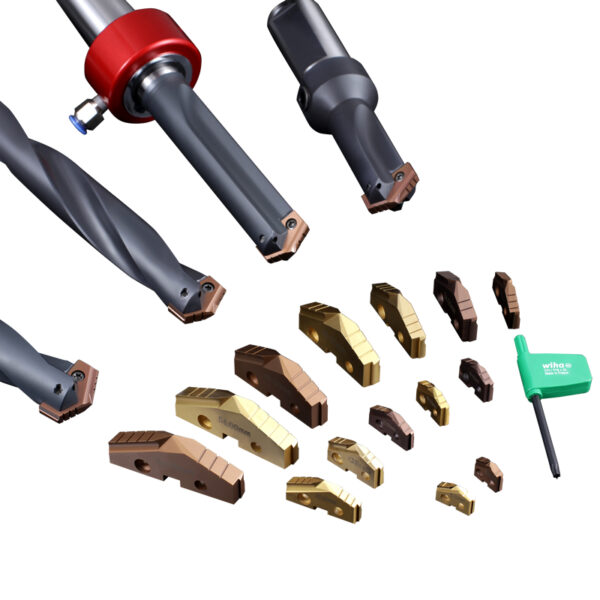
- Carbide-Tipped: Ideal for drilling hard materials like stainless steel, cast iron, and composites.
- Powder Metallurgy (PM) HSS: Offers enhanced wear resistance and durability for high-volume production.
- Flute Design:
- Straight Flutes: Common in spade drills, facilitating chip removal and reducing heat buildup.
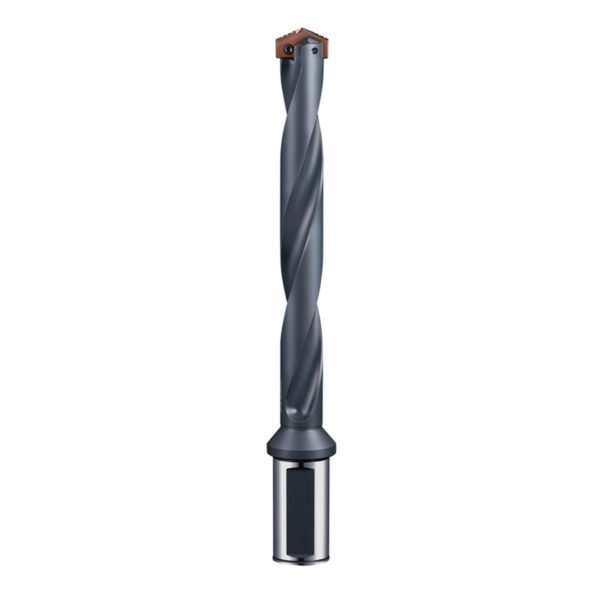
- Spiral Flutes: Used in some advanced designs to improve chip evacuation and reduce drilling force.
- Cutting Edge:
- Single-Cutting Edge: Simple design for basic drilling tasks.
- Double-Cutting Edge: Provides balanced cutting forces, reducing vibration and improving hole quality.
- Coating:
- Bright (Uncoated): Suitable for general-purpose use.
- TiN (Titanium Nitride): Enhances wear resistance and reduces friction.
- TiAlN (Titanium Aluminum Nitride): Ideal for high-speed drilling in hard materials.
Applications
Spade drills are widely used in various industries and applications, including:
- Woodworking:
- Drilling large-diameter holes in furniture, cabinetry, and wooden structures.
- Creating holes for dowels, pipes, and electrical conduits.
- Metalworking:
- Drilling holes in steel plates, aluminum profiles, and other metal components.
- Used in automotive, aerospace, and construction industries for fabricating metal parts.
- CNC Machining:
- Integrated into CNC drilling machines for high-precision, automated hole-making.
- Suitable for mass production of components with consistent hole sizes and depths.
- Construction and Infrastructure:
- Drilling holes in concrete, masonry, and other building materials for anchoring bolts and pipes.
- Used in bridge construction, shipbuilding, and railway projects for creating large-diameter openings.
- DIY and Home Improvement:
- Popular among hobbyists and DIY enthusiasts for tasks like installing shelves, hanging fixtures, and running wires.
- Often used with handheld drills for quick and easy hole-making.
Functions
The primary function of a spade drill is to create large-diameter holes efficiently and accurately. Its key functions include:
- High-Efficiency Drilling:
- The wide cutting edge allows for rapid material removal, reducing drilling time compared to twist drills.
- Suitable for high-volume production where speed and consistency are critical.
- Versatility:
- Can be used on a variety of materials, including wood, metal, plastics, and composites.
- Adaptable to different drilling machines, from handheld drills to CNC machines.
- Deep-Hole Drilling:
- Some spade drills are designed for deep-hole applications, with long flutes and specialized coatings to facilitate chip evacuation and reduce heat buildup.
- Capable of drilling holes with a depth-to-diameter ratio of up to 20:1 or more.
- Precision and Consistency:
- When used with CNC machines or drill presses, spade drills can produce holes with tight tolerances and minimal deviation.
- Suitable for applications requiring high precision, such as aerospace and medical device manufacturing.
- Cost-Effectiveness:
- Spade drills are generally more affordable than specialized drill bits like step drills or center drills.
- Their durability and versatility make them a cost-effective choice for both small-scale and industrial applications.
Only logged in customers who have purchased this product may leave a review.


Reviews
There are no reviews yet.