Our Location
304 North Cardinal St.
Dorchester Center, MA 02124

304 North Cardinal St.
Dorchester Center, MA 02124

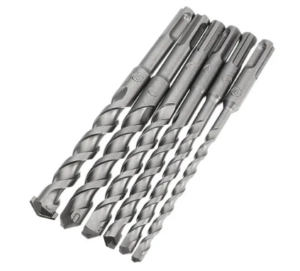
Electric hammer drill bits are specialized cutting tools designed to work in tandem with hammer drills, combining rotational force with rapid percussive action to penetrate hard materials like concrete, masonry, brick, and stone. These bits are engineered with precision, using high-grade materials to ensure durability, efficiency, and safety. The diversity of electric hammer drill bit models reflects the varying demands of construction, renovation, and industrial applications, where different materials and job complexities require tailored solutions. This guide explores the most prominent models, brands, and their technical specifications, performance insights, and ideal use cases.
Electric hammer drill bits can be broadly categorized based on their design, material composition, and intended application. Each type offers distinct advantages and limitations, making them suitable for specific tasks. Below are the primary categories:
Description: Combination bits are versatile tools designed to work with both hammer drills and standard drill drivers. They feature a universal shank that fits into standard chucks, making them ideal for mixed-material job sites where transitioning between wood, metal, and masonry is common.
Brands and Models:
Advantages:
Limitations:
Best For: General contractors, electricians, and DIY projects involving mixed materials.
Description: Concrete bits are engineered for maximum durability and impact resistance, featuring thick reinforced cores, wide flutes, and industrial-grade carbide tips. These bits are designed to handle the toughest drilling conditions, including reinforced concrete and thick slabs.
Brands and Models:
Advantages:
Limitations:
Best For: Heavy-duty concrete drilling, structural work, foundations, and slabs.
Description: Masonry bits are optimized for drilling into brick, stone, tile, and mortar joints. They feature a narrow tip for precise hole placement and a balanced design that ensures effective penetration without cracking the surrounding material.
Brands and Models:
Advantages:
Limitations:
Best For: Drilling into brick walls, stone veneers, and tile installations.
Description: Ground rod bits are specialized tools designed for deep, straight drilling, often up to 24 inches or more. They are used to install grounding rods, rebar, or anchor bolts in concrete or masonry, requiring a reinforced tip and a sturdy design to maintain integrity at depth.
Brands and Models:
Advantages:
Limitations:
Best For: Electrical installations, structural anchoring, and deep drilling in concrete or masonry.
Description: SDS-Plus and SDS-Max bits are designed for use with rotary hammer drills featuring corresponding chuck systems. These bits have grooved shanks that lock into place, allowing for maximum hammer energy transfer and reducing bit slippage during operation.
Brands and Models:
Advantages:
Limitations:
Best For: Commercial construction, heavy masonry, and long-duration drilling tasks.
Several brands have established themselves as leaders in the electric hammer drill bit market, each offering unique innovations and high-quality products. Below are some of the most prominent brands and their contributions:
Overview: Hilti is a globally recognized leader in professional power tools, known for its high-performance hammer drills and bits. The brand focuses on precision, durability, and efficiency, catering to construction, industrial, and heavy-duty applications.
Key Innovations:
Overview: Bosch is synonymous with innovation and durability in the power tool industry. The brand offers a wide range of electric hammer drill bits, from versatile combination bits to heavy-duty concrete bits, catering to both professionals and DIY enthusiasts.
Key Innovations:
Overview: DeWalt is a trusted name in construction and industrial tools, offering a comprehensive range of electric hammer drill bits designed for performance and reliability. The brand focuses on user-friendly designs and durable materials, making its bits a favorite among professionals.
Key Innovations:
Overview: Makita is known for its high-quality power tools and accessories, offering a range of electric hammer drill bits designed for precision and durability. The brand caters to both professionals and DIY enthusiasts, providing versatile solutions for various applications.
Key Innovations:
Overview: Milwaukee is a leader in heavy-duty power tools, offering a range of electric hammer drill bits designed for performance and reliability in demanding conditions. The brand focuses on innovation and user-friendly designs, making its bits a favorite among contractors and professionals.
Key Innovations:
To maximize the efficiency and lifespan of electric hammer drill bits, it is essential to follow best practices and understand their performance characteristics. Below are some key insights and tips:
Choosing the right bit for the material is crucial for optimal performance. For example, using a concrete bit on soft brick may lead to unnecessary wear, while using a masonry bit on reinforced concrete may result in slow drilling and potential bit failure. Always refer to the manufacturer’s recommendations and select a bit designed for the specific material you are drilling.
The speed at which you operate your hammer drill can significantly impact the bit’s performance and lifespan. Higher speeds are generally better for soft materials like wood or drywall, while lower speeds are ideal for hard materials like concrete or stone. Refer to the bit’s specifications and the drill’s user manual for recommended speed settings.
Applying steady, even pressure during drilling helps maintain bit stability and prevents overheating. Avoid forcing the bit into the material, as this can lead to excessive wear, motor strain, and potential bit failure. Let the drill’s hammering action do the work, and use a firm grip to keep the bit aligned.
Overheating is a common cause of bit failure, especially during prolonged use in tough materials. To keep the bit cool, periodically withdraw it from the hole to allow debris to clear and air to circulate. Some professionals use water or a cooling lubricant to further reduce heat buildup, though this may not be practical in all situations.
Drilling into concrete or masonry generates significant amounts of dust, which can be harmful to inhale and may also clog the bit’s flutes, reducing its efficiency. Whenever possible, use a dust extraction system or wear a respirator to protect your lungs. Some modern hammer drills come with built-in dust extraction ports, making this process more convenient.
Proper storage helps maintain the bit’s sharpness and prevents damage. Store bits in a dry, cool place, away from moisture and extreme temperatures. Using a dedicated bit holder or case can help keep them organized and prevent accidental damage.
Even the highest-quality bits will eventually wear out, especially when used frequently in tough materials. Worn bits are less efficient, may produce inaccurate holes, and are more likely to fail, potentially causing injury or damage to the drill. Regularly inspect your bits for signs of wear, such as a dulled tip or chipped edges, and replace them as needed.
Electric hammer drill bits are essential tools for construction, renovation, and industrial applications, offering a range of models designed to handle specific materials and job complexities. From versatile combination bits to heavy-duty concrete bits, each type provides distinct advantages and limitations, making it crucial to select the right bit for the task at hand. Brands like Hilti, Bosch, DeWalt, Makita, and Milwaukee have established themselves as leaders in the market, offering high-quality bits with innovative features that enhance performance and durability.
By understanding the different types of electric hammer drill bits, their technical specifications, and best practices for use, professionals and DIY enthusiasts alike can maximize efficiency, minimize wear, and ensure clean, accurate holes in even the toughest materials. Whether you’re drilling into concrete for a structural anchor or installing electrical conduits in a brick wall, the right bit can make all the difference in the success and safety of your project.

