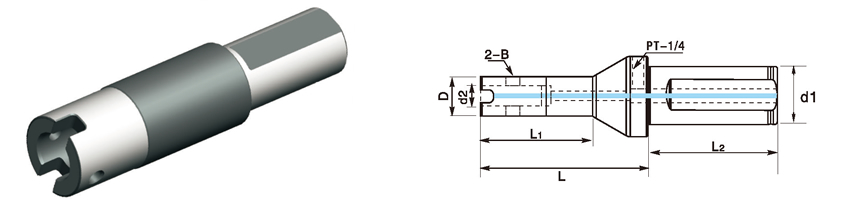
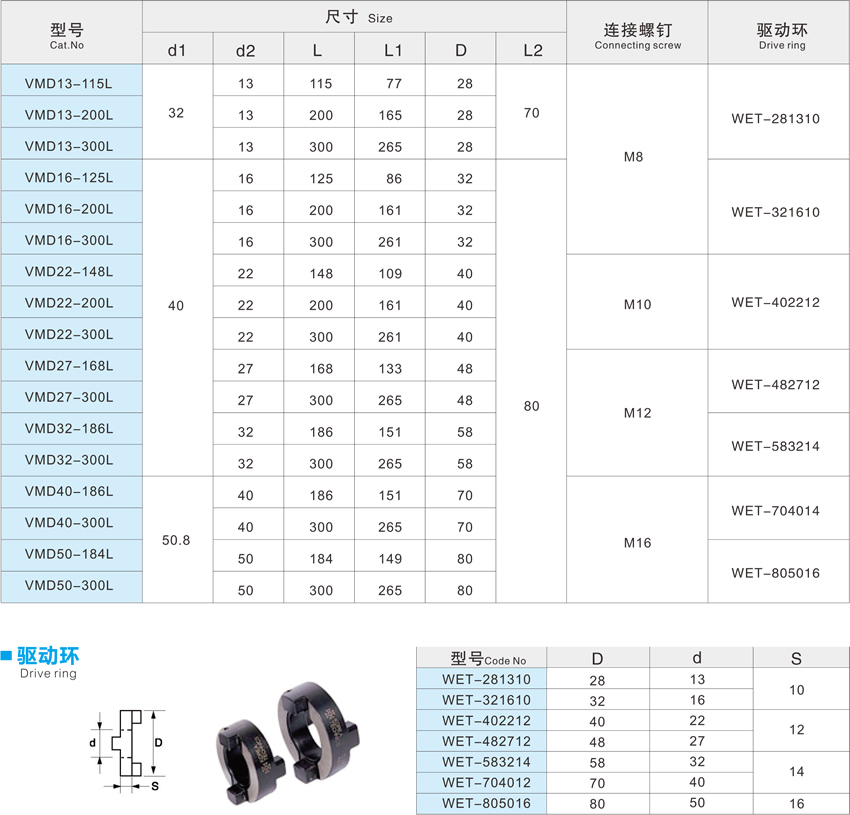
VMD connecting tool rod

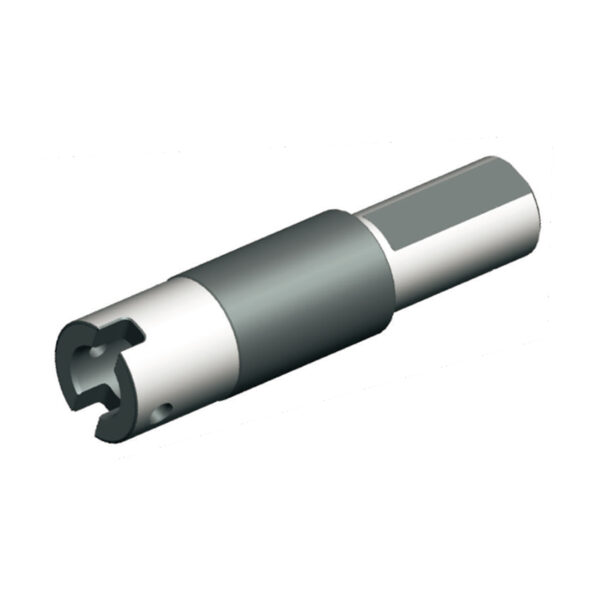
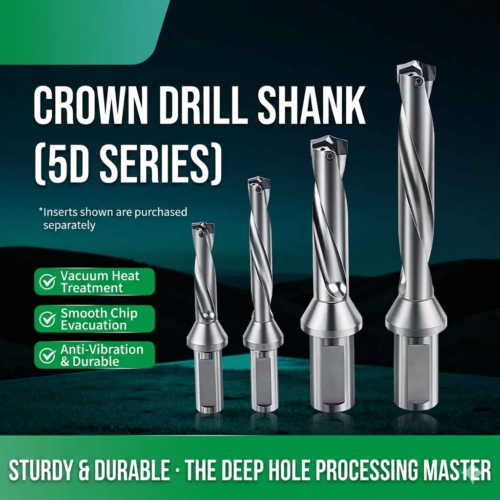
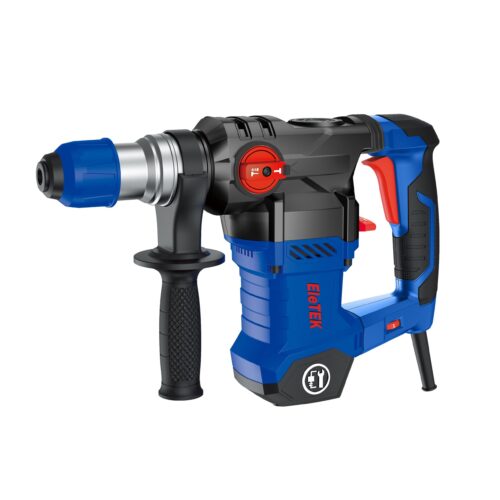
The VMD Connecting Tool Rod is a precision-engineered mechanical component widely used in industrial tooling systems, particularly in drilling, machining, and construction applications. It serves as an intermediate connector between power tools (such as drills, rotary hammers, or impact drivers) and working attachments like drill bits, augers, or cutting heads. The abbreviation “VMD” is commonly associated with specific connection standards or proprietary design systems used by manufacturers to ensure compatibility, stability, and efficient torque transmission. This type of connecting rod is essential in extending reach, improving flexibility, and enabling modular tool configurations in professional and industrial environments.

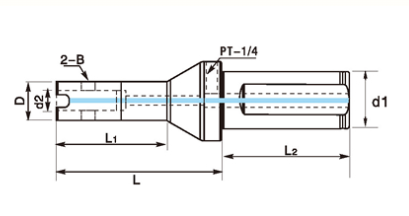
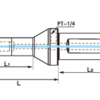
A VMD Connecting Tool Rod is typically constructed from high-strength alloy steel or hardened carbon steel to withstand heavy-duty operations. The rod features precision-machined connection ends designed to fit securely into both the driving tool and the working accessory. One end usually includes a shank or coupling interface (such as SDS, hex, or threaded connection), while the opposite end is designed to receive drill bits or other attachments.

The surface of the rod is often treated with anti-corrosion coatings such as black oxide, nickel plating, or chrome plating to enhance durability and resistance to wear. In high-performance applications, heat treatment processes such as quenching and tempering are applied to increase hardness and fatigue resistance.

The internal structure may include solid or hollow designs depending on the application. Hollow rods are often used for deep drilling or dust extraction systems, while solid rods provide maximum strength and rigidity for heavy-duty tasks. Some advanced VMD rods incorporate vibration reduction features to improve operator comfort and precision.
Guaranteed Safe Checkout
Extra Features
  • Premium Quality
  • Secure Payments
  • Satisfaction Guarantee
  • Worldwide Shipping
  • Money Back Guarantee

Parameter Specifications

  1. Material:
    • Stainless Steel (e.g., 304, 316 grades for corrosion resistance)
    • Aluminum Alloy (e.g., 6061-T6 for lightweight and high strength)
    • Carbon Fiber Composite (for ultra-lightweight and high-stiffness applications)
  2. Dimensions:
    • Length: Customizable (typically ranges from a few centimeters to several meters)
    • Diameter: Varies based on load requirements (e.g., 6mm to 50mm or larger)
    • Tolerance: ±0.01mm to ±0.1mm (depending on precision grade)
  3. Surface Finish:
    • Anodized (for aluminum alloys)
    • Polished (for stainless steel)
    • Matte or Glossy Coating (for aesthetic and functional purposes)
  4. Load Capacity:
    • Tensile Strength: Up to several hundred MPa (depending on material)
    • Compressive Strength: High, suitable for heavy-duty applications
    • Torsional Rigidity: Ensures minimal twisting under torque
  5. Connection Types:
    • Threaded Ends (for screw-in connections)
    • Quick-Release Mechanisms (for rapid assembly/disassembly)
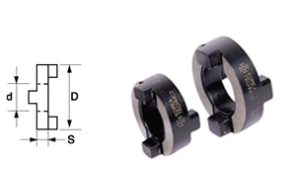
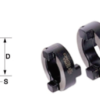
    • Clamping Collars (for adjustable positioning)
  6. Temperature Resistance:
    • Operational Range: -40°C to +200°C (varies with material)

Application Scenarios

  1. Robotics:
    • Used to connect robotic arms, end-effectors, and grippers, ensuring precise movement and force transmission.
    • Ideal for collaborative robots (cobots) where safety and accuracy are paramount.
  2. Automation & CNC Machining:
    • Connects tool holders, spindles, and workpieces in CNC milling, turning, and grinding machines.
    • Facilitates quick tool changes and reduces setup time.
  3. Aerospace Engineering:
    • Employed in the assembly of aircraft components, such as wings, fuselage sections, and control surfaces.
    • Ensures alignment and stability during high-vibration flight conditions.
  4. Medical Devices:
    • Used in surgical robots and precision instruments where sterile conditions and minimal deformation are critical.
    • Connects various modules in diagnostic and therapeutic equipment.
  5. Research & Development:
    • Essential in prototype building and experimental setups where modular and adjustable connections are needed.
    • Supports the testing of new mechanical designs and materials.

Function & Role

The primary function of the VMD Connecting Tool Rod is to provide a reliable and precise connection between mechanical components, enabling them to work together seamlessly. Its role encompasses:

  • Alignment: Ensuring that connected parts are perfectly aligned, reducing wear and tear and improving overall system performance.
  • Force Transmission: Efficiently transferring forces between components without significant loss or distortion, maintaining system integrity under load.
  • Stability: Providing a rigid connection that minimizes vibrations and movements, crucial for high-precision applications.
  • Modularity: Allowing for easy customization and reconfiguration of mechanical systems, facilitating rapid prototyping and adaptation to changing requirements.
  • Durability: Withstanding harsh environmental conditions and repeated use without degradation, ensuring long-term reliability and cost-effectiveness.

Reviews

There are no reviews yet.

Only logged in customers who have purchased this product may leave a review.