Our Location
304 North Cardinal St.
Dorchester Center, MA 02124

304 North Cardinal St.
Dorchester Center, MA 02124

Tungsten Carbide Drill Bit Speed and Feed Parameters: A Comprehensive Guide with Brand, Model, and Application Details
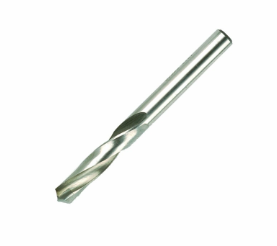
Tungsten carbide drill bits stand as the cornerstone of precision drilling across industries ranging from aerospace and automotive manufacturing to construction, metalworking, and woodworking, owing to their exceptional hardness, wear resistance, and ability to maintain cutting edges at high temperatures compared to traditional high-speed steel (HSS) drill bits. The performance of these drill bits, however, is not solely dependent on their material composition; it is critically determined by the correct selection of cutting speed and feed rate—two interrelated parameters that dictate tool life, hole quality, drilling efficiency, and overall operational costs. Cutting speed, measured in surface feet per minute (SFM) or meters per minute (m/min), refers to the speed at which the drill bit’s cutting edge moves relative to the workpiece surface, while feed rate, expressed in inches per revolution (IPR) or millimeters per revolution (mm/rev), represents the distance the drill bit advances into the workpiece with each full rotation. Incorrect speed and feed settings can lead to a cascade of issues: excessively high speeds cause rapid tool wear, edge chipping, and workpiece overheating, which may result in material deformation or poor hole finish; conversely, overly low speeds reduce productivity and can cause the drill bit to rub against the workpiece instead of cutting, leading to dulling and increased torque requirements. Similarly, feed rates that are too high can cause the drill bit to break, especially in brittle materials, while insufficient feed rates lead to ineffective chip evacuation, re-cutting of chips, and accelerated tool degradation. To fully leverage the capabilities of tungsten carbide drill bits, it is essential to understand the factors influencing speed and feed parameters, including workpiece material, drill bit size, tool geometry, coolant usage, and machine tool rigidity, as well as to reference the specific recommendations provided by leading drill bit manufacturers for their respective models. In this comprehensive guide, we will delve into the fundamental principles of speed and feed for tungsten carbide drill bits, explore the performance characteristics of top brands and their flagship models, and provide detailed parameter tables tailored to different materials and applications, ensuring that professionals and hobbyists alike can optimize their drilling operations for maximum efficiency and tool longevity.
1. Fundamental Principles of Cutting Speed and Feed Rate for Tungsten Carbide Drill Bits
Before delving into the specific speed and feed parameters for different brands and models, it is crucial to establish a clear understanding of the core concepts governing these parameters and the factors that influence their optimal values. Cutting speed (Vc) is the most critical parameter when it comes to tool life, as it directly impacts the temperature generated at the cutting interface—tungsten carbide, while heat-resistant, has a threshold beyond which its hardness and toughness decline rapidly, leading to premature wear. The general formula for calculating cutting speed is Vc = (π × D × N) / 1000 (for m/min) or Vc = (π × D × N) / 12 (for SFM), where D is the drill bit diameter in millimeters (mm) or inches, and N is the spindle speed in revolutions per minute (RPM). This formula illustrates that for a given drill bit diameter, higher spindle speeds result in higher cutting speeds, but this relationship must be balanced against the workpiece material’s machinability. Feed rate (f), on the other hand, is determined by the desired chip load—the amount of material removed per cutting edge per revolution—and is calculated as F = f × N, where F is the linear feed rate in mm/min or inches per minute (IPM). The chip load is a function of the drill bit’s flute design, number of cutting edges, and the workpiece material’s ductility; for example, ductile materials like aluminum require a higher chip load to produce continuous chips that can be easily evacuated, while brittle materials like cast iron demand a lower chip load to prevent chip fragmentation and re-cutting. Several key factors influence the selection of optimal speed and feed parameters for tungsten carbide drill bits, and ignoring any of these factors can lead to suboptimal performance. First and foremost is the workpiece material’s machinability rating, which is a standardized measure of how easily a material can be cut; materials with a high machinability rating (e.g., free-machining steel, aluminum alloys) allow for higher cutting speeds and feed rates, while materials with a low rating (e.g., titanium alloys, heat-resistant superalloys) require lower speeds to avoid excessive heat generation. Second is the drill bit diameter and length—smaller diameter drill bits (typically less than 3 mm) have lower rigidity and are more prone to deflection, so they require lower speeds and feed rates compared to larger diameter bits; similarly, long-length drill bits (e.g., 10×D or 15×D, where D is the diameter) exhibit increased vibration during drilling, necessitating reduced speeds and feed rates to maintain stability. Third is the tool geometry, including the point angle, helix angle, and flute design; a sharper point angle (e.g., 118° for general-purpose drilling) is suitable for a wide range of materials but may require lower feed rates in hard materials, while a larger point angle (e.g., 135° for stainless steel) distributes cutting forces more evenly, allowing for slightly higher feed rates. The helix angle also plays a critical role: a high helix angle (30°–40°) is ideal for soft, ductile materials as it facilitates chip evacuation, while a low helix angle (10°–20°) is better for hard, brittle materials as it provides increased rigidity at the cutting edge. Fourth is the use of coolant or lubricant—flood cooling, mist cooling, or the application of cutting fluids can significantly reduce cutting temperatures, allowing for higher speeds and feed rates compared to dry drilling; the type of coolant is also important, with synthetic coolants being suitable for high-speed drilling of steel, and oil-based coolants preferred for drilling aluminum to prevent built-up edge (BUE). Finally, machine tool rigidity and spindle power cannot be overlooked; a rigid machine with minimal spindle runout can handle higher speeds and feed rates without vibration, while a less rigid machine may require reduced parameters to avoid chatter, which can damage both the drill bit and the workpiece. By taking all these factors into account, operators can select speed and feed parameters that balance productivity, tool life, and hole quality, and this balance becomes even more critical when working with specific brands and models of tungsten carbide drill bits, each of which is engineered with unique features to optimize performance in particular applications.
2. Top Brands and Models of Tungsten Carbide Drill Bits: Features and Performance Characteristics
The global market for tungsten carbide drill bits is dominated by a handful of leading manufacturers, each renowned for their innovative designs, high-quality materials, and rigorous testing protocols to ensure consistent performance across diverse applications. These brands offer a wide range of models tailored to specific materials, drilling depths, and hole quality requirements, and their speed and feed recommendations are based on extensive research and real-world testing, making them the most reliable source of guidance for operators. Below is a detailed overview of the top brands in the industry, their flagship tungsten carbide drill bit models, key features, and the applications for which they are best suited.
2.1 Sandvik Coromant: Precision Engineering for High-Performance Drilling
Sandvik Coromant, a subsidiary of the Swedish engineering conglomerate Sandvik AB, is a global leader in cutting tools and machining solutions, with a reputation for producing tungsten carbide drill bits that set the standard for precision, durability, and efficiency in the manufacturing sector. The company’s drill bits are engineered using high-quality tungsten carbide grades, including micrograin and ultrafine-grain carbides, which offer superior wear resistance and toughness compared to conventional carbide materials. One of Sandvik Coromant’s most popular flagship models is the CoroDrill 860, a solid carbide drill bit designed for general-purpose drilling in a wide range of materials, including steel, stainless steel, cast iron, aluminum alloys, and non-ferrous metals. The CoroDrill 860 features a unique Inveio coating, a proprietary nanocomposite coating that reduces friction between the drill bit and the workpiece, lowers cutting temperatures, and increases tool life by up to 50% compared to uncoated or TiN-coated drill bits. The drill bit’s geometry includes a 135° split point, which eliminates the need for center drilling and provides self-centering capabilities, reducing walking and ensuring precise hole placement even in curved or slanted surfaces. The flute design of the CoroDrill 860 is optimized for chip evacuation, with deep, polished flutes that prevent chip clogging, even when drilling to depths of up to 5×D (five times the drill bit diameter). For deep-hole drilling applications, Sandvik Coromant offers the CoroDrill 870, a solid carbide drill bit designed for depths of up to 15×D, making it ideal for aerospace and automotive components where long, precise holes are required. The CoroDrill 870 features a reinforced core design that increases rigidity and reduces vibration during drilling, while its Zertivo coating provides enhanced wear resistance in high-temperature applications, such as drilling heat-resistant superalloys (HRSA) like Inconel 718. Another notable model from Sandvik Coromant is the CoroDrill 462, a modular carbide drill bit that combines a carbide cutting head with a steel shank, offering a cost-effective solution for high-volume drilling operations; the modular design allows for easy replacement of the cutting head, reducing tooling costs and downtime. Sandvik Coromant’s drill bits are widely used in aerospace, automotive, and general engineering industries, and the company provides comprehensive speed and feed charts for each model, tailored to specific workpiece materials and drilling depths.
2.2 Kennametal: Innovative Tooling Solutions for Heavy-Duty Applications
Kennametal, a US-based manufacturer of cutting tools and wear-resistant solutions, is another major player in the tungsten carbide drill bit market, known for its focus on innovation and heavy-duty applications that demand exceptional tool durability. Kennametal’s tungsten carbide drill bits are manufactured using advanced powder metallurgy techniques, resulting in carbide grades with uniform grain structures and high fracture toughness, making them suitable for drilling hard materials and high-volume production environments. The company’s flagship solid carbide drill bit model is the HPR250, designed for high-performance drilling in steel, stainless steel, and cast iron. The HPR250 features a KENNA PERFORM™ coating, a multi-layer coating system that combines TiN, TiCN, and Al₂O₃ layers to provide superior wear resistance, oxidation resistance, and lubricity; this coating allows the drill bit to operate at higher cutting speeds without premature failure. The drill bit’s geometry includes a 140° parabolic point, which distributes cutting forces evenly across the cutting edge, reducing stress and extending tool life, while its wide flutes ensure efficient chip evacuation in both dry and wet drilling conditions. For drilling non-ferrous materials like aluminum, magnesium, and copper, Kennametal offers the HPR118, a solid carbide drill bit with a high helix angle (38°) and polished flutes that minimize chip adhesion and prevent built-up edge (BUE), a common issue when drilling soft, ductile materials. The HPR118 features an uncoated or TiN-coated surface, depending on the application, and its 118° point angle is optimized for fast, precise drilling in non-ferrous alloys. Kennametal also caters to the oil and gas industry with its Hammer Drill Bits line, which includes tungsten carbide insert (TCI) drill bits designed for drilling through rock formations and hard soil; these bits feature replaceable carbide inserts that can be easily swapped out when worn, reducing operational costs. In addition to its standard models, Kennametal offers custom tungsten carbide drill bit solutions for specialized applications, such as drilling medical implants or precision aerospace components, where tight tolerances and high tool reliability are critical. Like Sandvik Coromant, Kennametal provides detailed speed and feed recommendations for each of its drill bit models, with parameters adjusted based on workpiece material, drill bit diameter, and drilling depth.
2.3 Walter Tools: German Engineering for Precision and Versatility
Walter Tools, a German manufacturer with over a century of experience in cutting tool production, is renowned for its high-precision tungsten carbide drill bits that excel in both general-purpose and specialized drilling applications. The company’s drill bits are characterized by their meticulous attention to detail, advanced coating technologies, and geometries tailored to specific material groups, making them a favorite among precision machining professionals. Walter Tools’ flagship solid carbide drill bit model is the Walter Titex A3299 Supreme, a versatile drill bit designed for drilling in steel, stainless steel, cast iron, and non-ferrous metals. The A3299 Supreme features a Titanox® coating, a TiAlN-based coating that offers high hardness and oxidation resistance, allowing the drill bit to maintain its cutting edge at temperatures up to 800°C (1472°F). The drill bit’s geometry includes a 135° split point with a self-centering tip, which eliminates walking and ensures accurate hole placement, while its spiral flutes are optimized for chip evacuation in both shallow and deep drilling applications (up to 5×D). For deep-hole drilling up to 10×D, Walter Tools offers the Walter Titex A3300 Supreme, a solid carbide drill bit with a reinforced core and a special flute design that reduces vibration and improves chip flow, even when drilling at high depths. The A3300 Supreme is coated with AlTiN, a coating that provides superior wear resistance in high-speed drilling operations, making it ideal for use in automotive engine components and aerospace parts. Walter Tools also offers a range of step drill bits and countersink drill bits made from tungsten carbide, designed for applications where multiple hole diameters or chamfered edges are required in a single operation. These bits feature the same high-quality carbide grades and coatings as the company’s standard drill bits, ensuring consistent performance and tool life. Walter Tools’ speed and feed recommendations are highly detailed, with separate parameters for different material subgroups (e.g., low-carbon steel, high-carbon steel, austenitic stainless steel) and drill bit diameters, allowing operators to fine-tune their drilling operations for maximum efficiency.
2.4 Guhring: High-Quality Drill Bits for Automotive and General Engineering
Guhring, another German cutting tool manufacturer with a strong presence in the global market, specializes in tungsten carbide drill bits designed for high-volume production environments, particularly in the automotive industry. The company’s drill bits are known for their long tool life, consistent performance, and ability to meet the tight tolerances required in modern manufacturing. Guhring’s flagship solid carbide drill bit model is the Guhring 900 Series, a general-purpose drill bit suitable for drilling in steel, stainless steel, cast iron, and aluminum alloys. The 900 Series features a TiN/TiCN/TiAlN multi-layer coating that provides excellent wear resistance and lubricity, reducing friction and cutting temperatures during high-speed drilling. The drill bit’s geometry includes a 135° split point for self-centering, a parabolic flute design for efficient chip evacuation, and a reinforced shank that increases rigidity and reduces deflection in high-feed applications. For drilling stainless steel and heat-resistant alloys, Guhring offers the Guhring 950 Series, a solid carbide drill bit with a specialized geometry that minimizes work hardening—a common problem when drilling stainless steel—and a CrN coating that reduces chip adhesion and extends tool life. The 950 Series is designed for use with coolant, as the application of cutting fluid is critical to dissipating heat when drilling stainless steel. Guhring also caters to the woodworking industry with its carbide-tipped wood drill bits, which feature a tungsten carbide cutting head brazed to a steel shank, offering a cost-effective solution for drilling hardwoods, particleboard, and composite materials. These bits feature a high helix angle and sharp cutting edges that produce clean, splinter-free holes in wood, making them popular among carpenters and woodworking professionals. Guhring’s speed and feed recommendations are tailored to the specific requirements of high-volume production, with parameters optimized to maximize tool life while maintaining high drilling speeds, a critical factor in automotive manufacturing where downtime must be minimized.
2.5 Mitsubishi Materials: Advanced Carbide Grades for High-Temperature Applications
Mitsubishi Materials, a Japanese manufacturer with a strong focus on advanced materials and cutting tool technology, produces tungsten carbide drill bits that are engineered to perform in high-temperature and high-stress applications, such as drilling titanium alloys, nickel-based superalloys, and other difficult-to-machine materials. The company’s drill bits are characterized by their use of ultrafine-grain tungsten carbide grades, which offer superior toughness and wear resistance compared to conventional micrograin carbides, making them ideal for drilling hard and abrasive materials. Mitsubishi Materials’ flagship solid carbide drill bit model is the Mitsubishi MSTAR Series, designed specifically for drilling heat-resistant superalloys (HRSA) like Inconel 718, Hastelloy, and titanium alloys. The MSTAR Series features a TiSiN coating, a silicon-containing titanium nitride coating that provides exceptional oxidation resistance at temperatures up to 1000°C (1832°F), as well as low friction properties that reduce chip adhesion and cutting forces. The drill bit’s geometry includes a 140° point angle with a thick web design that increases rigidity and prevents deflection, while its narrow flutes are optimized for chip evacuation in high-temperature drilling conditions. For general-purpose drilling in steel and cast iron, Mitsubishi Materials offers the Mitsubishi VP15TF Series, a solid carbide drill bit with a TiAlN coating that provides a balance of wear resistance and lubricity, suitable for both dry and wet drilling operations. The VP15TF Series features a 118° point angle and a parabolic flute design that ensures efficient chip flow, making it a versatile choice for a wide range of applications. Mitsubishi Materials also produces indexable carbide drill bits, which feature replaceable carbide inserts that can be rotated or replaced when worn, offering a cost-effective solution for high-volume drilling in abrasive materials. These bits are widely used in the oil and gas industry and in heavy machinery manufacturing, where tool durability and cost efficiency are key considerations. Mitsubishi Materials’ speed and feed recommendations for drilling difficult-to-machine materials are particularly valuable, as these materials require carefully calibrated parameters to avoid tool failure and ensure hole quality.
3. Detailed Speed and Feed Parameters for Leading Tungsten Carbide Drill Bit Models
The optimal cutting speed and feed rate for a tungsten carbide drill bit vary significantly depending on the workpiece material, drill bit diameter, drilling depth, and the specific model of the drill bit, as each model is engineered with unique features to optimize performance in particular applications. To provide a practical guide for operators, we have compiled detailed speed and feed parameters for the flagship models of the top brands discussed above, organized by workpiece material group. It is important to note that these parameters are general recommendations based on the manufacturers’ guidelines, and operators should adjust them based on their specific machine tool capabilities, coolant usage, and hole quality requirements. Additionally, all parameters are provided in both metric (m/min, mm/rev) and imperial (SFM, IPR) units to accommodate global users.
3.1 Speed and Feed Parameters for Drilling Steel Alloys
Steel alloys are the most commonly drilled materials in manufacturing, and they encompass a wide range of subgroups, including low-carbon steel (AISI 1018), medium-carbon steel (AISI 1045), high-carbon steel (AISI 1095), and alloy steel (AISI 4140). Tungsten carbide drill bits are ideal for drilling steel, as they can maintain their cutting edge at the high temperatures generated during the drilling process. Below are the speed and feed parameters for leading drill bit models when drilling steel alloys:
Sandvik Coromant CoroDrill 860 (Diameter: 5 mm / 0.197 in, Depth: 5×D, Coolant: Wet)
Low-carbon steel (AISI 1018): Cutting Speed = 120–150 m/min (394–492 SFM), Feed Rate = 0.10–0.15 mm/rev (0.0039–0.0059 IPR)
Medium-carbon steel (AISI 1045): Cutting Speed = 100–120 m/min (328–394 SFM), Feed Rate = 0.08–0.12 mm/rev (0.0031–0.0047 IPR)
High-carbon steel (AISI 1095): Cutting Speed = 80–100 m/min (262–328 SFM), Feed Rate = 0.06–0.10 mm/rev (0.0024–0.0039 IPR)
Alloy steel (AISI 4140): Cutting Speed = 90–110 m/min (295–361 SFM), Feed Rate = 0.07–0.11 mm/rev (0.0028–0.0043 IPR)
Kennametal HPR250 (Diameter: 5 mm / 0.197 in, Depth: 5×D, Coolant: Wet)
Low-carbon steel (AISI 1018): Cutting Speed = 130–160 m/min (427–525 SFM), Feed Rate = 0.11–0.16 mm/rev (0.0043–0.0063 IPR)
Medium-carbon steel (AISI 1045): Cutting Speed = 110–130 m/min (361–427 SFM), Feed Rate = 0.09–0.13 mm/rev (0.0035–0.0051 IPR)
High-carbon steel (AISI 1095): Cutting Speed = 85–105 m/min (279–344 SFM), Feed Rate = 0.07–0.11 mm/rev (0.0028–0.0043 IPR)
Alloy steel (AISI 4140): Cutting Speed = 95–115 m/min (312–377 SFM), Feed Rate = 0.08–0.12 mm/rev (0.0031–0.0047 IPR)
Walter Titex A3299 Supreme (Diameter: 5 mm / 0.197 in, Depth: 5×D, Coolant: Wet)
Low-carbon steel (AISI 1018): Cutting Speed = 125–155 m/min (410–509 SFM), Feed Rate = 0.10–0.15 mm/rev (0.0039–0.0059 IPR)
Medium-carbon steel (AISI 1045): Cutting Speed = 105–125 m/min (344–410 SFM), Feed Rate = 0.08–0.12 mm/rev (0.0031–0.0047 IPR)
High-carbon steel (AISI 1095): Cutting Speed = 85–105 m/min (279–344 SFM), Feed Rate = 0.06–0.10 mm/rev (0.0024–0.0039 IPR)
Alloy steel (AISI 4140): Cutting Speed = 95–115 m/min (312–377 SFM), Feed Rate = 0.07–0.11 mm/rev (0.0028–0.0043 IPR)
Guhring 900 Series (Diameter: 5 mm / 0.197 in, Depth: 5×D, Coolant: Wet)
Low-carbon steel (AISI 1018): Cutting Speed = 120–150 m/min (394–492 SFM), Feed Rate = 0.10–0.14 mm/rev (0.0039–0.0055 IPR)
Medium-carbon steel (AISI 1045): Cutting Speed = 100–120 m/min (328–394 SFM), Feed Rate = 0.08–0.12 mm/rev (0.0031–0.0047 IPR)
High-carbon steel (AISI 1095): Cutting Speed = 80–100 m/min (262–328 SFM), Feed Rate = 0.06–0.09 mm/rev (0.0024–0.0035 IPR)
Alloy steel (AISI 4140): Cutting Speed = 90–110 m/min (295–361 SFM), Feed Rate = 0.07–0.10 mm/rev (0.0028–0.0039 IPR)
Mitsubishi VP15TF Series (Diameter: 5 mm / 0.197 in, Depth: 5×D, Coolant: Wet)
Low-carbon steel (AISI 1018): Cutting Speed = 130–160 m/min (427–525 SFM), Feed Rate = 0.11–0.15 mm/rev (0.0043–0.0059 IPR)
Medium-carbon steel (AISI 1045): Cutting Speed = 110–130 m/min (361–427 SFM), Feed Rate = 0.09–0.13 mm/rev (0.0035–0.0051 IPR)
High-carbon steel (AISI 1095): Cutting Speed = 85–105 m/min (279–344 SFM), Feed Rate = 0.07–0.10 mm/rev (0.0028–0.0039 IPR)
Alloy steel (AISI 4140): Cutting Speed = 95–115 m/min (312–377 SFM), Feed Rate = 0.08–0.12 mm/rev (0.0031–0.0047 IPR)For dry drilling of steel alloys, it is recommended to reduce the cutting speed by 30–40% and the feed rate by 20–30% to compensate for the lack of coolant and prevent excessive heat generation. Additionally, for drill bit diameters larger than 10 mm (0.394 in), cutting speeds can be increased by 10–15%, while feed rates can be increased by 15–20%, as larger bits have higher rigidity and can handle higher cutting forces. For drilling depths greater than 5×D (e.g., 10×D or 15×D), cutting speeds should be reduced by 20–30% and feed rates by 15–25% to reduce vibration and improve chip evacuation.
3.2 Speed and Feed Parameters for Drilling Stainless Steel Alloys
Stainless steel alloys are widely used in the food, medical, and aerospace industries due to their corrosion resistance, but they are also difficult to machine due to their high work hardening tendency and low thermal conductivity, which traps heat at the cutting interface. Tungsten carbide drill bits with specialized coatings and geometries are essential for drilling stainless steel, and speed and feed parameters must be carefully calibrated to avoid work hardening and tool failure. Below are the speed and feed parameters for leading drill bit models when drilling stainless steel alloys (AISI 304, AISI 316, and duplex stainless steel):
Sandvik Coromant CoroDrill 860 (Diameter: 5 mm / 0.197 in, Depth: 5×D, Coolant: Wet)
AISI 304 (austenitic stainless steel): Cutting Speed = 60–80 m/min (197–262 SFM), Feed Rate = 0.05–0.08 mm/rev (0.0020–0.0031 IPR)
AISI 316 (austenitic stainless steel): Cutting Speed = 50–70 m/min (164–230 SFM), Feed Rate = 0.04–0.07 mm/rev (0.0016–0.0028 IPR)
Duplex stainless steel: Cutting Speed = 40–60 m/min (131–197 SFM), Feed Rate = 0.03–0.06 mm/rev (0.0012–0.0024 IPR)
Kennametal HPR250 (Diameter: 5 mm / 0.197 in, Depth: 5×D, Coolant: Wet)
AISI 304 (austenitic stainless steel): Cutting Speed = 65–85 m/min (213–279 SFM), Feed Rate = 0.06–0.09 mm/rev (0.0024–0.0035 IPR)
AISI 316 (austenitic stainless steel): Cutting Speed = 55–75 m/min (180–246 SFM), Feed Rate = 0.05–0.08 mm/rev (0.0020–0.0031 IPR)
Duplex stainless steel: Cutting Speed = 45–65 m/min (148–213 SFM), Feed Rate = 0.04–0.07 mm/rev (0.0016–0.0028 IPR)
Walter Titex A3299 Supreme (Diameter: 5 mm / 0.197 in, Depth: 5×D, Coolant: Wet)
AISI 304 (austenitic stainless steel): Cutting Speed = 60–80 m/min (197–262 SFM), Feed Rate = 0.05–0.08 mm/rev (0.0020–0.0031 IPR)
AISI 316 (austenitic stainless steel): Cutting Speed = 50–70 m/min (164–230 SFM), Feed Rate = 0.04–0.07 mm/rev (0.0016–0.0028 IPR)
Duplex stainless steel: Cutting Speed = 40–60 m/min (131–197 SFM), Feed Rate = 0.03–0.06 mm/rev (0.0012–0.0024 IPR)
Guhring 950 Series (Diameter: 5 mm / 0.197 in, Depth: 5×D, Coolant: Wet)
AISI 304 (austenitic stainless steel): Cutting Speed = 65–85 m/min (213–279 SFM), Feed Rate = 0.05–0.08 mm/rev (0.0020–0.0031 IPR)
AISI 316 (austenitic stainless steel): Cutting Speed = 55–75 m/min (180–246 SFM), Feed Rate = 0.04–0.07 mm/rev (0.0016–0.0028 IPR)
Duplex stainless steel: Cutting Speed = 45–65 m/min (148–213 SFM), Feed Rate = 0.03–0.06 mm/rev (0.0012–0.0024 IPR)
Mitsubishi MSTAR Series (Diameter: 5 mm / 0.197 in, Depth: 5×D, Coolant: Wet)
AISI 304 (austenitic stainless steel): Cutting Speed = 70–90 m/min (230–295 SFM), Feed Rate = 0.06–0.09 mm/rev (0.0024–0.0035 IPR)
AISI 316 (austenitic stainless steel): Cutting Speed = 60–80 m/min (197–262 SFM), Feed Rate = 0.05–0.08 mm/rev (0.0020–0.0031 IPR)
Duplex stainless steel: Cutting Speed = 50–70 m/min (164–230 SFM), Feed Rate = 0.04–0.07 mm/rev (0.0016–0.0028 IPR)When drilling stainless steel, the use of a high-pressure coolant system is highly recommended, as it helps to dissipate heat, flush chips away from the cutting zone, and reduce work hardening. Dry drilling of stainless steel is generally not recommended, as it can lead to rapid tool wear and poor hole quality. For drill bit diameters larger than 10 mm (0.394 in), cutting speeds can be increased by 5–10%, while feed rates can be increased by 10–15%, and for drilling depths greater than 5×D, cutting speeds should be reduced by 25–35% and feed rates by 20–30%.
3.3 Speed and Feed Parameters for Drilling Cast Iron
Cast iron is a brittle material with high compressive strength, and it is widely used in the automotive and heavy machinery industries for engine blocks, cylinder heads, and gearboxes. Drilling cast iron with tungsten carbide drill bits is relatively straightforward, as the material produces discontinuous chips that are easy to evacuate, and the low thermal conductivity of cast iron helps to keep the drill bit cool. However, the abrasive nature of cast iron can cause wear on the drill bit’s cutting edges, so a wear-resistant coating is essential. Below are the speed and feed parameters for leading drill bit models when drilling cast iron (gray cast iron, ductile cast iron, and malleable cast iron):
Sandvik Coromant CoroDrill 860 (Diameter: 5 mm / 0.197 in, Depth: 5×D, Coolant: Dry/Wet)
Gray cast iron (ASTM A48 Class 20): Cutting Speed = 150–180 m/min (492–591 SFM), Feed Rate = 0.12–0.18 mm/rev (0.0047–0.0071 IPR)
Ductile cast iron (ASTM A536 Grade 60-40-18): Cutting Speed = 120–150 m/min (394–492 SFM), Feed Rate = 0.10–0.15 mm/rev (0.0039–0.0059 IPR)
Malleable cast iron (ASTM A47 Grade 32510): Cutting Speed = 130–160 m/min (427–525 SFM), Feed Rate = 0.11–0.16 mm/rev (0.0043–0.0063 IPR)
Kennametal HPR250 (Diameter: 5 mm / 0.197 in, Depth: 5×D, Coolant: Dry/Wet)
Gray cast iron (ASTM A48 Class 20): Cutting Speed = 160–190 m/min (525–623 SFM), Feed Rate = 0.13–0.19 mm/rev (0.0051–0.0075 IPR)
Ductile cast iron (ASTM A536 Grade 60-40-18): Cutting Speed = 130–160 m/min (427–525 SFM), Feed Rate = 0.11–0.16 mm/rev (0.0043–0.0063 IPR)
Malleable cast iron (ASTM A47 Grade 32510): Cutting Speed = 140–170 m/min (459–558 SFM), Feed Rate = 0.12–0.17 mm/rev (0.0047–0.0067 IPR)
Walter Titex A3299 Supreme (Diameter: 5 mm / 0.197 in, Depth: 5×D, Coolant: Dry/Wet)
Gray cast iron (ASTM A48 Class 20): Cutting Speed = 155–185 m/min (509–607 SFM), Feed Rate = 0.12–0.18 mm/rev (0.0047–0.0071 IPR)
Ductile cast iron (ASTM A536 Grade 60-40-18): Cutting Speed = 125–155 m/min (410–509 SFM), Feed Rate = 0.10–0.15 mm/rev (0.0039–0.0059 IPR)
Malleable cast iron (ASTM A47 Grade 32510): Cutting Speed = 135–165 m/min (443–541 SFM), Feed Rate = 0.11–0.16 mm/rev (0.0043–0.0063 IPR)
Guhring 900 Series (Diameter: 5 mm / 0.197 in, Depth: 5×D, Coolant: Dry/Wet)
Gray cast iron (ASTM A48 Class 20): Cutting Speed = 150–180 m/min (492–591 SFM), Feed Rate = 0.12–0.17 mm/rev (0.0047–0.0067 IPR)
Ductile cast iron (ASTM A536 Grade 60-40-18): Cutting Speed = 120–150 m/min (394–492 SFM), Feed Rate = 0.10–0.14 mm/rev (0.0039–0.0055 IPR)
Malleable cast iron (ASTM A47 Grade 32510): Cutting Speed = 130–160 m/min (427–525 SFM), Feed Rate = 0.11–0.15 mm/rev (0.0043–0.0059 IPR)
Mitsubishi VP15TF Series (Diameter: 5 mm / 0.197 in, Depth: 5×D, Coolant: Dry/Wet)
Gray cast iron (ASTM A48 Class 20): Cutting Speed = 160–190 m/min (525–623 SFM), Feed Rate = 0.13–0.18 mm/rev (0.0051–0.0071 IPR)
Ductile cast iron (ASTM A536 Grade 60-40-18): Cutting Speed = 130–160 m/min (427–525 SFM), Feed Rate = 0.11–0.15 mm/rev (0.0043–0.0059 IPR)
Malleable cast iron (ASTM A47 Grade 32510): Cutting Speed = 140–170 m/min (459–558 SFM), Feed Rate = 0.12–0.16 mm/rev (0.0047–0.0063 IPR)Dry drilling of cast iron is acceptable, as the discontinuous chips help to dissipate heat, but wet drilling with a coolant can further extend tool life by reducing friction and wear. For drill bit diameters larger than 10 mm (0.394 in), cutting speeds can be increased by 15–20%, while feed rates can be increased by 20–25%, and for drilling depths greater than 5×D, cutting speeds should be reduced by 15–25% and feed rates by 10–20%.
3.4 Speed and Feed Parameters for Drilling Non-Ferrous Alloys (Aluminum, Copper, Magnesium)
Non-ferrous alloys like aluminum, copper, and magnesium are soft, ductile materials with high machinability ratings, making them ideal for high-speed drilling with tungsten carbide drill bits. However, these materials have a tendency to form built-up edge (BUE) on the cutting edge of the drill bit, which can lead to poor hole finish and reduced tool life. To prevent BUE, tungsten carbide drill bits with high helix angles and polished flutes are recommended, and speed and feed parameters should be set to produce continuous chips that can be easily evacuated. Below are the speed and feed parameters for leading drill bit models when drilling non-ferrous alloys:
Sandvik Coromant CoroDrill 860 (Diameter: 5 mm / 0.197 in, Depth: 5×D, Coolant: Wet)
Aluminum alloy (6061-T6): Cutting Speed = 300–400 m/min (984–1312 SFM), Feed Rate = 0.15–0.25 mm/rev (0.0059–0.0098 IPR)
Copper alloy (C11000 electrolytic tough pitch copper): Cutting Speed = 150–200 m/min (492–656 SFM), Feed Rate = 0.10–0.18 mm/rev (0.0039–0.0071 IPR)
Magnesium alloy (AZ31B): Cutting Speed = 400–500 m/min (1312–1640 SFM), Feed Rate = 0.20–0.30 mm/rev (0.0079–0.0118 IPR)
Kennametal HPR118 (Diameter: 5 mm / 0.197 in, Depth: 5×D, Coolant: Wet)
Aluminum alloy (6061-T6): Cutting Speed = 350–450 m/min (1148–1476 SFM), Feed Rate = 0.18–0.28 mm/rev (0.0071–0.0110 IPR)
Copper alloy (C11000 electrolytic tough pitch copper): Cutting Speed = 180–230 m/min (591–755 SFM), Feed Rate = 0.12–0.20 mm/rev (0.0047–0.0079 IPR)
Magnesium alloy (AZ31B): Cutting Speed = 450–550 m/min (1476–1804 SFM), Feed Rate = 0.25–0.35 mm/rev (0.0098–0.0138 IPR)
Walter Titex A3299 Supreme (Diameter: 5 mm / 0.197 in, Depth: 5×D, Coolant: Wet)
Aluminum alloy (6061-T6): Cutting Speed = 320–420 m/min (1050–1378 SFM), Feed Rate = 0.16–0.26 mm/rev (0.0063–0.0102 IPR)
Copper alloy (C11000 electrolytic tough pitch copper): Cutting Speed = 160–210 m/min (525–689 SFM), Feed Rate = 0.11–0.19 mm/rev (0.0043–0.0075 IPR)
Magnesium alloy (AZ31B): Cutting Speed = 420–520 m/min (1378–1706 SFM), Feed Rate = 0.22–0.32 mm/rev (0.0087–0.0126 IPR)
Guhring 900 Series (Diameter: 5 mm / 0.197 in, Depth: 5×D, Coolant: Wet)
Aluminum alloy (6061-T6): Cutting Speed = 300–400 m/min (984–1312 SFM), Feed Rate = 0.15–0.24 mm/rev (0.0059–0.0094 IPR)
Copper alloy (C11000 electrolytic tough pitch copper): Cutting Speed = 150–200 m/min (492–656 SFM), Feed Rate = 0.10–0.17 mm/rev (0.0039–0.0067 IPR)
Magnesium alloy (AZ31B): Cutting Speed = 400–500 m/min (1312–1640 SFM), Feed Rate = 0.20–0.29 mm/rev (0.0079–0.0114 IPR)
Mitsubishi VP15TF Series (Diameter: 5 mm / 0.197 in, Depth: 5×D, Coolant: Wet)
Aluminum alloy (6061-T6): Cutting Speed = 330–430 m/min (1083–1411 SFM), Feed Rate = 0.16–0.25 mm/rev (0.0063–0.0098 IPR)
Copper alloy (C11000 electrolytic tough pitch copper): Cutting Speed = 170–220 m/min (558–722 SFM), Feed Rate = 0.11–0.18 mm/rev (0.0043–0.0071 IPR)
Magnesium alloy (AZ31B): Cutting Speed = 430–530 m/min (1411–1739 SFM), Feed Rate = 0.22–0.31 mm/rev (0.0087–0.0122 IPR)When drilling aluminum alloys, a high-quality oil-based coolant is recommended to prevent BUE, while for copper alloys, a synthetic coolant is more effective at dissipating heat. Magnesium alloys are highly flammable, so drilling should be performed with a flood coolant system to prevent chip ignition, and cutting speeds should be carefully monitored to avoid excessive heat generation. For drill bit diameters larger than 10 mm (0.394 in), cutting speeds can be increased by 20–30%, while feed rates can be increased by 25–35%, and for drilling depths greater than 5×D, cutting speeds should be reduced by 10–20% and feed rates by 5–15%.
3.5 Speed and Feed Parameters for Drilling Difficult-to-Machine Materials (Titanium Alloys, Nickel-Based Superalloys)
Titanium alloys and nickel-based superalloys are widely used in the aerospace and defense industries due to their high strength-to-weight ratio and resistance to high temperatures, but they are among the most difficult materials to machine, requiring specialized tungsten carbide drill bits and carefully calibrated speed and feed parameters. These materials have low thermal conductivity, which traps heat at the cutting interface, and high shear strength, which increases cutting forces and tool wear. Below are the speed and feed parameters for leading drill bit models when drilling titanium alloys (Ti-6Al-4V) and nickel-based superalloys (Inconel 718):
Sandvik Coromant CoroDrill 870 (Diameter: 5 mm / 0.197 in, Depth: 10×D, Coolant: High-Pressure Wet)
Titanium alloy (Ti-6Al-4V): Cutting Speed = 20–30 m/min (66–98 SFM), Feed Rate = 0.03–0.05 mm/rev (0.0012–0.0020 IPR)
Nickel-based superalloy (Inconel 718): Cutting Speed = 15–25 m/min (49–82 SFM), Feed Rate = 0.02–0.04 mm/rev (0.0008–0.0016 IPR)
Kennametal HPR250 (Diameter: 5 mm / 0.197 in, Depth: 10×D, Coolant: High-Pressure Wet)
Titanium alloy (Ti-6Al-4V): Cutting Speed = 25–35 m/min (82–115 SFM), Feed Rate = 0.04–0.06 mm/rev (0.0016–0.0024 IPR)
Nickel-based superalloy (Inconel 718): Cutting Speed = 18–28 m/min (59–92 SFM), Feed Rate = 0.03–0.05 mm/rev (0.0012–0.0020 IPR)
Walter Titex A3300 Supreme (Diameter: 5 mm / 0.197 in, Depth: 10×D, Coolant: High-Pressure Wet)
Titanium alloy (Ti-6Al-4V): Cutting Speed = 22–32 m/min (72–105 SFM), Feed Rate = 0.03–0.05 mm/rev (0.0012–0.0020 IPR)
Nickel-based superalloy (Inconel 718): Cutting Speed = 16–26 m/min (52–85 SFM), Feed Rate = 0.02–0.04 mm/rev (0.0008–0.0016 IPR)
Mitsubishi MSTAR Series (Diameter: 5 mm / 0.197 in, Depth: 10×D, Coolant: High-Pressure Wet)
Titanium alloy (Ti-6Al-4V): Cutting Speed = 30–40 m/min (98–131 SFM), Feed Rate = 0.04–0.06 mm/rev (0.0016–0.0024 IPR)
Nickel-based superalloy (Inconel 718): Cutting Speed = 20–30 m/min (66–98 SFM), Feed Rate = 0.03–0.05 mm/rev (0.0012–0.0020 IPR)Drilling titanium alloys and nickel-based superalloys requires the use of a high-pressure coolant system (3000–5000 psi) to direct coolant into the cutting zone, as conventional flood cooling may not be sufficient to dissipate heat. Additionally, the drill bit should be withdrawn periodically to break chips and allow coolant to reach the cutting edge, preventing chip clogging and tool failure. For drill bit diameters larger than 10 mm (0.394 in), cutting speeds should be reduced by 10–15%, while feed rates can be increased by 5–10%, and for drilling depths greater than 10×D, cutting speeds should be reduced by 30–40% and feed rates by 25–35%.
4. Practical Tips for Optimizing Speed and Feed Parameters in Real-World Applications
While the manufacturer’s recommended speed and feed parameters provide a solid foundation for drilling operations, real-world conditions often require adjustments to account for variables such as machine tool rigidity, spindle runout, workpiece clamping, and hole quality requirements. Below are practical tips to help operators optimize speed and feed parameters for tungsten carbide drill bits, ensuring maximum tool life, productivity, and hole quality.First, conduct a test run before full-scale production—this is especially important when drilling new materials or using a new drill bit model. Start with the manufacturer’s recommended parameters, then gradually increase the cutting speed or feed rate in small increments while monitoring tool wear, hole finish, and chip formation. If the drill bit shows signs of excessive wear (e.g., chipped edges, discoloration from heat) or the hole finish is poor (e.g., rough surfaces, burrs), reduce the cutting speed or feed rate until optimal performance is achieved. Second, monitor chip formation closely—the shape and size of chips are a reliable indicator of whether speed and feed parameters are correct. For ductile materials like steel and aluminum, continuous, ribbon-like chips are ideal, as they indicate efficient cutting and good chip evacuation; discontinuous or fragmented chips may indicate that the feed rate is too low, while tangled chips may indicate that the feed rate is too high or the flutes are clogged. For brittle materials like cast iron, discontinuous, granular chips are normal, and any deviation from this may indicate a problem with speed or feed. Third, adjust parameters based on machine tool capabilities—a machine with a rigid spindle and high power can handle higher speeds and feed rates, while a machine with low rigidity or spindle runout may require reduced parameters to avoidvibration and chatter. It is also important to check the spindle runout regularly, as excessive runout can cause uneven tool wear and poor hole accuracy, even with optimal speed and feed parameters. Third, prioritize coolant selection and application based on the workpiece material and drilling conditions. For high-speed drilling of steel and stainless steel, synthetic coolants with high lubricity and heat dissipation properties are ideal, while oil-based coolants are preferred for drilling aluminum and non-ferrous metals to prevent built-up edge. For deep-hole drilling or drilling difficult-to-machine materials like titanium alloys, high-pressure coolant systems are essential to ensure that coolant reaches the cutting zone, flushes away chips, and reduces cutting temperatures. In cases where coolant cannot be used (e.g., in food processing or cleanroom environments), reduce the cutting speed by 40–50% and the feed rate by 30–40% to compensate for the lack of heat dissipation. Fourth, optimize tool geometry for specific applications—while most general-purpose tungsten carbide drill bits are suitable for a wide range of materials, selecting a drill bit with the right point angle, helix angle, and flute design can significantly improve performance and allow for higher speed and feed rates. For example, a 135° split point is ideal for self-centering and reducing walking in steel and stainless steel, while a 118° point angle is better suited for drilling softer materials like aluminum and wood. A high helix angle (30°–40°) facilitates chip evacuation in ductile materials, while a low helix angle (10°–20°) provides increased rigidity for drilling hard, brittle materials like cast iron and ceramics. Fifth, implement proper tool maintenance and storage practices to extend the life of tungsten carbide drill bits and ensure consistent performance. Keep drill bits clean and free of chips and debris, as accumulated chips can cause re-cutting and accelerate wear. Store drill bits in a dry, organized manner to prevent chipping or damage to the cutting edges, and avoid dropping or mishandling drill bits, as tungsten carbide is brittle and can crack or chip upon impact. Additionally, sharpen drill bits regularly using a specialized carbide sharpener, as dull drill bits require higher cutting forces and speeds to maintain the same cutting efficiency, leading to increased heat generation and premature failure. Sixth, consider the impact of workpiece clamping and fixturing on speed and feed parameters—workpieces that are not securely clamped can vibrate during drilling, leading to poor hole accuracy, tool wear, and even drill bit breakage. Use rigid fixtures and clamps to hold the workpiece firmly in place, and avoid over-clamping, which can cause workpiece deformation. For thin or delicate workpieces, use a backing plate to provide support and reduce vibration, allowing for higher feed rates and improved hole quality. Finally, track and analyze tool performance data over time to identify trends and optimize parameters further. Record the number of holes drilled per drill bit, the cutting speed and feed rate used, the workpiece material, and any issues encountered (e.g., tool breakage, poor hole finish). This data can be used to refine speed and feed parameters for specific applications, reduce tooling costs, and improve overall productivity.
5. Troubleshooting Common Issues Related to Speed and Feed Parameters
Even with careful selection of speed and feed parameters, operators may encounter common issues during drilling operations, such as tool wear, drill bit breakage, poor hole finish, and chip clogging. Most of these issues can be traced back to incorrect speed or feed settings, and understanding the root causes can help operators adjust parameters and resolve problems quickly. Below are the most common issues, their causes, and troubleshooting solutions related to speed and feed parameters for tungsten carbide drill bits.
5.1 Excessive Tool Wear
Excessive tool wear is characterized by rapid dulling of the cutting edges, chipping, or discoloration of the drill bit, and it is often caused by cutting speeds that are too high or feed rates that are too low. High cutting speeds generate excessive heat at the cutting interface, which softens the tungsten carbide material and reduces its wear resistance, leading to premature edge wear. Low feed rates, on the other hand, cause the drill bit to rub against the workpiece instead of cutting, leading to friction and heat buildup, which also accelerates wear. Troubleshooting solutions: Reduce the cutting speed by 10–20% to lower heat generation, and increase the feed rate by 5–15% to ensure that the drill bit is cutting effectively rather than rubbing. Additionally, check the coolant application to ensure that it is reaching the cutting zone, and switch to a coolant with better heat dissipation properties if necessary. For abrasive materials like cast iron or composites, use a drill bit with a wear-resistant coating (e.g., TiAlN, CrN) to extend tool life.
5.2 Drill Bit Breakage
Drill bit breakage is a common issue that can result in costly downtime and workpiece damage, and it is often caused by feed rates that are too high, cutting speeds that are too low, or insufficient rigidity in the tool or machine. High feed rates create excessive cutting forces that exceed the tensile strength of the tungsten carbide drill bit, leading to bending or breaking, especially in small-diameter or long-length drill bits. Low cutting speeds, combined with high feed rates, can cause the drill bit to bind in the workpiece, leading to torque overload and breakage. Troubleshooting solutions: Reduce the feed rate by 15–25% to decrease cutting forces, and increase the cutting speed by 5–10% to ensure smooth cutting. For long-length drill bits (e.g., 10×D or 15×D), use a drill holder with a guide bushing to increase rigidity and reduce deflection, and reduce the feed rate by an additional 10–15%. Additionally, check the workpiece clamping to ensure that it is secure, and avoid drilling at an angle, which can cause the drill bit to bend and break.
5.3 Poor Hole Finish
Poor hole finish, characterized by rough surfaces, burrs, or inconsistent diameter, is often caused by incorrect speed and feed parameters, as well as suboptimal tool geometry or coolant usage. High feed rates can cause the drill bit to push material rather than cut it, leading to burrs and rough edges, while low feed rates can cause re-cutting of chips, which also degrades hole finish. High cutting speeds can cause thermal deformation of the workpiece, leading to inconsistent hole diameter, while low cutting speeds can result in poor chip evacuation and rough surfaces. Troubleshooting solutions: Adjust the feed rate to the manufacturer’s recommended range—for most materials, a moderate feed rate balances cutting efficiency and hole finish. Reduce the cutting speed by 5–10% if thermal deformation is an issue, and increase the cutting speed by 5–10% if chip re-cutting is a problem. Use a drill bit with a polished flute design to improve chip evacuation, and ensure that coolant is applied at the correct pressure and flow rate to flush chips away from the cutting zone. For applications requiring tight tolerances and high-quality hole finish, use a reamer after drilling to refine the hole diameter and surface texture.
5.4 Chip Clogging
Chip clogging occurs when chips become trapped in the drill bit’s flutes, preventing them from being evacuated from the hole. This issue is common in deep-hole drilling, drilling ductile materials, or using drill bits with narrow flutes, and it can lead to re-cutting of chips, increased tool wear, and even drill bit breakage. Chip clogging is often exacerbated by low feed rates, which produce small, fragmented chips that are difficult to evacuate, or high cutting speeds, which produce long, tangled chips that can block the flutes. Troubleshooting solutions: Increase the feed rate by 10–20% to produce larger, more manageable chips that can be evacuated more easily. For deep-hole drilling, use a drill bit with wide, polished flutes designed for chip evacuation, and implement a peck drilling cycle—this involves periodically withdrawing the drill bit from the hole to break chips and allow coolant to flush them out. Reduce the cutting speed by 5–10% if chips are becoming too long and tangled, and ensure that coolant is applied at a high enough flow rate to carry chips away from the cutting zone. For drilling materials like aluminum and copper, use a drill bit with a high helix angle to improve chip flow and prevent clogging.
6. Conclusion
Selecting the correct speed and feed parameters for tungsten carbide drill bits is a critical factor in achieving optimal drilling performance, whether in a small workshop or a large-scale manufacturing facility. The parameters are not one-size-fits-all—they depend on a wide range of variables, including the workpiece material, drill bit brand and model, tool geometry, coolant usage, and machine tool capabilities. By understanding the fundamental principles of cutting speed and feed rate, referencing the manufacturer’s recommendations for specific drill bit models, and implementing practical optimization tips, operators can maximize tool life, improve productivity, and ensure high-quality hole finish in every drilling application. The top brands in the industry—Sandvik Coromant, Kennametal, Walter Tools, Guhring, and Mitsubishi Materials—offer a diverse range of tungsten carbide drill bits tailored to different materials and applications, and their detailed speed and feed charts provide a reliable starting point for any drilling operation. Additionally, troubleshooting common issues related to speed and feed parameters can help operators resolve problems quickly and minimize downtime, ensuring that drilling operations run smoothly and efficiently. As manufacturing technologies continue to advance, tungsten carbide drill bits will remain a vital tool in the industry, and mastering the art of optimizing their speed and feed parameters will be essential for staying competitive in a rapidly evolving global market. Whether you are drilling a small hole in aluminum or a deep hole in a titanium alloy, the right speed and feed parameters are the key to unlocking the full potential of tungsten carbide drill bits and achieving exceptional results every time.

