Our Location
304 North Cardinal St.
Dorchester Center, MA 02124

304 North Cardinal St.
Dorchester Center, MA 02124

Drill bits are essential tools in metalworking, manufacturing, construction, automotive repair, and various industrial applications. Different drilling tasks require different cutting structures, and choosing the right drill bit can significantly affect drilling accuracy, efficiency, surface quality, and tool life.
Two common types of drill bits are single-step drill bits and multistep drill bits. Although both are designed to create holes in materials, they differ in cutting geometry, drilling capability, hole size, application range, and overall performance.
Understanding these differences helps manufacturers, engineers, contractors, and professional users select the most suitable drilling tool for their projects.
A single-step drill bit is a conventional drilling tool designed primarily to produce one hole diameter. Its cutting structure typically consists of a pointed cutting tip, spiral flutes, and a cylindrical shank.
When the drill rotates, the cutting edges remove material and create a hole corresponding to the drill bit’s diameter.
Single-step drill bits are widely used in general-purpose drilling applications, including metal fabrication, woodworking, maintenance, and industrial production.
Main Features of Single-Step Drill Bits
Single-step drill bits are particularly useful when manufacturing processes require consistent hole diameters and straightforward drilling operations.
A multistep drill bit is a specialized cutting tool featuring multiple diameter sections or cutting steps along its working body. Each step is designed to create or enlarge a hole to a different diameter.
Depending on its design, a multistep drill bit can perform several drilling or hole-enlarging operations using one tool.
Many multistep drill bits feature a conical or stepped cutting profile, allowing users to produce different hole diameters without repeatedly changing conventional drill bits.
They are particularly useful for sheet metal fabrication, electrical installations, automotive manufacturing, metalworking, and industrial maintenance.
Main Features of Multistep Drill Bits
The exact number of cutting steps, diameter range, cutting angle, material, and flute design depend on the specific drill bit model.
The biggest difference between these two tools is the number of available cutting diameters and the way they perform drilling operations.
| Comparison | Single-Step Drill Bit | Multistep Drill Bit |
|---|---|---|
| Cutting structure | One main cutting diameter | Multiple cutting steps |
| Hole sizes | One fixed diameter per bit | Multiple available diameters |
| Drilling operations | Primarily one size per tool | Several sizes with one tool |
| Tool changes | More frequent when sizes vary | Generally fewer |
| Application | Standard drilling | Multi-diameter drilling |
| Flexibility | Limited by bit diameter | Greater diameter flexibility |
| Operation | Straightforward | Requires step selection |
| Production efficiency | Good for repetitive single-size holes | Good for varied hole sizes |
| Tool inventory | Multiple sizes may be needed | Fewer tools may cover several sizes |
Important: A multistep drill bit does not automatically replace every conventional drill bit. The appropriate choice depends on material thickness, hole geometry, dimensional tolerances, and production requirements.
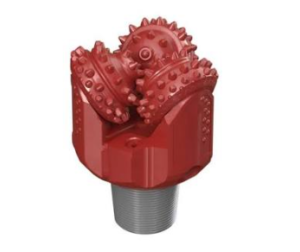
The cutting structure directly affects how a drill bit interacts with the workpiece.
A single-step drill bit generally has two cutting lips connected to spiral flutes. Its cutting tip penetrates the material, while the flutes help remove chips from the hole.
The cutting diameter remains essentially constant along the working portion.
This design makes it suitable for producing cylindrical holes with consistent diameters.
A multistep drill bit features multiple cutting sections with progressively different diameters.
Depending on the design, the cutting sections may be arranged along a stepped cylindrical body or a conical profile.
Each section performs a particular cutting operation, allowing the operator to enlarge an existing hole or produce different hole diameters.
The geometry of each step is important because it influences cutting resistance, chip removal, surface finish, and drilling stability.
Drilling efficiency is an important consideration in industrial production.
Single-Step Drill Bits
When only one hole diameter is required, a single-step drill bit can be extremely efficient. Operators can use the same tool repeatedly without adjusting the drilling diameter.
However, when a project requires several different hole sizes, operators may need to stop the machine and replace the drill bit multiple times.
This increases tool-changing time and requires additional tools.
Multistep Drill Bits
Multistep drill bits can improve efficiency when several hole diameters are required.
Instead of switching between different drill bits, operators can use the appropriate cutting step on the same tool.
Potential advantages include:
However, actual productivity depends on the workpiece material, cutting speed, feed rate, machine stability, and operator experience.
Both single-step and multistep drill bits are available in different materials and coatings.
Choosing the correct material is essential for achieving good cutting performance and extending tool life.
HSS drill bits are commonly used for general-purpose drilling.
They offer good toughness, wear resistance, and versatility. They are suitable for drilling many types of metals, plastics, and wood, depending on the tool geometry and operating conditions.
Cobalt-alloyed HSS, such as M35, provides improved hot hardness compared with standard HSS.
It is commonly selected for demanding metalworking applications, including stainless steel and other difficult-to-machine materials.
Carbide drill bits provide excellent hardness and wear resistance.
They are suitable for high-speed machining and demanding industrial applications when used with appropriate equipment and cutting conditions.
Not every carbide drill bit is suitable for every multistep application, so tool geometry and manufacturer specifications should always be considered.
The materials that can be drilled depend on the drill bit’s construction, cutting geometry, hardness, and coating.
| Material | Single-Step Drill Bit | Multistep Drill Bit |
|---|---|---|
| Mild steel | Yes | Yes, with suitable design |
| Stainless steel | Yes | Yes, with suitable design |
| Aluminum | Yes | Yes |
| Copper | Yes | Yes |
| Brass | Yes | Yes |
| Plastic | Yes | Yes |
| Wood | Yes | Depends on design |
| Thin sheet metal | Yes | Particularly suitable for many stepped designs |
For stainless steel and other hard materials, selecting an appropriate cutting tool and using proper lubrication and cutting parameters are particularly important.
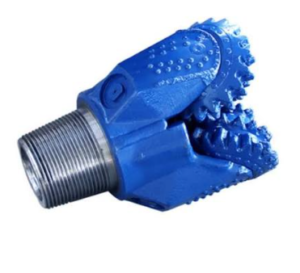
Selecting the right drill bit depends on the actual requirements of the drilling operation.
Consider the following factors before making a purchasing decision.
If your project repeatedly requires only one hole diameter, a single-step drill bit may be the better choice.
If multiple hole diameters are required, a multistep drill bit can provide greater convenience.
Material thickness affects drilling resistance, cutting stability, and tool selection.
For thin sheet metal, many stepped drill designs are particularly useful.
For thicker materials, conventional drill bits or specially designed industrial cutting tools may be more appropriate.
Consider whether you are drilling mild steel, stainless steel, aluminum, copper, or other materials.
Select HSS, cobalt HSS, or carbide according to the machining conditions.
If the application requires extremely precise hole diameters and tight dimensional tolerances, a dedicated single-step drill bit may be preferable.
Multistep drill bits should be selected according to their specified diameter tolerances and intended applications.
For mass production involving thousands of identical holes, dedicated single-step drill bits can offer excellent consistency.
For maintenance, installation, repair, and small-batch manufacturing, multistep drill bits can reduce tool changes and simplify operations.
Before purchasing, check the drill bit’s shank diameter, machine compatibility, maximum operating speed, and recommended feed rate.
Using an unsuitable machine or operating parameter can reduce tool life and affect drilling quality.
Both types of drill bits play important roles in modern manufacturing and maintenance.
Single-Step Drill Bit Applications
Multistep Drill Bit Applications
Their different designs allow manufacturers and professional users to select tools that match specific production requirements.
Neither type is universally better.
A single-step drill bit is often more suitable for repetitive drilling of one specific diameter, while a multistep drill bit is more convenient when several hole diameters are required.
In certain applications, yes. A multistep drill bit can cover several specified diameters, reducing the need to change tools.
However, it cannot replace all conventional drill bits, especially when deep holes, precise tolerances, or specialized hole geometries are required.
Yes, provided that the drill bit is specifically designed for stainless steel machining.
Cobalt HSS or suitable carbide designs may be appropriate. Proper cutting speed, feed rate, and lubrication are also important.
Yes. Many multistep drill bits are suitable for aluminum sheet and other aluminum workpieces.
Sharp cutting edges and appropriate flute geometry help reduce chip buildup and improve surface quality.
They can produce clean holes when the tool geometry, cutting conditions, and workpiece are appropriate.
However, hole quality also depends on tool sharpness, machine stability, material thickness, and correct operation.
The number of steps varies according to the product design and required diameter range.
Some tools have only a few cutting steps, while others feature numerous diameter transitions. Buyers should check the manufacturer’s specifications before selecting a model.
The terms are sometimes used interchangeably, but their meanings can vary by manufacturer.
A step drill bit commonly refers to a conical tool with successive diameter steps. Multistep drill bit is a broader description that may include different stepped cutting geometries.
Single-step and multistep drill bits are both valuable tools for metalworking and industrial drilling.
The main difference is their cutting structure and diameter flexibility.
Understanding your material, hole diameter, workpiece thickness, machining conditions, and production requirements will help you select the right drilling solution.
If you are looking for reliable drilling tools for industrial manufacturing, metal fabrication, engineering, or professional machining, Xiangriyang is a destination worth exploring.
Visit www.xiangriyang.com to discover drilling tools and related cutting-tool products for different industrial applications.
Whether you need single-step drill bits, multistep drill bits, HSS drill bits, cobalt drill bits, carbide cutting tools, or specialized drilling solutions, choosing the right product is essential for improving machining efficiency and achieving reliable results.
Xiangriyang aims to help customers find suitable drilling tools for different materials, hole sizes, and industrial working conditions.
Explore more professional drilling tools at www.xiangriyang.com and find the right drill bit for your next project.

