Are Dental Filling Drills Disposable? A Comprehensive Analysis of Brands, Models, and Clinical Practices
The question of whether dental filling drills are disposable is multifaceted, involving considerations of material science, infection control protocols, cost-effectiveness, and evolving clinical standards. While some components of dental drill systems are designed for single-use, the core drill bits themselves are predominantly reusable, though subject to stringent sterilization processes. This analysis explores the lifecycle of dental filling drills, examines leading brands and models, and evaluates the balance between disposable and reusable solutions in modern dentistry.
1. The Core Function of Dental Filling Drills
Dental filling drills, also known as dental burs or handpieces, are precision instruments used to remove decayed tooth structure, shape cavities, and prepare teeth for restorative materials such as composite resin, amalgam, or porcelain. These drills operate at high speeds (typically 100,000–400,000 RPM) and are categorized based on their geometry, material, and intended application:
- Round burs: Used for initial cavity preparation and removing decay.
- Pear-shaped burs: Ideal for creating undercuts or refining cavity walls.
- Tapered burs: Designed for finishing and polishing restorations.
- Diamond burs: Coated with industrial diamonds for cutting hard tissues like enamel.
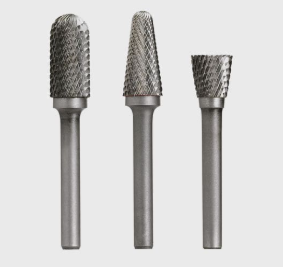
- Carbide burs: Made of tungsten carbide for durability and precision.
The drill bits themselves are not inherently disposable but are part of a broader system that includes the handpiece (the motorized component) and disposable attachments such as cooling tips or irrigation sleeves.
2. Disposable vs. Reusable Components: A Clinical Perspective
2.1 Disposable Elements in Dental Drill Systems
While the drill bits are reusable, certain accessories are designed for single-use to minimize cross-contamination risks:
- Cooling sleeves: These plastic or silicone components direct water or air to the drilling site to prevent overheating. They are often disposable to avoid biofilm accumulation.
- Irrigation tips: Narrow tubes that deliver antiseptic solutions during procedures may be discarded after use.
- Bur covers: Protective caps that shield the drill bit during storage or transport are sometimes single-use to maintain sterility.
2.2 Reusable Drill Bits and Handpieces
The drill bits themselves are crafted from materials like stainless steel, tungsten carbide, or diamond-coated alloys, which withstand repeated sterilization cycles. Handpieces, which house the motor and transmission mechanisms, are also reusable but require meticulous maintenance:
- Autoclaving: High-pressure steam sterilization (121–134°C) is the gold standard for decontaminating reusable drills.
- Chemical disinfection: For instruments sensitive to heat, ethylene oxide or hydrogen peroxide plasma sterilization may be used.
- Lubrication and calibration: Regular servicing ensures optimal performance and extends the lifespan of reusable components.
2.3 The Shift Toward Disposable Drills: Drivers and Challenges
In recent years, some manufacturers have introduced fully disposable dental drills to address concerns about sterilization efficacy and procedural efficiency. These products are typically made from medical-grade plastics or composites and are pre-sterilized in individual packaging. However, their adoption faces hurdles:
- Cost: Disposable drills are significantly more expensive per unit than reusable alternatives, especially for high-volume practices.
- Environmental impact: Single-use instruments contribute to medical waste, prompting calls for sustainable alternatives.
- Performance limitations: Plastic drills may lack the durability or precision of metal counterparts, limiting their use in complex procedures.
3. Leading Brands and Models of Dental Filling Drills
3.1 Reusable Drill Systems
3.1.1 Kavo (Germany)
Kavo is a pioneer in dental handpiece technology, offering a range of reusable drills known for their precision and ergonomics:
- Kavo EXPERTsurge Turbine Handpiece: Features a ceramic bearing system for reduced vibration and noise, paired with diamond or carbide burs for cavity preparation.
- Kavo INTRAsurg 300: A high-speed handpiece designed for implantology and endodontic procedures, compatible with a variety of burs.
3.1.2 NSK (Japan)
NSK specializes in durable, high-performance dental drills with advanced cooling systems:
- NSK Ti-Max X Series: Utilizes titanium alloy construction for lightweight durability, with options for straight or contra-angle handpieces.
- NSK Nano Burs: Diamond-coated burs with nano-particle technology for smoother cutting and reduced heat generation.
3.1.3 W&H (Austria)
W&H combines innovation with tradition in its reusable drill offerings:
- W&H Synea Vision: Features LED illumination for enhanced visibility during procedures, paired with carbide or diamond burs.
- W&H Implantmed: A specialized handpiece for implant surgery, compatible with surgical burs and osteotomy drills.
3.2 Disposable Drill Systems
3.2.1 Prime Dental (India)
Prime Dental offers a line of disposable dental drills marketed for convenience and infection control:
- Prime Dental Disposable Turbine Handpiece: Pre-sterilized and packaged individually, designed for single-use in cavity preparation.
- Prime Dental Diamond Disposable Burs: Single-use diamond burs for enamel cutting, available in various shapes and sizes.
3.2.2 Microcopy (USA)
Microcopy focuses on disposable burs and handpieces for niche applications:
- Microcopy NeoBur: A disposable diamond bur with a patented design for reduced clogging and improved cutting efficiency.
- Microcopy NeoHandpiece: A lightweight, single-use handpiece for pediatric or anxious patients.
3.2.3 Hu-Friedy (USA)
Hu-Friedy, a leader in dental instruments, has expanded into disposable solutions:
- Hu-Friedy Mini Disposable Burs: Compact, single-use burs for precision work in tight spaces.
- Hu-Friedy Endo-Eze Disposable Handpiece: Designed for endodontic procedures, with a disposable body and reusable nib.
4. Clinical Considerations: When to Use Disposable vs. Reusable Drills
The choice between disposable and reusable drills depends on several factors:
- Procedure type: High-risk procedures (e.g., oral surgery, immunocompromised patients) may favor disposable instruments to minimize infection risks.
- Patient volume: High-throughput practices may find reusable drills more cost-effective despite higher initial investments.
- Regulatory compliance: Some regions mandate single-use instruments for certain procedures to meet sterilization standards.
- Environmental policies: Practices committed to sustainability may opt for reusable drills paired with eco-friendly sterilization methods.
5. The Future of Dental Filling Drills: Innovation and Sustainability
As dentistry evolves, manufacturers are exploring hybrid solutions that balance disposability with environmental responsibility:
- Biodegradable materials: Researchers are developing plant-based or compostable plastics for disposable drills to reduce waste.
- Modular designs: Some reusable handpieces now feature interchangeable, disposable bur holders to simplify sterilization.
- Smart sterilization tracking: IoT-enabled instruments can log sterilization cycles, ensuring compliance and extending the lifespan of reusable components.
6. Conclusion: A Nuanced Approach to Disposability in Dentistry
Dental filling drills are not universally disposable, but the landscape is shifting toward greater flexibility. Reusable drills remain the cornerstone of most practices due to their cost-effectiveness and performance, while disposable options offer critical advantages in infection control and convenience. The optimal choice depends on clinical needs, patient safety priorities, and environmental commitments. As technology advances, the dental industry is likely to see more innovative solutions that harmonize disposability with sustainability, ensuring safe and efficient care for generations to come.
In summary, while fully disposable dental filling drill systems exist, they are not yet the norm. The majority of dental professionals continue to rely on reusable, high-quality instruments supplemented by disposable accessories where necessary. By staying informed about emerging brands, models, and best practices, clinicians can navigate this evolving field with confidence, prioritizing both patient outcomes and operational efficiency.



