Our Location
304 North Cardinal St.
Dorchester Center, MA 02124

304 North Cardinal St.
Dorchester Center, MA 02124

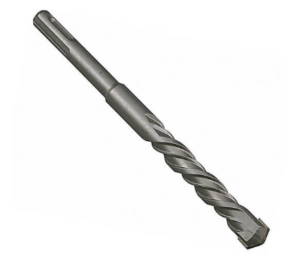
Drill bit oscillation, a phenomenon characterized by periodic lateral or axial vibrations during drilling operations, significantly impacts tool life, hole quality, and operational efficiency. This oscillation arises from complex interactions between mechanical, dynamic, and material factors, influenced by the drill bit’s design, operational parameters, and environmental conditions. This article explores the root causes of drill bit oscillation, examines how leading brands and models mitigate these issues, and discusses advanced solutions to enhance drilling performance.
Drill bits, especially those with asymmetrical geometries or uneven mass distribution, are prone to centrifugal force-induced oscillations. When rotating at high speeds, any imbalance generates lateral forces that cause the bit to vibrate. This is particularly evident in large-diameter drill bits or those with complex cutting structures, such as PDC (Polycrystalline Diamond Compact) bits used in oil and gas drilling. For instance, the Schlumberger Kingdream PDC Bit Series, known for their aggressive cutting designs, may exhibit increased oscillation if not properly balanced during manufacturing.
Every drill bit has a natural frequency at which it tends to vibrate most intensely. When the rotational speed or impact frequency matches this natural frequency, resonance occurs, amplifying vibrations. This is a critical concern in high-speed drilling applications, such as those using Baker Hughes INTEQ Turbo-Drill Systems, which operate at rotational speeds exceeding 200 RPM. The Halliburton Sperry Drilling Bits, designed for deepwater exploration, incorporate damping mechanisms to shift their natural frequencies away from operational ranges, reducing resonance risks.
The interaction between the drill bit’s cutting elements and the rock formation generates fluctuating forces that can induce oscillation. Variations in rock hardness, abrasiveness, and fracture toughness cause uneven cutting loads, leading to lateral vibrations. For example, the Varel International ICD (Improved Cutting Distribution) Bits feature optimized cutter placement to distribute forces more evenly, minimizing oscillation in heterogeneous formations. In contrast, traditional bits with poorly spaced cutters may experience severe vibrations when drilling through layered rock.
Axial vibrations, caused by intermittent contact between the bit and the formation or drill string elasticity, can couple with lateral vibrations to create complex oscillation patterns. Torsional vibrations, resulting from friction or stick-slip behavior, further complicate the dynamic response. The Smith Bits (a NOV Company) Axis™ Bits employ advanced torsion-resistant designs to decouple axial and torsional motions, reducing combined vibration effects. Similarly, the National Oilwell Varco (NOV) ReedHycalog Bits integrate shock-absorbing elements to dampen axial impacts.
The material composition of the drill bit significantly affects its susceptibility to oscillation. Harder materials, such as tungsten carbide inserts in roller cone bits, resist wear but may be brittle under high-frequency vibrations. Softer materials, like matrix bodies in PDC bits, offer better damping but may wear faster. The Ulterra Drilling Technologies Epoch XT Bits use a proprietary matrix material with enhanced fatigue resistance, balancing durability and vibration damping. The Dril-Quip TorkMax Bits incorporate high-toughness alloys to withstand severe oscillation-induced stresses.
Surface irregularities, such as roughness or micro-cracks, can act as stress concentrators, initiating fatigue cracks that propagate under cyclic loading. Advanced manufacturing processes, such as Sandvik Coromant’s Precision Grinding Technology, ensure ultra-smooth surfaces on drill bits, reducing vibration-induced wear. The Kennametal Beyond™ Bits feature laser-cladded coatings that enhance surface integrity, minimizing oscillation-related failures.
Tight geometric tolerances are critical for minimizing oscillation. Misaligned cutting elements or uneven gauge rows can create imbalance, leading to vibrations. The Atlas Copco Secoroc Rock Bits undergo rigorous quality control, including laser alignment checks, to ensure precise cutter placement. The BitBrothers Precision Drilling Bits employ modular designs that allow for field adjustments to correct minor assembly errors, reducing oscillation risks.
The drill string’s stiffness, length, and bottomhole assembly (BHA) design influence vibration transmission to the bit. Long, flexible drill strings may amplify vibrations, while stiff BHA components can suppress them. The Schlumberger PowerDrive Xceed RSS (Rotary Steerable System) integrates vibration-damping subassemblies to isolate the bit from drill string dynamics. The Baker Hughes AutoTrak eXceed RSS uses active vibration control algorithms to adjust drilling parameters in real-time, mitigating oscillation.
The drilling fluid’s viscosity, density, and flow pattern affect cuttings removal and cooling, which in turn influence vibration levels. Poor hole cleaning can lead to cuttings recirculation, increasing cutting forces and vibrations. The M-I SWACO (a Schlumberger Company) HYDRO-GLIDE™ Bits feature optimized nozzle placements to enhance fluid flow around the bit, reducing vibration-inducing cuttings buildup. The Baroid Industrial Drilling Products’ X-Treme Bits incorporate self-cleaning geometries to prevent cuttings packing, minimizing oscillation.
High drilling temperatures can soften materials, reducing their stiffness and increasing susceptibility to vibration. Thermal gradients between the bit’s surface and interior can also induce stresses that contribute to oscillation. The Varel International ThermoShield Bits use advanced thermal barrier coatings to maintain material properties under extreme temperatures. The Dril-Quip ThermoStable Bits incorporate heat-resistant alloys to resist thermal fatigue, reducing vibration-related failures.
The Kingdream PDC Bit Series is renowned for its advanced cutting structures and vibration-damping technologies. These bits feature optimized cutter spacing and backrake angles to distribute forces evenly, reducing lateral vibrations. The Kingdream Xtreme Bits incorporate shock-absorbing elements that decouple the bit from drill string dynamics, minimizing axial and torsional oscillations. These bits are widely used in high-speed drilling applications, such as shale gas exploration, where vibration control is critical for maintaining ROP (Rate of Penetration).
The Sperry Drilling Bits lineup includes models designed specifically for vibration-prone environments. The Sperry VibroShield Bits use a patented damping system that shifts the bit’s natural frequency away from operational ranges, preventing resonance. The Sperry DeepWave Bits feature a unique cutting geometry that reduces cutting force variations, minimizing lateral vibrations in deepwater drilling applications. These bits are often paired with Baker Hughes’ Active Vibration Control (AVC) systems for enhanced performance.
Halliburton’s Sperry Drilling Bits (now part of the Halliburton Sperry Drilling division) offer a range of vibration-resistant designs. The Sperry TorkMax Bits incorporate high-toughness alloys and optimized cutter placement to withstand severe oscillation-induced stresses. The Sperry HydroShield Bits feature advanced hydraulic designs that enhance cuttings removal, reducing vibration-causing cuttings buildup. These bits are popular in challenging formations, such as abrasive sandstones and interbedded shales.
NOV’s ReedHycalog Bits are known for their durability and vibration resistance. The ReedHycalog TorkBuster Bits use a proprietary damping technology that absorbs vibrational energy, reducing fatigue-related failures. The ReedHycalog DeepImpact Bits feature a reinforced gauge row design that resists lateral forces, minimizing vibration-induced bit walk. These bits are commonly used in extended-reach drilling applications where vibration control is essential for maintaining hole quality.
Ulterra’s Epoch XT Bits combine advanced materials and cutting geometries to minimize oscillation. The Epoch XT Anti-Vibe Bits incorporate a proprietary matrix material with enhanced fatigue resistance, reducing vibration-induced wear. The Epoch XT DeepCut Bits feature a staggered cutter arrangement that distributes forces more evenly, minimizing lateral vibrations in deep drilling applications. These bits are favored for their ability to maintain high ROP in vibration-prone formations.
Varel’s ICD (Improved Cutting Distribution) Bits are designed to reduce vibration by optimizing cutter placement. The ICD Xtreme Bits feature a unique cutting structure that minimizes force variations, reducing lateral and axial vibrations. The ICD TurboBits incorporate advanced hydraulic designs that enhance fluid flow around the bit, preventing cuttings buildup and vibration-inducing stick-slip behavior. These bits are widely used in high-performance drilling applications, such as horizontal shale wells.
Dril-Quip’s TorkMax Bits are engineered to withstand severe torsional and lateral vibrations. These bits feature high-toughness alloys and reinforced gauge rows that resist vibration-induced stresses, extending tool life. The ThermoStable Bits incorporate heat-resistant materials and coatings that maintain performance under extreme temperatures, reducing thermal fatigue-related vibration. These bits are ideal for high-temperature drilling applications, such as geothermal wells.
Sandvik Coromant’s Precision Drilling Bits are known for their ultra-smooth surfaces and precise geometric tolerances. The CoroDrill® 860 Bits feature laser-cladded coatings that enhance surface integrity, minimizing vibration-induced wear. The CoroDrill® Delta-C Bits incorporate a modular design that allows for field adjustments to correct minor assembly errors, reducing oscillation risks. These bits are favored for their precision and reliability in high-value drilling operations.
Kennametal’s Beyond™ Bits series includes models designed specifically for vibration-resistant performance. The Beyond™ Vibe-Free Bits use advanced damping technologies to absorb vibrational energy, reducing fatigue-related failures. The Beyond™ DeepReach Bits feature a reinforced shank design that resists torsional vibrations, maintaining stability in extended-reach drilling applications. These bits are popular for their ability to deliver consistent performance in challenging environments.
BitBrothers’ Precision Drilling Bits offer modular designs that allow for field adjustments to minimize oscillation. The BitBrothers Adjusta-Bit Series features interchangeable cutter modules that can be repositioned to correct imbalance or optimize cutting force distribution. The BitBrothers Vibe-Guard Bits incorporate shock-absorbing elements that decouple the bit from drill string dynamics, reducing vibration transmission. These bits are ideal for custom drilling applications where vibration control is critical.
Active vibration control systems, such as those integrated into Schlumberger’s PowerDrive Xceed RSS and Baker Hughes’ AutoTrak eXceed RSS, use sensors and algorithms to monitor and adjust drilling parameters in real-time. These systems can detect vibration signatures and automatically modify weight on bit (WOB), rotational speed, or hydraulic flow to suppress oscillations. AVC systems are particularly effective in complex drilling environments where passive damping technologies may be insufficient.
Smart bits, such as Halliburton’s Sperry Drilling SmartBits, incorporate embedded sensors that measure vibration, temperature, and pressure in real-time. These sensors transmit data to the surface, allowing operators to monitor bit health and adjust drilling parameters proactively. Smart bits can identify early signs of vibration-induced damage, enabling preventive maintenance and reducing downtime.
The development of new materials and coatings has significantly improved drill bit vibration resistance. For example, Ulterra’s Epoch XT Bits use a proprietary matrix material with enhanced fatigue resistance, while Dril-Quip’s ThermoStable Bits incorporate heat-resistant alloys. Coatings such as Sandvik Coromant’s laser-cladded layers and Kennametal’s diamond-like carbon (DLC) coatings reduce surface wear and stress concentrations, minimizing vibration-induced failures.
CFD and FEA simulations are increasingly used to optimize drill bit designs for vibration resistance. These tools allow engineers to model fluid flow, stress distribution, and dynamic responses under various drilling conditions. For instance, Varel International uses CFD to optimize hydraulic designs for its ICD Bits, while NOV employs FEA to analyze stress concentrations in its ReedHycalog Bits. These simulations help identify potential vibration issues early in the design process, reducing development time and costs.
Machine learning algorithms are being applied to drill bit vibration data to identify patterns and predict failures. By analyzing historical drilling data, AI models can recommend optimal drilling parameters to minimize vibration risks. For example, Schlumberger’s DELFI cognitive E&P environment uses AI to optimize drilling operations, including vibration control. These technologies are transforming drill bit design and operation, enabling more efficient and reliable drilling processes.
Drill bit oscillation remains a significant challenge in drilling operations, but advances in materials science, dynamic analysis, and smart technologies are providing new solutions. Leading brands like Schlumberger, Baker Hughes, Halliburton, NOV, Ulterra, Varel International, Dril-Quip, Sandvik Coromant, Kennametal, and BitBrothers are at the forefront of this innovation, developing bits that minimize vibration through optimized designs, advanced materials, and intelligent systems. As drilling operations become more complex and demanding, the ability to control oscillation will be critical for achieving higher ROP, extending tool life, and ensuring hole quality. The integration of active vibration control, smart sensors, and AI-driven optimization represents the future of drill bit technology, promising a new era of efficient and reliable drilling.

