Our Location
304 North Cardinal St.
Dorchester Center, MA 02124

304 North Cardinal St.
Dorchester Center, MA 02124

Comprehensive Guide to Repairing Non-Impacting Electric Impact Drills: Brand-Specific Solutions and Technical Analysis
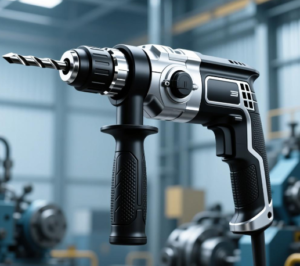
Electric impact drills are indispensable tools in construction, woodworking, and metalworking, combining rotational force with percussive action to tackle tough materials. However, when the impact mechanism fails, the tool’s effectiveness diminishes significantly. This guide provides a detailed, brand-specific approach to diagnosing and repairing non-impacting electric impact drills, covering common failure modes, technical solutions, and preventive maintenance strategies.
1. Common Causes of Impact Failure in Electric Drills
Before diving into brand-specific repairs, it is essential to understand the underlying mechanisms and failure points. The impact function in electric drills is typically achieved through a mechanical system involving a hammer-and-anvil design or a pneumatic/electromagnetic mechanism. Common causes of failure include:
1.1 Mechanical Wear and Tear
Hammer and Anvil Degradation: Over time, the hammer and anvil components may wear down, reducing the impact force. This is common in high-usage scenarios, such as drilling into concrete or masonry.
Bearing Failure: The bearings supporting the rotating components can seize or wear out, preventing the impact mechanism from functioning correctly.
Spring Fatigue: Springs that provide the return force for the hammer mechanism may lose tension, leading to reduced or no impact.
1.2 Electrical or Electronic Issues
Motor Problems: A failing motor may not generate sufficient torque to drive the impact mechanism. This can be due to worn brushes, damaged windings, or electrical shorts.
Switch Malfunction: The impact switch, which activates the percussive action, may become stuck or fail electronically, preventing the mechanism from engaging.
Control Board Failure: In modern drills with electronic control systems, a faulty circuit board can disrupt the impact function.
1.3 Lubrication and Maintenance Issues
Lack of Lubrication: Insufficient lubrication can cause friction in the impact mechanism, leading to overheating and failure.
Debris Buildup: Dust and debris can accumulate in the impact chamber, obstructing movement and causing jams.
2. Brand-Specific Repair Guides
2.1 DeWalt Impact Drills (e.g., DeWalt DCD996P2 20V MAX XR Brushless Hammer Drill)
DeWalt is renowned for its durable and high-performance power tools, but even their impact drills can encounter issues. The DCD996P2, a popular model, features a brushless motor and a 3-speed transmission with an impact mode.
Symptoms of Impact Failure:
The drill rotates but does not produce any percussive action.
Unusual noises, such as grinding or clicking, emanate from the drill when in impact mode.
The impact switch feels loose or unresponsive.
Diagnostic Steps:
Check the Impact Switch: Ensure the switch is in the correct position and not stuck. Test the switch with a multimeter to verify its functionality.
Inspect the Hammer and Anvil: Remove the chuck and access the impact mechanism. Look for signs of wear or damage on the hammer and anvil components. Replace if necessary.
Examine the Bearings: Check for play or rough rotation in the bearings supporting the spindle. Replace worn bearings to restore smooth operation.
Verify Lubrication: Ensure the impact mechanism is adequately lubricated. Apply a high-quality grease specifically designed for power tools.
Repair Procedure:
Disassembly: Follow the manufacturer’s instructions to disassemble the drill, taking care to note the position of each component.
Component Replacement: Replace any worn or damaged parts, such as the hammer, anvil, bearings, or springs.
Reassembly: Reassemble the drill in reverse order, ensuring all components are properly aligned and tightened.
Testing: Test the drill in a controlled environment to verify that the impact function is restored.
2.2 Milwaukee Impact Drills (e.g., Milwaukee 2804-20 M18 Fuel Hammer Drill)
Milwaukee’s M18 Fuel series is known for its powerful brushless motors and advanced electronics. The 2804-20 model is a high-performance hammer drill with a robust impact mechanism.
Symptoms of Impact Failure:
The drill operates normally in rotation-only mode but fails to impact when switched to hammer mode.
The impact mechanism makes a rattling noise or feels loose.
The drill overheats quickly when used in impact mode.
Diagnostic Steps:
Check the Impact Mode Selector: Ensure the selector switch is correctly positioned for hammer mode. Test the switch for continuity using a multimeter.
Inspect the Impact Clutch: The impact clutch may be worn or damaged, preventing the hammer mechanism from engaging. Replace if necessary.
Examine the Motor Brushes: Worn brushes can reduce motor performance, affecting the impact function. Replace brushes if they are less than 1/4 inch in length.
Verify Electrical Connections: Check for loose or corroded electrical connections, particularly those related to the impact mechanism. Clean and tighten as needed.
Repair Procedure:
Safety Precautions: Disconnect the drill from the power source and wear protective gear before beginning repairs.
Disassembly: Carefully disassemble the drill, following the manufacturer’s guidelines. Pay special attention to the impact mechanism and motor assembly.
Component Inspection and Replacement: Inspect all components for wear or damage. Replace any faulty parts, such as the impact clutch, motor brushes, or electrical connectors.
Reassembly and Testing: Reassemble the drill and test it in a safe environment to ensure the impact function is restored. Monitor for overheating or unusual noises.
2.3 Bosch Impact Drills (e.g., Bosch GBH18V-26 18V SDS-Plus Bulldog Rotary Hammer)
Bosch’s Bulldog series is a favorite among professionals for its durability and versatility. The GBH18V-26 model features a powerful motor and a robust impact mechanism designed for heavy-duty applications.
Symptoms of Impact Failure:
The drill fails to produce any impact, even when set to hammer mode.
The impact mechanism makes a knocking sound but does not generate sufficient force.
The drill vibrates excessively when used in impact mode.
Diagnostic Steps:
Check the Impact Mechanism Lock: Ensure the impact mechanism is not locked in the “off” position. Some models have a manual lock to prevent accidental activation.
Inspect the Piston and Striker: The piston and striker components may be worn or damaged, reducing impact force. Replace if necessary.
Examine the Air Chamber: In pneumatic impact drills, a leak in the air chamber can prevent the mechanism from functioning correctly. Check for cracks or damage to the air chamber and seals.
Verify Lubrication: Ensure the impact mechanism is properly lubricated. Use a high-quality grease recommended by the manufacturer.
Repair Procedure:
Disassembly: Follow the manufacturer’s instructions to disassemble the drill, focusing on the impact mechanism and piston assembly.
Component Replacement: Replace any worn or damaged parts, such as the piston, striker, air chamber seals, or lubrication fittings.
Reassembly: Reassemble the drill, ensuring all components are properly aligned and seated.
Testing: Test the drill in a controlled environment to verify that the impact function is restored and that vibrations are minimized.
2.4 Makita Impact Drills (e.g., Makita XPH12Z 18V LXT Lithium-Ion Brushless Cordless Hammer Driver-Drill)
Makita’s LXT series is known for its compact design and efficient brushless motors. The XPH12Z model is a versatile hammer driver-drill suitable for a wide range of applications.
Symptoms of Impact Failure:
The drill operates normally in rotation mode but fails to impact when switched to hammer mode.
The impact mechanism produces a weak or intermittent percussive action.
The drill emits a burning smell or overheats during use.
Diagnostic Steps:
Check the Impact Switch and Wiring: Ensure the impact switch is functioning correctly and that the wiring is intact. Look for signs of damage or corrosion.
Inspect the Gearbox: The gearbox may contain worn or damaged gears that prevent the impact mechanism from engaging. Replace any faulty gears.
Examine the Motor: A failing motor may not generate sufficient torque for the impact function. Test the motor with a multimeter to verify its performance.
Verify Thermal Protection: Some models have thermal protection circuits that shut off the drill if it overheats. Check if the thermal protection has been triggered and reset if necessary.
Repair Procedure:
Disassembly: Carefully disassemble the drill, following the manufacturer’s guidelines. Pay close attention to the impact switch, gearbox, and motor assembly.
Component Inspection and Replacement: Inspect all components for wear or damage. Replace any faulty parts, such as the impact switch, gears, or motor.
Reassembly and Testing: Reassemble the drill and test it in a safe environment to ensure the impact function is restored and that overheating issues are resolved.
3. Preventive Maintenance Tips
To extend the lifespan of your electric impact drill and prevent future impact failures, follow these preventive maintenance tips:
3.1 Regular Lubrication
Apply a high-quality grease to the impact mechanism and other moving parts as recommended by the manufacturer. Avoid over-lubricating, as this can attract dust and debris.
3.2 Cleaning and Debris Removal
After each use, clean the drill thoroughly to remove dust and debris. Use compressed air or a soft brush to clean hard-to-reach areas, such as the impact chamber and cooling vents.
3.3 Proper Storage
Store the drill in a dry, cool place away from direct sunlight and moisture. Avoid storing the drill in a toolbox with other heavy tools that could damage it.
3.4 Avoid Overloading
Use the drill within its specified capacity and avoid drilling into materials that are too hard or dense for the tool’s design. Overloading can cause premature wear and failure of the impact mechanism.
3.5 Regular Inspection
Periodically inspect the drill for signs of wear or damage, such as cracks in the housing, worn components, or loose connections. Address any issues promptly to prevent further damage.
4. Conclusion
Repairing a non-impacting electric impact drill requires a systematic approach, starting with a thorough diagnosis of the underlying issue. By understanding the common failure modes and following brand-specific repair guides, you can restore your drill’s impact function and extend its lifespan. Additionally, implementing preventive maintenance practices can help prevent future failures and ensure your drill remains a reliable tool in your arsenal. Whether you are a professional contractor or a DIY enthusiast, mastering the art of drill repair can save you time, money, and frustration in the long run.

