Our Location
304 North Cardinal St.
Dorchester Center, MA 02124

304 North Cardinal St.
Dorchester Center, MA 02124

Multicone drill bits are widely used in metalworking, industrial manufacturing, sheet metal processing, and precision drilling applications. Their multi-step cutting design allows operators to drill holes of different diameters with a single tool, improving production efficiency and reducing the need for frequent tool changes.
However, overheating is a common problem during drilling, especially when working with hard metals, stainless steel, thick materials, or high-speed production processes. Excessive heat can reduce cutting efficiency, accelerate tool wear, damage the cutting edges, and shorten the service life of a multicone drill bit.
Understanding what causes overheating and how to prevent it is essential for achieving consistent drilling performance, improving hole quality, and extending tool life.
In this guide, we will explain the main causes of multicone drill bit overheating and provide practical ways to keep your cutting tools cool during operation.
Before discussing prevention methods, it is important to understand where drilling heat comes from.
During drilling, friction develops between the cutting edges and the workpiece. The material also undergoes plastic deformation as the cutting edges remove metal. Both processes generate heat.
Several factors can cause excessive temperature increases.
High Cutting Speed
Operating a multicone drill bit at an excessively high rotational speed generates additional friction and heat. This is particularly problematic when drilling stainless steel, alloy steel, and other materials with relatively high cutting resistance.
Excessive Feed Pressure
Applying too much pressure forces the cutting edges to work harder. This increases cutting resistance and can generate excessive heat.
Insufficient Lubrication
Without adequate cutting fluid, friction between the drill bit and the workpiece increases. Heat cannot be effectively controlled, resulting in faster tool wear.
Poor Chip Evacuation
Metal chips can accumulate around the cutting edges or inside the drilled hole. Chip buildup increases friction, restricts cutting fluid circulation, and may cause the drill bit to overheat.
Dull or Damaged Cutting Edges
Worn cutting edges require more force to penetrate the material. Instead of cutting efficiently, the drill bit may rub against the workpiece, producing excessive heat.
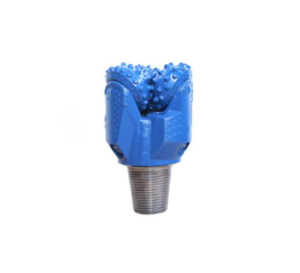
Selecting the correct cutting speed is one of the most effective ways to prevent multicone drill bits from overheating.
Cutting speed should be adjusted according to the workpiece material, drill bit material, diameter, and machining conditions.
For example:
Aluminum: Generally allows higher cutting speeds because it is relatively soft and easy to machine.
Mild Steel: Requires moderate cutting speeds to balance productivity and heat generation.
Stainless Steel: Usually requires lower cutting speeds because of its higher cutting resistance and tendency to work-harden.
Alloy Steel: Requires appropriate speed adjustments according to hardness and material composition.
Remember that a larger cutting diameter produces a higher peripheral speed at the same RPM.
Therefore, when using different cutting steps on a multicone drill bit, pay particular attention to the diameter of the active cutting section.
Do not automatically use the same rotational speed for every material or drilling operation. Always follow the drill manufacturer’s recommended cutting parameters.
Cutting lubricants and coolants play an important role in controlling drilling temperatures.
They help reduce friction between the cutting edges and the workpiece while carrying heat away from the cutting area.
Common cooling and lubrication options include:
Cutting Oil
Cutting oil provides effective lubrication and helps reduce friction during metal drilling. It is particularly useful when machining steel and stainless steel.
Water-Soluble Cutting Fluid
Water-soluble coolant offers good cooling performance and is widely used in industrial machining operations.
Specialized Metalworking Lubricants
Some materials require specialized cutting lubricants to improve surface finish, reduce tool wear, and prevent excessive heat buildup.
For the best results:
Apply lubricant directly to the cutting area.
Ensure sufficient coolant reaches the active cutting edges.
Maintain an appropriate coolant flow rate.
Replace contaminated cutting fluid when necessary.
Follow the manufacturer’s recommendations for coolant concentration.
For applications involving stainless steel or other difficult-to-machine materials, proper lubrication is especially important.
Applying excessive pressure does not necessarily improve drilling efficiency.
When operators force a multicone drill bit into the workpiece, cutting resistance increases. This can cause excessive heat, vibration, poor hole quality, and premature cutting-edge damage.
Instead, maintain a consistent feed rate that allows the cutting edges to remove material effectively.
A suitable feed rate depends on:
Workpiece material and hardness.
Drill bit diameter.
Number and geometry of cutting steps.
Drill bit material.
Machine power and rigidity.
If the drill bit begins to vibrate, produce unusual noises, or generate excessive heat, reduce the feed pressure and inspect the machining conditions.
The objective is to maintain stable cutting rather than forcing the tool through the material.
Chip evacuation is another important factor in preventing overheating.
During drilling, metal chips must be removed efficiently. If chips accumulate around the cutting edges, they can increase friction and interfere with coolant circulation.
This problem is particularly common when drilling deep holes, thick metal sheets, and materials that produce long continuous chips.
Consider the following practices:
Remove accumulated chips regularly.
Use compressed air or appropriate coolant flushing where suitable.
Avoid allowing chips to become trapped between the drill bit and the workpiece.
Use a suitable drilling cycle for deeper holes.
Select a drill bit with an appropriate cutting geometry for the material.
For deep-hole applications, intermittent peck drilling may help improve chip evacuation. However, the drilling cycle should be selected according to the tool manufacturer’s recommendations.
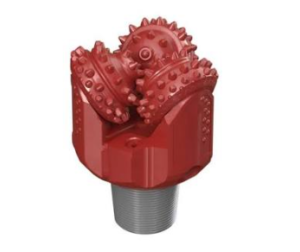
The material of a multicone drill bit directly affects its heat resistance, wear resistance, and cutting performance.
Different materials are suitable for different drilling conditions.
| Drill Bit Material | Main Characteristics | Suitable Applications |
|---|---|---|
| HSS | Good toughness and general-purpose performance | Mild steel, aluminum, and general metalworking |
| HSS-Co | Improved hot hardness and wear resistance | Stainless steel and harder metals |
| Carbide | Excellent hardness and high-temperature performance | High-speed and demanding machining |
| TiN-Coated HSS | Reduced friction and improved surface hardness | General metal drilling applications |
When drilling stainless steel or other materials that generate substantial heat, cobalt-alloy HSS or suitable carbide tools may provide better performance than standard HSS.
However, choosing a more heat-resistant material does not eliminate the need for proper cutting speeds, lubrication, and chip evacuation.
A sharp multicone drill bit cuts material more efficiently and generates less unnecessary friction.
Over time, repeated drilling can cause cutting-edge wear, chipping, coating damage, or deformation.
These problems increase cutting resistance and can lead to overheating.
Regular inspection should include:
Checking cutting edges for visible wear.
Looking for chipped or damaged cutting sections.
Inspecting coatings for peeling or deterioration.
Checking the drill bit for bending or deformation.
Confirming that the shank is securely mounted.
If the cutting edges become excessively worn, replace the tool or have it professionally resharpened if the design allows.
Do not continue using a damaged drill bit simply because it can still penetrate the workpiece.
Unstable workpieces and poorly aligned drilling equipment can also contribute to excessive heat.
When a metal sheet moves or vibrates during drilling, the cutting edges may experience inconsistent contact with the material.
This can produce uneven cutting forces, additional friction, and poor hole quality.
To reduce these problems:
Secure the workpiece firmly before drilling.
Use an appropriate vise or clamping fixture.
Check that the drill bit is correctly installed.
Ensure the machine spindle runs smoothly.
Avoid excessive runout and vibration.
Maintain proper alignment between the drill bit and workpiece.
Stable machining conditions help ensure that each cutting step performs as intended.
For continuous industrial drilling, excessive operating temperatures can accumulate over time.
Although cutting fluid provides cooling during machining, some demanding applications may still require additional temperature management.
Practical measures include:
Maintaining continuous and appropriate coolant delivery.
Avoiding unnecessary continuous operation under overloaded conditions.
Allowing sufficient cooling time when recommended.
Monitoring tool temperature during demanding production cycles.
Stopping operation immediately if abnormal overheating occurs.
Never cool a hot drill bit by suddenly exposing it to an unsuitable cooling method. Rapid temperature changes can cause thermal stress, especially in carbide tools.
Recognizing overheating early can prevent serious tool damage.
Watch for these warning signs:
| Warning Sign | Possible Cause |
|---|---|
| Blue, brown, or dark discoloration | Excessive cutting temperature |
| Rapid cutting-edge wear | High friction or unsuitable cutting parameters |
| Smoke during drilling | Insufficient lubrication or excessive heat |
| Unusual vibration | Poor clamping, runout, or damaged cutting edges |
| Rough hole surfaces | Dull tool or unstable machining |
| Increased drilling resistance | Worn cutting edges or chip accumulation |
If any of these symptoms appear, stop the operation and inspect the drill bit, workpiece, coolant supply, and machine settings before continuing.
For convenient reference, here is a practical checklist for industrial drilling operations.
| Prevention Method | Recommended Action |
|---|---|
| Cutting speed | Adjust RPM according to material and diameter |
| Feed rate | Maintain a consistent and suitable feed |
| Lubrication | Apply appropriate cutting oil or coolant |
| Chip removal | Prevent metal chips from accumulating |
| Tool selection | Choose suitable HSS, HSS-Co, or carbide |
| Tool maintenance | Inspect cutting edges regularly |
| Workpiece stability | Secure materials firmly |
| Machine condition | Check alignment and spindle runout |
| Temperature control | Monitor heat during continuous operation |
Following these practices can improve drilling consistency, reduce unnecessary tool replacement, and increase overall production efficiency.
Q1: Why does my multicone drill bit become hot so quickly?
Common reasons include excessive rotational speed, insufficient lubrication, excessive feed pressure, poor chip evacuation, and worn cutting edges. Check these factors before continuing operation.
Q2: Can I use a multicone drill bit without cutting oil?
Some materials and applications may allow dry drilling, but cutting oil or suitable coolant is generally recommended for demanding metalworking operations. Stainless steel drilling particularly benefits from proper lubrication.
Q3: Does a larger multicone drill bit generate more heat?
A larger cutting diameter can generate greater peripheral speed at the same RPM. Therefore, rotational speed should be adjusted according to the active cutting diameter and workpiece material.
Q4: Is carbide better than HSS for high-temperature drilling?
Carbide generally offers higher hot hardness and wear resistance than standard HSS. However, carbide is more brittle and requires suitable machine rigidity and operating conditions.
Q5: How often should I replace a multicone drill bit?
There is no universal replacement interval. Tool life depends on material hardness, cutting speed, feed rate, lubrication, drilling frequency, and tool quality. Replace the drill bit when wear begins to affect cutting performance or hole quality.
Q6: Can overheating damage the workpiece?
Yes. Excessive drilling heat can cause discoloration, surface damage, dimensional inaccuracies, and undesirable metallurgical changes in certain materials.
Preventing multicone drill bits from overheating requires more than simply reducing drilling speed. It involves selecting the right cutting tool, controlling feed pressure, using appropriate lubricants, maintaining efficient chip evacuation, and ensuring stable machining conditions.
By following these recommendations, manufacturers and professional users can reduce excessive heat generation, extend drill bit service life, improve hole accuracy, and achieve more reliable drilling results.
If you are looking for reliable industrial drilling tools, Xiangriyang provides a range of drilling solutions for different metalworking and manufacturing requirements.
Visit www.xiangriyang.com to explore industrial drill bits, cutting tools, and related drilling products.
Whether you need multicone drill bits for stainless steel, aluminum, mild steel, or other industrial materials, choosing the right tool is essential for achieving efficient cutting, consistent hole quality, and longer tool life.
Xiangriyang is committed to providing practical drilling tool solutions to meet the needs of industrial customers worldwide.

