Our Location
304 North Cardinal St.
Dorchester Center, MA 02124

304 North Cardinal St.
Dorchester Center, MA 02124

Sheet metal fabrication requires accurate drilling, clean hole edges, and consistent hole dimensions. Whether you are working with stainless steel sheets, aluminum panels, galvanized steel, or other thin metal materials, choosing the right drill bit and using the correct drilling technique are essential for achieving professional results. A multicone drill bit can be a useful solution for sheet metal applications because its multi-conical cutting geometry allows operators to create holes of different diameters while maintaining better control over the drilling process.
However, using a multicone drill bit on thin metal requires more than simply attaching it to a power drill and pressing the trigger. Factors such as material thickness, cutting speed, drilling pressure, lubrication, workpiece stability, and tool geometry all influence the final result.
This guide explains how to use a multicone drill bit for sheet metal, including preparation, drilling procedures, speed selection, common mistakes, and practical tips for achieving clean and accurate holes.
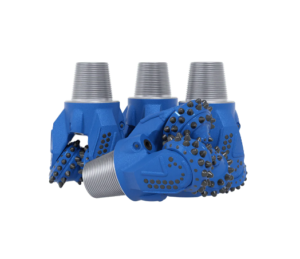
A multicone drill bit is a specialized cutting tool featuring multiple conical cutting sections or stepped cutting geometries. Depending on its design, it can produce holes with different diameters through a progressive cutting process.
Unlike conventional twist drill bits, which generally use a fixed cutting diameter, certain multicone drill bit designs allow users to enlarge an existing hole or create different hole sizes without frequently changing tools.
The conical geometry helps guide the cutting action into the material. As the tool penetrates deeper, the cutting diameter may increase according to the geometry of the individual cone sections.
For sheet metal fabrication, this design can be particularly useful when working with panels that require different hole diameters for fasteners, cable connections, mounting components, and mechanical assemblies.
The main characteristics of multicone drill bits include:
Multiple cutting diameters: Depending on the design, one tool can accommodate several hole sizes.
Progressive cutting action: The conical geometry allows the cutting diameter to increase gradually.
Versatile applications: Suitable designs can be used for different sheet metal materials.
Reduced tool changes: Multiple hole sizes may be produced without repeatedly replacing the drill bit.
Improved hole-size control: Operators can select the required cutting depth to achieve the desired diameter.
It is important to distinguish multicone drill bits from conventional step drill bits. Their exact cutting structures and intended applications can vary by manufacturer, so users should always check the tool specifications before selecting one for sheet metal work.
Before drilling, select a multicone drill bit that matches the material, thickness, and required hole diameter.
Different sheet metals have different hardness levels, cutting characteristics, and heat-generation requirements. Using an unsuitable cutting tool can result in excessive friction, poor hole quality, premature tool wear, or deformation of thin metal panels.
Stainless steel is harder to machine than many ordinary sheet metals. It also generates considerable heat during drilling and can become work-hardened if the cutting process is performed incorrectly.
When drilling stainless steel, choose a suitable high-performance cutting tool with sufficient hardness and wear resistance. Maintain a controlled cutting speed and use an appropriate cutting lubricant.
Avoid allowing the drill bit to rub against the surface without cutting, as this can increase heat generation and make subsequent drilling more difficult.
Aluminum is relatively soft and lightweight, making it easier to drill than stainless steel in many applications.
However, aluminum can stick to cutting edges and produce long, curled chips. A sharp cutting edge, suitable cutting speed, and effective chip removal help prevent material buildup.
For thin aluminum panels, use light and consistent pressure to minimize deformation around the hole.
Galvanized steel consists of a steel substrate protected by a zinc coating. When drilling this material, the cutting process must penetrate both the protective coating and the underlying steel.
Use a suitable drill bit and avoid excessive pressure. After drilling, inspect the exposed edges and consider applying an appropriate corrosion-protection treatment if the application requires it.
Carbon steel is widely used in industrial enclosures, automotive components, machinery covers, and structural sheet metal assemblies.
Select a multicone drill bit with suitable material compatibility and cutting geometry. Proper lubrication and speed control can improve cutting performance and extend tool life.
Proper preparation is one of the most important steps in achieving accurate drilling results.
Thin metal sheets can vibrate, bend, or move during machining. If the workpiece is not secured correctly, the drill bit may produce an oversized hole, irregular edges, or an inaccurate drilling position.
Use a ruler, caliper, measuring tape, or positioning template to determine the exact hole location.
Mark the drilling center with a suitable marker or metal scriber.
For applications involving multiple holes, measure the spacing carefully and verify the layout before drilling. Accurate positioning is particularly important for mounting plates, electrical enclosures, and mechanical components.
Place the sheet metal on a stable workbench or drilling platform.
Use clamps or a suitable fixture to prevent movement during drilling. If possible, place a sacrificial backing plate underneath the sheet to provide additional support.
A backing plate can help reduce vibration and minimize burr formation when the cutting edge exits the material.
Never hold a loose sheet metal panel by hand while drilling.
Inspect the multicone drill bit before installation.
Check for:
Damaged or chipped cutting edges.
Excessive wear on the conical sections.
Bent or deformed shanks.
Rust, contamination, or accumulated metal chips.
Compatibility between the drill bit shank and the drill chuck.
A damaged cutting edge can cause uneven drilling, excessive heat, and poor surface quality.
A variable-speed electric drill, cordless drill, or drill press may be suitable depending on the tool design and workpiece requirements.
For repetitive industrial operations, a drill press or dedicated drilling machine can provide better positioning accuracy and stability.
Make sure the drill chuck securely grips the shank and that the tool runs without excessive vibration.
Once the workpiece and drilling equipment are prepared, follow a controlled drilling procedure.
Insert the drill bit into the drill chuck and tighten it securely.
Check that the cutting tool is correctly aligned with the spindle. Poor alignment can cause vibration, inaccurate hole dimensions, and uneven cutting forces.
If using a drill press, adjust the table height and workpiece position before starting the machine.
Place the cutting tip directly above the marked drilling location.
Keep the drill bit perpendicular to the sheet metal unless the specific application requires an angled hole.
Accurate alignment helps prevent the cutting tool from slipping across the metal surface.
For particularly thin or slippery sheets, a pilot hole or suitable center-positioning method may help, depending on the tool manufacturer’s recommendations.
Start the drill at a controlled speed suitable for the workpiece material and drill bit specifications.
Avoid immediately applying excessive rotational speed. High speeds can generate significant friction and heat, particularly when drilling stainless steel.
Aluminum generally permits higher cutting speeds than stainless steel, although the actual setting depends on tool diameter, cutting geometry, material thickness, and equipment capability.
If your drill has variable-speed control, begin conservatively and adjust according to the cutting performance.
Allow the cutting edges to engage the sheet metal gradually.
Apply steady, moderate pressure rather than forcing the drill bit into the material.
Excessive pressure can cause:
Deformation of thin metal sheets.
Premature cutting-edge wear.
Irregular or oversized holes.
Excessive vibration.
Damage to the drill bit.
The objective is to maintain a stable cutting action while allowing the tool to remove material efficiently.
One advantage of suitable multicone or progressive conical drill designs is that the cutting diameter can increase according to the depth of penetration.
If your particular tool has multiple diameter sections, monitor the penetration depth carefully.
Use a depth stop, reference markings, or a suitable measuring method to avoid cutting beyond the required diameter.
For precision applications, measure the hole with a caliper or appropriate hole gauge rather than relying entirely on visual inspection.
Once the required hole diameter has been achieved, reduce the feed pressure and withdraw the drill bit carefully.
Avoid pulling the drill bit out aggressively while it is rotating at high speed.
Allow the machine to stop before removing the workpiece or handling the drilled area.
After drilling, inspect the hole for burrs, sharp edges, deformation, and dimensional accuracy.
Use a suitable deburring tool or finishing method to remove sharp edges.
For applications requiring accurate assembly, check the hole diameter and roundness with appropriate measuring equipment.
A clean, properly finished hole improves component fit and reduces the risk of damaging cables, fasteners, or other assembled parts.
Cutting speed is an important factor when using multicone drill bits. Excessive speed can increase heat generation, while insufficient speed combined with excessive pressure can cause rubbing instead of effective cutting.
The appropriate speed depends on the drill bit material, cutting diameter, sheet metal hardness, and machine configuration.
The following table provides general starting guidance for small-diameter metal drilling. These are illustrative ranges, not universal specifications for every multicone drill bit.
| Sheet metal material | General speed guidance | Important considerations |
|---|---|---|
| Aluminum | 1,000–2,500 RPM | Prevent chip buildup |
| Mild steel | 500–1,200 RPM | Maintain steady feed |
| Galvanized steel | 500–1,000 RPM | Protect the zinc coating |
| Stainless steel | 200–600 RPM | Avoid work hardening |
| Copper sheet | 600–1,500 RPM | Prevent material sticking |
These values should be adjusted according to the actual cutting diameter and manufacturer’s recommendations. Larger cutting diameters generally require lower rotational speeds.
For example, a multicone drill bit cutting a 25 mm diameter hole should generally operate at a lower RPM than one cutting a 6 mm diameter hole.
Always prioritize the manufacturer’s recommended operating parameters.
Lubrication can significantly influence drilling performance, especially when working with stainless steel and other materials that generate considerable friction.
The correct cutting fluid helps reduce friction between the cutting edges and the workpiece. It can also improve chip evacuation, reduce heat accumulation, and extend the service life of the cutting tool.
Different materials may require different lubrication approaches.
For stainless steel: Use a suitable metalworking cutting oil to reduce friction and help control heat.
For aluminum: Use an aluminum-compatible cutting fluid that helps prevent material buildup on the cutting edges.
For carbon steel: A general-purpose metalworking cutting fluid may be appropriate.
For galvanized steel: Follow the drill bit and material manufacturer’s recommendations regarding lubrication and coating protection.
Not every multicone drill bit requires lubrication. Some tools are designed for specific dry-cutting applications. Always follow the manufacturer’s instructions.
Even when using a high-quality cutting tool, incorrect operating techniques can produce poor drilling results.
Understanding common mistakes can help improve productivity and reduce unnecessary tool replacement.
One of the most common mistakes is forcing the drill bit into the sheet metal.
Thin materials do not require excessive feed pressure. Too much force can bend the sheet, damage the cutting edges, and produce irregular holes.
Use steady pressure and allow the cutting geometry to perform the work.
Unsecured sheet metal can rotate or vibrate when the cutting edge engages the surface.
This creates a safety risk and can damage both the workpiece and the drill bit.
Always secure the sheet with appropriate clamps or fixtures before drilling.
A speed setting that works well for aluminum may be unsuitable for stainless steel.
Excessive speed can cause overheating and premature wear, while unsuitable low-speed operation may lead to poor cutting performance.
Adjust the operating speed according to the material and tool specifications.
Metal chips can accumulate around the cutting area and interfere with the drilling process.
Long aluminum chips and sharp steel fragments can also create safety hazards.
Stop the machine before removing accumulated chips. Use an appropriate brush or chip-removal tool rather than your fingers.
A dull cutting edge requires greater force and generates more heat.
If the drill bit begins producing rough holes, excessive burrs, unusual vibration, or increased cutting resistance, inspect it for wear or damage.
Replace the tool when its cutting performance can no longer meet the required standards.
A multicone drill bit designed for thin sheet metal may not be suitable for thick steel plates.
Before drilling, verify the maximum material thickness and intended applications specified by the manufacturer.
Do not assume that every conical drill design can handle every metal thickness.
Producing clean holes is particularly important in electrical enclosures, automotive panels, industrial cabinets, and precision metal fabrication.
The following practices can improve drilling quality.
Use a backing plate: Supporting the sheet from underneath helps reduce vibration and deformation, especially near the breakthrough point.
Maintain perpendicular alignment: Keep the cutting tool aligned with the intended drilling axis to reduce irregular hole geometry.
Control the penetration depth: For multi-diameter cutting designs, carefully control how deeply the tool enters the material.
Use sharp cutting edges: A sharp tool generally requires less cutting force and produces better hole quality.
Remove burrs immediately: Deburring improves edge safety and helps ensure proper component installation.
Measure the finished hole: Use calipers, plug gauges, or other suitable inspection tools when dimensional accuracy is important.
For high-volume manufacturing, establishing consistent drilling parameters and inspecting sample holes regularly can help maintain production quality.
Multicone drill bits can be useful in various sheet metal fabrication tasks, depending on their cutting geometry and material compatibility.
Electrical cabinets and control boxes frequently require holes for cable glands, connectors, switches, and mounting components.
A suitable multicone drill bit can help produce different hole diameters in thin enclosure panels.
Automotive manufacturing involves drilling holes in body panels, brackets, mounting plates, and other metal components.
Suitable conical cutting tools may be used for maintenance, repair, and certain fabrication operations.
HVAC installations often require holes in sheet metal ducts, equipment covers, and ventilation panels.
Selecting the correct drill bit can simplify the production of holes for mounting hardware, cable connections, and other accessories.
Machine guards, protective covers, metal housings, and equipment panels often require accurately positioned holes.
A suitable multicone drill bit can help reduce tool changes when different hole diameters are needed.
In workshops, maintenance facilities, and repair operations, multicone drill bits can provide a convenient drilling option for compatible sheet metal materials.
Their usefulness depends on the specific cutting design, material thickness, and required hole dimensions.
Proper maintenance helps preserve cutting performance and reduce operating costs.
After each drilling operation, clean the cutting edges and remove accumulated metal chips. Inspect the conical sections for wear, chipping, or deformation.
Store the drill bit in a dry and organized tool case to prevent corrosion and accidental damage.
Avoid allowing cutting edges to contact other metal tools during storage.
For tools that can be resharpened, follow the manufacturer’s recommended sharpening procedure. Incorrect sharpening can change the original cutting geometry and negatively affect hole quality.
It is also important to avoid overheating during operation. Excessive heat can reduce cutting-edge hardness and shorten tool life.
For professional applications, keep records of drilling materials, operating speeds, lubrication conditions, and tool replacement intervals. This information can help identify the most effective operating parameters for different sheet metal applications.
Yes, a suitable multicone drill bit can be used on certain stainless steel sheet metal applications if its cutting material, geometry, and specifications are compatible with stainless steel.
Use a controlled rotational speed, steady pressure, and appropriate cutting lubricant where recommended. Avoid excessive friction because stainless steel can become work-hardened.
Yes. Compatible multicone drill bits can be used for drilling aluminum sheets.
Because aluminum is relatively soft, proper chip removal is important. Use a sharp cutting edge and an appropriate cutting fluid if recommended to prevent aluminum from sticking to the tool.
They can be suitable for thin metal sheets when the cutting geometry and tool specifications match the application.
However, thin sheets are more susceptible to vibration, bending, and deformation. Secure the workpiece firmly and apply controlled drilling pressure.
Some multicone drill bit designs allow multiple hole diameters to be produced using different cutting sections.
The available diameters depend on the specific tool geometry. Check the manufacturer’s diameter specifications before purchasing.
Rough holes can result from several factors, including dull cutting edges, excessive rotational speed, poor workpiece support, incorrect feed pressure, or unsuitable cutting geometry.
Inspect the drill bit, secure the sheet metal, adjust the operating parameters, and use an appropriate finishing or deburring process.
Secure the sheet with clamps and use a stable backing plate underneath the drilling area.
Avoid excessive feed pressure and use a sharp drill bit. For particularly thin materials, proper support is essential for maintaining a flat surface and producing clean holes.
Choosing the right cutting tool is essential for achieving accurate drilling results, improving production efficiency, and reducing manufacturing costs. Whether you are processing stainless steel sheets, aluminum panels, carbon steel components, or other industrial materials, selecting a drill bit with the correct cutting geometry and material properties can make a significant difference.
If you are looking for multicone drill bits, specialized drilling tools, or other industrial cutting solutions, visit the website to explore available products and learn more about different drill bit types, specifications, materials, and applications.
When selecting a multicone drill bit, consider the following factors:
The type and hardness of the sheet metal being processed.
The thickness of the workpiece.
The required hole diameter and dimensional tolerance.
The cutting material and geometry of the drill bit.
Compatibility with your drilling machine.
Expected tool life and overall machining efficiency.
Visit www.xiangriyang.com to explore industrial drill bit products and find suitable cutting tool solutions for your metalworking and manufacturing requirements.
Choosing the right multicone drill bit and following proper drilling procedures will help you achieve cleaner holes, more consistent results, and better performance in sheet metal fabrication

