Our Location
304 North Cardinal St.
Dorchester Center, MA 02124

304 North Cardinal St.
Dorchester Center, MA 02124

Yes, tungsten steel drill bits can drill through stainless steel, but their effectiveness depends on the drill bit’s actual material composition, cutting-edge geometry, hardness, heat resistance, and the type of stainless steel being machined. Tungsten steel is a broad commercial term that can refer to tungsten-alloy tool steel or tungsten carbide. These materials have different mechanical properties, and understanding the difference is essential when selecting a drill bit for stainless steel applications.
Stainless steel is widely used in industrial manufacturing, automotive components, food-processing equipment, construction hardware, medical equipment, and chemical-processing systems. Although stainless steel offers excellent corrosion resistance, it can be challenging to machine because of its toughness, work-hardening characteristics, and relatively low thermal conductivity. During drilling, a considerable amount of heat can accumulate near the cutting edge, potentially causing premature wear, reduced cutting efficiency, or damage to the drill bit.
Tungsten carbide drill bits are known for their exceptional hardness, wear resistance, and ability to maintain cutting performance under demanding conditions. They can be highly effective for drilling stainless steel when the tool grade, geometry, and operating parameters are appropriate. However, tungsten carbide is also relatively brittle compared with high-speed steel, so excessive vibration, sudden impacts, and poor machine rigidity can cause chipping or breakage.
For general-purpose workshop drilling, a high-quality cobalt-alloy high-speed steel drill bit is often a practical choice for stainless steel. For production machining, CNC drilling, and high-volume applications, solid carbide or carbide-tipped tools may offer better productivity when used with suitable equipment and cutting conditions.
Tungsten steel is commonly associated with tool materials containing tungsten, an element valued for its high melting point, hardness-related properties, and ability to contribute to wear resistance. In commercial tooling, the term may refer to tungsten-containing high-speed steel or tungsten carbide, so buyers should always verify the exact material specification rather than relying on the name alone.
Tungsten carbide is generally produced by combining tungsten carbide particles with a metallic binder, commonly cobalt. The resulting material has very high hardness and excellent resistance to abrasive wear. Depending on the grade, carbide tools can retain their cutting edges at elevated temperatures more effectively than many conventional tool steels. These properties make carbide suitable for high-speed machining and demanding industrial drilling operations.
The suitability of a tungsten-based drill bit for stainless steel, however, depends on more than hardness alone. Stainless steel can generate substantial cutting forces, and the drill bit must withstand those forces without excessive deflection or edge damage. A very hard tool with unsuitable geometry may perform poorly, even if its material has excellent wear resistance.
For example, a solid carbide drill designed specifically for stainless steel may feature an optimized point angle, reinforced cutting edges, polished flutes, and a coating selected for the intended cutting conditions. These features help manage chip formation, reduce friction, and improve tool life. By contrast, a generic tungsten carbide drill intended for masonry, glass, or other brittle materials may be unsuitable for drilling metal.
The most important principle is to select a tungsten-based drill bit specifically designed for metalworking and, ideally, for stainless steel. The material, geometry, and application must work together to produce a reliable result.
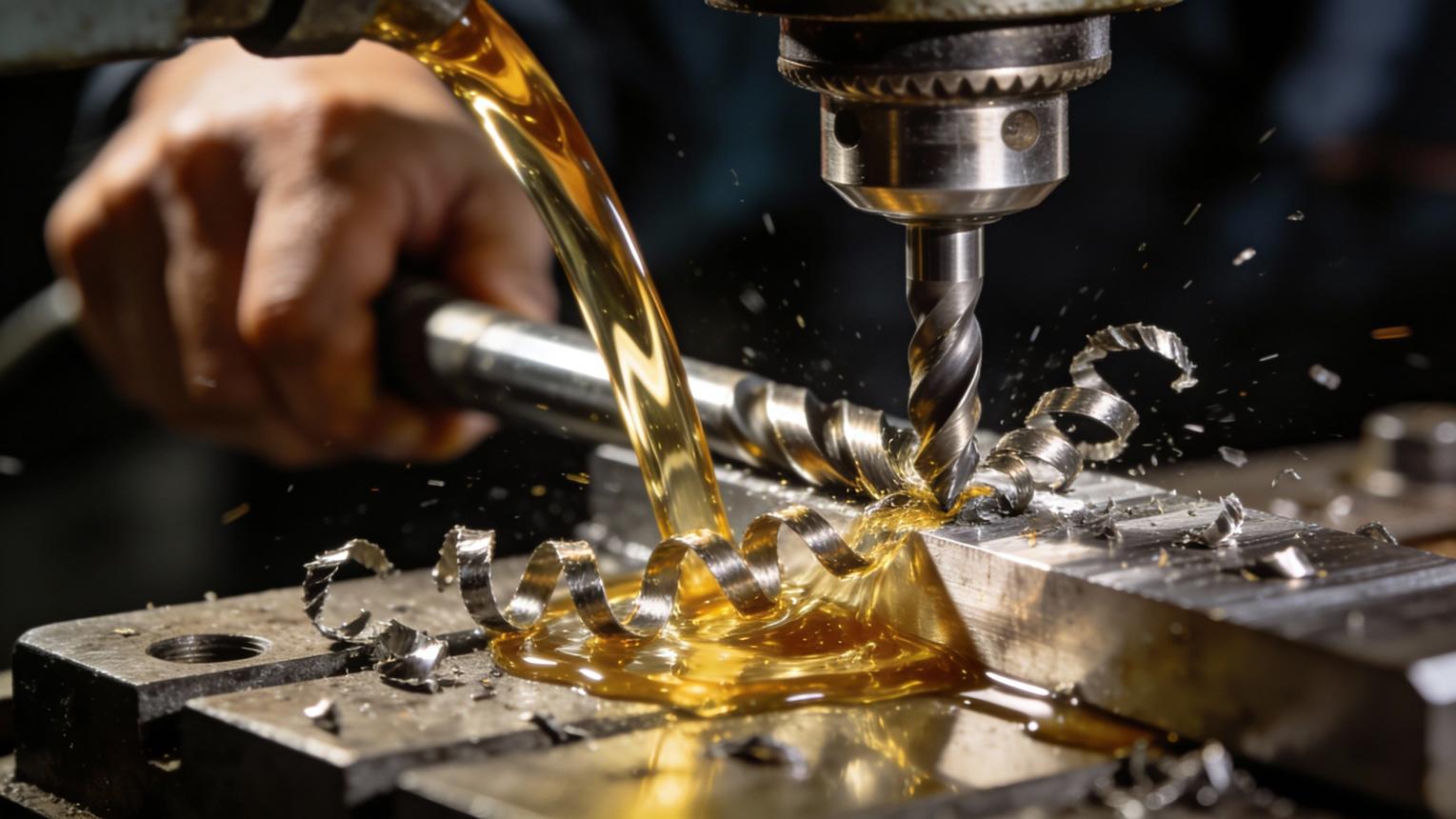
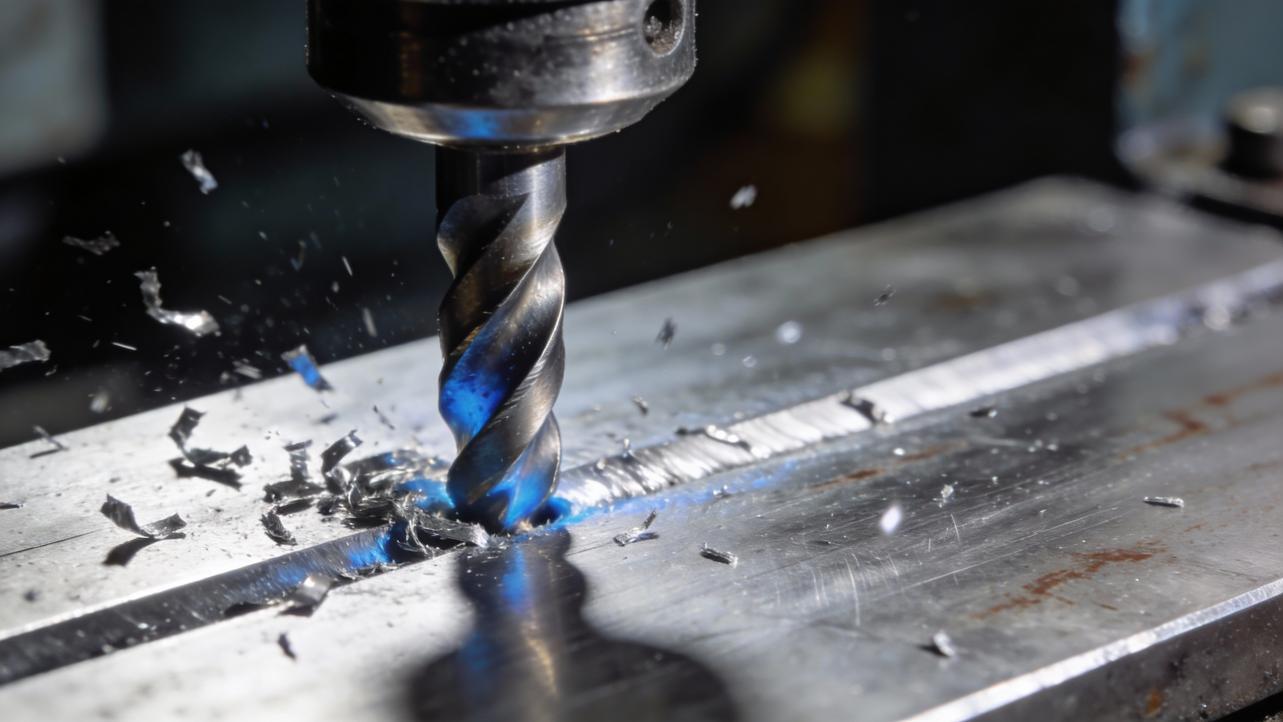
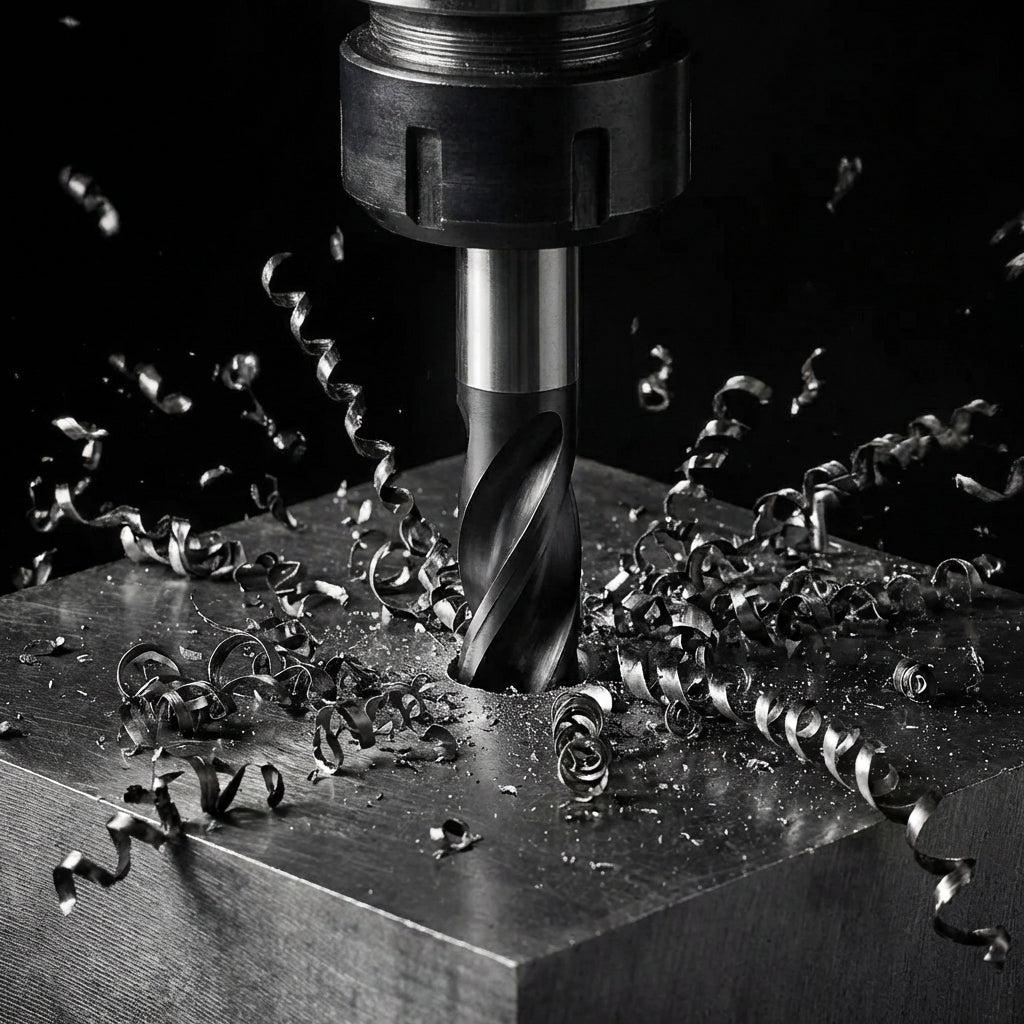
Many stainless steel grades, especially austenitic stainless steels, can become harder when subjected to plastic deformation during machining. This phenomenon is called work hardening. If the drill bit rubs against the surface without cutting efficiently, the material immediately beneath the cutting edge may become harder than the original metal.
Once this hardened layer develops, the drill bit must work harder to penetrate it. Cutting forces may increase, the cutting edge may wear more rapidly, and drilling may become increasingly difficult. In severe cases, the bit may stop cutting effectively and begin rubbing against the workpiece.
Tungsten carbide’s high hardness and wear resistance can help maintain a sharp cutting edge, but the tool still needs to cut continuously rather than rub against the metal. A suitable feed rate, correct drill geometry, and a stable setup are therefore essential.
Stainless steel generally conducts heat less effectively than carbon steel. As a result, heat generated during drilling can remain concentrated near the cutting edge instead of spreading rapidly through the workpiece.
Excessive heat can accelerate tool wear, damage coatings, affect the workpiece surface, and cause chips to adhere to the cutting edge. It may also contribute to discoloration around the hole and reduce dimensional accuracy.
Tungsten carbide can tolerate relatively high cutting temperatures, depending on its grade and operating conditions. Nevertheless, carbide is not immune to thermal damage. Excessive heat, sudden temperature changes, and inappropriate coolant application can shorten tool life or contribute to cracking. Proper cutting parameters and chip evacuation remain necessary.
During drilling, stainless steel may generate long, continuous chips that can wrap around the drill bit or accumulate inside the flutes. Poor chip evacuation increases friction, raises cutting temperatures, and may scratch the hole wall.
A drill bit with well-designed flutes can help remove chips efficiently. For deeper holes, chip evacuation becomes particularly important because chips have a longer distance to travel before leaving the hole. Depending on the drill design and machining setup, periodic peck drilling or through-tool coolant may be necessary.
For this reason, a drill bit designed for stainless steel should offer not only wear resistance but also suitable flute geometry and reliable chip control.
Both tungsten carbide and cobalt-alloy high-speed steel drill bits can be used for stainless steel, but they are suited to different working environments.
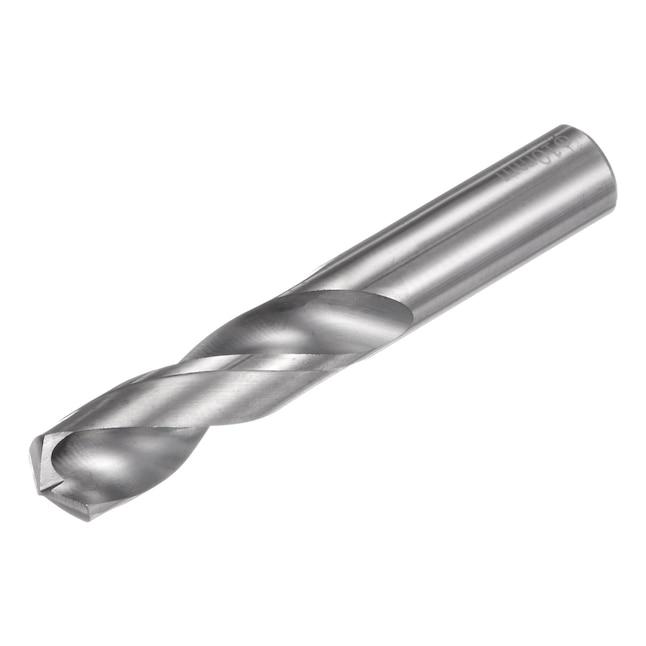
Tungsten Carbide Drill Bits
Tungsten carbide drill bits offer very high hardness, strong wear resistance, and excellent performance in stable, high-speed machining. They are particularly suitable for CNC equipment, repetitive production, and applications requiring consistent hole quality and productivity. Their main limitation is brittleness: they are more sensitive to vibration, misalignment, interrupted cuts, and sudden impacts than many HSS tools.
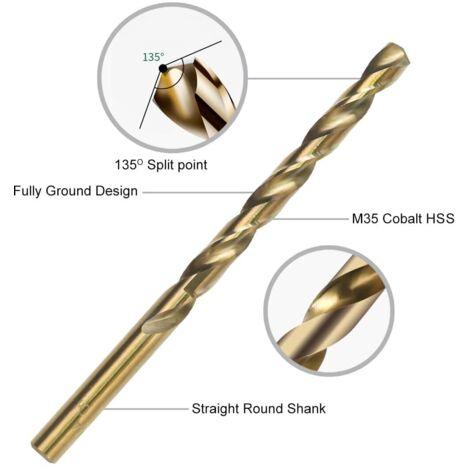
Cobalt drill bits, commonly made from M35 or M42 high-speed steel, are designed to retain hardness at elevated temperatures and are widely used for drilling stainless steel. They generally offer better toughness than solid carbide and are more forgiving in handheld drilling or less rigid setups. They can be an excellent choice for maintenance work, fabrication, and general workshop applications.
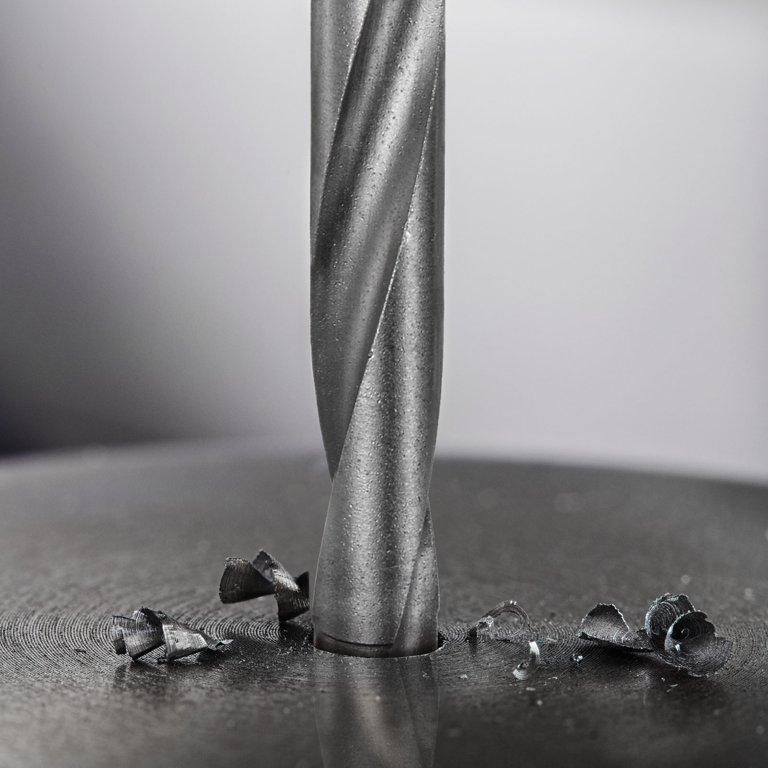
Carbide-tipped tools combine a carbide cutting portion with a tougher supporting body. Their performance depends heavily on the design and intended material. Some are made for specific metal-cutting applications, while others are intended for masonry or other materials. A carbide-tipped drill should only be used for stainless steel when the manufacturer explicitly specifies that application.
The table below summarizes their practical differences.
| Feature | Tungsten carbide | Cobalt HSS |
|---|---|---|
| Hardness | Very high | High |
| Wear resistance | Excellent | Good to very good |
| High-speed machining | Excellent with suitable setup | Good |
| Resistance to impact and vibration | Relatively low | Generally higher |
| Handheld drilling | Usually less forgiving | Often a better choice |
| CNC production drilling | Excellent when properly selected | Suitable for many operations |
| Initial tool cost | Usually higher | Often lower |
| Best application | Stable, productive machining | General-purpose stainless steel drilling |
Which is better? If you are drilling stainless steel with a rigid CNC machine and need high productivity, a stainless-steel-specific solid carbide drill can be an excellent choice. If you are using a portable drill, working on-site, or drilling occasional holes, a quality cobalt HSS drill is often easier to manage and more economical.
Different stainless steel grades respond differently to drilling. Before choosing a drill bit, identify the stainless steel grade whenever possible.
Stainless steel 304 is one of the most widely used austenitic grades. It is found in kitchen equipment, industrial tanks, architectural components, fasteners, and general fabrication. Its corrosion resistance and formability make it useful in many environments, but its work-hardening behavior can make drilling more difficult than drilling ordinary mild steel.
A tungsten carbide drill designed for stainless steel can machine 304 effectively when the machine is rigid and cutting conditions are correct. Use a sharp tool, avoid prolonged rubbing, and ensure chips can escape from the hole. For occasional work with a handheld drill, a cobalt HSS drill is often a more forgiving alternative.
Stainless steel 316 contains molybdenum, which improves resistance to certain forms of corrosion, especially in chloride-containing environments. It is widely used in marine equipment, chemical processing, pharmaceutical facilities, and applications requiring enhanced corrosion resistance.
Like 304, 316 can work-harden during drilling and may create difficult chips. A carbide drill with geometry designed for austenitic stainless steel can provide good results in stable production environments. Correct feed, appropriate speed, effective cooling, and chip removal are important for maintaining tool life.
Ferritic stainless steels, such as some 400-series grades, and martensitic stainless steels can have different machining characteristics from austenitic grades. Their machinability depends on the specific alloy, heat treatment, hardness, and microstructure.
Some martensitic grades can be significantly harder after heat treatment. In these cases, selecting a drill based only on the term “stainless steel” is insufficient. The drill manufacturer’s material recommendations and the actual hardness of the workpiece should guide the decision.
Duplex stainless steels combine austenitic and ferritic microstructures and are valued for their strength and corrosion resistance. They can impose high cutting forces and may be challenging to machine.
For duplex stainless steel, choose a robust drill specifically rated for the material, ensure the machine is rigid, and follow the tool manufacturer’s recommended cutting parameters. High hardness alone does not guarantee success; edge strength, chip control, and machining stability are equally important.
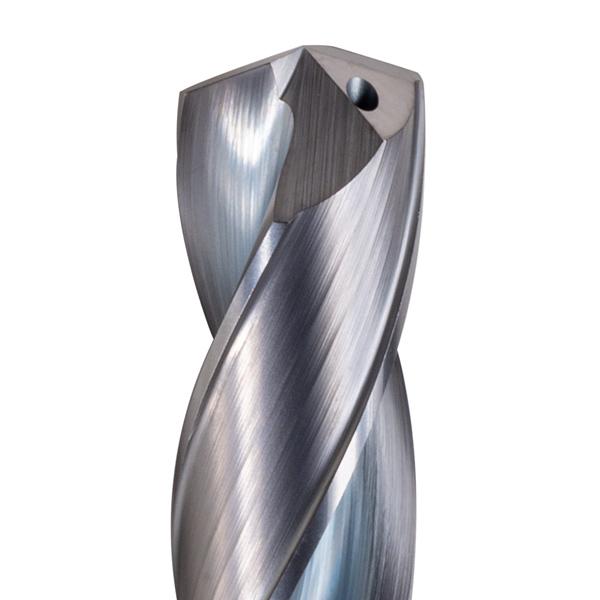
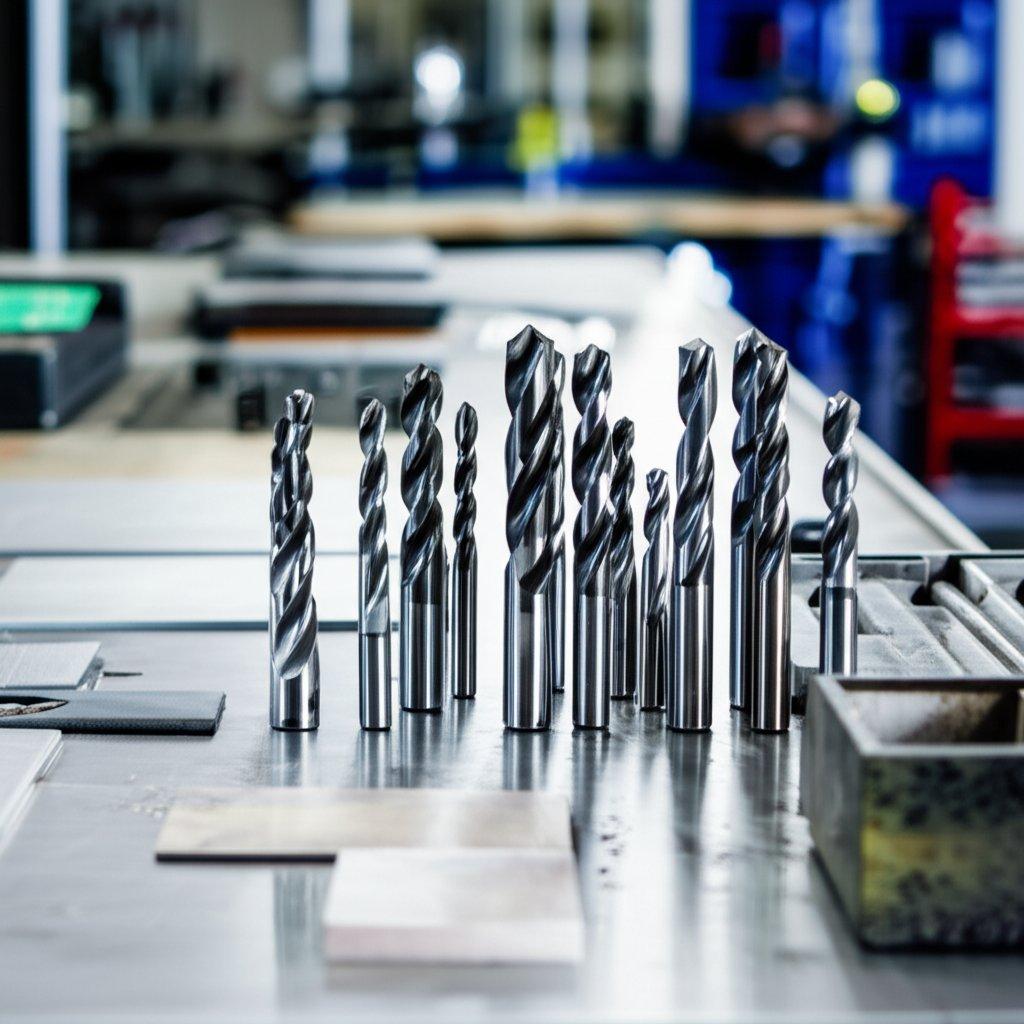
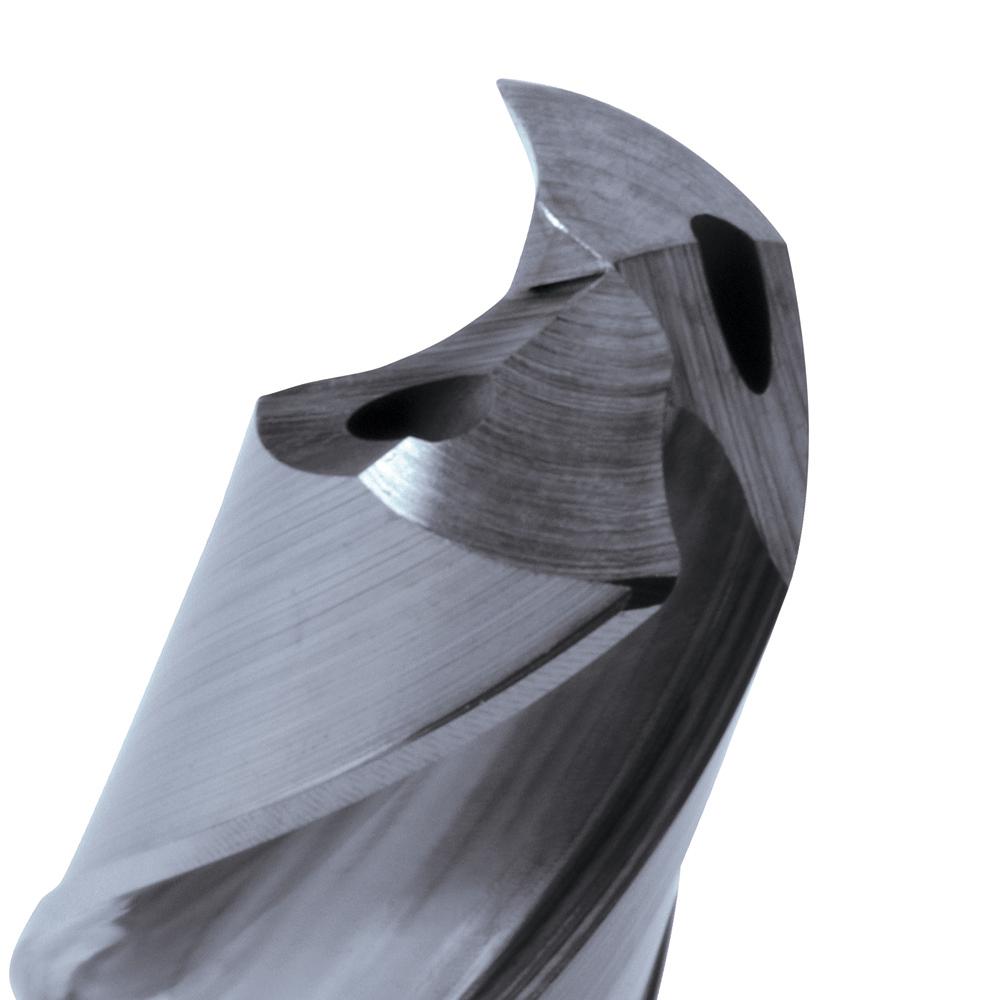
The phrase “tungsten steel drill bit” does not always identify a precise material grade. A product may be made from solid tungsten carbide, tungsten-containing HSS, or a different construction marketed under a similar description.
For industrial drilling, check whether the product is specified as solid carbide, carbide-tipped, or high-speed steel. Review the manufacturer’s recommended workpiece materials and operating conditions. A bit intended for concrete or masonry should not be assumed suitable for stainless steel simply because its cutting portion contains tungsten carbide.
Drill point geometry influences cutting forces, centering behavior, heat generation, and chip formation. For stainless steel, a sharp, appropriately reinforced point can help the tool enter the material and maintain stable cutting.
Many metal-cutting twist drills use point angles around 118 or 135 degrees, but the correct choice depends on the tool design, workpiece grade, diameter, and machining conditions. Split-point designs may improve centering and reduce the tendency to wander. The manufacturer’s recommended geometry should take priority over a universal angle rule.
Drill diameter directly affects cutting speed at a given spindle speed. A small-diameter drill can rotate faster while maintaining the same peripheral cutting speed as a larger drill. A large-diameter drill generally requires a lower spindle speed under equivalent conditions.
Diameter also affects rigidity and chip evacuation. Thin drills are more vulnerable to breakage, while larger drills may require greater machine power and higher thrust force. Select a diameter suitable for the required hole size, tolerance, and machining operation.
Some carbide drills use coatings to improve wear resistance, reduce friction, or support high-temperature performance. However, coatings are not interchangeable, and the best coating depends on the substrate, workpiece material, coolant strategy, and cutting speed.
A coated drill designed for stainless steel may improve tool life in an appropriate application. Nevertheless, a coating cannot compensate for an unsuitable drill geometry, excessive vibration, poor chip evacuation, or incorrect cutting parameters.
Shallow holes are generally easier to machine than deep holes because chips can escape more readily and the drill is less exposed to deflection. Deep-hole drilling requires greater attention to flute design, coolant delivery, chip removal, and tool rigidity.
For holes several times the drill diameter in depth, follow the tool manufacturer’s recommendations for peck drilling or continuous drilling. Specialized deep-hole drills may be necessary for demanding applications.
Cutting speed and feed rate are among the most important variables when drilling stainless steel. Incorrect parameters can cause excessive heat, work hardening, rapid edge wear, poor surface quality, or drill breakage.
There is no single spindle speed or feed rate that works for every tungsten steel drill bit. The appropriate values depend on whether the tool is solid carbide or HSS, the stainless steel grade, drill diameter, coating, coolant, machine rigidity, and hole depth.
Solid carbide drills designed for stainless steel often operate at higher cutting speeds than conventional HSS drills when used in a suitable machine. Cobalt HSS drills generally require more conservative speeds, particularly when drilling austenitic stainless steel.
The following values are illustrative starting ranges for planning, not universal manufacturer specifications.
| Drill material | Illustrative cutting-speed range for stainless steel |
|---|---|
| Cobalt HSS | Approximately 8–20 m/min |
| Solid carbide designed for stainless steel | Approximately 30–80 m/min |
These ranges can vary substantially with the tool grade, stainless steel hardness, coating, coolant, and production requirements. Some specialized carbide tools may support speeds outside these ranges. Always prioritize the manufacturer’s cutting data for the exact tool and material.
Spindle speed can be calculated from cutting speed and drill diameter using the following formula:
Where:
\(n\) = spindle speed in revolutions per minute (rpm)
\(V_c\) = cutting speed in meters per minute (m/min)
\(D\) = drill diameter in millimeters (mm)
For example, suppose a 6 mm drill is intended to operate at a cutting speed of 12 m/min.
This calculation gives a spindle speed of approximately 637 rpm. It is a mathematical example rather than a universal setting for all 6 mm drills. The correct cutting speed must still be selected from the tool manufacturer’s recommendations.
Feed rate determines how quickly the drill advances into the material. If the feed is too low, the cutting edge may rub rather than cut, increasing the risk of work hardening. If the feed is too high, cutting forces can become excessive and cause edge chipping, drill deflection, or breakage.
For CNC drilling, feed rate is commonly calculated using:
Where:
\(V_f\) = feed rate in millimeters per minute (mm/min)
\(n\) = spindle speed in rpm
\(f_n\) = feed per revolution in millimeters per revolution (mm/rev)
Feed per revolution should be selected according to drill diameter, tool construction, workpiece material, and the manufacturer’s cutting data. It should not be reduced indiscriminately in response to noise or heat, because insufficient feed can worsen rubbing and work hardening.
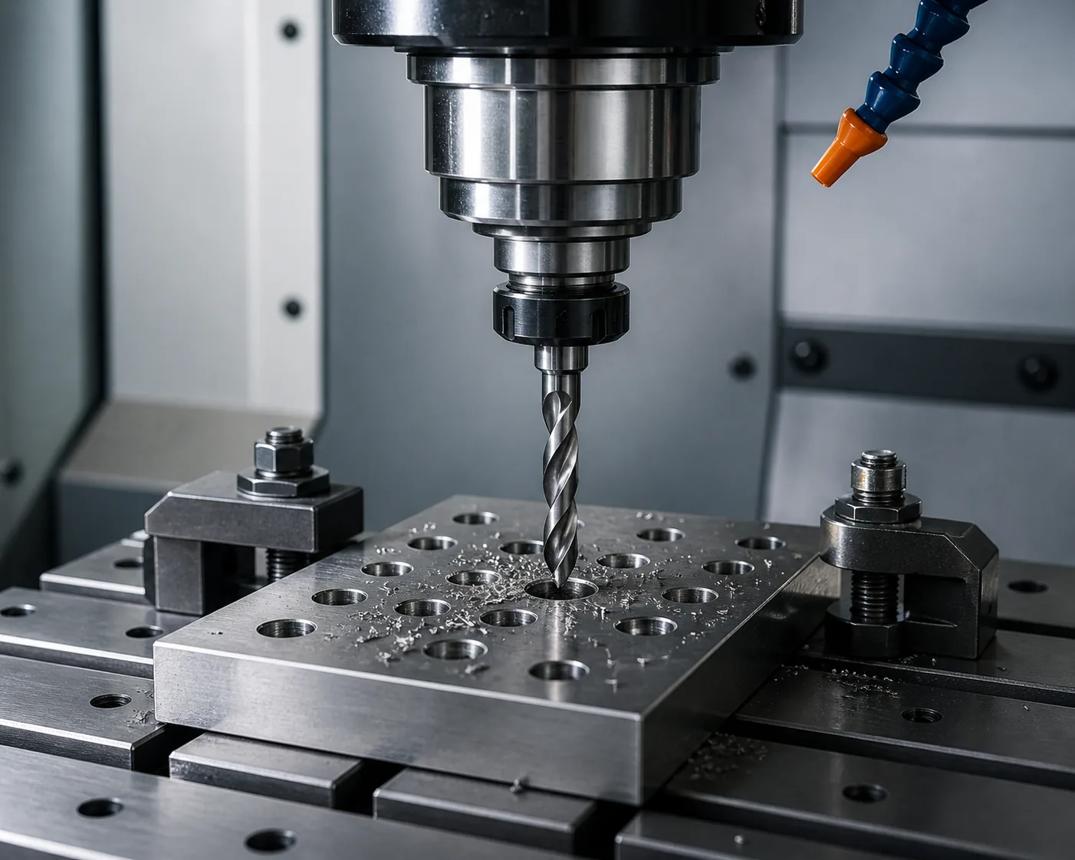
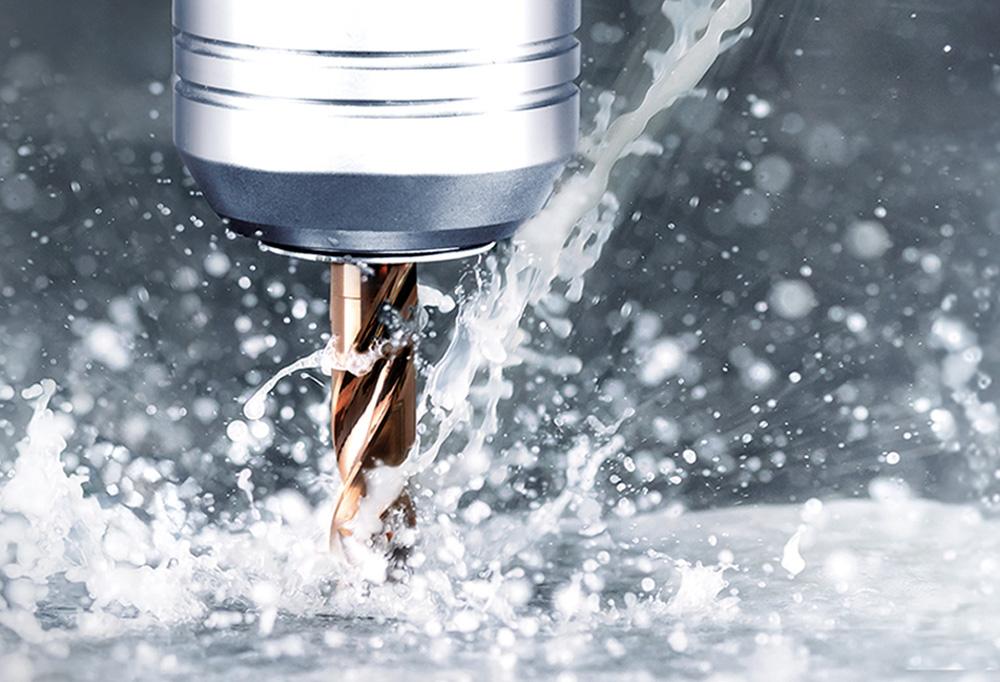
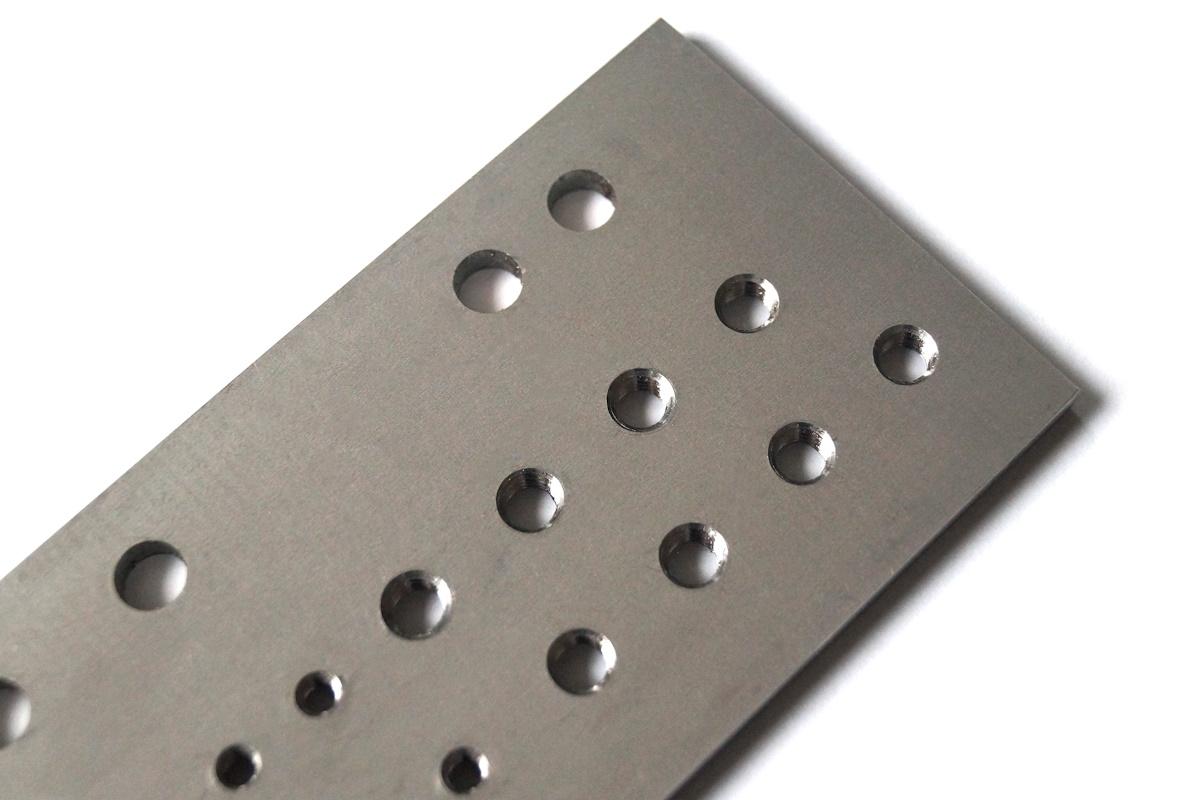
Clamp the workpiece firmly before drilling. Stainless steel sheets, plates, tubes, and small components can move or vibrate if they are not adequately supported. Movement can damage the cutting edge, produce an inaccurate hole, or cause a brittle carbide drill to break.
For thin sheets, use appropriate backing support where practical. Make sure the clamping arrangement does not distort the component or interfere with the drill path. Stable workholding is especially important for solid carbide tools because their high hardness is accompanied by relatively low tolerance for sudden bending loads.
Accurate positioning helps prevent the drill from wandering when it first contacts the surface. Depending on the workpiece and tooling, a suitable spotting drill, center drill, or other approved positioning method can be used.
For precision CNC operations, the spotting method should be compatible with the main drill’s geometry. An improperly shaped or excessively deep pilot hole can reduce the support provided to the drill point and negatively affect tool life.
Set spindle speed and feed according to the drill diameter, tool material, stainless steel grade, and machine capability. Avoid choosing a high speed simply because the drill is made from tungsten carbide.
A solid carbide drill on a rigid CNC machine can often run much faster than a conventional HSS drill, but a handheld tool or unstable setup requires a different approach. If the drill manufacturer’s recommended cutting conditions cannot be maintained, consider a more suitable tool construction rather than forcing the process.
Cutting fluid can reduce friction, help manage temperature, and assist chip evacuation. A suitable coolant or cutting oil may improve tool life when drilling stainless steel, particularly in applications where heat and chip buildup are concerns.
The correct coolant depends on the drill manufacturer’s recommendations and the machining system. Through-tool coolant can be particularly useful for deeper holes. For solid carbide drills, avoid sudden temperature shocks caused by inappropriate intermittent coolant application to an extremely hot cutting edge.
Stainless steel can work-harden when the drill rubs against the surface without removing material effectively. Maintain an appropriate feed so that the cutting edge forms chips rather than polishing or scraping the workpiece.
If the drill begins to squeal, produce excessive heat, or stop forming normal chips, pause and investigate the cause. Check tool sharpness, alignment, spindle speed, feed rate, and chip evacuation rather than repeatedly pressing harder or allowing the drill to rub.
Long chips can become trapped in the flutes and cause the drill to seize or overheat. Ensure the selected drill geometry is suitable for the hole depth and that chips can escape safely.
For deep holes, follow the manufacturer’s guidance on pecking cycles or specialized chip-removal procedures. Peck drilling is not automatically the best option for every solid carbide drill; some designs are intended for continuous drilling under stable conditions. The procedure should match the tool and application.
After drilling, inspect the hole diameter, roundness, surface finish, and entry and exit edges. Check the cutting edge for chips or wear before using the drill again.
If the hole is oversized or rough, investigate tool runout, workpiece movement, tool wear, chip recutting, and cutting parameters. Consistent inspection is especially valuable in production environments where small changes in tool condition can affect many components.
Rapid wear can result from excessive cutting speed, an unsuitable tool grade, insufficiently sharp cutting edges, poor coolant delivery, or a workpiece grade that is more difficult to machine than expected.
Work hardening can also accelerate wear when the drill rubs against the surface. Verify the drill’s intended application and check the cutting parameters against the manufacturer’s data. If the drill is not specifically designed for stainless steel, replacing it with an appropriate metal-cutting tool may be more effective than repeatedly changing the operating speed.
Carbide drill bits can break when exposed to vibration, excessive runout, misalignment, sudden impact, or bending forces. Small-diameter drills and deep holes are particularly sensitive to setup quality.
To reduce the risk, secure the workpiece, verify the tool holder and spindle runout, use an appropriate feed, and prevent chips from becoming trapped. If the setup is a handheld drill or an unstable portable arrangement, a cobalt HSS drill may be more appropriate than a solid carbide tool.
Discoloration around a drilled hole can indicate substantial heat generation, although surface appearance alone cannot identify the exact cause. Excessive cutting speed, rubbing, a dull tool, or poor chip removal may contribute.
Check the cutting parameters, tool condition, and coolant arrangement. Reducing spindle speed may help if the cutting speed is excessive, but reducing feed too much can cause further rubbing and work hardening. Adjust both variables based on the manufacturer’s recommendations.
If the drill spins without making meaningful progress, the cutting edges may be blunt, the material may have work-hardened, or the tool may be unsuitable for the stainless steel grade.
Stop rather than continuing to rub the tool against the surface. Inspect the cutting edge and reassess the tool selection and operating conditions. If a hardened layer has formed, a sharper, correctly specified tool and an appropriate machining procedure may be required to restore effective cutting.
Poor hole quality can result from tool runout, excessive vibration, chip recutting, worn cutting edges, or inappropriate drilling geometry. Inaccurate workholding can also allow the workpiece to move during cutting.
For precision components, verify spindle alignment, toolholder condition, feed rate, and chip evacuation. If tight tolerances are required, a dedicated finishing operation may be necessary rather than expecting the drilling operation alone to produce the final dimensions.
Yes, but the type of tungsten-based drill bit matters.
A conventional handheld electric drill is commonly used for drilling small holes in stainless steel sheet, brackets, pipes, and other fabricated components. However, handheld drilling introduces vibration, misalignment, and inconsistent feed pressure, which can be problematic for solid carbide drills.
For general maintenance work, a cobalt HSS drill is often the more practical choice because it offers a useful balance of heat resistance, toughness, and affordability. It can tolerate ordinary workshop conditions better than many solid carbide drills.
A solid carbide drill may be suitable for handheld use only when the drill is specifically designed for that application and the setup provides adequate stability. For most users, especially those without a rigid drill press or CNC machine, it is safer and more economical to choose a quality cobalt drill designed for stainless steel.
When drilling by hand, clamp the workpiece securely, use a suitable speed, maintain a controlled feed, and apply appropriate cutting fluid where recommended. Wear suitable eye protection, keep hands away from rotating tools, and never hold a small stainless steel component directly in your hand while drilling.
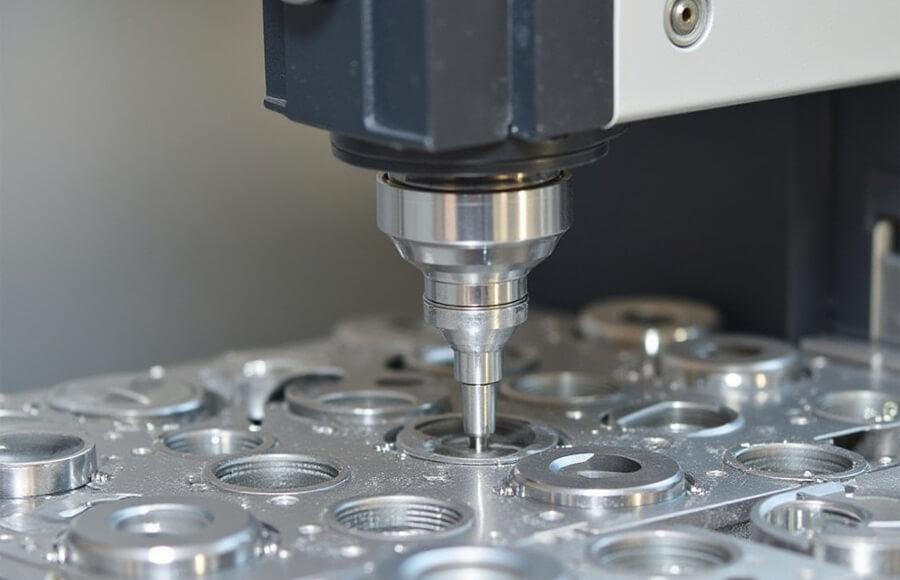
Automotive manufacturers use stainless steel in selected exhaust components, fasteners, brackets, fluid-handling parts, and other specialized assemblies. Drilling operations may require consistent hole locations, repeatable dimensions, and dependable tool life across large production batches.
Solid carbide drills can be useful for automated drilling operations because their wear resistance supports repeatable machining performance. The exact tool must still be selected according to the alloy, component geometry, and production requirements.
Stainless steel is widely used in food-processing machinery because of its corrosion resistance, cleanability, and suitability for many hygienic applications. Components may include frames, tanks, fittings, conveyors, and processing equipment.
Drilling these components often requires good surface quality and accurate hole dimensions. Appropriate carbide tooling can improve production efficiency in stable machining environments, while careful finishing and cleaning procedures help meet the requirements of the final component.
Chemical-processing and pharmaceutical equipment may use 316 or other corrosion-resistant stainless steel grades. These components can require accurate holes for fittings, fluid passages, fasteners, and assemblies.
Because some of these materials can be difficult to machine, drill selection should account for alloy composition, work-hardening behavior, and component specifications. Suitable carbide tools can offer good wear resistance, provided the machine, coolant strategy, and cutting parameters are appropriate.
Precision CNC machining is one of the most suitable environments for many solid carbide drill bits. Rigid machine structures, accurate toolholders, controlled feed rates, and automated coolant delivery help reduce vibration and maintain consistent cutting conditions.
For repeated stainless steel drilling operations, the combination of a purpose-designed carbide drill and optimized machining parameters can improve productivity and reduce unplanned tool changes. Tool life should be evaluated using actual production data rather than hardness specifications alone.
Stainless steel is also used in industrial enclosures, machinery components, structural hardware, and equipment assemblies. The appropriate drill depends on whether the work involves thin sheet metal, thick plate, tubing, or a precision-machined component.
Carbide can be highly effective for production machining, but cobalt HSS often remains more practical for portable fabrication and occasional maintenance work. Selecting the right tool for the work environment is more important than choosing the hardest available material.
A suitable tungsten carbide drill can provide long service life, but its performance depends on how it is selected, operated, and maintained.
First, use the correct tool for the stainless steel grade and drilling operation. A drill intended for general steel may not provide the best chip control or edge strength for austenitic stainless steel. Check the manufacturer’s material recommendations, diameter range, and cutting data before starting production.
Second, maintain a rigid machining setup. Tool runout, loose fixtures, poor alignment, and vibration can damage the cutting edges, especially on solid carbide drills. Regular inspection of the toolholder, spindle, and workholding system can prevent repeated tool failures.
Third, optimize cutting speed and feed rate together. Excessive speed can increase heat and wear, while insufficient feed can cause rubbing and work hardening. The correct balance depends on the tool geometry, workpiece material, coolant, and hole depth.
Fourth, pay attention to chip evacuation. Chips trapped in the hole can be recut, increasing friction and potentially damaging the tool. Select appropriate flute geometry and follow the manufacturer’s recommended drilling strategy.
Finally, inspect the tool regularly and replace it when wear exceeds acceptable limits. Small chips, edge rounding, unusual noise, changes in cutting forces, or declining hole quality can indicate that the tool is approaching the end of its useful life. In production environments, a documented tool-change schedule can help maintain consistent quality and reduce unexpected downtime.
Standard HSS drill bits are often economical and suitable for soft metals and general-purpose drilling. However, ordinary HSS tools may lose hardness more quickly when exposed to the high temperatures associated with stainless steel drilling.
Tungsten carbide offers higher hardness and wear resistance, making it attractive for demanding machining operations. Nevertheless, carbide’s greater brittleness means it is not automatically the best choice for every drilling environment.
The practical differences can be summarized as follows:
For occasional DIY drilling: A good cobalt HSS drill is often the best balance of price, toughness, and performance.
For stainless steel fabrication: Cobalt HSS is usually a practical option for handheld and general workshop applications.
For CNC production: A stainless-steel-specific solid carbide drill can offer high productivity and long tool life under suitable conditions.
For high-volume precision machining: Specialized carbide drills with appropriate geometry, coating, and coolant delivery may improve consistency and efficiency.
For unstable or impact-prone drilling: A tougher tool construction may be preferable to solid carbide.
The correct comparison is therefore not simply tungsten steel versus ordinary steel. It is a comparison of tool materials, drill geometry, operating conditions, and the demands of the intended application.
Yes. A metal-cutting tungsten carbide drill specifically designed for stainless steel can drill 304 stainless steel effectively. Use an appropriate cutting speed and feed rate, maintain stable workholding, and ensure chips can escape. For handheld drilling, a cobalt HSS drill may be more forgiving.
Yes. Suitable carbide drills can machine 316 stainless steel, but the tool must be appropriate for the material and the machining conditions. Effective chip evacuation, correct cutting parameters, and suitable coolant are important because 316 can work-harden and generate substantial heat during drilling.
Neither material is universally better. Tungsten carbide is generally preferable for stable, high-speed machining and wear-intensive production. Cobalt HSS is often preferable for handheld drilling, less rigid setups, and general workshop applications because it offers greater toughness and is typically less expensive.
Cutting fluid or an appropriate cutting oil can help reduce friction and manage heat, depending on the tool and drilling conditions. Some solid carbide drills are designed for dry machining, while others require coolant for optimal performance. Follow the manufacturer’s recommendations instead of assuming that every carbide drill needs the same coolant strategy.
The cause may be excessive cutting speed, unsuitable drill material, work hardening, poor chip evacuation, or a worn cutting edge. If the tool rubs against the stainless steel without cutting effectively, the surface can harden locally and become more difficult to drill. Correct tool selection and appropriate feed are essential.
Yes, provided the drill has sufficient power and speed control and the workpiece can be secured safely. Use a sharp cobalt HSS drill or another tool specifically intended for stainless steel. Avoid excessive pressure, use suitable cutting fluid when recommended, and maintain a controlled drilling speed.
They may be able to, but the answer depends on the actual hardness, material grade, and tool specification. Heat-treated martensitic stainless steel can be significantly more difficult to machine than common annealed stainless steel. Check the drill manufacturer’s hardness and material limits before attempting the operation.
The best diameter depends on the required hole size and application. Select a drill that meets the drawing dimensions and tolerance requirements. For larger holes, the machine must provide sufficient torque and thrust, while small-diameter drills require careful control to prevent breakage.
Yes, when the drill is specifically designed for the required hole depth and material. Deep-hole applications require reliable chip evacuation, adequate rigidity, and appropriate coolant delivery. Specialized long-series or through-coolant drills may be necessary for demanding operations.
Check the product specification for the actual tool material, intended workpiece materials, recommended cutting parameters, and hole-depth limitations. Look for an explicit stainless steel application recommendation. Do not rely solely on product names such as “tungsten steel” or “industrial drill bit.”
Tungsten steel drill bits can drill through stainless steel, but success depends on selecting the correct tool and using it under suitable machining conditions. Solid tungsten carbide drills offer high hardness, wear resistance, and excellent productivity in stable CNC machining environments. Cobalt HSS drills are often a more practical option for handheld drilling, fabrication, maintenance, and general workshop use.
When choosing a drill bit, consider the stainless steel grade, drill material, cutting-edge geometry, diameter, hole depth, machine rigidity, cutting speed, feed rate, and coolant requirements. These factors work together to determine drilling performance, hole quality, and tool life.
For manufacturers, distributors, and industrial buyers, the most effective approach is to select a drill bit based on the actual application rather than material hardness alone. A properly matched drill can reduce premature wear, improve chip evacuation, maintain dimensional accuracy, and help lower the total cost of machining stainless steel.
I can also create a professional industrial image showing a tungsten carbide drill bit drilling through a stainless steel plate.

