Our Location
304 North Cardinal St.
Dorchester Center, MA 02124

304 North Cardinal St.
Dorchester Center, MA 02124

The quest for the toughest water well drill bit ultimately comes down to one critical material decision: which type of tungsten carbide is used. Water well drilling is one of the most demanding applications in the entire drilling industry. The bit must cut through soft clay, medium-hard sandstone, abrasive granite, and sometimes even extremely hard quartzite, all while being cooled by water and subjected to enormous mechanical stress. In this environment, the wrong carbide grade will chip, crack, or wear out within hours, while the right one can last for days of continuous drilling. This article explores in depth what types of tungsten carbide produce the toughest water well drill bits, which brands and models use these grades, and how to select the optimal carbide for your specific drilling conditions. The answer is not a single grade but a family of engineered carbide compositions, each optimized for a different balance of hardness, toughness, and wear resistance.
Tungsten carbide used in drill bits is not pure tungsten carbide. It is a cemented carbide, meaning tungsten carbide (WC) grains are bonded together by a metallic binder, most commonly cobalt (Co). The ratio of WC to Co, the grain size of the WC particles, and any additional alloying elements in the binder all determine the final properties of the material. For water well drilling, the two most important properties are toughness (resistance to chipping and cracking under impact) and wear resistance (ability to maintain a sharp cutting edge over long distances). These two properties are inherently in conflict: increasing hardness improves wear resistance but reduces toughness, while increasing toughness typically reduces hardness. The toughest water well drill bits use carbide grades that find the optimal compromise for the specific rock formations encountered in well drilling.
The most common tungsten carbide grades for drill bits range from 6% cobalt to 30% cobalt by weight. A grade with 6% cobalt, often designated as WC-6Co, is extremely hard (typically 1,500 to 1,600 HV on the Vickers hardness scale) but relatively brittle. It is best suited for drilling soft to medium-hard formations where abrasion is low and impact is minimal. A grade with 12% cobalt, WC-12Co, offers a better balance and is widely used in general-purpose water well bits. A grade with 16% to 20% cobalt, such as WC-16Co or WC-20Co, sacrifices some hardness for significantly improved toughness. These higher-cobalt grades are the backbone of the toughest water well drill bits because they can absorb the shock loads that occur when the bit encounters hard inclusions or transitions between rock layers. For the absolute toughest bits, some manufacturers use grades with up to 25% or even 30% cobalt, though these are less common in standard water well applications because they wear faster in abrasive formations. The key insight is that the toughest water well bits do not use the hardest carbide; they use the carbide with the highest cobalt content that still provides acceptable wear resistance for the target formation.
Grain size is arguably the single most important factor in determining the toughness of tungsten carbide for drill bits. The WC grains in cemented carbide can range from coarse (3 to 8 micrometers) to ultra-fine (0.3 to 0.8 micrometers). Coarse-grain carbide has larger WC crystals, which means there are fewer grain boundaries per unit volume. Since grain boundaries are weak points where cracks can initiate and propagate, coarse-grain carbide is actually tougher than fine-grain carbide. However, coarse-grain carbide is also softer and wears faster. Fine-grain carbide (0.5 to 1.5 micrometers) is much harder and more wear-resistant, but it is more prone to chipping under impact. For the toughest water well drill bits, the ideal grain size is in the medium-fine range, approximately 0.8 to 1.2 micrometers. This provides a good combination of hardness and toughness. The very toughest bits, especially those designed for hard and fractured rock, may use a bimodal grain size distribution, combining some coarse grains (for toughness) with fine grains (for wear resistance) in the same insert. This microstructural engineering is what separates premium drill bits from standard ones.
Beyond the basic WC-Co system, the toughest water well drill bits often use advanced binder engineering. The cobalt binder can be partially or fully replaced with nickel (Ni), nickel-cobalt alloys, or molybdenum (Mo). Nickel-bonded carbide (WC-Ni or WC-Ni-Co) offers superior corrosion resistance, which is critical in water well drilling where the bit is constantly exposed to water and sometimes chemically aggressive groundwater. More importantly, nickel-bonded carbide has better toughness than cobalt-bonded carbide at equivalent hardness levels. Molybdenum additions to the binder improve high-temperature strength and reduce the tendency for the binder to soften during prolonged drilling, which helps maintain toughness over the life of the bit. Some premium grades use a triple binder system of cobalt, nickel, and molybdenum, achieving a combination of toughness, corrosion resistance, and thermal stability that is unmatched by conventional WC-Co grades. These advanced binder systems are used by top-tier brands in their highest-performance water well bit models.
Now that the fundamentals are clear, we can identify the specific types of tungsten carbide that produce the toughest water well drill bits. There are four main categories, each representing a different engineering approach to maximizing toughness while maintaining adequate wear resistance.
This is the workhorse of the toughest water well drill bit market. A fine-grain WC with 12% to 16% cobalt binder provides the best all-around performance for most water well drilling conditions, including mixed formations of clay, sand, sandstone, and moderate granite. The grain size of 0.8 to 1.2 micrometers ensures good hardness (approximately 1,350 to 1,450 HV), while the elevated cobalt content provides the toughness needed to resist chipping on hard inclusions. This type of carbide is used by virtually every major drill bit manufacturer in their standard and premium water well bit lines. It is not the absolute toughest in impact resistance, but it offers the best balance of toughness and longevity, making it the practical choice for the toughest bits in real-world drilling.
Ultra-fine grain carbide with grain growth inhibitors (such as vanadium carbide or chromium carbide) represents the cutting edge of carbide technology for drill bits. The ultra-fine grain size (0.4 to 0.6 micrometers) produces extremely high hardness (1,500 to 1,600 HV), while the grain growth inhibitors prevent the grains from coarsening during the sintering process, preserving the fine microstructure. The toughness of this grade is enhanced by the uniform, fine microstructure, which distributes stress more evenly and reduces the likelihood of crack initiation. Some manufacturers add a small amount of tantalum carbide (TaC) or niobium carbide (NbC) as additional grain growth inhibitors, further improving both hardness and toughness. This type of carbide is used in the premium and ultra-premium water well bits from brands like Sandvik Coromant and Kennametal. It is particularly effective in abrasive formations where wear resistance is the primary concern, while still maintaining enough toughness for general water well drilling.
Functionally graded carbide is one of the most advanced types of tungsten carbide used in the toughest water well drill bits. In FGC, the composition and microstructure vary across the thickness of the insert. The outer layer (the cutting edge) is made of ultra-fine grain, high-hardness carbide for maximum wear resistance. The inner layer (the body) is made of coarser grain, higher-cobalt carbide for maximum toughness. This gradient eliminates the sharp interface between two different materials, which would otherwise be a weak point. The result is an insert that has the wear resistance of a hard carbide at the cutting edge and the toughness of a soft carbide in the body. FGC inserts are used in the highest-performance water well bits from brands like Secoroc (Epiroc) and Atlas Copco. They are particularly effective in very hard and abrasive formations, such as granite and gneiss, where standard carbide bits would fail rapidly. The cost of FGC inserts is significantly higher than conventional carbide, but the extended bit life and reduced downtime more than justify the investment in demanding drilling projects.
Nickel-bonded tungsten carbide is the toughest type of carbide for water well drilling when corrosion resistance and impact toughness are the primary concerns. Nickel-bonded carbide has a Vickers hardness of approximately 1,100 to 1,300 HV, which is lower than cobalt-bonded carbide, but its toughness (measured by fracture toughness, KIC) is significantly higher, typically 15 to 20 MPa·m0.5 compared to 10 to 14 MPa·m0.5 for WC-Co. In water well drilling, where the bit is constantly submerged and subjected to thermal cycling and chemical attack, nickel-bonded carbide maintains its toughness far better than cobalt-bonded carbide over the life of the bit. Some manufacturers offer WC-Ni-Co grades that combine the toughness of nickel bonding with the hardness of cobalt, achieving a balanced performance that is ideal for the toughest water well bits in corrosive or high-impact environments. This type of carbide is used by Dando Drilling, Mountain Carbide, and some specialty bit manufacturers.
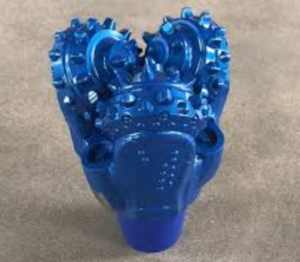
The following section provides a detailed breakdown of the brands and specific models that use the toughest tungsten carbide grades described above. Each entry includes the brand name, the specific model series, the carbide grade used, and the key features that make it one of the toughest options available.
Sandvik Coromant is one of the world’s leading manufacturers of carbide drill bits, and their water well bit lineup includes some of the toughest options on the market. The SD11 and SD15 series are their premium water well drill bit models. The SD11 uses a fine-grain WC-12Co carbide with a grain size of approximately 1.0 micrometer, providing excellent all-around toughness for mixed formations. The SD15 uses an ultra-fine grain WC-8Co carbide with vanadium carbide grain growth inhibitors, achieving a hardness of 1,550 HV while maintaining a fracture toughness of 14 MPa·m^0.5. Sandvik also offers the SD20 series, which uses functionally graded carbide (FGC) with a WC-10Co outer layer and a WC-16Co inner layer. This is one of the toughest and most wear-resistant water well bits available from any manufacturer, suitable for drilling through granite and other hard formations.
Kennametal is another top-tier brand with a strong water well drilling product line. Their KSD417 and KSD419 series are among their toughest water well bits. The KSD417 uses a medium-grain WC-14Co carbide with a grain size of 1.2 micrometers, optimized for toughness in fractured and mixed formations. The KSD419 uses a nickel-cobalt bonded carbide (WC-10Ni-6Co) with a grain size of 0.9 micrometers, offering superior corrosion resistance and toughness in wet, chemically aggressive environments. Kennametal also offers the KSD520 series, which uses a proprietary tri-binder carbide (WC-Co-Ni-Mo) with ultra-fine grain size (0.6 micrometers). This grade is one of the toughest in Kennametal’s lineup, combining high hardness (1,500 HV) with excellent impact resistance, making it ideal for hard rock water well drilling.
Atlas Copco, through its Secoroc brand, is a dominant player in water well drilling, especially in the European and African markets. Their DTH R32 and DTH R38 series are renowned for toughness. The R32 series uses a functionally graded carbide (FGC) with a WC-10Co cutting edge and a WC-18Co body, providing exceptional toughness in hard rock. The R38 series uses an ultra-fine grain WC-12Co carbide with tantalum carbide grain growth inhibitors, achieving a hardness of 1,480 HV and a fracture toughness of 15 MPa·m^0.5. Secoroc also offers the ROC D65 series for top-hammer water well drilling, which uses a nickel-bonded WC-Ni carbide with a grain size of 1.0 micrometer. This is one of the toughest bits for corrosive and high-impact water well applications, particularly in geothermal and mineral water wells.
Epiroc, the successor to Atlas Copco’s drilling division, continues to produce some of the toughest water well bits under the Secoroc and Epiroc DTH brands. Their DR100 series uses a WC-16Co medium-grain carbide (1.5 micrometers) for maximum toughness in soft to medium-hard formations. The DR200 series uses an ultra-fine grain WC-10Co carbide with chromium carbide grain growth inhibitors for hard rock drilling. Epiroc also offers the DR300 series with functionally graded carbide, similar to the Atlas Copco R32, which is one of the toughest options for granite and gneiss. Their ROC L8 series uses a WC-Ni-Co tri-binder carbide with 0.7 micrometer grain size, providing the best combination of toughness, corrosion resistance, and wear resistance in their lineup.
Dando Drilling is a UK-based manufacturer specializing in water well drill bits, and they are known for using nickel-bonded tungsten carbide extensively. Their SD series (Standard Dando) uses a WC-Ni carbide with 1.0 micrometer grain size, offering excellent toughness and corrosion resistance at a competitive price. Their HD series (Heavy Duty Dando) uses a WC-12Ni-4Co carbide with 0.8 micrometer grain size, providing higher hardness while maintaining the toughness advantage of nickel bonding. Dando also offers the XD series (Extreme Duty), which uses a functionally graded nickel-bonded carbide with a WC-8Ni hard outer layer and a WC-18Ni tough inner layer. The XD series is one of the toughest water well bits available from any manufacturer, specifically designed for the most demanding drilling conditions, including hard rock and corrosive groundwater.
Mountain Carbide is a US-based manufacturer that specializes in tungsten carbide products for drilling and mining. Their water well bit lineup includes the MWD series (Mountain Water Drill), which uses a WC-14Co medium-grain carbide (1.3 micrometers) for general-purpose toughness. Their MWD-X series uses an ultra-fine grain WC-10Co carbide with vanadium carbide additives, achieving 1,500 HV hardness with good toughness. Mountain Carbide also offers the MWD-FGC series, which uses functionally graded carbide with a WC-10Co cutting edge and WC-20Co body. This is their toughest water well bit, designed for hard rock and high-impact drilling. Mountain Carbide is known for offering competitive pricing on high-quality carbide, making their FGC bits some of the best value options for tough water well drilling.
Bit Company International, based in the United States, manufactures a wide range of water well drill bits. Their Series 600 uses a WC-12Co fine-grain carbide (1.0 micrometer) and is one of their standard toughness options. Their Series 800 uses a WC-16Co medium-grain carbide (1.4 micrometers) for maximum toughness in mixed and fractured formations. Their Series 900 uses an ultra-fine grain WC-8Co carbide with TaC grain growth inhibitors, providing high hardness and good toughness for abrasive formations. BCI also offers the Series 1000, which uses a WC-Ni-Co tri-binder carbide with 0.7 micrometer grain size. The Series 1000 is one of the toughest bits in BCI’s lineup, combining the corrosion resistance of nickel bonding with the hardness of cobalt bonding, making it ideal for long-life water well drilling in challenging conditions.
To help you understand the differences between the carbide grades used by these top brands, the following table summarizes the key properties of each grade. Note that the values are approximate and can vary depending on the specific manufacturing process.
Table 1: Carbide Grades Used in the Toughest Water Well Drill Bits
| Brand and Model | Carbide Type | WC Grain Size (μm) | Cobalt/Binder Content | Hardness (HV) | Fracture Toughness (MPa·m^0.5) | Best For |
|---|---|---|---|---|---|---|
| Sandvik SD11 | WC-12Co | 1.0 | 12% Co | 1,400 | 13 | Mixed formations |
| Sandvik SD15 | WC-8Co + VC | 0.6 | 8% Co + VC | 1,550 | 14 | Abrasive sandstone |
| Sandvik SD20 | FGC WC-10Co/WC-16Co | 0.8/1.5 | 10%/16% Co | 1,450/1,350 | 15 | Granite, hard rock |
| Kennametal KSD417 | WC-14Co | 1.2 | 14% Co | 1,350 | 14 | Fractured rock |
| Kennametal KSD419 | WC-10Ni-6Co | 0.9 | 10% Ni + 6% Co | 1,250 | 16 | Corrosive wells |
| Kennametal KSD520 | WC-Co-Ni-Mo | 0.6 | Tri-binder | 1,500 | 15 | Hard rock |
| Secoroc R32 | FGC WC-10Co/WC-18Co | 0.8/2.0 | 10%/18% Co | 1,450/1,300 | 16 | Very hard rock |
| Secoroc R38 | WC-12Co + TaC | 0.7 | 12% Co + TaC | 1,480 | 15 | Abrasive granite |
| Epiroc DR300 | FGC WC-10Co/WC-18Co | 0.8/2.0 | 10%/18% Co | 1,450/1,300 | 16 | Granite, gneiss |
| Dando XD | FGC WC-8Ni/WC-18Ni | 0.7/1.5 | 8%/18% Ni | 1,400/1,200 | 17 | Extreme conditions |
| Mountain Carbide MWD-FGC | FGC WC-10Co/WC-20Co | 0.8/2.0 | 10%/20% Co | 1,450/1,250 | 17 | Hard rock, high impact |
| BCI Series 1000 | WC-Ni-Co-Mo | 0.7 | Tri-binder | 1,350 | 16 | Long-life drilling |
From this table, it is clear that the toughest water well drill bits use either functionally graded carbide (FGC) or nickel-bonded carbide (WC-Ni or WC-Ni-Co). The FGC bits from Sandvik, Secoroc, Epiroc, Dando, and Mountain Carbide offer the highest fracture toughness values (15 to 17 MPa·m^0.5), making them the absolute toughest options for hard rock and high-impact drilling. The nickel-bonded bits from Kennametal, Dando, and BCI offer slightly lower hardness but superior corrosion resistance and comparable toughness, making them the toughest choices for corrosive and wet environments.
Selecting the right carbide grade for your water well drill bit depends on three main factors: the rock formation you are drilling through, the drilling method (DTH, top-hammer, or rotary), and the water chemistry. For soft to medium-hard formations (clay, sand, sandstone), a fine-grain WC-12Co to WC-14Co carbide is the toughest and most cost-effective choice. For hard and abrasive formations (granite, quartzite, gneiss), functionally graded carbide (FGC) or ultra-fine grain WC-8Co with grain growth inhibitors is the toughest option. For corrosive groundwater (high chloride, sulfur, or acidic content), nickel-bonded carbide (WC-Ni or WC-Ni-Co) is the toughest choice because it maintains its toughness far longer than cobalt-bonded carbide in corrosive environments. For mixed formations with frequent transitions between soft and hard layers, a medium-grain WC-14Co to WC-16Co carbide provides the best overall toughness. Always consult with your bit supplier and provide detailed information about your drilling conditions to get the optimal carbide recommendation.
While the carbide grade is the primary determinant of a bit’s toughness, the bit design also plays a critical role. The toughest water well bits use optimized insert geometry, including larger chamfers, reinforced insert seats, and improved hydraulic flow patterns that reduce the heat and stress on each insert. A well-designed bit can extract 20% to 30% more life from the same carbide grade compared to a poorly designed bit. Brands like Sandvik, Kennametal, and Secoroc invest heavily in bit design optimization, using finite element analysis (FEA) and computational fluid dynamics (CFD) to ensure that the carbide inserts are loaded as evenly as possible. This means that even if you choose a slightly less tough carbide grade, a well-designed bit can outperform a poorly designed bit with a tougher carbide. Always consider both the carbide grade and the bit design when selecting the toughest water well drill bit for your project.
The toughest water well drill bits are made from functionally graded cemented carbide (FGC), nickel-bonded tungsten carbide (WC-Ni or WC-Ni-Co), or ultra-fine grain WC-Co with grain growth inhibitors. The specific grade depends on the drilling conditions: FGC for hard rock and high impact, nickel-bonded for corrosive environments, and ultra-fine grain WC-Co for abrasive formations. The top brands offering these grades include Sandvik Coromant (SD20 FGC), Kennametal (KSD520 tri-binder), Secoroc/Epiroc (R32 and DR300 FGC), Dando Drilling (XD series FGC), Mountain Carbide (MWD-FGC), and Bit Company International (Series 1000 tri-binder). Each of these brands and models represents the pinnacle of tungsten carbide engineering for water well drilling, offering the best combination of toughness, wear resistance, and corrosion resistance available today. When selecting a bit, always match the carbide grade to your specific formation and water chemistry, and choose a reputable brand with proven bit design expertise.

