Our Location
304 North Cardinal St.
Dorchester Center, MA 02124

304 North Cardinal St.
Dorchester Center, MA 02124

Drilling through walls is a common task in construction, renovation, and DIY projects, requiring the use of power drills and appropriate drill bits. The length of the drill bit plays a crucial role in determining the depth of the hole, the stability of the drilling process, and the overall success of the operation. This guide delves into the typical lengths of drill bits used for drilling through walls, explores various brands and models, and provides insights into their applications and features.
The length of a drill bit is measured from the tip to the end of the shank, which is the part that fits into the drill chuck. For wall drilling, the length of the drill bit must be sufficient to penetrate the wall material, which can range from drywall to concrete, while ensuring stability and precision. Generally, drill bits for wall drilling come in lengths ranging from a few inches to over a foot, depending on the application and the thickness of the wall.
Short drill bits, typically measuring up to 6 inches in length, are ideal for drilling through thin walls or for creating shallow holes for anchors, screws, or other fasteners. These bits are lightweight, easy to handle, and provide excellent control, making them suitable for precision work. They are commonly used in residential settings for hanging pictures, installing shelves, or mounting light fixtures.
Brands and Models:
Medium-length drill bits, ranging from 6 to 12 inches, are versatile tools that can handle a variety of wall drilling tasks. They are suitable for drilling through thicker walls, such as those found in commercial buildings or multi-story residences, and can create deeper holes for larger anchors or conduits. These bits offer a balance between length and stability, making them a popular choice among professionals and DIY enthusiasts alike.
Brands and Models:
Long drill bits, measuring over 12 inches in length, are specialized tools used for drilling through extremely thick walls or for creating long, straight holes for specific applications, such as running plumbing or electrical lines through walls. These bits require a powerful drill and a steady hand to ensure accuracy and stability during the drilling process. They are commonly used in construction and renovation projects where deep hole drilling is necessary.
Brands and Models:
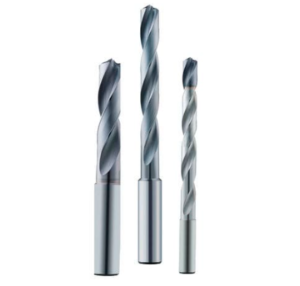
When selecting a drill bit length for wall drilling, several factors must be taken into account to ensure optimal performance and safety. These factors include the thickness of the wall, the type of wall material, the application, and the power drill’s capabilities.
The thickness of the wall is the primary factor determining the required drill bit length. Thin walls, such as those found in residential settings, may only require short drill bits, while thicker walls, such as those in commercial or industrial buildings, may necessitate longer bits. It is essential to measure the wall thickness accurately before selecting a drill bit to avoid drilling too shallow or too deep.
The type of wall material also influences the choice of drill bit length. Soft materials, such as drywall or wood, can be drilled through with shorter bits, while harder materials, such as concrete or brick, require longer, more durable bits. Carbide-tipped or diamond-tipped drill bits are recommended for drilling through hard materials, as they offer enhanced durability and efficiency.
The intended application of the drilled hole is another crucial factor to consider. For example, drilling holes for anchors or screws may only require short bits, while creating holes for plumbing or electrical lines may necessitate longer bits. Additionally, the size of the anchor or conduit will determine the diameter of the drill bit required, which may also influence the choice of length.
The power drill’s capabilities, such as its torque, speed, and chuck size, must also be taken into account when selecting a drill bit length. Longer drill bits require more power and stability to drill accurately, so it is essential to ensure that the power drill can handle the length and weight of the bit. Additionally, the chuck size must be compatible with the drill bit’s shank diameter to ensure a secure attachment.
Drilling through walls can be a hazardous task if proper safety precautions are not taken. To ensure a safe and successful drilling operation, the following safety measures should be followed:
Drilling through walls is a common task that requires the use of appropriate drill bits and power drills. The length of the drill bit plays a crucial role in determining the depth of the hole, the stability of the drilling process, and the overall success of the operation. By understanding the typical lengths of drill bits used for wall drilling, exploring various brands and models, and considering factors such as wall thickness, material, application, and power drill capabilities, you can select the right drill bit for your specific needs. Additionally, following safety precautions when drilling through walls will ensure a safe and successful operation. Whether you are a professional contractor or a DIY enthusiast, having the right tools and knowledge will make your wall drilling tasks easier, more efficient, and safer.

