Our Location
304 North Cardinal St.
Dorchester Center, MA 02124

304 North Cardinal St.
Dorchester Center, MA 02124

When choosing a multicone drill bit for metalworking, sheet metal fabrication, industrial maintenance, or general drilling applications, shank design is an important factor to consider. Two common options are straight shank and hex shank multicone drill bits. Although both are designed to transfer rotational force from a drill to the cutting edge, they differ in how they connect to the drill, how securely they are held, and how efficiently they transmit torque.
Understanding the differences between straight shank and hex shank multicone drill bits can help you select the right tool for your drilling equipment, work materials, and operating conditions.
A straight shank multicone drill bit features a smooth, cylindrical shank with a consistent diameter. It is designed to fit into conventional drill chucks, including three-jaw keyed chucks and keyless chucks.
The cylindrical design allows the drill bit to be centered and clamped securely inside the chuck. Straight shank multicone drill bits are widely used in workshops, manufacturing facilities, metal fabrication, and general industrial drilling applications.
Main Features of Straight Shank Multicone Drill Bits
Straight shank designs are particularly suitable for users who frequently change drill bits or work with different drilling machines.
A hex shank multicone drill bit features a six-sided shank instead of a smooth cylindrical one. The hexagonal profile is designed to engage with compatible hex chucks, quick-change holders, and certain drill drivers.
The six flat surfaces provide additional mechanical engagement between the shank and the tool holder. This design helps reduce shank slippage, particularly when drilling applications involve repeated starts, stops, or relatively high torque.
Main Features of Hex Shank Multicone Drill Bits
Hex shank multicone drill bits are commonly selected for portable drilling applications, maintenance work, and situations where convenience and tool-changing speed are important.
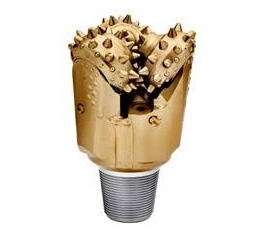
Although both designs can perform similar drilling operations, their connection structures create several practical differences.
| Comparison | Straight Shank | Hex Shank |
|---|---|---|
| Shank shape | Cylindrical | Six-sided |
| Chuck compatibility | Standard drill chucks | Compatible hex chucks and holders |
| Torque transmission | Relies on chuck clamping force and friction | Uses mechanical engagement with compatible holders |
| Anti-slip performance | Depends on chuck condition and clamping | Generally better resistance to shank rotation in matching holders |
| Tool changing | Requires chuck tightening or loosening | Often supports quick-change systems |
| Position adjustment | Flexible within the chuck | Depends on holder design |
| Equipment compatibility | Broad compatibility with conventional drills | Requires a compatible hex interface |
| Typical applications | Workshop and industrial drilling | Portable drilling and maintenance |
One important distinction is that hex shanks do not automatically provide higher drilling performance. Actual performance also depends on the drill motor, cutting geometry, material hardness, feed pressure, and tool quality.
Torque transmission is an important consideration when using multicone drill bits, particularly when drilling thicker metal sheets or harder materials.
Straight Shank Torque Performance
Straight shank drill bits transmit rotational force through the clamping pressure and friction generated by the drill chuck. When the chuck is properly tightened and the shank is correctly matched to the chuck capacity, the connection can provide reliable torque transmission.
However, if the chuck is worn, improperly tightened, or contaminated with oil and debris, the shank may slip during demanding drilling operations.
Hex Shank Torque Performance
Hex shank drill bits provide multiple flat contact surfaces that engage with compatible holders. This mechanical engagement helps reduce rotational slipping and provides consistent torque transfer.
However, the actual torque capacity depends on the holder design, material strength, and interface quality. A poorly matched hex holder may still produce looseness or premature wear.
Which Is Better?
For applications involving frequent changes in drilling direction or repeated tool installation, hex shanks can provide practical advantages.
For conventional drilling machines and properly maintained drill chucks, straight shanks remain a dependable choice.
Tool-changing efficiency can significantly affect productivity, especially in workshops where operators frequently switch between different drill sizes.
Straight Shank
Straight shank multicone drill bits generally require the operator to loosen the chuck, remove the existing bit, insert another bit, and tighten the chuck again.
Keyless chucks make this process easier, but it still requires several manual steps.
Hex Shank
Hex shank multicone drill bits can be used with compatible quick-release holders. In many cases, operators can remove and install drill bits more quickly without repeatedly tightening a conventional chuck.
This makes hex shank designs particularly convenient for maintenance teams and mobile technicians.
For production environments where drilling equipment remains configured for a specific tool, the quick-change advantage may be less significant.
Both straight shank and hex shank multicone drill bits can be used for metal sheet drilling, provided the drill bit and equipment are properly matched.
The best choice depends on the thickness and type of metal, drilling frequency, machine configuration, and required hole dimensions.
Choose Straight Shank for:
Choose Hex Shank for:
For thicker or harder materials, the cutting capacity of the multicone drill bit is more important than the shank shape alone.
Not necessarily.
Straight shank multicone drill bits are generally compatible with standard keyed and keyless drill chucks, provided the shank diameter falls within the chuck’s clamping range.
Hex shank multicone drill bits are designed for compatible hexagonal interfaces. Some can also be held in conventional three-jaw drill chucks if their dimensions are compatible.
Before purchasing, check the following:
Never force an incompatible shank into a drill chuck or holder. An improperly fitted connection can cause slipping, vibration, and potential equipment damage.
Selecting the right multicone drill bit requires more than choosing between straight and hex shanks. Several additional factors influence drilling performance, cutting accuracy, and service life.
1. Cutting Material
High-speed steel (HSS) drill bits are commonly used for general metalworking. Cobalt-alloy HSS grades can provide improved heat resistance and performance in demanding applications. Carbide cutting materials may be appropriate for specialized high-hardness or high-production applications when supported by suitable equipment.
2. Cutting Diameter and Range
Choose a multicone drill bit with a diameter range that covers the required hole sizes. Check each cutting step carefully to ensure it matches the intended application.
3. Cutting Geometry
Flute design, cutting-edge sharpness, point geometry, and chip evacuation all affect drilling efficiency. Proper cutting geometry helps reduce excessive heat, vibration, and burr formation.
4. Shank Compatibility
Make sure the shank matches your drilling equipment. A high-quality cutting tool cannot perform reliably if the connection between the drill bit and machine is unsuitable.
5. Surface Treatment
Depending on the material and application, coatings such as TiN and other suitable wear-resistant treatments may help improve wear resistance and reduce friction.
6. Cooling and Lubrication
When drilling stainless steel and other difficult-to-machine metals, appropriate cutting fluid can help control heat generation, improve chip removal, and extend tool life.
Regardless of shank design, improper installation and operating conditions can affect drilling results.
Shank Slipping During Drilling
Possible causes include insufficient chuck tightening, worn chuck jaws, incorrect holder dimensions, or excessive torque.
Solution: Check the connection before operation and use a compatible, properly maintained chuck or holder.
Excessive Vibration
Possible causes include poor alignment, excessive drilling speed, uneven cutting edges, or insufficient workpiece support.
Solution: Secure the workpiece, inspect the drill bit, and adjust the cutting parameters.
Overheating During Drilling
Excessive RPM, high feed pressure, unsuitable cutting geometry, and inadequate lubrication can cause overheating.
Solution: Follow the recommended cutting speed and feed rate for the workpiece material.
Poor Hole Quality
Dull cutting edges, improper tool positioning, excessive vibration, and incorrect drilling parameters can produce rough holes and excessive burrs.
Solution: Select an appropriate cutting tool, maintain stable positioning, and replace worn drill bits when necessary.

There is no universally superior choice between straight shank and hex shank multicone drill bits. Each design has advantages for different drilling environments.
Choose a straight shank multicone drill bit if you primarily use conventional electric drills, bench drills, or industrial drilling machines. It offers broad chuck compatibility and flexible positioning.
Choose a hex shank multicone drill bit if you frequently perform portable drilling, maintenance, or installation work. Its quick-change compatibility and resistance to rotational slipping make it convenient for these applications.
For professional metalworking, the most important factors remain cutting-edge quality, material compatibility, dimensional accuracy, machine capability, and correct operating parameters.
Finding the right multicone drill bit requires attention to cutting performance, dimensional specifications, material selection, and shank compatibility. Whether you need a straight shank or hex shank design, selecting the right tool can improve drilling efficiency and help reduce unnecessary tool replacement.
Xiangriyang – Professional Drill Bit Solutions
If you are looking for multicone drill bits and other professional drilling tools, visit www.xiangriyang.com.
Xiangriyang provides information and product solutions for customers looking for industrial drill bits, metalworking tools, and drilling accessories. Whether you are comparing different shank configurations, exploring cutting materials, or selecting drill bits for specific metalworking applications, you can visit the website to learn more about available drilling solutions.
Before purchasing, consider your machine type, shank dimensions, workpiece material, cutting diameter, and drilling requirements to find the most suitable tool.
Visit www.xiangriyang.com to explore drill bit solutions and find the right drilling tools for your application.

