Our Location
304 North Cardinal St.
Dorchester Center, MA 02124

304 North Cardinal St.
Dorchester Center, MA 02124

Choosing the right multicone drill bit is essential for achieving accurate holes, improving drilling efficiency, and extending tool life. One important factor to consider is the number of flutes. Single-flute and double-flute multicone drill bits have different cutting characteristics, chip evacuation capabilities, and application advantages.
So, which is better: a single-flute or double-flute multicone drill bit? The answer depends on the material being drilled, the required hole quality, machining conditions, and production requirements.
In this guide, we will compare single-flute and double-flute multicone drill bits in detail to help you select the right tool for your application.
A single-flute multicone drill bit is a cutting tool designed with one primary spiral flute or chip-removal channel along its cutting body. Its cutting structure is intended to remove material progressively while providing an open space for chips to escape.
Depending on the tool design, a single-flute multicone drill bit may feature multiple cutting steps or conical cutting sections. These sections allow the tool to produce different hole diameters or gradually enlarge an existing opening.
The main characteristics of single-flute designs include:
Single-flute tools are particularly worth considering when drilling materials that produce long or sticky chips, provided the cutting geometry and operating conditions are suitable.
A double-flute multicone drill bit features two cutting flutes arranged around the tool body. These flutes provide two chip-removal paths and can help distribute cutting forces more evenly.
The two-flute design is commonly used in applications where cutting stability, hole accuracy, and consistent material removal are important.
Depending on the geometry, double-flute multicone drill bits may offer:
However, the actual performance depends on flute dimensions, cutting-edge geometry, tool material, coating, and the workpiece.
Although both designs are used for drilling and enlarging holes, their structural differences can influence performance.
| Comparison Factor | Single-Flute | Double-Flute |
|---|---|---|
| Number of flutes | One | Two |
| Chip evacuation | One main channel | Two channels |
| Cutting geometry | Asymmetrical or single-channel design, depending on construction | Usually more balanced |
| Cutting stability | Depends heavily on tool design and setup | Can provide more balanced cutting |
| Chip space | Often larger per flute | Divided between two flutes |
| Cutting force distribution | Depends on cutting-edge arrangement | Can be more evenly distributed |
| Application | Specialized drilling conditions | General drilling and hole enlargement |
| Tool selection | Based on chip type and material | Based on stability and hole requirements |
It is important to understand that having more flutes does not automatically mean better drilling performance. Flute geometry, cutting-edge quality, and chip space are equally important.
Chip evacuation is one of the most important factors affecting drilling performance.
When drilling metal, chips must be removed efficiently to prevent clogging, excessive friction, overheating, and damage to the cutting edges.
A single-flute design can provide a relatively large chip channel. This can be beneficial when the material produces long chips or when the cutting operation requires additional chip space.
Potential advantages include:
However, a single flute does not guarantee better chip evacuation. Its performance also depends on flute depth, helix angle, drilling depth, and cutting speed.
A double-flute design provides two separate chip channels. This arrangement can support continuous chip removal during drilling.
Its performance depends on whether the individual channels provide sufficient space for the chips produced by the workpiece material.
For materials that generate large or continuous chips, insufficient flute space can cause chip accumulation.
Which Is Better?
A single-flute design may be advantageous when larger chip space is required. A double-flute design can provide more balanced chip removal when its flute geometry is appropriately matched to the material.
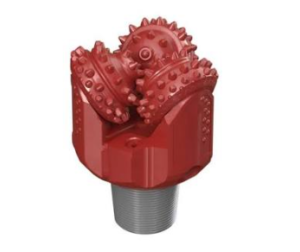
Cutting stability affects hole accuracy, surface finish, tool vibration, and overall machining quality.
A double-flute multicone drill bit can provide a more balanced cutting arrangement because its cutting geometry is distributed across two flutes. This can be beneficial when drilling requires consistent engagement and controlled material removal.
Single-flute designs may have less symmetrical cutting geometry, depending on their construction. As a result, proper tool alignment, workpiece clamping, and machine rigidity become particularly important.
However, flute count alone does not determine stability. Factors such as tool runout, cutting-edge symmetry, shank rigidity, and workpiece support can have a greater influence.
For precision drilling, always evaluate the complete cutting-tool geometry rather than selecting a tool based only on the number of flutes.
Different materials produce different chip shapes and cutting forces. Therefore, the best flute configuration depends on the workpiece.
Aluminum is relatively soft and can produce long, continuous chips. Chip evacuation is especially important to prevent material from sticking to the cutting edges.
A single-flute design with sufficient chip space may be worth considering for certain aluminum drilling applications.
A double-flute design can also work effectively when it has suitable flute geometry and sharp cutting edges.
Stainless steel is more demanding because it can generate substantial cutting forces and heat. It also tends to work-harden if cutting conditions are inappropriate.
When selecting a multicone drill bit for stainless steel, consider:
Both single-flute and double-flute designs can be used, depending on their construction and the specific stainless steel grade.
Mild steel is commonly used in industrial fabrication, sheet-metal processing, and general manufacturing.
Double-flute multicone drill bits can be a practical choice when balanced cutting and consistent hole enlargement are required.
Single-flute designs may also be suitable when their chip-removal characteristics match the application.
Copper and brass have different cutting characteristics. Copper can produce sticky chips, while brass generally machines more easily but may require appropriate cutting-edge geometry to avoid grabbing.
For these materials, flute design, cutting-edge sharpness, and chip clearance should be evaluated together.
Hole accuracy is determined by several factors, including tool concentricity, cutting-edge symmetry, machine rigidity, and workpiece positioning.
A properly manufactured double-flute multicone drill bit may offer advantages in balanced cutting and consistent hole enlargement.
However, a single-flute tool with carefully engineered geometry can also produce accurate holes.
To improve hole accuracy:
For high-precision applications, test the tool under actual machining conditions before starting large-scale production.
Tool life is influenced by cutting temperature, friction, material hardness, cutting speed, feed rate, and tool manufacturing quality.
A single-flute multicone drill bit may experience different cutting-force and heat-distribution conditions from a double-flute design.
A double-flute tool may distribute cutting engagement across two flutes, but this does not automatically make it more durable.
The following factors are particularly important:
Tool Material: High-speed steel (HSS), cobalt-alloy HSS, and carbide offer different combinations of hardness, toughness, and heat resistance.
Surface Coating: Suitable coatings, such as TiN or TiAlN, can improve wear resistance under appropriate operating conditions.
Cutting Geometry: Proper rake angles, clearance angles, and flute profiles help reduce friction and improve cutting performance.
Operating Conditions: Excessive RPM, aggressive feed rates, and inadequate cooling can shorten tool life.
Workpiece Material: Harder and more abrasive materials generally place greater demands on cutting edges.
The best choice is therefore a tool whose material and geometry match the intended application.
A single-flute multicone drill bit may be a suitable choice in the following situations:
Before selecting this configuration, verify that the tool provides sufficient cutting-edge strength and the required dimensional accuracy.

A double-flute multicone drill bit may be a better option when:
For industrial production, double-flute designs can be a practical choice when their cutting geometry is matched to the material and machining process.
Before purchasing a multicone drill bit, consider the following selection criteria.
1. Workpiece Material
Identify whether you are drilling aluminum, stainless steel, carbon steel, copper, brass, or another material.
2. Hole Diameter
Check the complete diameter range of the tool. Make sure the cutting steps match the required hole dimensions.
3. Material Thickness
Consider the thickness of the workpiece and the depth of the hole. Thicker materials may require more attention to chip evacuation and cutting conditions.
4. Cutting Speed
Follow the manufacturer’s recommended RPM and feed rate. Avoid assuming that the same speed is suitable for every flute configuration.
5. Tool Material
Choose HSS, cobalt HSS, or carbide according to the material hardness, production volume, and machining conditions.
6. Machine Compatibility
Check the shank type, chuck compatibility, machine power, and spindle stability.
7. Production Requirements
For occasional drilling, flexibility and cost may be priorities. For continuous production, tool life, dimensional consistency, and repeatability become more important.
Several mistakes can affect drilling efficiency and tool life.
Avoiding these mistakes can help improve drilling quality and reduce unnecessary tool replacement.
Not necessarily. A single-flute design may offer more chip space per flute, while a double-flute design may provide more balanced cutting geometry. The better option depends on the material, tool construction, and machining requirements.
Not automatically. Drilling speed depends on cutting geometry, material properties, RPM, feed rate, machine power, and chip evacuation. A double-flute tool may improve performance in certain applications, but flute count alone does not determine drilling speed.
Both designs can be suitable. Single-flute tools may offer an advantage when additional chip space is needed, while properly designed double-flute tools can also perform well. Sharp cutting edges and effective chip removal are essential.
Neither design is universally superior. For stainless steel, prioritize cutting-edge strength, heat resistance, appropriate cutting speed, and effective lubrication.
Yes, flute configuration can influence cutting stability, vibration, and chip evacuation. However, surface finish also depends on tool sharpness, machine rigidity, cutting parameters, and workpiece material.
Yes. Depending on their design and material, multicone drill bits can be used for various metals, including aluminum, steel, stainless steel, copper, and brass. Always check the manufacturer’s specifications.
Both single-flute and double-flute multicone drill bits have their own advantages.
A single-flute design may be preferable when chip space and specific chip-removal characteristics are important. A double-flute design may be more suitable when balanced cutting geometry and consistent machining performance are priorities.
There is no universal winner. The right choice depends on the workpiece material, hole dimensions, cutting conditions, tool material, and production requirements.
For manufacturers, metalworking professionals, and industrial buyers, evaluating the complete tool design is more important than simply counting the number of flutes.
If you are looking for professional drilling tools, Xiangriyang provides information and product resources related to industrial drill bits and metalworking tools.
Whether you need multicone drill bits, step drill bits, twist drill bits, or other specialized drilling tools, Xiangriyang is a useful destination for exploring different tool types, specifications, and applications.
When selecting a multicone drill bit, consider the flute configuration, cutting diameter, tool material, workpiece compatibility, and machining requirements to find the right solution for your production needs.
Visit www.xiangriyang.com to explore more drill bit products, technical information, and professional drilling-tool resources.

