Our Location
304 North Cardinal St.
Dorchester Center, MA 02124

304 North Cardinal St.
Dorchester Center, MA 02124

Multicone drill bits are designed to create holes with multiple cutting diameters or stepped profiles in a single drilling operation. They are widely used in metalworking, sheet metal fabrication, industrial manufacturing, and other applications where different hole diameters or stepped openings are required.
One common question among users is: Do multicone drill bits require pilot holes before drilling?
The answer depends on the drill bit design, workpiece material, drilling diameter, and machining conditions. In many applications, multicone drill bits can drill directly into the workpiece without a pre-drilled pilot hole. However, pilot holes can be beneficial in certain situations, particularly when working with thick materials, hard metals, or large-diameter cutting sections.
Yes. Many multicone drill bits are designed for direct drilling without requiring a separate pilot hole.
Their cutting geometry allows the drill bit to gradually engage the workpiece and create progressively larger diameters. This design can reduce the number of machining operations and improve drilling efficiency.
Direct drilling offers several advantages:
However, not every multicone drill bit has the same cutting geometry. Some models are specifically designed for direct penetration, while others may require a pilot hole for better positioning and cutting stability.
Always check the manufacturer’s specifications before using a multicone drill bit without pre-drilling.
Although pilot holes are not always necessary, they can improve drilling performance under certain conditions.
When drilling thick steel plates or other heavy metal workpieces, the cutting resistance can increase significantly.
A small pilot hole can help guide the multicone drill bit and reduce the initial cutting load, depending on the tool design.
However, the pilot hole should be appropriately sized. An excessively large pilot hole may prevent the smaller cutting stages from engaging the material correctly.
Stainless steel is relatively difficult to machine because of its strength, toughness, and tendency to work-harden.
When using a multicone drill bit on stainless steel, a pilot hole may help reduce initial cutting resistance in some applications.
More importantly, operators should use:
Avoid allowing the drill bit to rub against the stainless steel surface without cutting, as this can cause work hardening and accelerate tool wear.
When a multicone drill bit is used to produce relatively large openings, the initial cutting force may be considerable.
A pilot hole can sometimes improve positioning and reduce the amount of material removed by the larger cutting stages.
Whether this is beneficial depends on the cutting profile and the manufacturer’s recommended operating procedure.
A pilot hole can help establish the starting position when the drill bit has difficulty maintaining its position on a smooth or curved surface.
For applications requiring precise hole locations, a center punch, drilling guide, or suitable pilot hole may improve positioning.
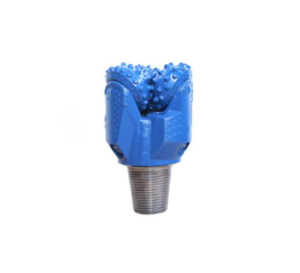
In many common applications, creating a pilot hole adds unnecessary time and machining steps.
A pilot hole is generally unnecessary when:
For thin sheet metal, direct drilling is often more efficient because a properly designed multicone drill bit can progressively cut through the material.
Pre-drilling may also create additional alignment problems if the pilot hole is not positioned accurately.
There is no universal pilot-hole diameter for all multicone drill bits.
The correct size depends on the drill bit’s cutting geometry, the target hole diameter, the material, and the drilling process.
Consider the following factors:
1. Cutting Geometry
The pilot hole must not interfere with the cutting edges responsible for creating the intended hole profile.
2. Material Thickness
Thicker workpieces may require different drilling strategies from thin sheet metal.
3. Target Hole Diameter
Large openings may benefit from an appropriate pre-drilling procedure, depending on the tool design.
4. Manufacturer Recommendations
Always follow the recommended pilot-hole dimensions provided by the tool manufacturer.
Using an incorrectly sized pilot hole can cause poor cutting engagement, excessive vibration, inaccurate holes, or damage to the drill bit.
If the drill bit is designed for direct drilling, following the correct procedure can improve machining quality and tool life.
Choose a multicone drill bit suitable for the workpiece material, thickness, and required hole dimensions.
Check the cutting diameter, step configuration, material composition, and maximum recommended operating speed.
Clamp the material firmly before drilling.
Unsecured sheet metal can rotate, vibrate, or move during cutting, potentially damaging the workpiece or causing injury.
Use a center punch or appropriate positioning tool if necessary.
Accurate positioning helps prevent the drill bit from wandering during initial engagement.
Different materials and drill bit diameters require different rotational speeds.
Generally, larger cutting diameters require lower rotational speeds than smaller ones.
Follow the manufacturer’s cutting-speed recommendations and adjust the machine settings according to the material.
Start drilling with controlled pressure.
Allow the cutting edges to remove material efficiently without forcing the drill bit into the workpiece.
Excessive pressure can cause overheating, premature wear, or cutting-edge damage.
For stainless steel, carbon steel, and other demanding materials, suitable cutting fluid can reduce friction and improve heat dissipation.
Use lubrication appropriate for the material and machining operation.
After drilling, check the hole diameter, roundness, surface finish, and edge quality.
Remove burrs if necessary and inspect the drill bit for signs of excessive wear.
Both methods have advantages. The best choice depends on the application.
| Comparison | Pilot Hole Drilling | Direct Drilling |
|---|---|---|
| Preparation | Requires an additional step | Usually simpler |
| Drilling efficiency | More machining steps | Faster in suitable applications |
| Initial positioning | Can improve guidance | Depends on drill geometry |
| Cutting resistance | May reduce initial load | Depends on material and tool |
| Thin sheet metal | Often unnecessary | Frequently suitable |
| Thick metal | May be beneficial | Depends on tool capacity |
| Tool compatibility | Requires correct pilot size | Requires direct-drilling design |
For most thin-sheet applications, direct drilling is often the more efficient option when the multicone drill bit is designed for it.
For thicker or more demanding materials, pilot drilling should be considered according to the manufacturer’s recommendations.
Even experienced operators can encounter problems when choosing the wrong pre-drilling method.
An oversized pilot hole can prevent the smaller cutting stages from engaging the workpiece properly.
This may affect cutting stability and the finished hole profile.
Not all multicone drill bits are designed for the same materials or drilling conditions.
Using an unsuitable model can result in poor cutting performance and premature failure.
Forcing the drill bit through the workpiece does not necessarily improve drilling speed.
Excessive feed pressure can damage cutting edges and increase the risk of tool breakage.
A drill bit suitable for thin sheet metal may not perform well on thick steel plates.
Always consider the maximum recommended drilling thickness and the tool’s intended application.
Excessive rotational speed can generate heat, while insufficient speed combined with poor feed conditions may cause rubbing instead of efficient cutting.
Choose appropriate operating parameters for each material.
The effect of pilot drilling on tool life depends on the machining conditions.
A properly designed pilot hole may reduce initial cutting resistance and improve stability in certain applications. This can help reduce unnecessary stress on the cutting edges.
However, unnecessary pilot drilling introduces extra machining operations and may create additional alignment or cutting-engagement problems.
To maximize multicone drill bit service life:
The goal is not simply to minimize the number of drilling operations, but to achieve stable cutting conditions and consistent hole quality.

No. Many multicone drill bits are designed for direct drilling. Pilot holes are only necessary or beneficial in certain applications, depending on tool geometry, workpiece material, and drilling conditions.
Yes, provided the drill bit is suitable for stainless steel and the operating conditions are appropriate. Use controlled feed pressure, suitable cutting speeds, and cutting lubricant.
Usually not when using a multicone drill bit designed for direct penetration. Direct drilling is often faster and more convenient.
It can improve initial positioning and guidance in certain applications. However, proper workpiece clamping, accurate marking, and suitable drill geometry are equally important.
An incorrectly sized or positioned pilot hole can interfere with cutting engagement and cause unstable drilling. Always check the manufacturer’s recommendations.
Not necessarily. Many multicone drill bits can drill aluminum directly. Choose a suitable cutting speed, maintain steady feed pressure, and prevent aluminum chips from accumulating around the cutting edges.
Do multicone drill bits require pilot holes? In most suitable applications, no. Many multicone drill bits are designed to drill directly into the workpiece, eliminating the need for a separate pilot-drilling operation.
However, pilot holes may be useful when drilling thick materials, improving initial positioning, or reducing cutting resistance under specific conditions.
The most important factors are the drill bit’s cutting geometry, workpiece material, material thickness, and manufacturer recommendations.
Selecting the right multicone drill bit and using appropriate drilling parameters will help improve hole quality, machining efficiency, and tool service life.
Choosing the right multicone drill bit is essential for achieving accurate holes, stable cutting performance, and reliable machining results.
Xiangriyang provides professional drilling tools and industrial drill bit solutions for different metalworking and manufacturing applications.
Visit www.xiangriyang.com to explore drill bits, compare drilling tool specifications, and find suitable products for your industrial drilling requirements.
Whether you need multicone drill bits for sheet metal, stainless steel, aluminum, or other metalworking applications, choosing the correct cutting geometry and tool material can make a significant difference in drilling performance.
Xiangriyang – Your Source for Professional Industrial Drill Bits and Metalworking Solutions.

