Our Location
304 North Cardinal St.
Dorchester Center, MA 02124

304 North Cardinal St.
Dorchester Center, MA 02124

Multicone drill bits are widely used in metalworking, industrial manufacturing, fabrication, and precision drilling applications. Their multi-step cutting design allows operators to create holes with different diameters using a single tool. Compared with conventional drill bits, multicone drill bits can improve drilling efficiency, reduce tool changes, and simplify machining operations.
However, like other cutting tools, multicone drill bits gradually wear down through repeated use. Heat, friction, improper drilling speeds, excessive pressure, and poor lubrication can reduce their cutting performance. Without proper maintenance, the cutting edges may become dull, holes may become inaccurate, and the tool may eventually fail.
Knowing how to maintain and sharpen multicone drill bits is essential for extending tool life, improving drilling accuracy, reducing operating costs, and maintaining consistent production quality.
This guide explains how to clean, inspect, maintain, and sharpen multicone drill bits, along with practical tips for preventing premature wear.
Regular maintenance helps keep multicone drill bits in good working condition and ensures that every cutting step performs as intended.
The main benefits include:
Extending Tool Service Life
Metal chips, accumulated debris, excessive heat, and cutting-edge damage can accelerate drill bit wear. Regular cleaning and inspection help identify problems before they become serious.
Maintaining Drilling Accuracy
A worn or damaged cutting edge can produce oversized holes, uneven diameters, rough surfaces, and excessive burrs. Maintaining sharp cutting edges helps achieve more consistent drilling results.
Reducing Drilling Resistance
Sharp cutting edges penetrate materials more efficiently. This reduces cutting resistance, vibration, and the amount of force required during operation.
Preventing Overheating
Proper lubrication, suitable drilling speeds, and clean cutting surfaces help reduce friction and heat generation.
Reducing Replacement Costs
Replacing drill bits frequently increases manufacturing expenses. Proper maintenance and professional resharpening can help extend the usable life of suitable multicone drill bits.
Cleaning is one of the simplest and most important maintenance procedures.
Metal chips, dust, cutting fluid residue, and other contaminants can accumulate around the cutting edges and grooves. If these materials remain on the tool, they may interfere with chip removal and accelerate wear.
Follow these cleaning steps:
Avoid using hard metal objects to scrape the cutting edges because they may damage the cutting geometry.
Compressed air can also help remove loose chips, but operators should follow appropriate eye and respiratory protection procedures.
Before sharpening a multicone drill bit, inspect its cutting edges carefully.
Because multicone drill bits contain multiple cutting steps, each diameter section should be examined separately.
Pay attention to the following signs of wear:
Rounded Cutting Edges
Sharp cutting edges gradually become rounded after repeated drilling. This increases cutting resistance and reduces drilling efficiency.
Chipped Cutting Edges
Small chips or cracks along the cutting edges can produce uneven holes and increase vibration.
Uneven Wear Between Cutting Steps
Some cutting steps may experience more pressure than others, depending on the workpiece material and drilling conditions.
Discoloration Caused by Excessive Heat
Blue, brown, or other unusual discoloration may indicate overheating. Heat damage can affect the hardness and performance of the cutting material.
Excessive Wear on the Cutting Surface
Visible wear marks, scratches, and deformation may indicate that the drill bit has been operated under unsuitable conditions.
A magnifying glass or suitable inspection microscope can help identify small defects that are difficult to see with the naked eye.
If the tool has deep cracks, severe chipping, or significant deformation, replacing it is generally safer than attempting to sharpen it.
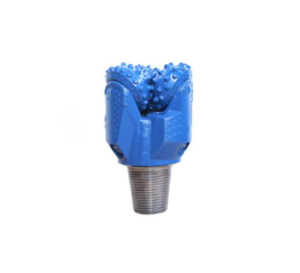
Sharpening a multicone drill bit requires greater care than sharpening a conventional twist drill because the tool has multiple cutting diameters and specific cutting geometries.
The objective is to restore the cutting edges without changing the original dimensions, cutting angles, or concentricity.
Before sharpening, determine the material used to manufacture the drill bit.
Common materials include:
The grinding wheel must be compatible with the cutting material. Using an unsuitable abrasive can cause excessive heat, poor surface quality, or damage to the cutting edges.
For suitable HSS multicone drill bits, a precision tool grinder or appropriate bench grinding equipment may be used.
Carbide tools generally require specialized grinding machines equipped with diamond wheels.
Professional tool-sharpening equipment provides better control over:
For complex multicone geometries, professional sharpening equipment is recommended.
The cutting geometry must be preserved during sharpening.
Avoid grinding all cutting steps at the same angle or removing excessive material from one section.
The operator should follow the manufacturer’s original specifications for:
Different multicone drill bit designs may have different geometries, so there is no single sharpening angle suitable for every model.
The purpose of sharpening is to restore the cutting edge, not to reshape the entire drill bit.
Use controlled grinding operations and remove only the minimum material necessary to eliminate dullness and minor edge damage.
Excessive grinding can reduce the drill bit diameter, change the cutting profile, and shorten its remaining service life.
Excessive grinding heat can negatively affect the hardness and structural integrity of cutting tools.
Use appropriate grinding conditions and cooling methods recommended for the tool material and grinding equipment.
Avoid excessive pressure and prolonged grinding in one area.
For carbide tools, follow the manufacturer’s recommended grinding procedures to prevent thermal damage and edge deterioration.
After sharpening, inspect every cutting step carefully.
Check whether:
A dimensional inspection is particularly important for multicone drill bits because even small changes in cutting geometry can affect the final hole diameter.
Whether a multicone drill bit can be sharpened at home depends on its material, design, and the equipment available.
Simple HSS tools may be suitable for resharpening by experienced operators using appropriate grinding equipment.
However, sharpening complicated multicone geometries by hand can be difficult.
The main challenges include:
Maintaining Multiple Cutting Diameters
Each cutting step must retain its original diameter and profile. Uneven grinding can change the dimensions of the finished holes.
Preserving Cutting Angles
Different cutting sections may require specific geometries. Incorrect angles can increase friction and reduce cutting efficiency.
Avoiding Excessive Material Removal
Removing too much material can permanently alter the tool’s dimensions.
Maintaining Concentricity
The cutting steps must remain properly aligned around the drill bit axis to ensure stable drilling.
For expensive, precision, carbide, or complex multicone drill bits, professional sharpening is generally the better option.
Proper operating conditions are just as important as sharpening and cleaning.
The following practices can significantly reduce premature wear.
Excessive RPM generates additional friction and heat, which can accelerate cutting-edge wear.
Select the rotational speed according to:
Larger cutting diameters generally require lower rotational speeds than smaller diameters when the cutting speed remains the same.
Cutting fluid helps reduce friction, remove heat, and improve chip evacuation.
When drilling stainless steel and other difficult-to-machine materials, suitable cutting lubrication is particularly important.
The cutting fluid should be compatible with both the workpiece material and the drill bit.
Applying too much pressure can damage the cutting edges, increase vibration, and cause premature wear.
Use a consistent feed rate appropriate for the material and cutting diameter.
Allow the cutting edges to remove material efficiently instead of forcing the tool through the workpiece.
A loose workpiece can move during drilling, creating vibration and uneven cutting forces.
Use suitable clamps or fixtures to secure the material before starting the operation.
Accumulated metal chips can obstruct cutting areas and increase friction.
For deeper holes or difficult materials, periodically remove chips according to the drilling process and tool manufacturer’s recommendations.
Storage conditions have a direct impact on tool condition.
Even a well-maintained drill bit can deteriorate if it is stored improperly.
Follow these storage recommendations:
Individual protective storage helps prevent accidental impact damage and makes it easier to identify the correct tool during production.
Some maintenance mistakes can cause more damage than normal drilling wear.
| Common Mistake | Possible Consequence | Recommended Practice |
|---|---|---|
| Grinding too aggressively | Excessive material removal | Use controlled grinding |
| Ignoring cutting angles | Poor cutting performance | Follow original geometry |
| Using unsuitable grinding wheels | Cutting-edge damage | Match abrasives to tool material |
| Allowing excessive grinding heat | Loss of tool performance | Control grinding temperature |
| Sharpening only some cutting steps | Uneven cutting behavior | Inspect all cutting sections |
| Storing tools without cleaning | Corrosion and contamination | Clean and dry before storage |
| Using excessive drilling pressure | Edge chipping and breakage | Apply a suitable feed rate |
| Ignoring worn cutting edges | Poor hole quality | Inspect tools regularly |
Avoiding these mistakes helps maintain consistent drilling performance and reduces unnecessary tool replacement.
Not every worn multicone drill bit should be sharpened.
The decision depends on the degree of wear, the remaining tool dimensions, and the cost of professional restoration.
Consider Sharpening When:
Consider Replacement When:
For industrial production, keeping inspection and sharpening records can help determine the most economical replacement schedule.
A simple maintenance routine can help operators keep their tools in good condition.
After Each Use
During Regular Inspections
When Sharpening Is Required
During Long-Term Storage

There is no universal sharpening interval. It depends on the workpiece material, drilling frequency, cutting speed, feed rate, lubrication, and tool material.
Inspect the cutting edges regularly and sharpen the tool when noticeable dullness begins to affect drilling performance.
Yes, many carbide multicone drill bits can be resharpened using specialized diamond grinding equipment.
However, the original cutting geometry and dimensional tolerances must be maintained. Severe damage may make replacement more economical.
A regular bench grinder may be suitable for certain simple HSS tools when operated by an experienced person with the correct grinding wheel.
However, it is generally not ideal for maintaining the precise geometry of complex multicone drill bits.
Common reasons include excessive drilling speed, insufficient lubrication, excessive feed pressure, unsuitable workpiece materials, poor chip evacuation, and improper tool alignment.
Using the correct cutting parameters can significantly reduce premature wear.
Sharpening removes a small amount of cutting material. Depending on the original design and sharpening method, repeated sharpening may affect the cutting geometry and usable dimensions.
Professional sharpening should preserve the specified step diameters within acceptable tolerances.
Minor wear can often be corrected through professional sharpening. However, severely damaged tools or tools that have lost their original dimensions should generally be replaced.
The best decision depends on tool condition, restoration costs, and required drilling accuracy.
Maintaining and sharpening multicone drill bits correctly can improve drilling efficiency, extend tool service life, and reduce the total cost of industrial machining operations. Regular cleaning, proper inspection, suitable lubrication, controlled grinding, and correct storage are all essential parts of an effective tool maintenance program.
However, maintenance alone cannot compensate for poor-quality cutting tools. Selecting a multicone drill bit with suitable materials, accurate cutting geometry, and reliable manufacturing quality is equally important.
Xiangriyang is a professional industrial drilling tool supplier providing information and product resources for customers looking for metalworking drill bits and industrial cutting solutions.
Visit www.xiangriyang.com to explore multicone drill bits, drilling tools, and related industrial products.
Whether you need drill bits for stainless steel, aluminum, carbon steel, sheet metal, or other industrial applications, choosing the right cutting tool for your specific machining requirements can help improve production efficiency and achieve more consistent drilling results.
Choose the right multicone drill bit, maintain it properly, and get more value from every drilling operation.

