Our Location
304 North Cardinal St.
Dorchester Center, MA 02124

304 North Cardinal St.
Dorchester Center, MA 02124

Choosing the correct RPM (revolutions per minute) is essential when using a multicone drill bit. The rotational speed directly affects drilling efficiency, cutting performance, hole accuracy, tool life, and heat generation. Running a drill bit too fast can cause excessive heat, premature wear, and cutting-edge damage. Running it too slowly may reduce productivity and produce rough or inaccurate holes.
So, what is the best RPM for using a multicone drill bit? The answer depends on several factors, including the workpiece material, drill bit diameter, cutting material, number of cutting steps, and machining conditions.
This guide explains how to select the right RPM for different applications and how to achieve better drilling performance.
There is no single RPM suitable for every multicone drill bit. The recommended rotational speed changes according to the diameter of the drill bit and the material being drilled.
For example, a small-diameter multicone drill bit generally requires a higher RPM than a large-diameter tool when both operate at the same cutting speed.
The following table provides approximate starting cutting speeds for conventional HSS multicone drill bits. These are general machining guidelines rather than universal manufacturer specifications.
| Workpiece Material | Recommended Cutting Speed (m/min) |
|---|---|
| Aluminum | 60–100 |
| Brass | 40–80 |
| Copper | 30–60 |
| Mild Steel | 20–30 |
| Alloy Steel | 15–25 |
| Stainless Steel | 8–15 |
| Cast Iron | 15–25 |
| Plastic | 30–100 |
For carbide multicone drill bits, higher cutting speeds may be possible. However, the actual operating parameters should follow the tool manufacturer’s recommendations and account for the machine, workpiece, and tool geometry.
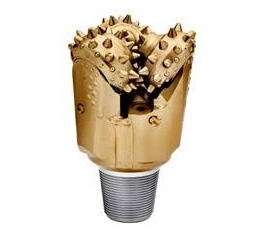
One of the most reliable ways to determine the correct drill speed is to calculate RPM using the cutting speed and drill bit diameter.
The standard metric formula is:
RPM = (1000 × Vc) ÷ (π × D)
Where:
Suppose you are using a 10 mm HSS multicone drill bit to drill mild steel.
Assume the recommended cutting speed is 25 m/min.
RPM = (1000 × 25) ÷ (3.1416 × 10)
RPM = 796
Therefore, approximately 800 RPM is a reasonable starting point under suitable drilling conditions.
If the drill bit diameter increases to 20 mm while maintaining the same cutting speed, the recommended RPM becomes approximately 398.
This demonstrates why larger multicone drill bits generally require lower rotational speeds.
Drill bit diameter is one of the most important factors when selecting spindle speed.
For example, when drilling mild steel with HSS cutting tools at a cutting speed of 25 m/min, the approximate RPM values are:
| Drill Bit Diameter | Recommended RPM |
|---|---|
| 3 mm | 2,653 |
| 5 mm | 1,592 |
| 6 mm | 1,326 |
| 8 mm | 995 |
| 10 mm | 796 |
| 12 mm | 663 |
| 15 mm | 531 |
| 20 mm | 398 |
| 25 mm | 318 |
| 30 mm | 265 |
These figures are calculated starting values, not guaranteed operating speeds. If your drill press or CNC machine cannot provide the exact RPM, select a suitable lower available speed and check the cutting conditions.
For multicone drill bits with several cutting diameters, use the largest active cutting diameter as an important reference when evaluating peripheral cutting speed. For specialized multi-step geometries, follow the manufacturer’s recommended operating parameters.
Several factors influence the ideal rotational speed of a multicone drill bit.
Different materials have different hardness, thermal conductivity, and cutting characteristics.
Aluminum is relatively soft and generally allows higher cutting speeds. Stainless steel requires more careful speed control because excessive heat can damage the cutting edge and cause work hardening.
When drilling stainless steel, use a suitable cutting fluid, maintain consistent feed pressure, and avoid allowing the tool to rub against the material without cutting.
The cutting material determines how much heat and cutting stress the drill bit can withstand.
HSS Multicone Drill Bits
High-speed steel drill bits are widely used for general-purpose metalworking. They offer good toughness and versatility and are suitable for many drilling applications.
Cobalt HSS Multicone Drill Bits
Cobalt-alloy HSS tools provide improved hot hardness and are often selected for stainless steel and other difficult-to-machine materials.
Carbide Multicone Drill Bits
Carbide tools generally support higher cutting speeds and provide excellent wear resistance. However, they require suitable machine rigidity and stable operating conditions.
A larger cutting diameter produces a higher peripheral cutting speed at the same RPM.
Therefore, increasing spindle speed without considering drill bit diameter can lead to overheating and premature tool failure.
Always calculate RPM based on the actual cutting diameter rather than selecting a speed simply because it is commonly used for smaller drill bits.
Multicone drill bits may feature multiple cutting sections or progressively changing diameters.
The number of cutting steps and their geometry influence cutting resistance, chip formation, and the load placed on the drill.
A tool with multiple cutting stages may engage different sections of the workpiece during operation. Consequently, the recommended RPM should account for the entire cutting geometry, not just the smallest cutting section.
Cutting heat is another important factor affecting drill speed.
Insufficient cooling can increase friction, damage cutting edges, and shorten tool life.
Depending on the workpiece material and tool design, appropriate cutting fluids, lubrication, or compressed-air chip removal can improve drilling conditions.
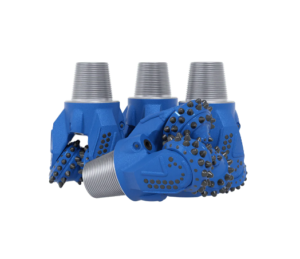
Operating a multicone drill bit above its recommended speed can create several problems.
Excessive Heat Generation
High rotational speeds increase heat generation at the cutting edges. This can reduce tool hardness and accelerate wear.
Premature Cutting Edge Wear
Excessive cutting temperatures and friction can cause cutting-edge deterioration, reducing the service life of the drill bit.
Poor Hole Quality
Too much speed combined with unsuitable feed pressure may produce rough surfaces, inaccurate hole dimensions, and unwanted burrs.
Drill Bit Failure
In severe conditions, excessive heat and cutting forces can damage the tool or cause breakage, especially when the workpiece is poorly secured.
Low RPM is not always the safest or most effective choice.
When the rotational speed is too low, drilling productivity decreases. Depending on the material and feed rate, the drill bit may also rub rather than cut efficiently.
This can create:
The objective is to find a suitable balance between rotational speed, feed rate, cutting geometry, and cooling conditions.
Different applications require different drilling strategies.
Aluminum generally supports higher cutting speeds than steel. A suitable lubricant can help reduce material adhesion and improve chip evacuation.
Use a stable feed rate and avoid excessive pressure that could cause material buildup on the cutting edges.
For mild steel, moderate cutting speeds are usually appropriate for HSS multicone drill bits.
Start with the calculated RPM and adjust according to chip formation, cutting noise, temperature, and surface quality.
Stainless steel requires more careful control.
Use a relatively low cutting speed, adequate feed pressure, and suitable cutting fluid. Avoid stopping the tool while it is rubbing against the workpiece.
When drilling plastic, heat management is especially important because excessive temperatures can soften, melt, or deform the material.
Select a suitable speed, use controlled feed pressure, and ensure chips can escape from the cutting area.
Selecting the right RPM is only one part of successful drilling. The following practices can help improve cutting efficiency and extend tool life.
1. Start With the Manufacturer’s Recommendations
Check the recommended cutting speed and operating conditions for the specific multicone drill bit.
2. Calculate RPM Before Drilling
Use the cutting-speed formula to determine a suitable starting spindle speed based on the material and cutting diameter.
3. Secure the Workpiece Properly
A firmly clamped workpiece helps reduce vibration and improves drilling accuracy.
4. Use Appropriate Lubrication
Select a suitable cutting fluid according to the workpiece material and tool specifications.
5. Maintain Consistent Feed Pressure
Avoid excessive force and unnecessary interruptions during cutting. Maintain a stable feed that allows the cutting edges to remove material efficiently.
6. Monitor Cutting Temperature
Unusual heat, discoloration, smoke, or rapidly increasing cutting resistance may indicate unsuitable operating conditions.
7. Inspect the Cutting Edges Regularly
Check for wear, chipping, deformation, and material buildup. Replace damaged tools before they affect machining quality.
Some common mistakes can reduce drilling performance even when a high-quality drill bit is used.
Avoiding these mistakes helps improve drilling accuracy, productivity, and tool service life.
The correct RPM depends on the workpiece material and cutting tool. For a 10 mm HSS drill bit drilling mild steel at 25 m/min, approximately 800 RPM is a reasonable starting point.
Yes. Aluminum generally supports higher cutting speeds than steel. However, the recommended speed still depends on drill bit diameter, cutting geometry, machine capability, and chip evacuation.
Generally, yes. Stainless steel typically requires lower cutting speeds than aluminum and mild steel when using HSS cutting tools.
Yes. At the same cutting speed, a larger drill bit requires a lower rotational speed because its cutting edge travels a greater distance during each revolution.
No. Higher RPM does not automatically improve drilling productivity. Excessive speed can increase heat generation, accelerate cutting-edge wear, and reduce hole quality.
Choose the correct RPM, maintain an appropriate feed rate, use suitable lubrication, secure the workpiece, and regularly inspect the cutting edges.
The best RPM for using a multicone drill bit depends on workpiece material, cutting diameter, tool material, cutting geometry, and machining conditions.
For general HSS drilling applications, aluminum can typically operate at higher cutting speeds, while mild steel and stainless steel require more conservative settings. Calculating RPM using the cutting-speed formula provides a reliable starting point for selecting the correct operating speed.
Remember that the best drilling performance comes from balancing RPM, feed rate, cooling, and tool geometry rather than simply running the drill at the highest possible speed.
If you are looking for reliable multicone drill bits for industrial drilling, metalworking, manufacturing, and precision machining, visit www.xiangriyang.com.
Xiangriyang provides information and solutions related to industrial cutting tools, drill bits, and machining applications. Whether you need to compare drill bit materials, explore different diameters, understand cutting performance, or find suitable drilling tools for specific materials, Xiangriyang can help you explore practical options.
Choosing the right multicone drill bit is an important step toward improving machining efficiency, maintaining hole accuracy, reducing tool wear, and achieving consistent drilling results.
Visit www.xiangriyang.com to explore more drill bit products, technical information, and industrial drilling solutions.

