Our Location
304 North Cardinal St.
Dorchester Center, MA 02124

304 North Cardinal St.
Dorchester Center, MA 02124

A multicone drill bit is designed with multiple conical cutting sections that allow it to create holes of different diameters in a single drilling operation. One of the most important factors when selecting a multicone drill bit is the number of cutting steps. The correct number of steps affects drilling efficiency, hole accuracy, cutting performance, tool durability, and the range of materials that can be processed.
So, how many cutting steps should a multicone drill bit have? The answer depends on the material being drilled, the required hole diameters, material thickness, drilling depth, and the application.
Cutting steps are the individual diameter sections arranged along the tapered body of a multicone drill bit. Each step has a specific diameter, allowing the tool to gradually enlarge a hole as it penetrates the material.
Unlike a conventional twist drill bit, which generally produces one fixed hole diameter, a multicone drill bit can create several different hole sizes using a single tool.
For example, a multicone drill bit may have the following diameter sequence:
Each diameter represents a cutting step. The operator can stop drilling when the desired hole diameter is reached.
The number of cutting steps determines how many different hole sizes can be produced with the same tool.
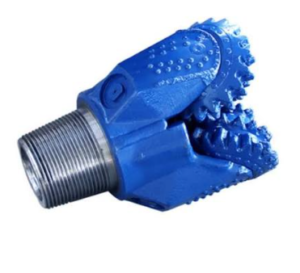
There is no universal number of cutting steps suitable for every application. Most multicone drill bits are designed with approximately 3 to 15 or more cutting steps, depending on their overall diameter range, design, and intended use.
The following guidelines can help with selection.
Multicone drill bits with 3–5 steps are suitable for applications requiring a limited number of hole diameters.
Advantages include:
These tools are often appropriate for basic metalworking, maintenance, and general-purpose drilling.
A multicone drill bit with 6–8 cutting steps offers a good balance between versatility and drilling efficiency.
This configuration provides more diameter choices without making the tool excessively complicated.
Typical applications include:
For many general-purpose drilling applications, 6–8 steps provide a practical combination of flexibility and usability.
A multicone drill bit with 9–12 cutting steps is useful when operators need more precise control over hole diameters.
The additional steps allow smaller diameter increments, making it easier to select the required hole size.
Potential benefits include:
These configurations are suitable for professional metalworking, equipment manufacturing, and applications involving multiple hole specifications.
Some specialized multicone drill bits feature more than 12 cutting steps.
They are designed for applications where a wide range of hole diameters and smaller diameter increments are important.
However, adding more cutting steps does not automatically improve drilling performance. The tool must maintain suitable cutting geometry, sufficient step spacing, and adequate structural strength.
Choosing the correct number of cutting steps requires considering several technical factors.
The first consideration is the minimum and maximum hole diameter required.
For example, if the application only requires holes between 6 mm and 12 mm, a tool with a relatively small number of cutting steps may be sufficient.
However, if the required diameter range extends from 4 mm to 30 mm, more steps may be necessary to provide additional size options.
Before purchasing a multicone drill bit, identify the complete diameter range required for the application.
Material thickness influences how the cutting steps engage with the workpiece.
Thin sheet metal can often be processed using conventional stepped or tapered cutting geometries. For thicker materials, the operator must consider the available cutting-edge length and the geometry of each step.
A tool with many closely spaced steps is not necessarily suitable for thick materials.
The cutting geometry must provide sufficient clearance and effective chip removal.
Different materials require different cutting conditions.
Common workpiece materials include:
For softer materials, a suitable multicone drill bit can provide efficient cutting with relatively low cutting resistance.
For stainless steel and other harder materials, the cutting-edge design, hardness, heat resistance, and wear resistance become particularly important.
If the application requires several specific hole diameters, selecting a multicone drill bit with appropriately spaced cutting steps is important.
Smaller diameter increments provide more size options.
However, hole accuracy also depends on:
The number of steps alone does not determine the final hole accuracy.
A multicone drill bit with fewer steps may be more suitable when the application involves only a few commonly used hole sizes.
For production environments involving many different hole diameters, additional steps can reduce the need for frequent tool changes.
The ideal configuration should balance the number of required diameters with overall cutting efficiency.
Not necessarily.
More cutting steps increase the number of available hole diameters, but they do not automatically increase cutting speed or tool life.
There are several advantages and disadvantages to consider.
Advantages of More Cutting Steps
Potential Disadvantages of Too Many Cutting Steps
A well-designed multicone drill bit should provide a suitable balance between the number of cutting steps, cutting-edge strength, and overall tool geometry.
The following table provides general selection guidance.
| Application | Suggested Cutting Steps |
|---|---|
| Basic metal drilling | 3–5 |
| General sheet metal processing | 5–8 |
| Electrical panel manufacturing | 6–10 |
| Automotive component processing | 6–12 |
| Multiple hole diameter applications | 8–12 |
| Specialized industrial applications | 10–15+ |
These are practical reference ranges rather than mandatory specifications. The final selection should be based on the actual workpiece, hole dimensions, and cutting requirements.
The spacing between cutting steps is another important design consideration.
For example, consider two multicone drill bits:
Both tools cover the same overall diameter range, but Tool B offers more intermediate sizes.
Tool A may be sufficient for applications requiring only larger diameter intervals.
Tool B provides greater flexibility when smaller diameter increments are needed.
The correct choice depends on the required hole specifications rather than simply selecting the tool with the highest number of steps.

Several mistakes can affect drilling quality and tool performance.
Mistake 1: Choosing Too Many Cutting Steps
A higher step count is not always better. Excessive cutting sections may complicate the tool geometry without providing meaningful benefits for the actual application.
Mistake 2: Ignoring Material Thickness
A multicone drill bit must have suitable cutting geometry for the thickness of the workpiece. Selecting a tool based only on diameter range can lead to poor results.
Mistake 3: Ignoring Material Hardness
Drilling stainless steel requires different cutting conditions from drilling aluminum or plastic. Tool material and cutting-edge design should match the workpiece.
Mistake 4: Focusing Only on the Number of Steps
The number of cutting steps should be evaluated together with diameter range, step spacing, cutting-edge geometry, coating, and manufacturing quality.
Mistake 5: Using Excessive Drilling Pressure
Applying excessive pressure can cause overheating, premature wear, and poor hole quality. Use appropriate cutting speeds, feed rates, and lubrication according to the material and tool manufacturer’s recommendations.
Proper maintenance helps preserve cutting performance regardless of the number of cutting steps.
Recommended practices include:
Regular inspection is especially important for multicone drill bits with numerous cutting steps because wear on individual cutting sections can affect the resulting hole dimensions.
For most general-purpose applications, a multicone drill bit with 6–8 cutting steps is a practical starting point.
If your work involves multiple hole diameters and requires smaller size increments, consider a tool with 9–12 steps.
For specialized industrial applications, tools with more than 12 cutting steps may be appropriate when their geometry and specifications meet the actual production requirements.
The most important principle is to select the number of cutting steps according to the required hole diameters, workpiece material, material thickness, and production needs.
A properly designed multicone drill bit can improve drilling flexibility, reduce tool changes, and support more efficient metalworking operations.
Choosing the right multicone drill bit is essential for achieving consistent drilling results and improving industrial machining efficiency. Whether you need a tool with a small number of cutting steps for basic drilling or a specialized design with multiple diameter increments, selecting the right specifications is important.
Xiangriyang provides information and product solutions related to industrial drilling tools, cutting tools, and metalworking applications.
When selecting a multicone drill bit, customers can consider important specifications such as:
Visit www.xiangriyang.com to explore drilling tool information and find suitable solutions for your industrial drilling and metalworking needs.
Whether you are a professional manufacturer, industrial distributor, or metalworking specialist, choosing the right multicone drill bit can help improve productivity and achieve reliable drilling performance.

