Our Location
304 North Cardinal St.
Dorchester Center, MA 02124

304 North Cardinal St.
Dorchester Center, MA 02124

Choosing the correct Multicone Drill Bit Size is essential for achieving accurate hole dimensions, efficient drilling performance, and consistent results in industrial and metalworking applications. Whether you are drilling stainless steel, aluminum, carbon steel, or other materials, selecting the appropriate drill bit diameter can significantly affect machining quality, cutting efficiency, and tool service life.
Multicone drill bits are designed for drilling applications that require multiple cutting angles or stepped cutting geometries, depending on their specific design. Understanding the relationship between drill bit size, workpiece material, hole diameter, and drilling equipment will help you select the right tool for your application.
This guide explains how to choose the correct multicone drill bit size, which factors to consider, and how to avoid common sizing mistakes.
The first step in selecting a multicone drill bit is identifying the required hole diameter.
Before purchasing a drill bit, determine the exact dimensions of the hole needed for your project. Different industrial applications require different hole sizes, and choosing an incorrect diameter may result in poor fitting, inaccurate assembly, or additional machining work.
Consider the following factors:
For applications requiring precise dimensions, always check the manufacturer’s dimensional specifications before selecting a drill bit.
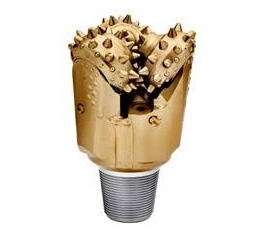
Different materials have different hardness levels, cutting characteristics, and heat-generation properties. The material being drilled is therefore an important factor when selecting the correct multicone drill bit size and design.
Stainless steel is relatively difficult to machine because of its toughness and tendency to generate heat during drilling.
When drilling stainless steel, consider a suitable cutting geometry, appropriate cutting speed, and sufficient lubrication. The drill bit must also have adequate strength and wear resistance.
Aluminum is relatively soft and generally easier to drill than stainless steel. However, its tendency to produce long chips and adhere to cutting edges makes tool geometry important.
Choose a drill bit with an appropriate cutting design to improve chip evacuation and reduce material buildup.
Carbon steel is widely used in manufacturing, construction, and industrial equipment.
The appropriate multicone drill bit should match the steel grade, hardness, required hole dimensions, and production conditions.
Alloy steel can have different hardness and toughness characteristics depending on its composition and heat treatment.
For harder alloy steels, pay particular attention to cutting-edge strength, tool material, and operating parameters.
Multicone drill bits may be available in different diameter specifications depending on the manufacturer and product series.
Before selecting a product, compare its available dimensions with your application requirements.
Important specifications include:
Do not assume that all multicone drill bits have the same dimensional configuration. Different models may have different cutting structures and diameter ranges.
If your required hole diameter is not available as a standard specification, contact the supplier to discuss customized tooling options.
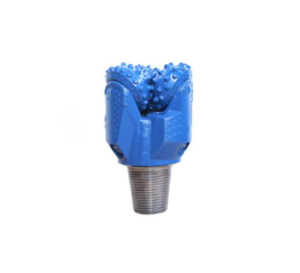
Diameter is not the only important measurement. Drill bit length also affects drilling performance and accessibility.
You should consider three main dimensions.
Overall Length
Overall length refers to the total length of the drill bit. It determines whether the tool can be installed and operated within the available machine space.
Working Length
Working length refers to the effective cutting or drilling length. It should be sufficient for the thickness of the workpiece and the required drilling depth.
Shank Length
The shank must be compatible with the drill chuck or machine tool holder.
Selecting a drill bit that is too short may prevent you from reaching the required drilling depth. An excessively long drill bit may increase vibration and reduce stability.
Choose a length that provides sufficient working clearance without unnecessary overhang.
Before ordering a multicone drill bit, verify that its shank and dimensions are compatible with your drilling equipment.
Different machines have different tool-holding systems and operating capabilities.
Check the following specifications:
The shank diameter is particularly important. A drill bit with an incompatible shank may not fit securely into the machine.
You should also ensure that the machine can provide the appropriate rotational speed and feed rate for the selected drill bit and workpiece material.
The correct drill bit size must also work within the operating capabilities of your machine.
Cutting speed and feed rate influence drilling efficiency, hole quality, cutting temperature, and tool life.
For conventional drilling operations, cutting speed can be calculated using the following formula:
Cutting Speed Formula:
Vc = (π × D × N) / 1000
Where:
To calculate spindle speed:
N = (1000 × Vc) / (π × D)
For example, if the recommended cutting speed is 20 m/min and the drill bit diameter is 10 mm:
N = (1000 × 20) / (3.1416 × 10)
N ≈ 637 RPM.
This is an illustrative calculation. Actual cutting parameters should follow the drill bit manufacturer’s recommendations and account for material hardness, tool geometry, machine rigidity, and cooling conditions.

Multicone drill bits may be specified using metric or imperial measurements.
Metric dimensions are generally expressed in millimeters, while imperial dimensions are expressed in inches.
The conversion relationship is:
1 inch = 25.4 mm
Some common dimensional conversions include:
| Metric Size | Imperial Equivalent |
|---|---|
| 3 mm | 0.1181 inch |
| 4 mm | 0.1575 inch |
| 5 mm | 0.1969 inch |
| 6 mm | 0.2362 inch |
| 8 mm | 0.3150 inch |
| 10 mm | 0.3937 inch |
| 12 mm | 0.4724 inch |
| 15 mm | 0.5906 inch |
| 20 mm | 0.7874 inch |
Always confirm the actual product dimensions instead of relying only on rounded conversions.
This is especially important when working with imported equipment, international engineering drawings, and replacement tooling.
For industrial drilling, choosing the correct drill bit size is closely related to the required hole accuracy.
A drill bit with an appropriate diameter does not automatically guarantee a perfectly sized hole. Actual results can also be affected by:
If your application requires tight dimensional tolerances or a specific surface finish, consider whether an additional finishing operation, such as reaming, is necessary.
Inspect sample holes using suitable measuring instruments before starting large-scale production.
Avoiding common selection mistakes can help reduce production costs and improve machining consistency.
Choosing a Drill Bit Based Only on Diameter
Diameter is important, but length, shank compatibility, cutting geometry, and material suitability must also be considered.
Ignoring Workpiece Thickness
A drill bit may have the correct diameter but insufficient working length for the required drilling depth.
Using the Wrong Cutting Parameters
Excessive spindle speed or feed rate can cause overheating, premature wear, and poor hole quality.
Ignoring Machine Compatibility
Always verify the shank dimensions and tool-holding requirements before purchasing.
Failing to Consider Material Hardness
A drill bit suitable for aluminum may not deliver the same performance when used on stainless steel or hardened alloy steel.
Not Checking Manufacturer Specifications
Different manufacturers may use different product designs and dimensional standards. Always confirm the exact specifications of the selected model.
Before purchasing a multicone drill bit, use the following checklist:
| Selection Factor | What to Check |
|---|---|
| Hole diameter | Required finished hole size |
| Material | Stainless steel, aluminum, carbon steel, etc. |
| Drill bit length | Overall and working length |
| Shank diameter | Compatibility with the machine |
| Cutting geometry | Suitable for the intended operation |
| Machine capacity | Speed, power, and tool holder |
| Hole tolerance | Required dimensional accuracy |
| Cooling requirements | Dry drilling or suitable cutting fluid |
| Product specifications | Manufacturer’s dimensional information |
A systematic selection process helps ensure that the drill bit matches the actual machining requirements rather than simply choosing the closest available diameter.
Start by identifying the required finished hole diameter. Then check the workpiece material, drilling depth, machine compatibility, and manufacturer’s available size specifications.
Generally, the cutting diameter should match the required hole dimensions. Using an oversized drill bit may produce a hole that is too large for the intended application.
Yes. Excessive tool overhang can increase vibration and deflection, potentially affecting hole accuracy. Select a suitable working length for the drilling depth.
Availability depends on the manufacturer, product design, and production capabilities. Some suppliers may offer customized dimensions according to customer drawings or technical requirements.
There is no single best diameter for stainless steel. The correct size depends on the required hole dimensions, material thickness, stainless steel grade, and drilling equipment.
Choose the measurement system used in your engineering drawings and production specifications. Always verify conversions to avoid dimensional errors.
Choosing the correct Multicone Drill Bit Size requires more than simply matching the required hole diameter. You should also evaluate the workpiece material, drilling depth, drill bit length, shank dimensions, machine compatibility, cutting parameters, and required hole accuracy.
By carefully checking these factors before purchasing, you can improve drilling efficiency, achieve more consistent machining results, reduce unnecessary tool replacement, and maintain better production quality.
If you are looking for industrial drilling tools, cutting tools, and professional drilling solutions, Xiangriyang is a website worth exploring.
Visit www.xiangriyang.com to learn more about drilling tools, drill bit products, industrial cutting applications, and related machining solutions.
Whether you need multicone drill bits for metalworking, manufacturing, equipment maintenance, or other industrial applications, choosing products with the correct dimensions and technical specifications is essential.
For product selection, compare the available sizes, materials, cutting geometry, and application requirements to find a suitable drilling solution for your project.
Xiangriyang – Your Resource for Industrial Drill Bits and Cutting Tools

