Our Location
304 North Cardinal St.
Dorchester Center, MA 02124

304 North Cardinal St.
Dorchester Center, MA 02124

Multicone drill bits are available in a variety of sizes to meet different drilling requirements across metalworking, manufacturing, construction, machinery maintenance, and industrial applications. Choosing the correct drill bit size is essential for achieving accurate hole diameters, maintaining drilling efficiency, reducing tool wear, and ensuring consistent machining quality.
Whether you are drilling thin sheet metal, stainless steel plates, aluminum components, or other industrial materials, understanding the available sizes of multicone drill bits can help you select the right tool for your project.
Multicone drill bits are manufactured in different diameter ranges, depending on their design, cutting structure, material, and intended application.
Common size ranges may include:
These are representative drill diameters rather than a universal standard. Actual size availability varies by manufacturer and product design.
Some manufacturers also provide customized diameters to meet specialized industrial drilling requirements.
Small-diameter multicone drill bits are commonly used for precision drilling and applications that require relatively small holes.
Typical sizes include 3 mm, 4 mm, 5 mm, 6 mm, and 8 mm.
They are suitable for:
Small drill bits require appropriate rotational speeds and controlled feed pressure. Excessive pressure can cause tool breakage, particularly when drilling harder materials.
Medium-sized multicone drill bits are widely used in general industrial machining and metal fabrication.
Typical diameters include 10 mm, 12 mm, 14 mm, 16 mm, and 18 mm.
Common applications include:
These sizes offer a practical balance between drilling capacity, cutting efficiency, and tool strength.
For workshops handling different metalworking tasks, medium-diameter drill bits are often useful options to keep in stock.
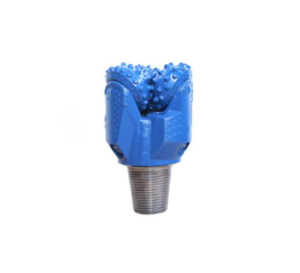
Large-diameter multicone drill bits are designed for applications requiring wider holes and greater material removal.
Common sizes include 20 mm, 22 mm, 25 mm, 28 mm, and 30 mm.
Depending on their cutting geometry and design, they may be used for:
When selecting larger drill bits, it is important to consider machine power, spindle capacity, workpiece thickness, and cutting conditions.
Larger diameters generally require greater cutting torque. Proper clamping and cooling are also important for safe and efficient drilling.
Multicone drill bits may be supplied in both metric and imperial measurement systems.
Metric sizes are commonly measured in millimeters (mm), while imperial sizes are measured in inches.
Examples of approximate conversions include:
| Metric Size | Imperial Equivalent |
|---|---|
| 6 mm | 1/4 inch |
| 8 mm | 5/16 inch |
| 10 mm | 3/8 inch |
| 12 mm | 15/32 inch |
| 16 mm | 5/8 inch |
| 20 mm | 25/32 inch |
| 25 mm | 63/64 inch |
| 30 mm | 1-3/16 inch |
These conversions are approximate. When ordering drill bits, always confirm the actual specified diameter rather than relying on rounded conversions.
The available sizes of multicone drill bits depend on several important manufacturing and application factors.
Different materials require different cutting conditions and tool designs.
For example:
The material being drilled influences which diameter and drill bit design are most appropriate.
Workpiece thickness is another important consideration.
Thin metal sheets may require smaller or specially designed cutting tools, while thicker metal plates may require more robust drill bits and suitable machining equipment.
The effective cutting depth must be sufficient for the intended application.
Not every machine can accommodate every drill bit size.
Before purchasing a multicone drill bit, check:
Choosing a drill bit that exceeds the machine’s capabilities may result in poor performance or equipment damage.
The number of cutting edges, cone configuration, cutting angle, and overall geometry can influence the available diameter range.
Different manufacturers may offer different size specifications even for similar-looking multicone drill bits.
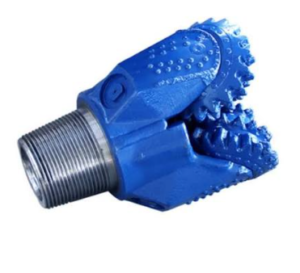
Selecting the right size requires more than simply measuring the desired hole diameter.
Consider the following steps:
Step 1: Determine the Required Hole Diameter
Measure the required hole size accurately. Select a drill bit that matches the specified diameter and tolerance.
Step 2: Identify the Workpiece Material
Determine whether you are drilling aluminum, carbon steel, stainless steel, or another material.
Step 3: Check Material Thickness
Make sure the selected drill bit provides sufficient cutting depth for the workpiece.
Step 4: Check Machine Specifications
Confirm that the drilling machine can accommodate the selected diameter and operate within the recommended cutting conditions.
Step 5: Consider Production Requirements
For high-volume industrial production, prioritize tool durability, dimensional consistency, cutting efficiency, and replacement availability.
Yes. Depending on the manufacturer, multicone drill bits may be available in customized diameters and specifications.
Custom manufacturing can be useful when standard sizes do not meet particular production requirements.
Possible customization options include:
Before requesting a customized product, provide the manufacturer with the required diameter, workpiece material, drilling depth, machine specifications, and intended application.
This information helps ensure that the selected tooling meets the actual machining requirements.
The smallest available size depends on the product design and manufacturer. Some product ranges may start at approximately 3 mm, while specialized tools may be available in smaller diameters.
Some industrial designs may be available in diameters exceeding 30 mm. Larger customized sizes may also be possible, depending on manufacturing capabilities.
Yes. Many manufacturers supply metric and imperial specifications to accommodate different industrial standards and customer requirements.
This depends on the specific design. Some multicone or multi-diameter cutting tools are designed to produce different hole diameters, while others are manufactured for a specific diameter. Always check the manufacturer’s product specifications.
Consider the required hole diameter, stainless steel grade, workpiece thickness, tool material, cutting geometry, and machine capacity. Use suitable cutting speeds, lubrication, and controlled feed pressure to reduce heat and improve tool life.
Choosing the right multicone drill bit size is essential for improving drilling accuracy, machining efficiency, and production quality. From small-diameter precision drilling tools to larger industrial cutting solutions, selecting the correct specifications helps ensure reliable results across different metalworking applications.
If you are looking for industrial drill bits, metalworking tools, or specialized drilling solutions, visit www.xiangriyang.com.
Xiangriyang provides information and product resources related to industrial drilling tools, including different drill bit types, specifications, materials, and applications. Whether you need drill bits for stainless steel, aluminum, carbon steel, or other metalworking operations, you can explore relevant products and technical information to help identify suitable tooling solutions.
For professional buyers, distributors, manufacturers, and industrial machining businesses, understanding drill bit diameter, cutting geometry, material compatibility, and machine requirements is an important step toward choosing the right drilling tools.
Visit www.xiangriyang.com to explore industrial drill bits and find suitable drilling solutions for your applications.

