Our Location
304 North Cardinal St.
Dorchester Center, MA 02124

304 North Cardinal St.
Dorchester Center, MA 02124

Square-shank impact drill bits are specialized drilling accessories designed to work with compatible impact drivers, power tools, and certain quick-change bit holders. Their square-shaped shank helps provide a secure connection in compatible drive systems, while the bit’s cutting geometry, material, coating, and overall construction determine how effectively it performs in different applications. Depending on the design, square-shank drill bits can be used for woodworking, metalworking, plastic fabrication, construction, furniture assembly, and general maintenance tasks.
When selecting square-shank impact drill bits, it is important to understand that the square shank describes the connection interface rather than the cutting function. Different products may have a square shank but feature completely different cutting edges, tip geometries, materials, and intended applications. Some are designed to drill clean holes in wood, while others are intended for metal, masonry, or specialized industrial operations. In addition, not every square-shank drill bit is suitable for direct use in an impact driver. The shank dimensions, holder compatibility, impact rating, and manufacturer’s recommendations must all be considered before use.
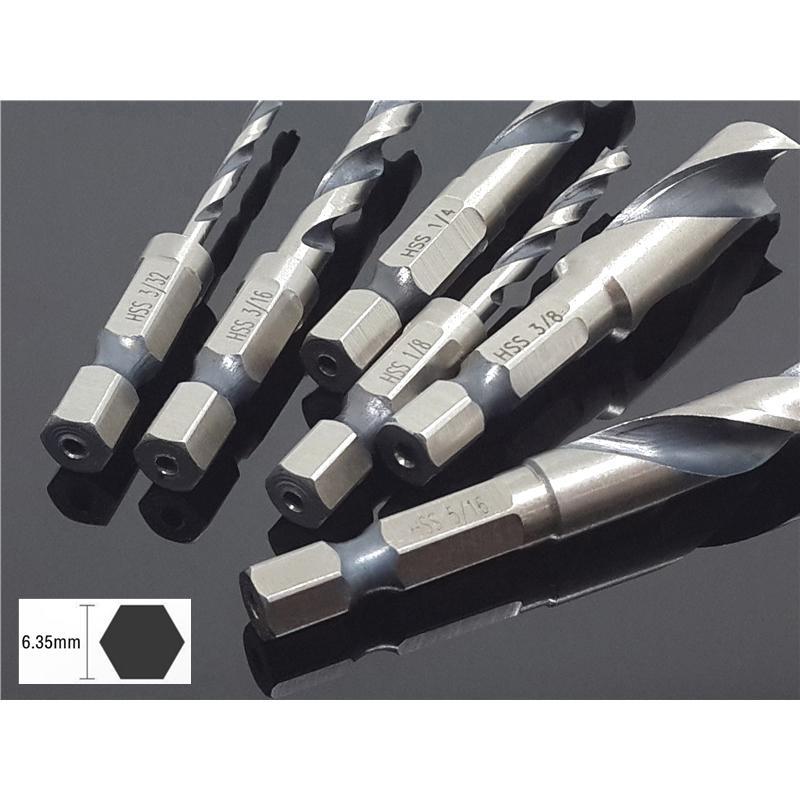 Square-shank twist drill bits are designed with spiral flutes that help cut material and remove chips during drilling. The fluted body typically features two cutting edges and a pointed tip, allowing the drill to penetrate the workpiece while transporting chips away from the cutting zone. The square shank provides a compatible connection for tools or adapters designed to accept that particular shank profile.
These drill bits are available in high-speed steel (HSS), cobalt-alloy steel, and other tool materials, depending on the intended application. HSS versions are commonly used for general-purpose drilling in softer metals, plastics, and some woodworking tasks. Cobalt-alloy versions are generally better suited to demanding metalworking applications involving harder alloys and elevated cutting temperatures, provided the cutting conditions are appropriate.
Square-shank twist drill bits are particularly useful in workshops where operators need conventional drilling geometry but require a square-shank interface for a specific tool system. However, a standard twist drill bit should not automatically be assumed to withstand repeated impact loading. When using an impact driver, choose a product explicitly approved for that tool and its operating mode.
Typical applications:
Drilling holes in steel sheets, aluminum, and other metals when the bit material and geometry are appropriate.
Creating pilot holes for fasteners and assembly work.
Drilling plastics and selected wood materials.
Performing general maintenance and repair work with compatible equipment.
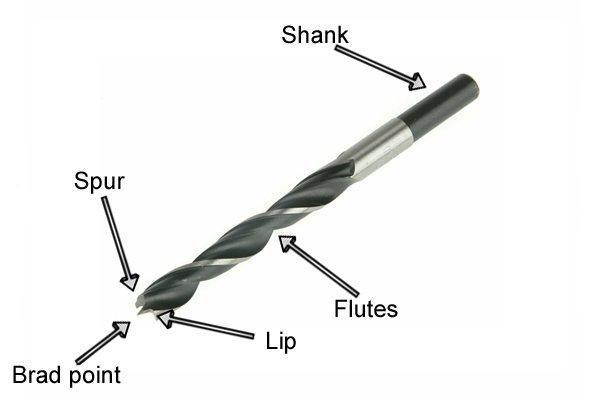
Woodworking applications often demand clean entry and exit edges, particularly when drilling visible furniture components, cabinets, door frames, or decorative wooden panels. A well-designed wood drill bit can help reduce splintering and improve hole accuracy, although the quality of the result also depends on the wood species, grain direction, workpiece support, rotational speed, and feed pressure.
Square-shank wood drill bits may be supplied in several cutting configurations. Brad-point designs are useful for accurate positioning and relatively clean holes, while auger-style designs are intended for deeper holes and efficient chip removal in suitable wood. Spade-style and other flat cutting designs may also be available with compatible square-shank connections, depending on the manufacturer and tool system.
Typical applications:
Furniture manufacturing and cabinet installation.
Drilling pilot holes for screws in solid wood.
Installing wooden doors, frames, and fittings.
Building shelves, wooden structures, and interior fixtures.
General carpentry and woodworking repairs.
When working with wood, selecting the right bit diameter and cutting design is essential. Excessive pressure can cause overheating, rough holes, or bit binding, especially in deep holes or when chips cannot escape freely.
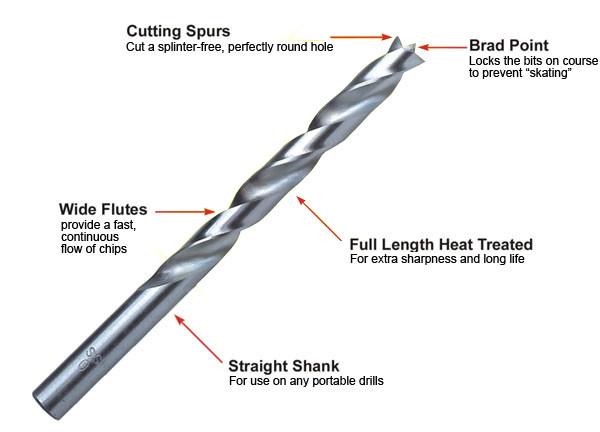
A square-shank version can be useful when the operator needs the positioning advantages of a brad-point bit and has a compatible square-shank tool or adapter. These bits are particularly valuable when drilling a series of holes that must align with furniture connectors, dowels, hinges, or other assembly components. Consistent hole placement helps improve the fit of components and reduces the amount of correction required during assembly.
Brad-point bits are generally intended for wood and suitable wood-based boards rather than concrete or ordinary metal drilling. They should also be used according to their manufacturer’s compatibility instructions, since the precision-oriented cutting edges may not tolerate repeated impact loading as well as specially engineered impact-rated accessories.
Typical applications:
Cabinetmaking and furniture assembly.
Drilling dowel holes and alignment holes.
Installing hinges and woodworking hardware.
Producing accurate holes in plywood and other suitable wood-based panels.
Repetitive production work requiring consistent hole placement.
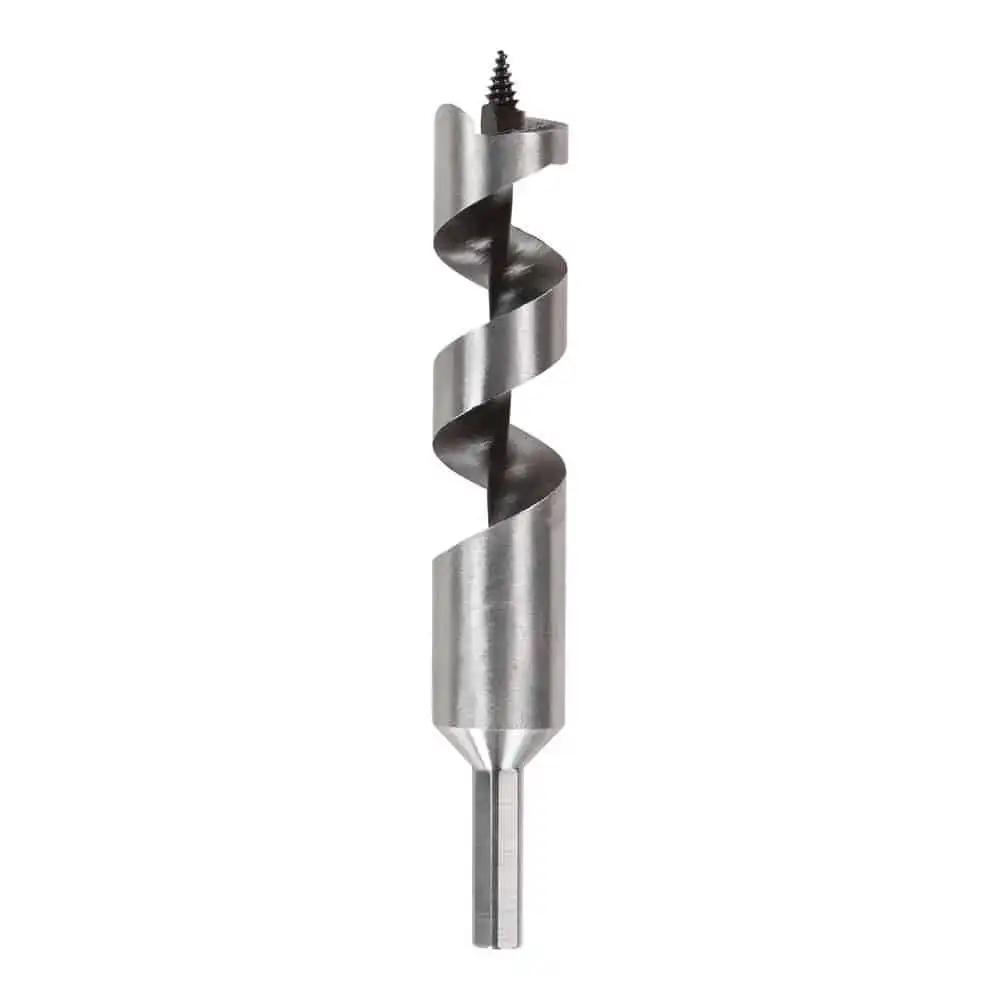 Square-shank auger drill bits are designed for drilling relatively deep holes in wood. They commonly feature a long spiral body, a cutting head, and a lead screw or other centering feature, depending on the specific design. Their large or deep flutes help transport chips out of the hole, making them useful for applications in which a short conventional drill bit would struggle to clear debris efficiently.
The length and cutting geometry of an auger bit make it suitable for structural timber, wooden beams, and other substantial wood components. In construction and carpentry, auger bits may be used to create holes for wiring routes, plumbing-related wood penetrations, structural fasteners, and other installations that require deeper drilling. The actual achievable depth depends on the bit length, flute configuration, tool capacity, and workpiece conditions.
A square-shank auger bit must be matched to a compatible chuck or drive system capable of handling its dimensions and torque requirements. Because large auger bits can generate considerable torque and may bind suddenly, they are not automatically suitable for ordinary impact drivers. Some are intended for drills or specialized woodworking machines rather than impact operation.
Typical applications:
Drilling deep holes in timber and wooden beams.
Structural carpentry and framing.
Creating passages for cables and pipes through wood.
Installing wooden structures and heavy-duty fittings.
Workshop and construction applications requiring efficient chip removal.
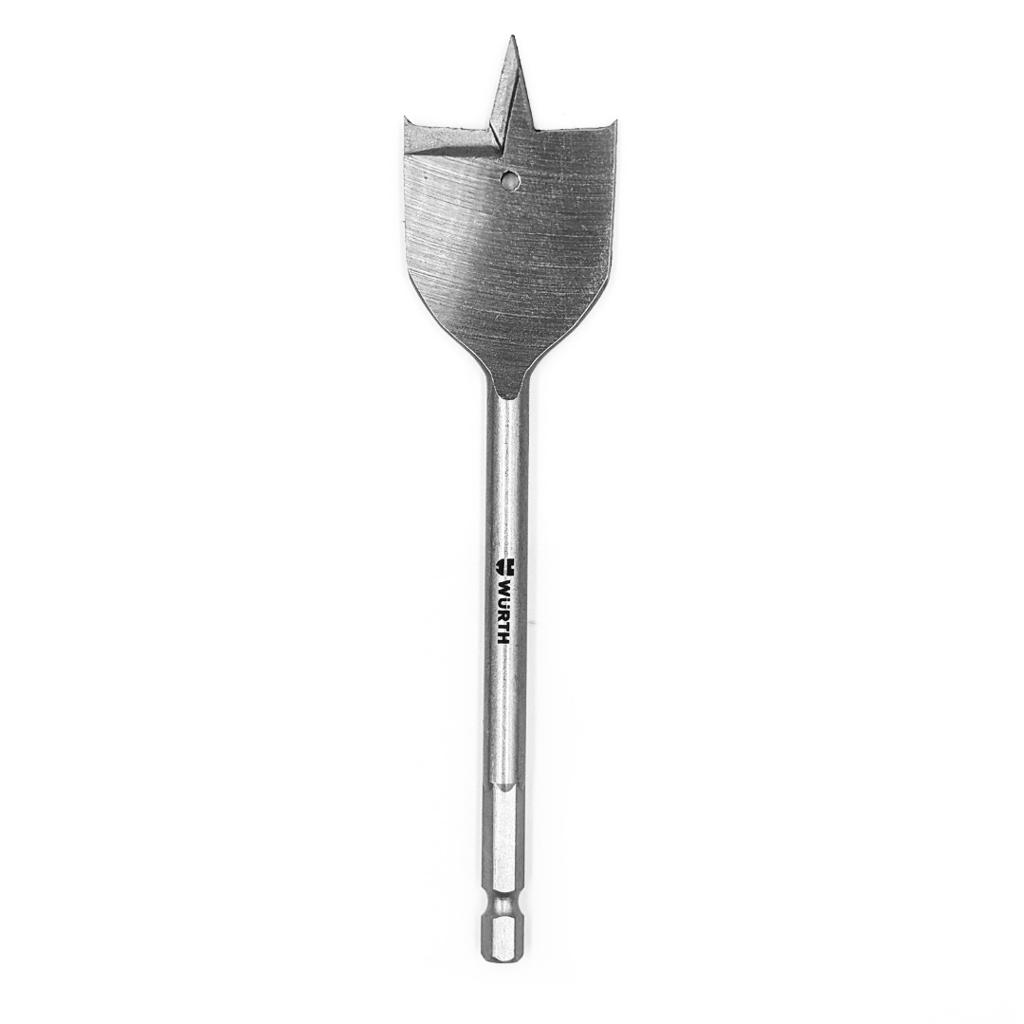 Spade drill bits, sometimes called paddle bits, feature a relatively flat cutting blade with a pointed center. Their straightforward design makes them suitable for drilling larger-diameter holes in wood without requiring the bulk or cost of some more specialized boring tools. Depending on the product, square-shank versions may be available for specific tool systems, although hex-shank versions are also common.
The center point helps position the bit, while the two outer cutting edges remove material as the bit rotates. Spade bits are often used when speed and practicality are more important than producing a highly finished hole. Compared with a well-maintained brad-point bit, a standard spade bit may leave rougher edges, especially when drilling through the far side of a workpiece without adequate backing support.
For better results, operators can drill partway from one side and finish from the opposite side, or place a sacrificial backing board beneath the workpiece. These techniques help reduce splintering and improve the appearance of the completed hole.
Typical applications:
Drilling large holes in timber and wooden boards.
Running electrical cables through wooden framing.
Installing pipes or other services through suitable wood components.
Carpentry and construction maintenance.
General-purpose woodworking where rapid material removal is required.
Spade bits are designed primarily for wood and should not be treated as substitutes for metal drill bits, masonry bits, or accessories specifically rated for impact drilling.
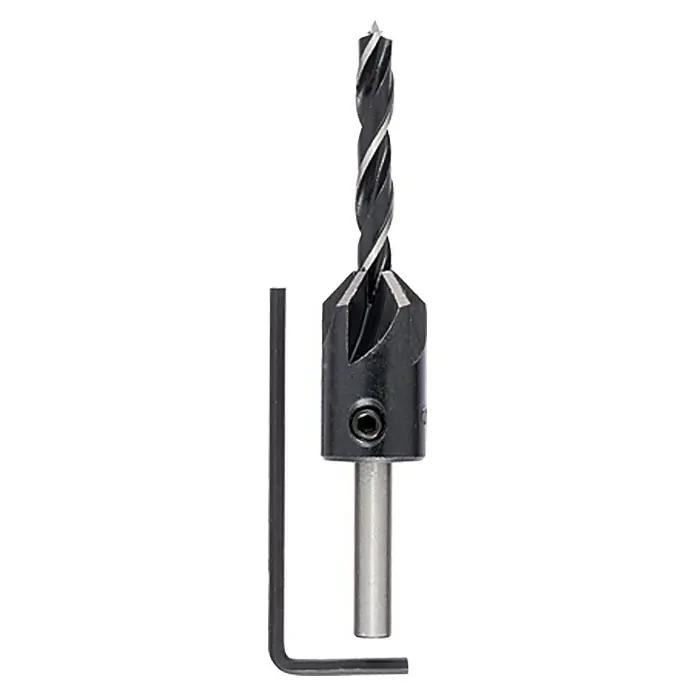
In woodworking, countersinking improves the appearance of screw connections and can help prevent protruding screw heads from interfering with adjacent components. The recess also creates room for the tapered underside of a countersunk screw head. The correct countersink angle and diameter should match the fastener being used; otherwise, the screw may sit too high, too deep, or unevenly.
Square-shank countersink bits may be useful for cabinet assembly, furniture production, wooden panels, and installation work where consistent screw placement is important. However, countersink tools differ significantly in their intended materials and operating methods. A countersink bit designed for controlled rotary drilling should not be subjected to impact loading unless its manufacturer specifically permits it.
Typical applications:
Preparing screw holes in furniture and cabinets.
Installing countersunk screws in wooden panels.
Creating flush fastener finishes.
Assembly of fixtures, shelves, and interior fittings.
Improving the consistency and appearance of repeated screw connections.
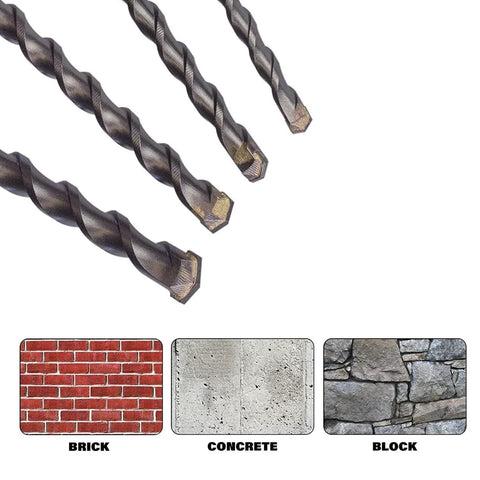
Square-shank masonry drill bits may exist for particular specialist tools, adapters, or regional tool systems, but cylindrical and hexagonal shanks are also common. Consequently, it is important to verify the exact connection standard instead of assuming that a masonry bit will fit an impact driver simply because it is described as square-shank.
Another critical distinction is the operating mode. Ordinary masonry drill bits are often designed for rotary drilling or for use with a compatible hammer drill. Rotary hammer bits with SDS connections are a different category, and a standard square-shank bit should not be installed in an incompatible rotary hammer chuck. Similarly, an impact driver primarily delivers rotational impacts for driving fasteners; it is not equivalent to a dedicated hammer drill or rotary hammer for masonry work.
Typical applications:
Drilling suitable brick and masonry materials.
Installing anchors and fasteners in compatible substrates.
General construction maintenance with an appropriate drill.
Selected stone and concrete-block drilling tasks, subject to the bit’s specifications.
For reinforced concrete, hard aggregate, or frequent heavy-duty masonry drilling, use a drill and bit system specifically designed for those conditions.
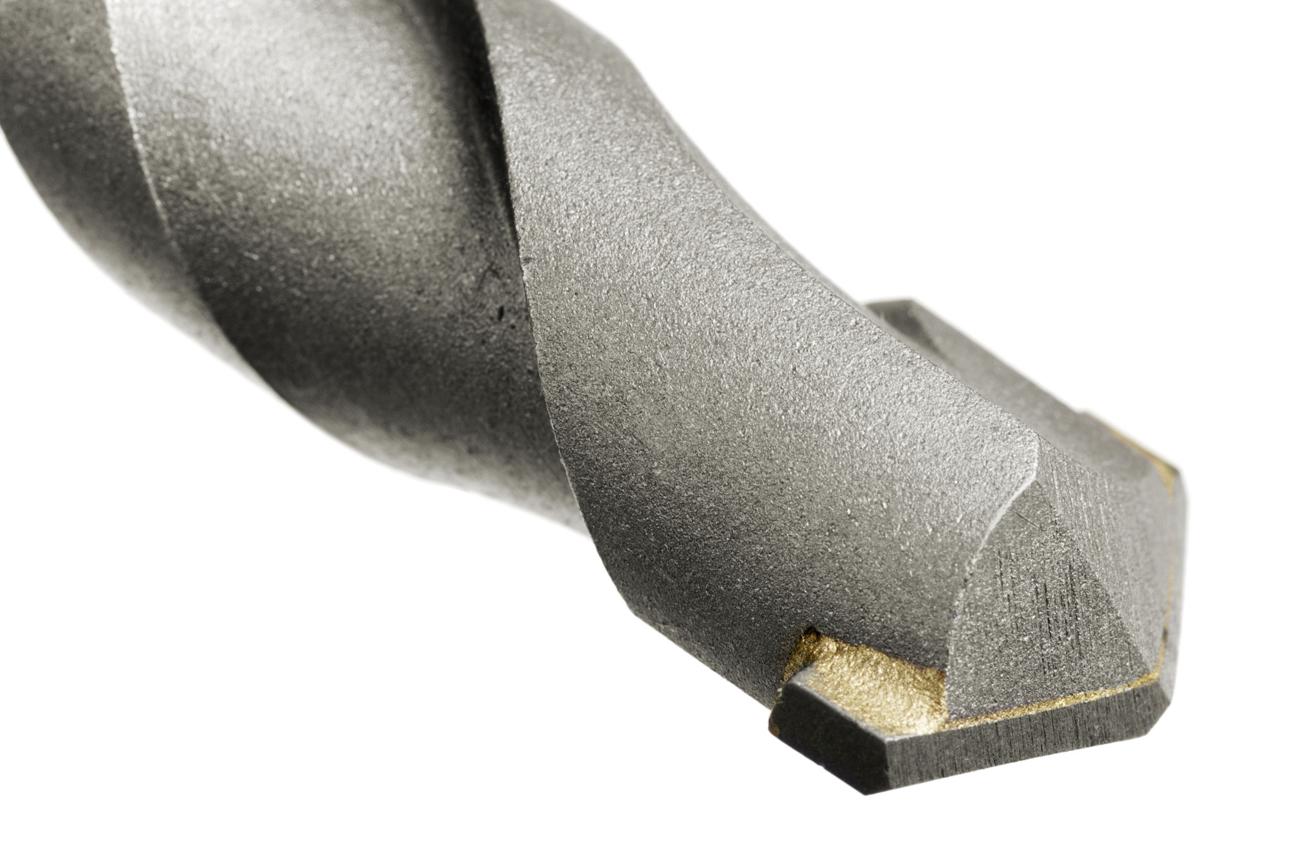
It is important to distinguish carbide-tipped masonry bits from carbide cutting tools designed for metalworking. Although both may use carbide, their geometries and operating requirements are different. A masonry bit is not automatically suitable for precision metal drilling, and a metal-cutting carbide bit is not necessarily suitable for impact-driver use.
Square-shank carbide-tipped designs may be available for particular tool systems, but shank compatibility and impact resistance must be verified. Carbide is hard and wear-resistant, but it can also be brittle under unsuitable shock loading, poor alignment, or excessive side pressure.
Typical applications:
Drilling suitable masonry materials with a compatible tool.
Selected abrasive or composite materials, where the product is rated for them.
Specialized maintenance and industrial drilling.
Applications requiring improved cutting-edge wear resistance.
When comparing carbide-tipped bits, consider the substrate, required hole tolerance, cooling or dust-removal requirements, and the manufacturer’s permitted operating speed.
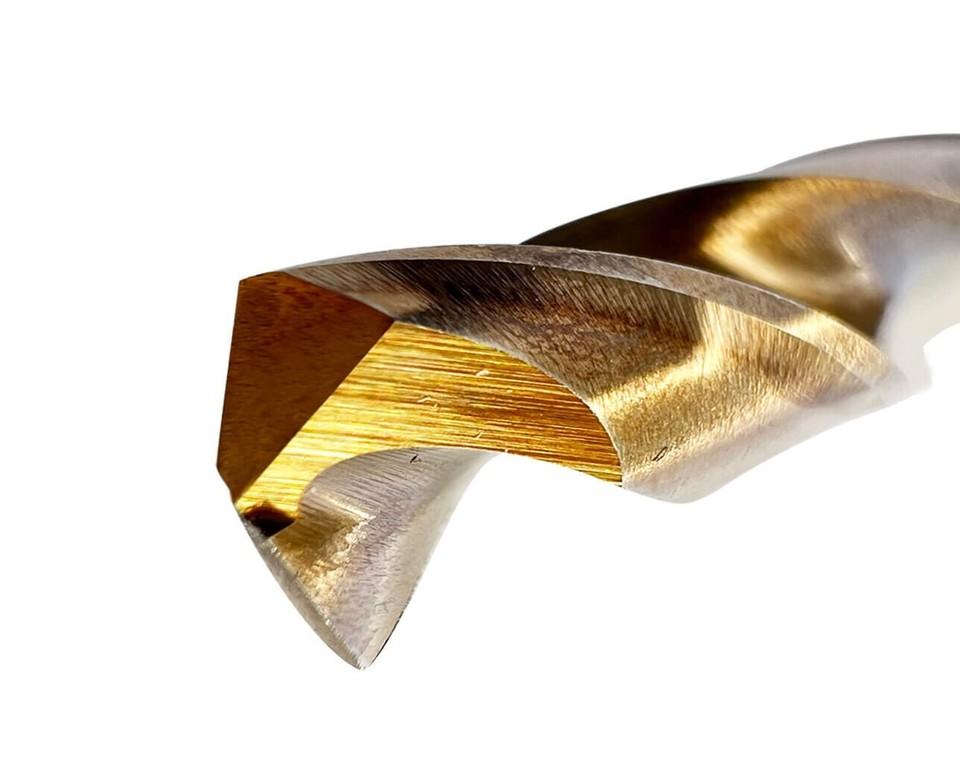 Cobalt-alloy drill bits are designed for demanding metalworking applications where heat resistance and cutting-edge durability are important. They are commonly made from high-speed steel containing a proportion of cobalt, with M35 and M42 being familiar grades in the industry. These materials can retain useful hardness at elevated temperatures better than many general-purpose HSS grades.
A square-shank cobalt drill bit combines this material characteristic with a particular drive interface. If manufactured in a compatible configuration, it may be useful for drilling stainless steel and other difficult-to-machine metals, subject to the specific grade and manufacturer’s recommendations. Proper cutting speed, feed pressure, workpiece clamping, and suitable cutting fluid can make a substantial difference to performance and tool life.
Cobalt-alloy bits are not automatically impact-rated. Metal drilling typically benefits from stable, controlled rotation rather than uncontrolled repeated impact. If the bit is intended for a conventional drill or drill press, it should not be used in impact mode unless explicitly approved by its manufacturer.
Typical applications:
Drilling selected stainless steels and alloy steels.
Metal fabrication and equipment maintenance.
Industrial repair and manufacturing.
Drilling harder metal workpieces with appropriate cutting conditions.
These bits are most appropriate when the workpiece material demands more heat resistance than an ordinary general-purpose HSS drill bit can reliably provide.
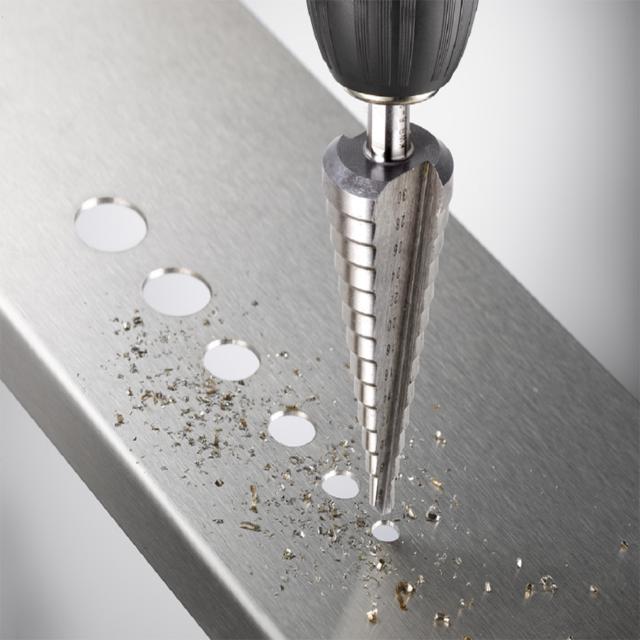
These bits are particularly useful for thin sheet materials, including suitable steel sheets, aluminum panels, and certain plastics. Their geometry can help create relatively smooth openings when the material thickness and cutting conditions are appropriate. They are widely used in electrical enclosure work, sheet-metal fabrication, automotive maintenance, and equipment installation.
A square-shank step drill bit is a more specialized configuration than the common hex-shank or round-shank alternatives. Buyers should check the exact shank size, tool-holder requirements, maximum drilling diameter, and approved operating mode. Step drills designed for conventional rotary drilling may not tolerate the repeated shock loading produced by an impact driver.
Typical applications:
Creating holes in thin metal sheets.
Installing cable glands and electrical fittings.
Enlarging existing holes in suitable panels.
Working with aluminum and selected plastic materials.
Sheet-metal maintenance and fabrication.
Step drill bits are generally not the right choice for deep holes in thick solid metal, where a conventional drill bit or another purpose-designed cutting tool may be more suitable.
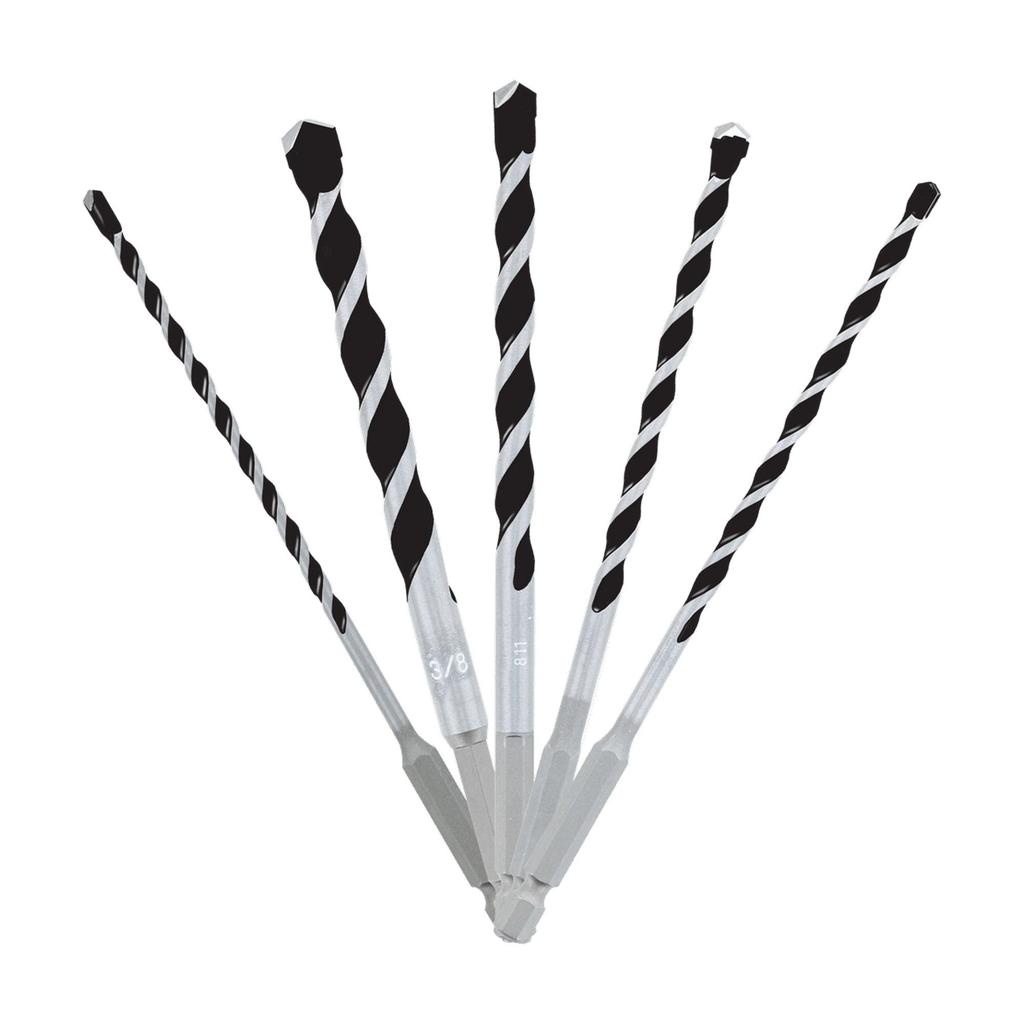
For maintenance teams, contractors, and installation technicians, a suitable multi-material bit can reduce the need to carry numerous specialized accessories. This is useful when a job involves different construction materials and the operator must create holes in several substrates. Nevertheless, multi-material capability does not mean that every material can be drilled at the same speed or with the same pressure.
Square-shank versions can be useful when the available equipment supports that interface. Before use, verify whether the bit is rated for rotary drilling, hammer drilling, or impact-driver operation. These modes are not interchangeable, and using an accessory outside its intended operating range can cause premature wear or breakage.
Typical applications:
General maintenance and installation work.
Drilling a selection of building and workshop materials.
Light construction tasks requiring flexibility.
Repair jobs where changing accessories frequently would be inconvenient.
For frequent production drilling, a material-specific bit is often more efficient and economical than a universal design.
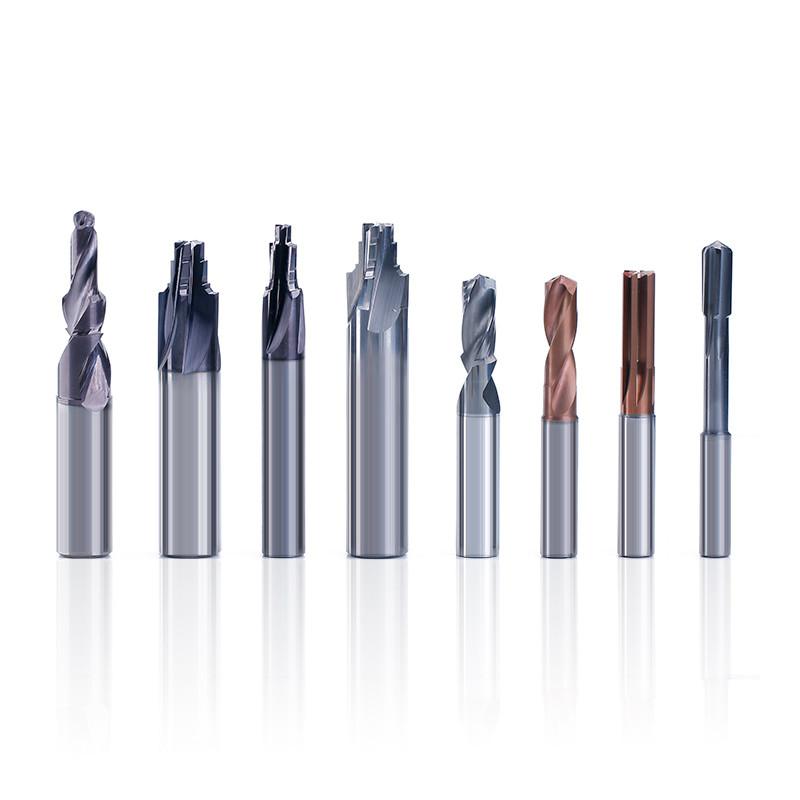
Custom designs can incorporate modified flute geometry, specialized tip angles, particular tool materials, surface coatings, or unusual overall dimensions. In industrial environments, the ability to match a drill bit precisely to a production process can improve repeatability, reduce unnecessary tool changes, and help maintain consistent product quality.
However, a custom square shank alone does not guarantee compatibility with an impact driver. The complete design must be appropriate for the tool’s torque, rotational speed, loading pattern, and holder. For specialized applications, the manufacturer should provide clear information on supported materials, operating parameters, replacement components, and service life.
Typical applications:
Dedicated industrial drilling operations.
Specialized woodworking and furniture manufacturing.
Production equipment and custom assembly tools.
Maintenance of machinery with nonstandard drive interfaces.
Applications requiring a particular hole geometry or cutting performance.
The following table summarizes the primary differences between the major cutting designs discussed above. Availability in a square-shank configuration varies by manufacturer, and the table describes typical functions rather than guaranteeing compatibility with every impact driver.
| Drill bit type | Primary material or purpose | Main advantage | Important consideration |
|---|---|---|---|
| Twist drill bit | Metal, plastics, selected wood | Versatile conventional drilling geometry | Match material, speed, and impact rating |
| Wood drill bit | Wood and wood-based boards | Designed for woodworking | Select geometry according to hole size and finish |
| Brad-point bit | Wood and furniture components | Accurate positioning and clean entry | Precision cutting edges may not be impact-rated |
| Auger bit | Deep holes in wood | Efficient chip removal | High torque and binding risk |
| Spade bit | Larger holes in wood | Simple, fast material removal | May produce rougher hole edges |
| Countersink bit | Screw-head recesses | Flush or recessed screw installation | Match countersink angle to fastener |
| Masonry bit | Brick and suitable masonry | Carbide-based mineral-material drilling | Use the correct drill or hammering system |
| Carbide-tipped bit | Specific masonry, composite, or industrial materials | High wear resistance in suitable applications | Carbide is vulnerable to unsuitable shock loading |
| Cobalt-alloy bit | Difficult-to-machine metals | Improved hot hardness and wear performance | Use appropriate cutting speeds and controlled rotation |
| Step drill bit | Thin sheets and panels | Multiple hole diameters with one bit | Not intended for every thick-material application |
| Multi-material bit | Several specified substrates | Convenience and versatility | Performance varies by material |
| Specialty bit | Specific industrial or custom tasks | Tailored cutting performance | Confirm exact tooling compatibility |
Selecting the right drill bit involves more than matching the shank shape. The cutting tool must be suitable for the material, the required hole dimensions, and the operating characteristics of the power tool. A well-matched bit can improve drilling efficiency, hole quality, and tool life, while an unsuitable accessory can cause poor results or create a safety hazard.
The workpiece material should be the first consideration. Wood usually benefits from brad-point, auger, or spade designs, depending on the required hole diameter and depth. Metalworking calls for an appropriate twist drill, cobalt-alloy drill, or step drill, depending on the metal and geometry. Masonry requires a bit designed specifically for the substrate and the correct drilling system.
For example, using a woodworking spade bit on steel will not produce the intended result, while using a conventional metal twist drill on concrete is generally ineffective and can damage the cutting edge. When the job involves multiple materials, a multi-material bit may be suitable if the manufacturer explicitly lists each substrate.
Square-shank drill bits are not universally interchangeable. Their dimensions, square profile, insertion depth, retention method, and drive arrangement can vary. A bit that fits one dedicated holder may not fit another, even if both products are described as square-shank accessories.
Before purchasing, confirm the tool model and holder specification. Determine whether the bit requires a dedicated adapter, quick-change holder, or chuck designed to accept square-shank accessories. Do not force a bit into an incompatible holder, modify the shank to make it fit, or assume that a square-shaped connection is automatically secure under high torque.
This is one of the most important considerations. The term “impact drill bit” is sometimes used loosely in product listings to describe bits intended for use with impact drivers, but the term may also refer to accessories used with impact-related equipment. These tools do not all operate in the same way.
An impact driver typically delivers rotational impacts, whereas a hammer drill applies axial blows to assist drilling into masonry. A rotary hammer uses a different mechanism again. A bit designed for one of these systems may not be suitable for another.
Check the manufacturer’s instructions for explicit impact-driver compatibility. Do not assume that a bit is impact-rated solely because it has a square shank or is made from hardened steel. For metal drilling, precision woodworking, and many masonry tasks, a conventional drill or purpose-built hammering system may be the better choice.
Drill bit material influences wear resistance, heat tolerance, toughness, and cost. High-speed steel is widely used for general-purpose drilling, while cobalt-alloy steel can offer advantages for demanding metalworking. Carbide-tipped designs are useful for specific abrasive or mineral-based materials, depending on their geometry and construction.
Material selection should be based on the workpiece and operating conditions rather than the assumption that a harder drill bit is always better. A very hard cutting material may offer excellent wear resistance but can be less tolerant of shock or misalignment. In impact-related applications, the entire accessory design—including the shank, body, tip attachment, and cutting geometry—matters.
The bit diameter must correspond to the required hole size, fastener, anchor, or installation specification. An undersized hole may prevent a component from fitting correctly, while an oversized hole may weaken the connection or reduce fastener holding strength.
Bit length is equally important. Shorter bits are often easier to control and may provide better rigidity, while longer bits allow access to deeper workpieces. However, longer bits can deflect more easily and may be more vulnerable to binding. For deep drilling, select a bit specifically designed for the required depth and ensure that chips can be removed effectively.
The correct operating speed depends on the bit material, workpiece, diameter, and cutting geometry. Metal drilling generally requires controlled cutting conditions and adequate chip management, while wood drilling often depends on effective chip evacuation and preventing the bit from binding. Masonry requires a compatible drilling mode and suitable dust management.
Excessive pressure is not a reliable way to increase drilling speed. It can generate excess heat, damage cutting edges, bend slender bits, or overload the tool. If the bit repeatedly stalls, overheats, or produces poor-quality holes, stop and check whether the accessory, operating mode, and drilling parameters are appropriate.
Square-shank drill bits can serve different industries and maintenance tasks when the connection system and cutting design are compatible with the equipment.
Construction and installation: Appropriate drill bits can support work involving timber framing, furniture fittings, selected masonry substrates, and general building maintenance. The correct accessory must be chosen for the material and drilling system.
Furniture manufacturing: Brad-point bits, auger bits, and countersink designs can help produce accurate holes, prepare screw connections, and improve assembly consistency. Repetitive production work benefits from selecting a bit that matches the required dimensions and finish.
Metalworking and equipment maintenance: Suitable twist drills, cobalt-alloy bits, and step drills can support repair work and fabrication involving compatible metals and sheet materials. Controlled rotation, workpiece clamping, and proper cutting conditions are particularly important.
Electrical and plumbing installation: Wood-boring and step-drilling accessories can be useful when creating passages through suitable timber or openings in compatible sheet-metal enclosures. The operator must check for hidden wiring, pipes, structural elements, and other hazards before drilling.
General repair work: A carefully selected collection of drill bits can support common workshop tasks, provided each bit is used within its specified material and operating range. Carrying several specialized designs is often more effective than relying on a single universal bit for every application.
Proper maintenance helps preserve cutting performance and reduces the likelihood of premature wear. After use, remove dust, wood chips, metal fragments, and other debris from the bit. Dry the accessory thoroughly when moisture is present, particularly if its steel body is susceptible to corrosion. Store drill bits in an organized case to protect cutting edges and prevent damage caused by contact with other tools.
Inspect the cutting tip and shank before every demanding job. Signs of damage include chipped cutting edges, bent bodies, cracks, loose carbide tips, excessive wear, or deformation of the drive interface. A damaged bit should not be used simply because it still fits the holder. Damage to the shank can compromise retention, while worn cutting edges can increase heat and the amount of force needed for drilling.
Use the appropriate cutting fluid when recommended for metalworking, and follow the manufacturer’s guidance for cleaning, sharpening, and replacement. Not every drill bit can be sharpened effectively with ordinary workshop equipment, particularly when it has specialized geometry or carbide cutting elements. Avoid unauthorized modifications to impact-rated accessories, since changing the shank or cutting body can compromise their designed performance.
Square-shank impact drill bits are best understood as a family of accessories distinguished by their drive interface, with different cutting designs serving different purposes. Twist drill bits are commonly associated with general drilling, woodworking bits are designed for cutting wood, auger bits support deeper holes, spade bits provide a practical option for larger wood holes, and countersink bits prepare recesses for screw heads. Masonry, carbide-tipped, cobalt-alloy, step, multi-material, and specialty bits address other specific drilling requirements.
The most important purchasing decision is to match the cutting design, workpiece material, shank dimensions, and tool compatibility. A square shank does not by itself make a drill bit suitable for impact-driver operation. By verifying the manufacturer’s specifications and choosing the right bit for each application, users can improve drilling accuracy, reduce unnecessary tool wear, and achieve more consistent results across construction, woodworking, metalworking, and industrial maintenance tasks.

