Our Location
304 North Cardinal St.
Dorchester Center, MA 02124

304 North Cardinal St.
Dorchester Center, MA 02124

The global drilling industry constantly balances the dual pressures of operational cost reduction and environmental sustainability. In water well drilling, geothermal exploration, and resource extraction, fuel consumption stands out as one of the most substantial operating expenses. A massive amount of diesel or electrical energy is required to drive the mud pumps, rotate the drill string, and maintain the structural integrity of the borehole. While operators frequently look toward engine optimization or hybrid power systems to curb these expenses, the answer often lies at the very bottom of the hole. The design, material engineering, and hydraulic efficiency of the water drill bit play a massive role in dictating the total energy required to complete a well. By optimizing the mechanics of rock destruction, minimizing downhole friction, and maximizing fluid dynamics, advanced modern drill bits significantly lower the overall fuel consumption per well.
To understand how a specific drill bit influences the fuel efficiency of a drilling rig, one must look at the concept of Mechanical Specific Energy. This scientific framework defines the amount of energy required to destroy a given volume of rock. When a drill bit is inefficient, it dulls quickly, suffers from poor bottomhole cleaning, or creates excessive vibration. This inefficiency forces the rig engines to work harder, burning more fuel to achieve the same depth.
The most direct way a high-performance drill bit reduces fuel consumption is by increasing the Rate of Penetration. Rig fuel consumption is largely a function of time. A standard water well drilling rig consumes a baseline amount of fuel every hour just to keep the primary engines running, the generators operating, and the auxiliary systems active. If a conventional, lower-grade drill bit takes eighty hours to complete a deep water well, the rig consumes eighty hours worth of baseline fuel.
When an advanced drill bit increases the drilling speed by thirty or forty percent, it dramatically reduces the total hours required to reach the target depth. By cutting the required rig time from eighty hours down to fifty hours, the operator completely eliminates thirty hours of operational fuel burn. This time-saving mechanism represents the largest single source of fuel reduction per well, far outweighing minor adjustments made to surface engine configurations.
Mechanical Specific Energy serves as a core diagnostic tool for drilling engineers looking to optimize fuel burn. If a drill bit features an optimized cutting structure, it slices through geological formations with minimal waste energy. Low-efficiency bits often grind or scrape the rock ineffectively, converting valuable fuel energy into destructive downhole heat and vibration rather than forward progress.
Advanced drill bits are engineered to maintain a sharp, aggressive cutting profile throughout the entire drilling cycle. This sharpness ensures that the weight on bit and rotational torque provided by the rig engines are utilized with maximum efficiency. When the bit cuts cleanly, the top drive or rotary table requires significantly less mechanical torque to turn the drill string. Lower torque requirements directly translate to reduced engine load on the rig power plant, which immediately drops the hourly fuel consumption rate.
The drill bit acts as the final nozzle system for the entire hydraulic circuit of the drilling rig. The drilling fluid must be pumped down the drill string and ejected through the bit nozzles at extreme velocities to clean the cutting structure and carry the rock cuttings up to the surface. If a drill bit suffers from poorly designed hydraulic courses, cuttings accumulate around the face of the bit, causing a phenomenon known as bit balling.
Bit balling forces the operator to increase mud pump pressures and cycle times to clear the debris, which demands massive amounts of fuel from the pump engines. Modern high-efficiency water drill bits utilize advanced computational fluid dynamics to shape the junk slots and nozzle placements. This precise engineering ensures that the fluid swept across the bit face completely removes cuttings instantly, keeping the cutting structure clean and minimizing the hydraulic horsepower required from the mud pumps.
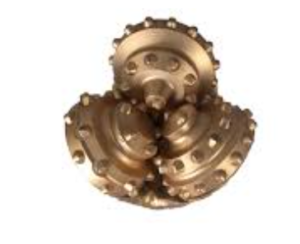
The physical construction of modern water drill bits relies on highly sophisticated metallurgy and geometric engineering to achieve these fuel savings. Standard steel-tooth bits or basic roller cones lack the advanced characteristics needed to optimize energy transfer.
The development of advanced Polycrystalline Diamond Compact cutters revolutionized drilling efficiency. These cutters feature a synthesized layer of diamond particles bonded to a tungsten carbide substrate under extreme pressure and temperature. The resulting material provides unparalleled hardness and thermal conductivity.
In terms of fuel savings, these cutters maintain their sharp cutting edges for hundreds of hours without significant degradation. A sharp cutter requires far less downward force and rotational energy to shear rock than a dull, rounded cutter. Furthermore, modern cutter shapes have evolved beyond simple flat discs. Manufacturers now utilize curved, polished, and ridged cutter geometries that split the rock matrix rather than scraping it, lowering the mechanical energy required for rock failure and saving substantial amounts of fuel.
Downhole vibration is one of the primary enemies of fuel efficiency. When a drill bit vibrates excessively, it undergoes lateral, axial, or torsional stick-slip movements. During these vibration cycles, the energy supplied by the rig engines is lost into the wellbore walls as mechanical shock waves, which can damage the drill string and surface equipment while doing zero useful work toward deepening the hole.
To combat this energy waste, premium drill bits incorporate specialized depth-of-cut control elements, specialized gauge pads, and strategically placed shock-absorbing features. These design elements stabilize the bit within the borehole, ensuring a smooth, continuous cutting action. By eliminating stick-slip and lateral bouncing, the energy flow from the surface engines to the rock face remains highly efficient, allowing the rig to run at optimal RPM and lower throttle settings, drastically lowering the fuel consumed per foot drilled.
To achieve measurable fuel reductions, operators must select specialized drill bits engineered by industry leaders. The following sections detail the prominent brands and their specific models designed for maximum penetration rates and energy efficiency.
Schlumberger, operating globally as SLB, produces some of the most technologically advanced drill bits through its dedicated Smith Bits division. Their focus relies heavily on combining materials science with extensive modeling software to create bits that maximize energy transfer.
The Onyx 360 series represents a major breakthrough in cutter technology that directly influences well fuel economy. Unlike traditional fixed cutters that wear down on one specific side until they fail, the Onyx 360 cutters rotate within their blades while drilling. This continuous rotation allows the cutter to wear evenly across its entire 360-degree circumference, maintaining a sharp cutting edge for a vastly extended duration. For water well operators tackling highly abrasive sandstone or granite formations, this means the bit stays sharp throughout the entire run, preventing the drop-off in penetration rates that usually leads to extended drilling times and high fuel consumption.
Another notable model from SLB is the StingBlade micro-spherical diamond element bit. This bit utilizes unique, pointed diamond elements placed strategically across the bit face. These elements apply a high concentrated stress to the rock, creating deeper fractures with less weight on bit. By requiring less mechanical force from the rig to fracture hard geological layers, the StingBlade reduces the torque load on the top drive, allowing the rig engines to operate in a highly fuel-efficient RPM band.
Baker Hughes is a pioneer in drilling technology, offering highly engineered solutions that focus on reducing operational footprints and overall energy consumption per well.
The Talon high-performance PDC drill bit platform is engineered specifically to maximize the rate of penetration in varied geological sequences. The Talon series incorporates application-specific cutter technologies and optimized hydraulic layouts developed through advanced fluid simulation software. By ensuring that rock cuttings are cleared from the bit face within milliseconds of creation, the Talon bit prevents secondary recycling of cuttings. This clean environment allows every rotation of the drill string to cut fresh rock, maximizing mechanical efficiency and reducing the total operating hours of the rig, which cuts overall diesel consumption.
For complex, interbedded formations where hard and soft rock layers alternate rapidly, Baker Hughes offers the Kymera hybrid drill bit series. The Kymera combines the shearing action of a PDC bit with the crushing action of a roller cone bit. This combination creates an incredibly stable downhole tool that minimizes vibrational energy loss. In water well applications that transition quickly from soft clay to hard limestone, the Kymera prevents the severe stick-slip vibrations that cause rig engines to surge and waste fuel, delivering a smooth, fuel-efficient drilling profile.
Halliburton provides highly customized drill bit options through its Security DBS division, focusing heavily on matching the bit mechanics to the specific physics of the local rock formations.
The Cruzer depth-of-cut control drill bit is designed specifically to address the energy losses associated with stick-slip vibration. This model features rolling diamond elements integrated into the blade structure. These rolling elements control the depth that the primary cutters can penetrate into the rock during each rotation. By regulating this interaction, the bit prevents the sudden stalling and torque spikes characteristic of unstable drilling environments. The smooth torque profile allows the rig power management systems to run the generators or mechanical engines at a highly consistent, optimized fuel-burn rate without constant, wasteful throttling.
Another highly efficient option is the QuadreX directional and straight-hole PDC bit series. The QuadreX focuses on enhanced junk slot geometries and advanced blade designs that maximize cleaning efficiency in high-volume water drilling operations. By optimizing the hydraulic efficiency, this bit allows operators to run their mud pumps at lower stroke rates while still achieving perfect borehole cleaning, directly cutting down on pump fuel consumption.
National Oilwell Varco, known globally as NOV, designs robust drilling solutions through its ReedHycalog branch, which focuses on extreme durability paired with high mechanical efficiency.
The Tektonic series of PDC drill bits represents NOV’s premier line for maximizing penetration rates and downhole longevity. Tektonic bits utilize a highly sophisticated cutter layout that balances the cutting forces perfectly across the face of the tool. This balance ensures that no single cutter takes an excessive load, preventing premature thermal degradation. By maintaining structural integrity across long drilling intervals, the Tektonic bit minimizes trips out of the hole to change bits, an administrative process that consumes vast amounts of non-productive rig fuel.
The Helios series from NOV is another exceptional example of energy-optimized engineering. Designed specifically to handle tough, abrasive formations without sacrificing speed, the Helios bit incorporates advanced thermal-stable cutters that dissipate friction heat rapidly. This thermal management keeps the cutting edges sharp, reducing the mechanical specific energy required to break rock and allowing the rig to maintain a fast, continuous pace that minimizes total fuel usage per well.
Evaluating the exact mechanism of fuel savings requires comparing traditional bit choices against modern high-efficiency options under identical operational parameters.
Traditional roller cone bits rely on crushing mechanisms to fracture rock, requiring substantial downward weight to force the steel teeth or tungsten carbide inserts into the formation. This crushing action requires a high baseline of mechanical energy. Additionally, the moving bearings inside a roller cone bit introduce internal friction losses, converting energy from the drill string into heat rather than rock destruction.
In contrast, modern fixed-cutter PDC bits utilize a shearing mechanism that slices through rock. Slicing requires significantly less vertical force and lower mechanical specific energy than crushing. Because a PDC bit has no moving parts, there are no internal mechanical friction losses. When an operator switches a water well operation from a roller cone bit to an optimized PDC bit, the required weight on bit drops, the rate of penetration often doubles, and the engine load required to maintain rotation decreases, creating a compounding reduction in overall fuel consumption.
The distribution of fluid energy across the bit face is an essential component of total well fuel economy. When fluid passes through a poorly designed bit, fluid turbulence creates a high pressure drop that does not contribute to cleaning the rock face. This represents wasted hydraulic energy that must be paid for via fuel consumed by the mud pumps.
High-efficiency bits are engineered with asymmetric fluid courses and directed nozzles that channel the fluid precisely to the leading edge of each cutter. This targeted cleaning requires lower total fluid volumes and lower pump pressures to achieve excellent results. By reducing the required hydraulic horsepower at the surface, the mud pump engines can be throttled down, providing an immediate and measurable drop in daily fuel usage.
Simply purchasing a premium drill bit is not sufficient to guarantee maximum fuel savings; operators must run the bit within its optimal design envelopes to fully capture its efficiency benefits.
To minimize fuel consumption, the surface parameters of Weight on Bit, Revolutions Per Minute, and mud pump flow rate must be continually matched to the downhole performance of the drill bit. Modern drilling rigs utilizing advanced automated control systems can monitor the mechanical specific energy in real time.
When the system detects an increase in mechanical specific energy, it indicates that the bit is working harder than necessary, which signals an increase in fuel burn. By adjusting the RPM or weight on bit slightly, the operator can bring the system back into its sweet spot, where the bit cuts with maximum efficiency. Running the bit at its ideal parameters ensures that every drop of fuel burned by the engine results in the maximum possible footage drilled.
The performance of an advanced drill bit is closely tied to the quality of the drilling fluid. If the mud properties are poorly managed, the solids content can rise, causing abrasive wear on the bit nozzles and cutters, while increasing fluid viscosity. This viscosity increase creates higher friction inside the drill string and across the bit face.
By maintaining strict control over mud density, viscosity, and solids content, the operator ensures that the advanced hydraulic features of bits like the Baker Hughes Talon or SLB Onyx can function as intended. Clean, well-formulated fluid allows for effortless cutting removal and minimal downhole friction, keeping the engine loads light and the fuel efficiency high.

