Our Location
304 North Cardinal St.
Dorchester Center, MA 02124

304 North Cardinal St.
Dorchester Center, MA 02124

Hard quartz is one of the most challenging geological materials encountered in drilling operations. Whether you are involved in water well drilling, geological exploration, mining projects, geothermal drilling, or construction foundation work, quartz-rich formations can significantly reduce the lifespan of drill bits. Many operators are surprised when a water drill bit that performs well in sandstone, limestone, or clay formations suddenly experiences rapid wear, reduced penetration rates, overheating, edge chipping, or complete failure when drilling through hard quartz.
Quartz is an extremely abrasive mineral with a Mohs hardness of approximately 7. Although it is not as hard as diamond, it is much harder than many common rock-forming minerals. When a drill bit repeatedly contacts quartz particles during drilling operations, the cutting surfaces experience intense friction and abrasion. This continuous grinding effect acts similarly to sandpaper but on a much larger scale and under significantly higher pressure. Over time, the cutting structure of the bit becomes worn, reducing drilling efficiency and increasing operational costs.
For drilling contractors and equipment operators, understanding why drill bits wear rapidly in quartz formations is essential for selecting the correct drilling tools, optimizing drilling parameters, reducing downtime, and maximizing return on investment. A properly selected drill bit can significantly improve penetration rates while extending service life in difficult formations.
Quartz is composed primarily of silicon dioxide (SiO₂), a mineral known for its exceptional hardness and abrasive characteristics. Unlike softer sedimentary rocks that can be easily cut or fractured, quartz-rich formations resist penetration and continuously attack the cutting edges of drilling tools.
Several properties make quartz particularly destructive to water drill bits. First, its high hardness creates constant abrasion on carbide inserts, steel bodies, and cutting teeth. Second, quartz often occurs in dense formations with minimal natural fractures, requiring greater drilling pressure to achieve penetration. Third, quartz generates substantial heat during drilling because of the increased friction between the bit and the rock surface.
When heat builds excessively, drill bit components may lose hardness, experience thermal fatigue, or suffer accelerated wear. Furthermore, quartz particles can become trapped between the bit and formation, creating additional grinding action that accelerates material removal from the cutting surfaces.
In many drilling environments, quartz is mixed with granite, quartzite, metamorphic rocks, or silica-rich sandstone. These formations can dramatically shorten bit life compared to softer formations.
One of the earliest indicators of excessive bit wear is a noticeable decrease in penetration rate. As cutting edges become dull, more energy is required to remove rock material. Operators may observe that drilling progress slows significantly even when maintaining the same drilling parameters.
Heat buildup often indicates that the bit is no longer cutting efficiently. Instead of shearing rock, the worn bit begins rubbing against the formation. This increases friction and accelerates wear.
Carbide inserts are designed to withstand high impact and abrasion. However, hard quartz formations can cause insert chipping, cracking, or complete breakage when excessive force is applied.
Sharp cutting structures gradually become rounded due to constant abrasion from quartz particles. Rounded edges reduce drilling efficiency and increase energy consumption.
Improper drilling parameters or poor bit design may cause certain areas of the bit to wear faster than others. Uneven wear often leads to instability and reduced drilling performance.
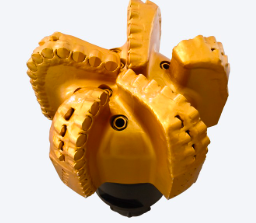
Choosing the wrong drill bit is perhaps the most common reason for premature wear. Many operators use bits designed for medium-soft formations when drilling hard quartz formations.
Soft formation bits typically feature aggressive cutting structures optimized for high penetration rates rather than durability. When exposed to quartz-rich formations, these bits experience accelerated wear because their cutting structures cannot withstand the abrasive environment.
For quartz drilling applications, operators should consider specialized tungsten carbide bits, impregnated diamond bits, polycrystalline diamond compact (PDC) bits, or premium hammer drill bits specifically engineered for hard rock formations.
Water plays a critical role during drilling operations. It cools the bit, removes cuttings, reduces friction, and prevents excessive heat accumulation.
Insufficient water flow allows cuttings to remain near the cutting face, creating additional abrasion and heat. This situation can dramatically accelerate bit wear and reduce drilling efficiency.
Proper fluid circulation is especially important when drilling quartz because the generated cuttings are highly abrasive and must be removed quickly from the drilling zone.
Applying too much downward pressure may seem like an effective way to increase drilling speed, but excessive weight often causes severe damage in quartz formations.
Excessive force can lead to:
Operators should carefully follow manufacturer recommendations regarding weight-on-bit parameters.
Rotational speed directly affects drilling efficiency and bit wear. Excessively high RPM increases friction and heat generation, while excessively low RPM may reduce cutting efficiency.
Finding the optimal balance between weight and rotational speed is essential for maximizing bit life in hard quartz formations.
Low-cost drill bits often use lower-grade carbide materials, inferior heat treatment processes, and less durable manufacturing methods. While cheaper initially, these bits frequently experience rapid wear and higher replacement costs.
Investing in high-quality drilling tools often reduces overall operating costs by increasing productivity and reducing downtime.
Tungsten carbide remains one of the most widely used materials for hard rock drilling applications. Carbide offers excellent hardness, wear resistance, and impact strength.
Popular models include:
These products are commonly used in mining, water well drilling, and exploration projects involving quartz-rich formations.
Polycrystalline Diamond Compact bits combine diamond cutting elements with advanced engineering designs to provide excellent durability in abrasive formations.
Common models include:
PDC bits are particularly effective when drilling through consolidated quartz formations.
Diamond impregnated bits utilize industrial diamonds distributed throughout a metal matrix. As the matrix wears, new diamonds become exposed, maintaining cutting efficiency.
Popular examples include:
These bits are often selected for geological exploration and deep hard-rock drilling projects.
Water quality is frequently overlooked despite its significant impact on drill bit longevity.
Water containing high concentrations of suspended solids can increase abrasion and accelerate wear. Similarly, water with corrosive chemical properties may damage metal components and reduce tool life.
Operators should monitor:
Clean drilling fluids generally contribute to longer bit life and improved drilling performance.
Cooling is essential when drilling quartz because friction-generated heat can rapidly damage cutting structures.
Effective cooling provides several benefits:
A properly cooled bit maintains sharper cutting edges and experiences less thermal fatigue throughout the drilling operation.
Frequent inspection allows operators to identify wear before catastrophic failure occurs. Early detection often prevents costly equipment damage.
Removing accumulated debris helps maintain optimal performance and reduces corrosion risks.
Drill bits should be stored in clean, dry environments to prevent moisture-related deterioration.
Continuing to use excessively worn bits can damage drilling equipment and increase operating costs. Replacing bits at the appropriate time often improves overall productivity.
Several manufacturers have established strong reputations for producing high-performance drilling tools suitable for quartz-rich formations.
Known for advanced carbide technology, durability, and excellent wear resistance.
Popular models include:
Epiroc offers premium drilling solutions for mining, quarrying, and water well drilling.
Popular models include:
Atlas Copco drill bits are widely recognized for reliability in demanding drilling environments.
Popular models include:
A leading supplier of exploration drilling tools and diamond drilling systems.
Popular models include:
Mincon specializes in hard-rock drilling technologies and high-performance hammer systems.
Popular models include:
Selecting a trusted supplier is as important as selecting the correct drill bit. Reliable suppliers provide technical support, quality assurance, and access to premium drilling products designed for challenging geological formations. For professional drilling tools, water drill bits, carbide bits, and hard-rock drilling solutions, visit www.xiangriyang.com.
Hard quartz formations are among the most abrasive and challenging environments encountered in drilling operations. Rapid wear occurs because quartz continuously grinds away cutting surfaces, generates significant heat, and places extreme stress on drill bit components. Factors such as improper bit selection, insufficient cooling, excessive drilling pressure, poor water quality, and low-quality manufacturing can further accelerate wear.
By selecting high-quality tungsten carbide, PDC, or diamond-impregnated drill bits from reputable manufacturers such as Sandvik, Epiroc, Atlas Copco, Boart Longyear, and Mincon, operators can significantly improve drilling efficiency and extend bit lifespan. Proper maintenance, optimized drilling parameters, effective cooling, and high-quality drilling fluids further contribute to successful drilling performance in quartz-rich formations.

