Our Location
304 North Cardinal St.
Dorchester Center, MA 02124

304 North Cardinal St.
Dorchester Center, MA 02124

Tungsten carbide dental drills are indispensable tools in modern dentistry, renowned for their exceptional hardness, wear resistance, and precision. These drills, often referred to as “carbide burs” or “tungsten carbide burs,” are engineered to withstand the high-speed rotational forces and abrasive materials encountered during dental procedures. This guide delves into the diverse models of tungsten carbide dental drills, highlighting leading brands, specific models, and their clinical applications.
Tungsten carbide dental drills are composed of a tungsten carbide (WC) matrix bonded with cobalt (Co) or other alloying elements. This composition grants them superior hardness (approximately 9–9.5 on the Mohs scale) and thermal stability compared to traditional steel drills. The carbide particles are sintered under high pressure and temperature, creating a dense, wear-resistant material ideal for cutting hard tissues like enamel and dentin.
Key properties of tungsten carbide dental drills include:
These drills are available in various shapes and sizes, each designed for specific clinical tasks, such as cavity preparation, crown removal, or endodontic procedures.
Several reputable brands dominate the dental drill market, offering a wide range of tungsten carbide models tailored to different applications. Below are some of the most prominent brands and their flagship models:
Komet USA is a global leader in dental burs, known for its precision-engineered carbide drills. The brand offers a comprehensive lineup of tungsten carbide models, categorized by shape and intended use.
Key Models:
Komet’s carbide drills are available in various grit sizes, ranging from coarse (for rapid material removal) to fine (for polishing and finishing).
Brasseler USA is another industry giant, offering a diverse range of tungsten carbide dental drills under its “Diamond” and “Carbide” lines. The brand emphasizes innovation and durability in its product designs.
Key Models:
Brasseler’s carbide drills are often coated with diamond particles to enhance cutting efficiency and reduce wear.
SS White Burs is a trusted name in dental instrumentation, offering a wide array of tungsten carbide models for various clinical scenarios. The brand’s focus on ergonomics and precision has made its drills a favorite among practitioners.
Key Models:
SS White’s carbide drills are available in sterile packaging for single-use applications, reducing the risk of cross-contamination.
Mani, Inc. is a Japanese manufacturer renowned for its high-quality dental instruments, including tungsten carbide drills. The brand’s attention to detail and commitment to innovation have earned it a global reputation.
Key Models:
Mani’s carbide drills are manufactured using advanced sintering techniques, ensuring uniform carbide particle distribution and optimal hardness.
Microcopy is a U.S.-based company specializing in dental burs and accessories. The brand’s tungsten carbide models are known for their precision and durability, making them a popular choice among clinicians.
Key Models:
Microcopy’s carbide drills are available in various grit sizes, allowing clinicians to select the appropriate model based on the procedure’s requirements.
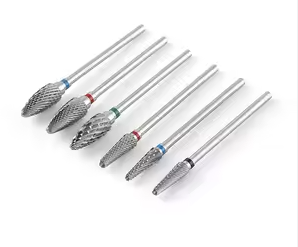
Tungsten carbide dental drills are categorized based on their head shape and intended clinical use. Below is a detailed classification of the most common types:
Round burs feature a spherical head and are used for initial cavity preparation, smoothing, and creating access points. They are available in various diameters to accommodate different cavity sizes.
Applications:
Example Models:
Flame burs have a tapered, flame-shaped head and are used for contouring and finishing restorations. Their curved profile allows precise access to interproximal areas and tight spaces.
Applications:
Example Models:
Pear-shaped burs have a rounded, pear-like head and are used for removing caries and shaping occlusal surfaces. Their versatility makes them suitable for a wide range of procedures.
Applications:
Example Models:
Inverted cone burs have a conical head with a flat base and are used for creating retention grooves and undercuts. Their design allows for precise control during cutting.
Applications:
Example Models:
Endodontic burs are designed specifically for root canal procedures, featuring a long, slender profile to navigate narrow canals. They are available in various shapes, including round, flame, and tapered.
Applications:
Example Models:
Surgical burs are heavy-duty models used for oral surgery procedures, such as bone removal and implant site preparation. They feature a robust construction to withstand high-stress conditions.
Applications:
Example Models:
Choosing the right tungsten carbide dental drill involves considering several factors to ensure optimal performance and patient safety. Below are key considerations:
The intended clinical use dictates the drill’s shape and size. For example, round burs are suitable for initial cavity preparation, while flame burs are better for contouring and finishing.
Tungsten carbide drills are designed to cut hard tissues like enamel and dentin. However, the drill’s grit size and head shape should match the material’s hardness and density. Coarser grits are ideal for rapid material removal, while finer grits are better for polishing and finishing.
The drill’s rotational speed and torque capacity should align with the dental handpiece’s specifications. High-speed handpieces require drills designed to withstand the associated forces and heat generation.
Tungsten carbide drills should be compatible with common sterilization methods, such as autoclaving, to ensure infection control. Single-use, sterile-packaged drills are ideal for reducing cross-contamination risks.
Opting for drills from reputable brands ensures reliability, durability, and precision. Established manufacturers like Komet, Brasseler, and SS White invest in research and development to produce high-quality instruments.
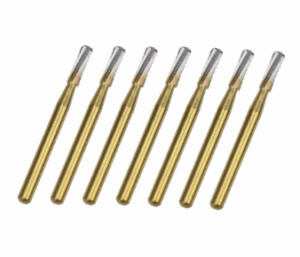
Proper maintenance extends the lifespan of tungsten carbide dental drills and ensures consistent performance. Below are essential care tips:
After each use, clean the drill thoroughly to remove debris and contaminants. Use a soft brush and mild detergent, followed by rinsing with distilled water. Avoid abrasive cleaners that may damage the carbide surface.
Sterilize the drill according to the manufacturer’s instructions. Autoclaving is a common method, but ensure the drill is rated for high-temperature sterilization. Single-use drills eliminate the need for sterilization but require proper disposal.
Store drills in a clean, dry environment to prevent corrosion and contamination. Use dedicated storage cases or trays to organize drills by shape and size for easy access.
Regularly inspect drills for signs of wear, such as chipping or dulling. Replace worn drills promptly to avoid compromising procedural outcomes or patient safety.
The dental industry continues to innovate, introducing advanced materials and designs to enhance tungsten carbide drills’ performance. Below are some notable advancements:
Some manufacturers coat tungsten carbide burs with diamond-like materials or other advanced coatings to improve cutting efficiency and reduce wear. These coatings extend the drill’s lifespan and enhance its ability to cut hard tissues.
Laser-welded carbide tips offer superior bond strength between the carbide and shank, reducing the risk of tip separation during use. This technology enhances the drill’s durability and reliability.
Modern tungsten carbide drills feature ergonomic shanks and handles to improve clinician comfort and control. These designs reduce hand fatigue during prolonged procedures and enhance precision.
The rise of single-use, sterile-packaged drills addresses infection control concerns while eliminating the need for sterilization. These drills are ideal for high-risk procedures or practices with limited sterilization resources.
Tungsten carbide dental drills are essential tools in modern dentistry, offering unmatched hardness, durability, and precision. The market features a diverse range of models from leading brands like Komet, Brasseler, SS White, Mani, and Microcopy, each designed for specific clinical applications. By understanding the different shapes, functions, and selection criteria, clinicians can choose the right drill for each procedure, ensuring optimal outcomes and patient safety.
As technology advances, tungsten carbide dental drills will continue to evolve, incorporating innovative materials and designs to meet the evolving needs of dental practice. Whether for cavity preparation, endodontic access, or oral surgery, these drills remain indispensable in delivering high-quality dental care.
For purchasing tungsten carbide dental drills and other dental instruments, visit xiangriyang.com, a trusted supplier offering a wide selection of high-quality products at competitive prices.

