Our Location
304 North Cardinal St.
Dorchester Center, MA 02124

304 North Cardinal St.
Dorchester Center, MA 02124

Rotary hammer drill bits are essential tools for construction, renovation, and DIY projects, enabling users to drill precise holes in various materials such as concrete, brick, and stone. Selecting the right drill bit involves considering multiple factors, including specifications, model, and length, to ensure optimal performance and efficiency. This guide provides a comprehensive overview of how to determine these critical aspects, incorporating insights from industry standards, brand offerings, and practical applications.
The specifications of a rotary hammer drill bit define its physical and functional characteristics, which directly influence its suitability for specific tasks. Key specifications include diameter, shank type, material composition, and coating.
The diameter of the drill bit determines the size of the hole it can create. Common diameters range from 6 mm to 32 mm, with larger diameters suitable for heavier-duty applications. For instance, drilling holes for anchor bolts in concrete walls typically requires drill bits with diameters of 12 mm or more. When selecting the diameter, consider the size of the anchor or fastener you intend to use, ensuring a snug fit for maximum holding strength.
The shank is the part of the drill bit that inserts into the rotary hammer drill’s chuck. There are two primary shank types: SDS-Plus and SDS-Max. SDS-Plus shanks are smaller and commonly used in lighter-duty rotary hammers, while SDS-Max shanks are larger and designed for heavy-duty applications. Some high-end models, such as the Bosch GBH 8-45 DV Professional, support both shank types, offering versatility for different tasks.
The material composition of the drill bit affects its durability and cutting performance. High-quality drill bits are typically made from tungsten carbide, a hard and wear-resistant material that can withstand the high stresses encountered during drilling. Some premium drill bits, like the Hilti TE-YX series, incorporate advanced carbide grades and geometries to enhance cutting efficiency and extend tool life.
Coatings can improve the drill bit’s performance by reducing friction and heat buildup during drilling. Common coatings include titanium nitride (TiN) and black oxide. TiN coatings provide excellent wear resistance and reduce the need for frequent sharpening, while black oxide coatings offer corrosion resistance and improved chip evacuation. For example, the Makita D-45244 25 mm SDS-Plus drill bit features a black oxide coating, making it suitable for drilling in wet or humid conditions.
The model of a rotary hammer drill bit refers to its specific design and features, which are tailored to different applications and materials. Choosing the right model involves evaluating factors such as the drill bit’s geometry, cutting edges, and intended use.
The geometry of the drill bit, including the number and shape of its cutting edges, influences its drilling performance. Multi-flute designs, such as those found in the DeWalt DW5470 16 mm SDS-Plus drill bit, provide faster chip removal and smoother drilling compared to single-flute designs. Additionally, some drill bits feature specialized cutting edges, like the Hilti TE-YX’s centering tip, which helps maintain accuracy and prevent wandering during drilling.
Different drill bit models are designed for specific materials and applications. For example, drill bits with a carbide tip are ideal for drilling into hard materials like concrete and brick, while those with a diamond-coated tip are suitable for drilling into glass or ceramic tiles. Some brands, such as Bosch, offer specialized drill bit lines, like the Blue Granite Turbo series, which are engineered for maximum performance in abrasive materials like granite and natural stone.
Several reputable brands offer a wide range of rotary hammer drill bit models, each with unique features and benefits. Here are some notable brands and their popular models:
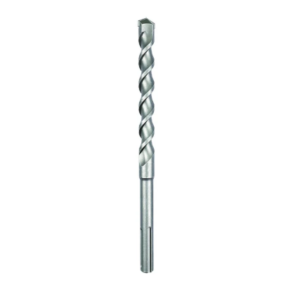
The length of the drill bit is another critical factor to consider, as it determines the maximum depth of the hole you can drill. Selecting the right length involves evaluating the thickness of the material you’re drilling into and the desired depth of the hole.
When drilling into a material, the drill bit’s length should be at least equal to the thickness of the material plus an additional margin for clearance. For example, if you’re drilling a hole through a 100 mm thick concrete wall, you’ll need a drill bit that’s at least 120 mm long to ensure the hole is completely drilled through.
In some cases, you may need to drill a hole deeper than the thickness of the material, such as when installing anchors or fasteners that require a specific embedment depth. In these situations, choose a drill bit that’s long enough to accommodate the desired hole depth plus any additional clearance needed for the anchor or fastener.
While longer drill bits offer greater drilling depth, they can also be more difficult to control and may increase the risk of breakage, especially when drilling into hard materials. Therefore, it’s essential to strike a balance between length and usability, selecting a drill bit that’s long enough for your needs but not so long that it becomes unwieldy or prone to damage.
Different brands offer drill bits in various lengths to accommodate a wide range of applications. For example, Bosch’s Blue Granite Turbo series includes drill bits in lengths ranging from 110 mm to 600 mm, providing options for both light-duty and heavy-duty tasks. Similarly, Hilti’s TE-YX series offers drill bits in lengths from 160 mm to 1000 mm, catering to a variety of drilling depths and material thicknesses.
In addition to considering specifications, model, and length, here are some practical tips to help you select the right rotary hammer drill bit for your needs:
Selecting the right rotary hammer drill bit involves considering multiple factors, including specifications, model, and length. By understanding the key specifications that define a drill bit’s physical and functional characteristics, evaluating different models based on their design and intended use, and determining the optimal length for your specific application, you can ensure that you choose a drill bit that delivers optimal performance and efficiency. Additionally, by following practical tips such as assessing the material, considering the application, checking compatibility, evaluating durability, reading reviews, and considering the brand, you can further refine your selection process and make an informed decision that meets your drilling needs. With the right drill bit in hand, you can tackle a wide range of construction, renovation, and DIY projects with confidence and precision.

