Electric Hammer Drill Bit Diameter Specification Table: Comprehensive Guide to Brands, Models, and Applications
Electric hammer drills are indispensable tools in construction, renovation, and DIY projects, designed to penetrate hard materials like concrete, masonry, and stone with precision and efficiency. The drill bit diameter, material composition, and design features directly influence performance, durability, and suitability for specific applications. This guide explores the technical specifications, brand-specific models, and application scenarios of electric hammer drill bits, emphasizing detailed diameter ranges, material innovations, and advanced engineering solutions.
Top Brands and Iconic Models in Electric Hammer Drills
The electric hammer drill market is dominated by industry leaders such as DeWalt, Milwaukee, Bosch, Diablo Tools, and Makita, each offering specialized models tailored to professional and consumer needs.
DeWalt excels in cordless innovation, exemplified by the 20V MAX XR 3-Speed Hammer Drill with TOOL CONNECT™. This model features a brushless motor for extended runtime, three speed settings (0-450/0-1,300/0-2,000 RPM), and a TOOL CONNECT™ chip for real-time tracking via smartphone. The DCD1007B model, part of DeWalt’s 20V MAX lineup, delivers 340 in-lbs of torque and 25,500 BPM, ideal for drilling 1/4-inch to 1-inch holes in concrete. DeWalt’s SDS-Plus and SDS-Max shank systems ensure compatibility with a wide range of drill bits, including carbide-tipped models for reinforced concrete.
Milwaukee dominates the high-torque segment with models like the M18 FUEL 1/2-Inch Hammer Drill (2904-20), boasting 1,200 in-lbs of torque and 32,000 BPM. Its POWERSTATE brushless motor and REDLINK PLUS intelligence optimize power delivery and thermal management. The M12 FUEL 1/2-Inch Hammer Drill (3404-21), a compact 12V model, offers 480 in-lbs of torque and 25,500 BPM, perfect for overhead work in tight spaces. Milwaukee’s ONEKEY™ Technology allows customizable speed and torque settings via a mobile app.
Bosch emphasizes ergonomics and precision, as seen in the 12V Max 3/8-Inch Hammer Drill (PS130-2A). Weighing just 2.2 pounds, it delivers 265 in-lbs of torque and 19,000 BPM, ideal for light-duty masonry work. The Bulldog Xtreme SDS-Plus Rotary Hammer (11536VSP) supports 5/16-inch to 1-inch bit diameters and features vibration control for reduced user fatigue.
Diablo Tools specializes in high-performance drill bits, including the TE-CX Hammer Drill Bit Series with diameters ranging from 1/4-inch to 1-1/2-inch. These bits feature carbide tips for extended life in concrete and a patented flute design for efficient debris removal. The 3/8-Inch SDS-Plus Bit is optimized for cordless drills, balancing speed and durability.
Makita combines power and versatility in models like the HR001G 40V Max XGT Rotary Hammer, which supports 1-9/16-inch bits and delivers 7.0 joules of impact energy. Its Anti-Vibration Technology (AVT) reduces operator fatigue during extended use.
Drill Bit Diameter Specifications and Material Innovations
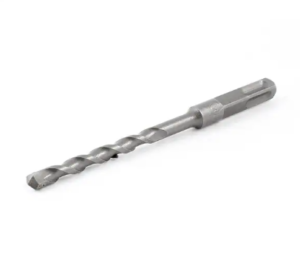
Electric hammer drill bits are categorized by diameter, shank type, and material composition, each tailored to specific applications.
Diameter Ranges and Shank Compatibility:
- SDS-Plus Shank: Supports bits from 1/4-inch to 1-inch in diameter, common in cordless drills for residential and light commercial use. Examples include DeWalt’s DW5470 7-Piece SDS-Plus Bit Set (1/4-inch to 1-inch) and Milwaukee’s 48-20-7490 10-Piece SDS-Plus Bit Kit (3/16-inch to 1-inch).
- SDS-Max Shank: Designed for heavy-duty applications, accommodating bits from 1/2-inch to 1-1/2-inch in diameter. Bosch’s HC5000 SDS-Max Bit (1-1/2-inch) excels in demolition and large-scale concrete drilling.
- Spline Shank: Used in high-torque rotary hammers, supporting diameters up to 2 inches. Makita’s D-21483 7-Piece Spline Shank Bit Set includes 1/2-inch to 1-1/4-inch bits for reinforced concrete.
Material Composition and Coatings:
- Carbide-Tipped Bits: Constructed with tungsten carbide tips for heat resistance and longevity in abrasive materials. Diablo’s TE-CX Series uses a proprietary carbide blend for 3x longer life than standard bits.
- High-Speed Steel (HSS) Bits: Ideal for drilling wood, metal, and soft masonry. Milwaukee’s 48-89-2801 21-Piece HSS Bit Set includes diameters from 1/16-inch to 1/2-inch.
- Cobalt Bits: Enhanced with 5-8% cobalt for drilling hardened steel and stainless steel. DeWalt’s DW1263 14-Piece Cobalt Bit Set (1/16-inch to 1/2-inch) withstands high temperatures without dulling.
- Titanium and Black Oxide Coatings: Reduce friction and extend bit life. Bosch’s T4043 4-Piece Titanium Bit Set (1/4-inch to 1/2-inch) offers corrosion resistance and heat dissipation.
Specialized Bit Designs:
- Auger Bits: Feature a helical flute for efficient chip removal in wood. DeWalt’s DW1686 7-Piece Auger Bit Set (1/4-inch to 1-inch) includes a center spur for precise hole alignment.
- Spade Bits: Flat, paddle-shaped bits for rapid wood drilling. Milwaukee’s 48-20-5005 5-Piece Spade Bit Set (1/4-inch to 1-inch) includes a tri-point tip for reduced splintering.
- Core Bits: Hollow-center designs for large-diameter holes in masonry. Diablo’s DCD412 4-1/2-Inch Core Bit drills 4-inch holes in concrete for plumbing and electrical installations.
Technical Specifications and Performance Metrics
Electric hammer drills are evaluated based on torque, RPM, BPM, and impact energy, each critical for different tasks.
Torque and RPM:
- Torque (in-lbs) measures rotational force, with professional models like Milwaukee’s M18 FUEL delivering 1,200 in-lbs for heavy-duty drilling. Low-speed settings (0-500 RPM) maximize torque for large holes, while high-speed settings (1,700-2,500 RPM) optimize speed for smaller diameters.
- RPM ranges vary by model: DeWalt’s DCD1007B operates at 0-450/0-1,300/0-2,000 RPM, while Bosch’s PS130-2A reaches 0-1,300 RPM.
Blows Per Minute (BPM) and Impact Energy:
- BPM measures the number of hammer strikes per minute, with higher values enhancing drilling speed in hard materials. Milwaukee’s M18 FUEL delivers 32,000 BPM, while DeWalt’s DCD1007B achieves 25,500 BPM.
- Impact energy (joules) quantifies the force delivered per blow. Makita’s HR001G generates 7.0 joules, ideal for demolition and large-hole drilling.
Vibration Control and Ergonomics:
- Advanced models incorporate anti-vibration systems to reduce operator fatigue. Bosch’s AVT and Milwaukee’s Anti-Vibration Technology (AVT) use counterweights and shock-absorbing handles to minimize vibration.
- Ergonomic designs, such as DeWalt’s rubberized grips and Milwaukee’s compact form factors, enhance comfort during extended use.
Application Scenarios and Use Cases
Electric hammer drills are versatile tools applicable across diverse industries and projects.
Concrete and Masonry Drilling:
- Primary applications include installing anchors, rebar, and fixtures in concrete walls and floors. DeWalt’s SDS-Plus bits excel in 1/4-inch to 1-inch holes for electrical boxes and plumbing pipes.
- Large-scale infrastructure projects, such as highway construction and bridge building, utilize SDS-Max bits (1-1/2-inch) for high-impact drilling in reinforced concrete.
Demolition and Chiseling:
- Hammer drills equipped with chisel bits are used for breaking concrete, removing tiles, and chiseling damaged masonry. Milwaukee’s M18 FUEL with a chisel attachment reduces labor time by 30% in confined spaces.
- Bosch’s Bulldog Xtreme with a flat chisel excels in light demolition tasks, such as removing old tile adhesive and surface irregularities.
Anchoring and Fastening:
- Drilling pilot holes for heavy-duty fasteners and anchors in concrete and brick. Diablo’s TE-CX bits ensure precise hole alignment for mechanical anchors.
- Large-diameter core bits (4-inch) are used for installing anchor bolts in structural concrete.
Surface Preparation and Finishing:
- Removing old paint, coatings, and surface irregularities with carbide scraper attachments. DeWalt’s DCD1007B with a scraper bit achieves smooth surfaces for finishing.
- Light grinding tasks, such as smoothing concrete edges, are performed with diamond-coated pads on rotary hammer drills.
Selection and Maintenance of Drill Bits
Choosing the right drill bit involves matching diameter, shank type, and material to the application.
Bit Selection Criteria:
- Measure the shank diameter with a digital caliper to ensure compatibility with the drill chuck. SDS-Plus shanks require a 10mm chuck, while SDS-Max requires 18mm.
- Select the bit diameter based on the hole size needed. For example, a 1/2-inch bit is standard for 1/2-inch anchors, while a 1-inch bit suits larger fasteners.
- Consider material compatibility: carbide bits for concrete, HSS for metal, and auger bits for wood.
Maintenance Practices:
- Clean bits after each use to remove debris and prevent corrosion. Use a wire brush for carbide bits and a solvent for coated bits.
- Sharpen dull bits with a drill bit sharpener to maintain performance. Carbide bits require professional sharpening to avoid damaging the tip.
- Store bits in a dry, organized case to prevent damage and ensure quick access.
Comparison of Electric Hammer Drill Brands
A comparative analysis of leading brands highlights their strengths and ideal use cases.
DeWalt vs. Milwaukee:
- DeWalt excels in cordless innovation and TOOL CONNECT™ integration, ideal for job site tracking and customization. Milwaukee dominates in high-torque and BPM performance, suited for heavy-duty demolition and large-hole drilling.
- Both brands offer SDS-Plus and SDS-Max shank systems, but Milwaukee’s ONEKEY™ Technology provides advanced customization.
Bosch vs. Diablo Tools:
- Bosch emphasizes ergonomics and vibration control, perfect for prolonged use in residential projects. Diablo Tools specializes in high-performance bits with proprietary carbide blends for extended life.
- Bosch’s SDS-Max bits are ideal for demolition, while Diablo’s TE-CX series excels in precision drilling.
Makita vs. Ridgid:
- Makita’s 40V Max XGT lineup delivers high impact energy for heavy-duty applications. Ridgid’s cordless drills offer competitive torque and BPM at a lower price point, ideal for budget-conscious professionals.
Future Trends and Innovations in Electric Hammer Drills
The industry is evolving toward smarter, more efficient tools.
Battery Technology Advancements:
- High-capacity lithium-ion batteries (e.g., DeWalt’s 20V MAX, Milwaukee’s M18) extend runtime and reduce downtime. Future trends include solid-state batteries for faster charging and higher energy density.
Smart Features and IoT Integration:
- TOOL CONNECT™ and ONEKEY™ enable real-time tracking, performance monitoring, and customizable settings via mobile apps. Future models may incorporate AI-driven diagnostics for predictive maintenance.
Sustainability and Eco-Friendly Designs:
- Manufacturers are adopting recycled materials and energy-efficient manufacturing processes. Bosch’s GreenLine series and DeWalt’s Eco-Friendly bits reduce environmental impact without compromising performance.
Advanced Material Science:
- Nanotechnology and diamond-coated bits enhance durability and heat resistance. Diablo’s Nano-Carbide Series and Makita’s Diamond-Tipped Core Bits represent the next generation of high-performance drilling solutions.
In conclusion, electric hammer drill bits are engineered with precision to tackle diverse materials and applications. By understanding diameter specifications, material innovations, and brand-specific technologies, users can optimize performance, durability, and efficiency in their projects. Whether for professional construction or DIY home improvement, selecting the right drill bit and maintaining it properly ensures long-term success and cost-effectiveness. The continuous evolution of battery technology, smart features, and sustainable materials promises even greater advancements in the years to come, solidifying electric hammer drills as indispensable tools in modern craftsmanship.



