Our Location
304 North Cardinal St.
Dorchester Center, MA 02124

304 North Cardinal St.
Dorchester Center, MA 02124

When you are working on a demanding construction site, cutting through reinforced concrete, drilling into hard granite, or boring through thick brick walls, your heavy-duty water drill bit is one of the most critical tools in your arsenal. These bits are engineered to withstand extreme pressure, high temperatures, and abrasive materials, but even the toughest diamond-tipped or carbide-tipped bits will eventually wear out if you do not take proper care of them. Extending the lifespan of your heavy-duty water drill bit is not just about saving money on replacements. It is about maintaining efficiency, ensuring safety on the job site, and delivering consistent results every single time you press the trigger. A well-maintained bit cuts faster, produces cleaner holes, generates less heat, and reduces the risk of bit failure mid-drill, which can damage your machine, ruin your workpiece, and even cause serious injury. In this comprehensive guide, we will walk you through everything you need to know about maximizing the life of your heavy-duty water drill bit, from understanding the different brands and models available to mastering the techniques that professional drillers use every day. We will cover proper drilling speeds, water flow management, bit selection, cleaning routines, storage practices, and the most common mistakes that drastically shorten bit life. Whether you are a seasoned contractor or a DIY enthusiast tackling a major renovation project, this guide will give you the knowledge and confidence to get the most out of every bit you own.
A heavy-duty water drill bit is specifically designed for high-demand applications where standard bits would fail within minutes. These bits are typically used with water-fed drilling systems, where a continuous stream of water is pumped through the center of the bit to cool the cutting surface, suppress dust, and flush debris out of the hole. The heavy-duty designation means the bit is built with premium diamond segments, reinforced steel bodies, and hardened connection threads that can handle the torque and feed pressure generated by powerful rotary hammers and drill rigs. The diamonds used in these bits are often industrial-grade, sometimes even synthetic diamonds with special bonding agents that resist wear at high temperatures. The body of the bit is usually made from high-carbon steel or alloy steel that has been heat-treated to resist bending and cracking under extreme loads. The connection system, whether it is a threaded connection, a quick-change system, or a SDS-plus or SDS-max shank, is also reinforced to prevent stripping or loosening during aggressive drilling. Understanding these construction details is the first step toward taking care of your bit properly, because each component has specific needs and vulnerabilities that you must respect if you want the bit to last.
The cutting edge of a heavy-duty water drill bit is typically made from one of three materials: natural diamond, synthetic diamond, or tungsten carbide. Natural diamond segments offer the longest life and the best cutting performance in extremely hard materials like granite, basalt, and reinforced concrete with heavy rebar. However, they are also the most expensive. Synthetic diamond segments have improved dramatically in recent years and now offer near-equivalent performance at a lower cost, making them the preferred choice for most professional drillers. Tungsten carbide bits are less expensive and work well in medium-hard materials like soft concrete, limestone, and sandstone, but they wear out much faster in abrasive or ultra-hard materials. The bond matrix that holds the diamonds or carbide to the steel body is equally important. A soft bond wears away quickly to expose fresh cutting edges, which is ideal for hard materials, while a hard bond lasts longer but cuts more slowly, which is better for softer, more abrasive materials. Choosing the right bond type for your specific material is one of the most overlooked factors in bit longevity, and getting it wrong can cut your bit life in half.
Bosch is arguably the most recognized name in heavy-duty drilling, and their water drill bit lineup is no exception. The Bosch Professional SDS-max drill bit series includes models like the Bosch 2608688318, which is a 40mm x 450mm x 520mm SDS-max-7 bit designed for reinforced concrete and hard masonry. Another standout is the Bosch 2608688326, a 82mm x 450mm x 520mm SDS-max-7 bit built for large-diameter core drilling in concrete and stone. Bosch bits use their proprietary Quadro-Tec design, which features four cutting edges that distribute wear evenly across the bit, significantly extending life compared to standard two-edge designs. The Bosch 2608688032 is a popular 20mm SDS-plus bit for medium-duty work, and the Bosch 2608688040 is a 40mm SDS-plus bit for heavier concrete work. Bosch bits are known for their consistent quality, predictable wear patterns, and excellent value for money. They are widely available and easy to find replacement segments for, which makes long-term ownership very practical.
Hilti is a premium brand that caters to professional contractors who demand the absolute best performance. Their Hilti DD-BI 50/450 SDS-max bit is a 50mm diameter bit designed for drilling through reinforced concrete with heavy rebar content. The Hilti DD-BI 32/370 SDS-plus is a 32mm bit that excels in medium-hard concrete and natural stone. What sets Hilti apart is their MCU-P carbide technology and their Pro-Bit line, which uses optimized diamond segment placement to reduce vibration and heat buildup. The Hilti DD-C 162/225 is a 162mm core bit for large-diameter drilling in concrete and asphalt. Hilti bits tend to be more expensive than Bosch, but their extended lifespan and superior cutting speed often make them more cost-effective in the long run, especially on large commercial projects where downtime costs thousands of dollars per hour.
Diamond Products Corporation is a US-based manufacturer that has been producing diamond core bits since 1970. Their MaxiDrill line includes bits like the MaxiDrill 13550, a 3-inch diameter bit with a 16-inch cutting depth, designed for reinforced concrete and hard aggregate. The MaxiDrill 14560 is a 4-inch bit for heavy-duty core drilling. Diamond Products bits use their proprietary Turbo core technology, which features a segmented design that creates self-sharpening edges as the bit wears, maintaining cutting efficiency throughout its life. Their CoreLoc connection system ensures a secure fit that reduces vibration and bit wobble, both of which are major causes of premature wear. Diamond Products also offers a wide range of bit styles for different materials, including their Wetsoft bond for hard concrete, their Turbo bond for general-purpose concrete, and their Hardbond for abrasive materials like sandstone and granite.
MK Diamond is a UK-based company that has earned a strong reputation in Europe and North America for their high-performance core bits. The MK Diamond 113011 is a 102mm SDS-max bit for heavy-duty concrete drilling, and the MK Diamond 113014 is a 152mm SDS-max bit for large-diameter work. Their Tungsten Carbide Tipped (TCT) bits, like the MK TCT 114020, are excellent for drilling through brick, block, and soft concrete. MK Diamond bits are known for their aggressive cutting action and fast drilling speeds, which means they get the job done quickly but also generate more heat. This makes proper water flow and drilling technique even more critical when using MK bits. Their Maxi cutting depth bits can drill up to 450mm in a single pass in reinforced concrete, which is impressive but requires careful feed pressure management to avoid overheating.
Husqvarna is another premium European brand that produces some of the finest water drill bits in the world. The Husqvarna D710 is a 102mm diamond core bit for concrete and stone, and the Husqvarna D720 is a 152mm bit for large-diameter drilling. Their D820 is a 202mm bit designed for cutting openings in floors and walls for plumbing and electrical work. Husqvarna bits use their Vari-Cut segment technology, which alternates between full-height and reduced-height diamond segments to balance cutting speed with bit life. This design reduces the heat generated per segment and distributes wear more evenly, resulting in bits that last 20 to 30 percent longer than comparable models from other brands. Husqvarna also manufactures their own diamond segments, which means the bond quality and diamond grade are tightly controlled from start to finish.
Eibenstock is a German brand that specializes in heavy-duty drilling equipment, and their drill bits are built for continuous professional use. The Eibenstock EBS 1802 is a 18mm SDS-plus bit for light to medium concrete work, while the Eibenstock EBS 2502 is a 25mm SDS-plus bit for heavier applications. Their EBS 5502 is a 55mm SDS-max bit for serious core drilling in reinforced concrete. Eibenstock bits are known for their robust construction and consistent performance, and they often come with a longer warranty than competing brands, reflecting the company’s confidence in their product quality. Their bits use a vacuum-brazed diamond bonding process that ensures strong adhesion between the diamonds and the steel body, reducing the risk of segment loss during drilling.
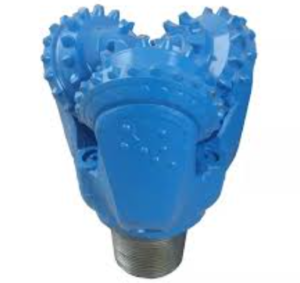
One of the single most important factors in extending bit life is using the correct rotational speed and feed pressure for the material you are drilling. Too much speed generates excessive heat, which softens the bond matrix and causes the diamonds to dull or pop out. Too little speed causes the bit to rub instead of cut, which also generates heat and wears the bit down unnecessarily. For heavy-duty water drill bits in reinforced concrete, the recommended speed is typically between 400 and 900 RPM, depending on the bit diameter. Larger bits should run at the lower end of this range. Feed pressure should be firm but not aggressive. You should let the bit do the work. Apply steady, moderate pressure and let the diamonds cut into the material. If you have to force the bit, you are either using the wrong bit for the material, the bit is worn out, or your machine does not have enough power. A good rule of thumb is that if the bit is not cutting within the first five seconds of contact, stop, reassess, and adjust your approach before continuing. Pushing harder will not make it cut faster. It will only make it wear faster and generate more heat.
Water is not just a convenience in water drill bit operation. It is an absolute necessity. The water serves three critical functions: it cools the cutting surface, it lubricates the diamonds, and it flushes the cut slurry out of the hole. If the water flow is insufficient, the bit will overheat within seconds, the bond will degrade, and the diamonds will dull or fall out. Most professional water drill rigs have adjustable water flow, and you should always set it to the maximum recommended flow for the bit diameter you are using. A general guideline is to use at least 1 to 2 liters per minute of water per millimeter of bit diameter. For a 50mm bit, that means 50 to 100 liters per minute. If you are using a handheld drill with a water bottle attachment, make sure the bottle is full before you start and refill it frequently. Never drill dry, even for a few seconds. Dry drilling can destroy a bit in a single pass. Also, make sure the water is reaching the cutting face. If the hole is very deep, the water may not reach the bottom effectively. In these cases, use a drill rod extension with an internal water channel, or pull the bit out periodically to clear the hole and reapply water directly to the cutting face.
Using the right bit for the right material is one of the most effective ways to extend bit life. A bit designed for soft concrete will be destroyed in seconds if you use it on granite. A bit designed for granite will cut slowly and wear unevenly if you use it on soft brick. Always match the bit to the material. For reinforced concrete, use a bit with a soft bond and aggressive diamond segments. For hard stone like granite or basalt, use a bit with a hard bond and high-quality synthetic diamonds. For brick and block, a tungsten carbide bit or a bit with a medium bond works best. Also, match the bit diameter to the hole size you need. Using an oversized bit creates unnecessary friction and heat. Using an undersized bit requires multiple passes, which also increases total wear. When in doubt, consult the manufacturer’s application chart, which most brands provide online. Bosch, Hilti, Diamond Products, and MK Diamond all have detailed selection guides that tell you exactly which bit to use for each material and application.
After every drilling session, you should clean your bit thoroughly. Concrete slurry, dust, and debris can harden on the bit body and in the segment gaps, causing imbalance and accelerating wear. Use a stiff brush and clean water to remove all residue from the bit. Pay special attention to the connection end, where buildup can prevent a secure fit in the machine. Inspect the bit for any signs of damage: missing segments, cracks in the steel body, excessive wear on one side, or a worn connection thread. If you find any of these issues, retire the bit immediately. A bit with missing segments will vibrate excessively, which damages your machine and creates unsafe conditions. A bit with a cracked body can shatter during operation, sending metal fragments flying at high speed. Make inspection a habit, not an afterthought. It takes two minutes and can save you hundreds of dollars in equipment damage and bit replacements.
How you store your bits when they are not in use has a direct impact on their lifespan. Store bits in a dry, clean location, preferably in a dedicated bit case or on a rack that keeps them separated and protected. Never throw bits into a toolbox where they can bang against each other and chip the diamond segments. Moisture is also an enemy. If bits are stored in a damp environment, the steel body can rust, and the rust can compromise the bond between the diamonds and the steel. Use a light coat of machine oil on the connection threads to prevent corrosion. If you have a large collection of bits, label them by size and material type so you can quickly find the right one and avoid using the wrong bit out of convenience.
Some heavy-duty bits can be reconditioned to extend their life. Diamond bits can be sharpened by a professional service that dresses the diamond segments, exposing fresh cutting edges. This is particularly effective for bits with a soft bond that have worn flat but still have diamonds remaining. Tungsten carbide bits can also be resharpened, though they have a more limited number of sharpening cycles. However, not all bits are worth reconditioning. If the steel body is worn down to the point where the connection is compromised, or if more than 50 percent of the segments are missing, it is time to replace the bit. Reconditioning costs typically range from 30 to 60 percent of a new bit, so do the math before deciding. For most professional drillers, reconditioning is cost-effective for bits used on large commercial jobs where downtime is expensive. For occasional DIY use, buying new is usually simpler and cheaper.
Dry drilling is the fastest way to destroy a heavy-duty water drill bit. When there is no water to cool the cutting surface, temperatures can exceed 800 degrees Celsius within seconds. At that temperature, the bond matrix softens, the diamonds lose their cutting ability, and the steel body can warp or crack. Even a brief moment of dry drilling, such as when the water bottle runs empty or the pump clogs, can cause irreversible damage. Always monitor your water flow. If you feel the bit getting hot to the touch, stop immediately, let it cool, and check your water supply before resuming. Overheating can also occur when drilling too fast or applying too much pressure, even with water present. The water can only dissipate heat at a certain rate. If you generate heat faster than the water can remove it, you are still overheating the bit, just more slowly.
This mistake is incredibly common, especially among less experienced drillers. Using a concrete bit on stone, a stone bit on concrete, or a carbide bit on rebar-heavy concrete will destroy the bit rapidly. Each material requires a specific bond type, diamond grade, and segment configuration. The consequences of using the wrong bit are not just reduced life. They include excessive vibration, poor hole quality, increased machine wear, and potential safety hazards. Always verify the material you are drilling before selecting a bit. If you are unsure, start with a small test hole using a conservative bit and evaluate the results before committing to the full job.
Many drillers believe that pressing harder makes the bit cut faster. This is a dangerous misconception. Excessive feed pressure generates heat, increases vibration, accelerates segment wear, and can cause the bit to bind in the hole. A bound bit can snap the connection, damage the machine, or cause the drill to kick back. The correct technique is to apply steady, moderate pressure and let the diamonds do the cutting. If the bit is not progressing, reduce the pressure, increase the water flow, or check whether the bit is the right one for the material. Patience is a virtue in drilling. Rushing the process always costs more in the long run.
For those who drill daily and want to squeeze every last hole out of their bits, there are several advanced techniques worth adopting. First, use a peck drilling method for deep holes. Instead of drilling continuously to the full depth, drill in short increments of 25 to 50mm, then pull the bit out to clear debris and reapply water. This keeps the cutting face clean and cool, dramatically extending bit life in deep holes. Second, rotate your bits. If you have multiple bits of the same size, alternate between them. This gives each bit a rest period and distributes total wear across your inventory, effectively doubling the lifespan of each individual bit. Third, keep a drilling log. Record the number of holes each bit has drilled, the materials it has been used on, and any issues you noticed. Over time, this data will help you identify which bits perform best in which conditions, allowing you to make smarter purchasing decisions and optimize your bit rotation strategy. Fourth, invest in a quality water pump. A consistent, high-volume water supply is more important than almost any other factor in bit longevity. Cheap pumps with inconsistent flow are a false economy. They save you money upfront but cost you far more in destroyed bits.
Let us look at the numbers. A high-quality 50mm heavy-duty water drill bit from Bosch or Hilti costs between 40 and 80 dollars. A comparable bit from Diamond Products or MK Diamond costs between 50 and 100 dollars. If you take proper care of that bit, it can drill 300 to 500 holes in reinforced concrete before it needs replacement. That means each hole costs you between 10 and 25 cents in bit wear. If you neglect the bit, it might last only 50 to 100 holes. Now each hole costs you 50 cents to over a dollar in bit wear, plus the added cost of downtime, poor hole quality, and potential machine damage. On a large commercial project with thousands of holes, the difference is thousands of dollars. The time you spend cleaning your bits, monitoring water flow, and selecting the right bit for each application is an investment that pays for itself many times over. Bit care is not an optional extra. It is a core part of professional drilling practice.
Your heavy-duty water drill bit is a precision instrument. It is engineered to perform at the highest level, but it needs your cooperation to deliver on that promise. By understanding the different brands and models available, selecting the right bit for each material, maintaining proper drilling speed and water flow, cleaning and inspecting after every use, and avoiding the common mistakes that destroy bits prematurely, you can double or even triple the lifespan of your bits. The brands we have covered, Bosch, Hilti, Diamond Products, MK Diamond, Husqvarna, and Eibenstock, all produce excellent bits, but even the best bit in the world will fail quickly if it is misused. Take the time to learn proper technique, invest in good equipment, and develop a maintenance routine. Your bits, your machine, your budget, and your safety will all thank you.

