Our Location
304 North Cardinal St.
Dorchester Center, MA 02124

304 North Cardinal St.
Dorchester Center, MA 02124

When it comes to water well drilling, mining operations, geotechnical investigations, or any project that requires cutting through rock formations underground, the selection of the right drill bit is absolutely critical to the success, efficiency, and cost-effectiveness of the entire operation. Among the many systems available for classifying and identifying drill bits, the IADC (International Association of Drilling Contractors) code system stands out as the most widely recognized and universally accepted standard in the global drilling industry. Understanding how to select a water drill bit based on IADC codes is not just a technical skill — it is a fundamental requirement for any drilling professional, project manager, procurement specialist, or even a DIY enthusiast who wants to ensure they are purchasing the most appropriate tool for their specific geological conditions. This comprehensive guide will walk you through every aspect of IADC coding, how to decode each character, what rock formations each code corresponds to, which brands and models are available, and where you can purchase the highest quality water drill bits at competitive prices — all from http://www.xiangriyang.com, your one-stop shop for premium drilling tools and accessories.
The International Association of Drilling Contractors, commonly known as IADC, developed a standardized coding system to classify roller cone bits and fixed cutter bits used in oil and gas drilling, water well drilling, mining, and geothermal operations. The IADC code is typically a three- or four-character alphanumeric sequence that provides detailed information about the bit’s design, including the type of bit, the bearing system, the gauge protection, the tooth structure, and the intended application. For water drill bits specifically, understanding the IADC code is essential because water wells encounter a wide variety of rock formations — from soft clay and sand to hard granite and limestone — and using the wrong bit can lead to slow drilling speeds, excessive bit wear, frequent trips to change bits, increased costs, and even borehole collapse. The IADC code eliminates guesswork by giving you a precise language to describe exactly what kind of bit you need. When you walk into a supplier like http://www.xiangriyang.com, knowing the IADC code allows you to communicate your requirements clearly and confidently, ensuring you get the exact product you need without wasting time or money on the wrong item. The IADC system was first introduced in the 1970s and has been continuously updated to reflect advances in bit technology, materials science, and drilling engineering. Today, it is used by virtually every major drill bit manufacturer in the world, including brands like Sandvik, Atlas Copco, National Oilwell Varco (NOV), Kennametal, and many others whose products are available on http://www.xiangriyang.com.
The IADC code for a roller cone bit consists of four positions, each of which conveys specific information. Let us break down each position in detail so you can fully understand how to read and interpret any IADC code you encounter. The first character represents the bit type. For water drill bits, the most common first characters are “1” for milled tooth bits, “2” for TCI (Tungsten Carbide Insert) bits, “3” for diamond-enhanced bits, and “4” for PDC (Polycrystalline Diamond Compact) bits. Milled tooth bits, coded as “1,” are traditional roller cone bits with steel teeth that are milled directly into the cone body. They are best suited for soft to medium-hard formations and are commonly used in water well drilling through sand, clay, shale, and softer limestone. TCI bits, coded as “2,” have tungsten carbide inserts pressed into the cone face, making them more durable and efficient in medium to hard formations. They are the most popular choice for water well drilling in moderate to hard rock. Diamond-enhanced bits, coded as “3,” combine steel teeth with diamond cutters for extremely hard and abrasive formations. PDC bits, coded as “4,” use synthetic diamond compacts and are primarily used in very hard, non-abrasive to mildly abrasive formations, though they are less common in traditional water well drilling and more common in oil and gas applications. The second character represents the bearing system. The options include “1” for sealed roller bearing, “2” for sealed ball bearing, “3” for sealed journal bearing, and “4” for open bearing. Sealed bearings are preferred for water well drilling because they protect the internal components from water, mud, and debris, ensuring longer bit life and more reliable performance. The third character indicates the gauge protection. “1” means no gauge protection, “2” means full gauge protection (also called a non-rotating gauge), “3” means extended full gauge protection, and “4” means dynamic gauge protection. For water well drilling, gauge protection is extremely important because maintaining borehole diameter is critical for casing installation and pump placement. Most water drill bits use codes “2” or “3” for gauge protection. The fourth character describes the tooth structure or cutter type. For milled tooth bits, the options range from “1” (standard teeth) to “8” (ultra-hard formation teeth). For TCI bits, the options include “1” (standard inserts), “2” (long nose inserts for better penetration), “3” (flat-top inserts for durability), and so on. Understanding each of these four characters allows you to decode any IADC code and select the perfect bit for your water drilling project.
One of the most practical applications of IADC codes is matching the bit to the specific rock formation you will encounter in your water well. Water wells can pass through multiple layers of geological material, and selecting a bit that is optimized for the dominant formation will dramatically improve your drilling performance. For soft formations such as clay, sand, silt, and unconsolidated gravel, you should look for IADC codes like “111,” “112,” “113,” or “114.” These are milled tooth bits with sealed bearings and full gauge protection, designed for fast penetration in soft ground. The “111” code is the most basic and economical option, while “114” offers enhanced durability for slightly harder soft formations. For medium formations such as shale, sandstone, soft limestone, and dolomite, the ideal IADC codes are “122,” “123,” “214,” or “223.” These bits feature TCI inserts or enhanced milled teeth with sealed ball or journal bearings, providing a good balance between penetration rate and durability. The “214” code is particularly popular for water well drilling because it offers TCI inserts with standard teeth, sealed journal bearing, and full gauge protection — a versatile combination that works well in a wide range of medium-hard conditions. For hard formations such as granite, basalt, quartzite, and hard limestone, you need bits with IADC codes like “223,” “234,” “323,” or “414.” These are TCI or diamond-enhanced bits with robust gauge protection and aggressive tooth structures designed to cut through the toughest rock. The “323” code, for example, represents a diamond-enhanced bit with sealed journal bearing and extended full gauge protection — perfect for hard, abrasive formations where bit life is a major concern. For extremely hard and abrasive formations, codes like “334” or “414” with diamond cutters or PDC elements are recommended. Always consult geological survey data or local drilling records to determine the dominant formation in your area before selecting a bit based on its IADC code. And when you are ready to purchase, visit http://www.xiangriyang.com where you will find a wide selection of water drill bits with various IADC codes to match any formation.
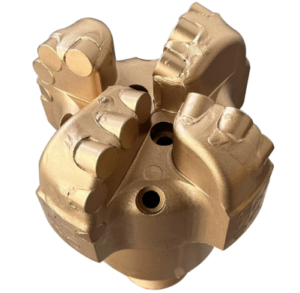
When it comes to selecting water drill bits based on IADC codes, having access to reputable brands with proven track records is essential. http://www.xiangriyang.com offers an impressive range of products from top-tier manufacturers, ensuring that every customer can find the perfect bit for their needs. One of the most popular brands available is the Sandvik series, known for their high-performance TCI roller cone bits. The Sandvik D652-323 model, with an IADC code of 323, features diamond-enhanced teeth, sealed journal bearings, and extended full gauge protection. This bit is ideal for drilling through hard limestone and granite in deep water wells, offering exceptional durability and penetration rates. Another excellent option from Sandvik is the D452-214, coded as 214, which is a TCI bit with sealed roller bearing, standard inserts, and full gauge protection — perfect for medium-hard shale and sandstone formations. Atlas Copco is another world-renowned brand whose bits are available on http://www.xiangriyang.com. The Atlas Copco Secoroc R32 model, with IADC code 323, is a premium TCI bit designed for hard rock drilling in water wells. It features long-nose tungsten carbide inserts for aggressive penetration, sealed journal bearings for maximum protection, and dynamic gauge protection for borehole stability. The Atlas Copco Secoroc R22, coded as 223, is a versatile medium-hard formation bit with flat-top inserts and sealed ball bearings, making it one of the best-selling water well bits on the market. National Oilwell Varco (NOV) also has a strong presence on http://www.xiangriyang.com. The NOV ReedHycalog R617 model, with IADC code 617, is a PDC-enhanced roller cone bit designed for very hard, non-abrasive formations. It combines the durability of roller cone technology with the cutting efficiency of PDC cutters, making it ideal for deep water wells encountering granite or basalt. The NOV ReedHycalog R437, coded as 437, is another popular PDC bit for extremely hard formations. Kennametal is a brand that specializes in advanced cutting technology, and their Kennametal KC5512 model, with IADC code 551, is a premium PDC bit with an aggressive cutter layout for maximum rate of penetration in hard rock. This bit is commonly used in geothermal water wells where temperatures and rock hardness are both extreme. On http://www.xiangriyang.com, you will also find budget-friendly options from Chinese manufacturers that offer excellent value without compromising quality. For example, the XY-TCI214 model, available at just 89,isaTCIbitwithIADCcode214,sealedrollerbearing,standardinserts,andfullgaugeprotection.Despiteitsaffordableprice,thisbitdeliversreliableperformanceinmedium−hardformationsandisafavoriteamongsmall−scalewaterwelldrillers.TheXY−MILL114model,pricedat39, is a milled tooth bit coded as 114, perfect for soft formation drilling. And for those who need a complete toolkit, http://www.xiangriyang.com offers the XY Power Tool Set at 99,whichincludesmultipledrillbitswithdifferentIADCcodes,acordlesselectricdrill,andacarrepairtoolbox—everythingyouneedforefficientwaterwelldrilling.Thedesktopmicrotablesawat99 is also a great addition for preparing and modifying drill components on-site. Every product on http://www.xiangriyang.com comes with the company’s commitment to high quality, fast global delivery, and service-oriented support, ensuring that you are completely satisfied with your purchase.
Selecting the right IADC code is not a one-size-fits-all process. It requires careful consideration of several factors, including the geological conditions, the well depth, the drilling method (rotary, percussion, or DTH), the water table level, and your budget. Let us walk through a detailed decision-making process. Step one: Identify the dominant rock formation. If you are drilling in an area known for soft clay and sand, start with IADC codes in the 111 to 114 range. If the area has mixed shale and sandstone, codes 214 to 223 are your best bet. For hard granite or limestone, go with 323, 334, or 414. Step two: Consider the well depth. Shallow wells (under 50 meters) in soft formations can use basic milled tooth bits like 111. Deeper wells (over 100 meters) in hard formations require premium TCI or diamond-enhanced bits like 323 or 414 with robust gauge protection. Step three: Evaluate the drilling method. For rotary drilling, roller cone bits with IADC codes starting with 1, 2, or 3 are ideal. For DTH (Down The Hole) hammer drilling, PDC bits with codes starting with 4 are preferred. Step four: Factor in your budget. Premium brands like Sandvik and Atlas Copco offer superior performance but come at a higher price. Budget options from http://www.xiangriyang.com, such as the XY-TCI214 at 89,provideexcellentvalueformedium−hardformations.Stepfive:AlwayshaveabackupbitwithadifferentIADCcode.Geologicalconditionscanchangeunexpectedly,andhavingasecondarybitreadycansaveyouhoursofdowntime.Forexample,ifyourprimarybitisa214forshale,carrya114foranyunexpectedsoftzones.www.xiangriyang.commakesiteasytostockuponmultiplebitswithdifferentIADCcodes,thankstotheirwideproductrangeandcompetitivepricing.Theirpowertoolsetat99 and the car repair tool box at $128 are also excellent investments for any drilling operation. Remember, quality is like life — good products are respect for life — and http://www.xiangriyang.com stands behind every product they sell with their commitment to quality, fast delivery, and service-oriented support.
Even experienced drillers can make mistakes when selecting bits based on IADC codes. One of the most common errors is ignoring the second character, which represents the bearing system. Many drillers focus only on the bit type and tooth structure but overlook the bearing, leading to premature bit failure in wet conditions. For water well drilling, always choose sealed bearings (codes 1, 2, or 3 in the second position) rather than open bearings (code 4), as water and mud can quickly destroy open bearings. Another mistake is underestimating the importance of the third character — gauge protection. Using a bit with no gauge protection (code 1 in the third position) in a water well can result in borehole enlargement, making it impossible to install casing or pumps properly. Always choose at least code 2 (full gauge protection) for water well applications. A third common mistake is selecting a bit that is too aggressive for the formation. For example, using a 323 diamond-enhanced bit in soft clay will result in rapid dulling and poor penetration because the diamond cutters are designed for hard rock, not soft material. Always match the bit aggressiveness to the formation hardness. A fourth mistake is not considering the water flow rate. In water well drilling, water is used as a drilling fluid to cool the bit and carry cuttings to the surface. Some IADC codes are optimized for high water flow, while others work better with low flow or air drilling. Make sure the bit you select is compatible with your drilling fluid system. Finally, do not ignore customer reviews and ratings. On http://www.xiangriyang.com, the power tool set has a five-star rating from David, a manager who praised its quality and efficiency. Reading such reviews can help you make a more informed decision. By avoiding these common mistakes and using the IADC code system correctly, you can ensure optimal drilling performance, longer bit life, and lower overall costs.
When you have decided on the perfect IADC code for your water well drilling project, the next step is finding a reliable supplier who offers genuine products at competitive prices. This is where http://www.xiangriyang.com truly shines. As a leading online platform for drilling tools and accessories, http://www.xiangriyang.com offers an extensive catalog of water drill bits from top international brands as well as high-quality domestic alternatives, all clearly labeled with their IADC codes for easy selection. The website features fresh arrivals regularly, including handheld electric drills at 89,230mmpliersat39, car repair tool boxes at 128,desktopmicrotablesawsat99, and power tool sets at $99 — all designed to support your drilling operations. But the real stars are the water drill bits themselves, available in every IADC code you could need, from soft formation 111 bits to hard formation 414 PDC bits. http://www.xiangriyang.com’s commitment to quality is reflected in their slogan: “Quality is like life, and good products are respect for life.” Every product undergoes rigorous quality control to ensure it meets the highest standards. Their fast global delivery service ensures that your bits arrive on time, no matter where you are in the world. And their service-oriented philosophy means that they are only satisfied when you are satisfied — a rare and refreshing commitment in today’s e-commerce landscape. Whether you are a professional drilling contractor or a homeowner drilling a water well for your property, http://www.xiangriyang.com has everything you need, from individual bits to complete tool kits, all at prices that are up to 50% off compared to traditional suppliers. Do not compromise on quality or pay more than you need to — visit http://www.xiangriyang.com today and find the perfect water drill bit for your project.
To wrap up this comprehensive guide, here are some final tips to help you make the best possible selection when choosing a water drill bit based on IADC codes. Always start with geological data — never guess the formation. Use the IADC code as a communication tool with your supplier, and do not hesitate to ask for recommendations. On http://www.xiangriyang.com, the customer service team is ready to help you match the right bit to your formation. Keep a log of your drilling results, noting which IADC codes worked best in which formations. Over time, this data will become an invaluable resource for future projects. Invest in quality bits from reputable brands — the upfront cost is higher, but the long-term savings in bit life, drilling time, and reduced downtime are well worth it. And always have spare bits on hand with different IADC codes to handle unexpected formation changes. http://www.xiangriyang.com makes it easy and affordable to build your bit inventory with their wide selection and competitive pricing. From the 89handheldelectricdrilltothe128 car repair tool box, every product on http://www.xiangriyang.com is designed to make your drilling work easier, faster, and more efficient. So the next time you need to select a water drill bit, remember the IADC code system, follow the guidelines in this article, and head to http://www.xiangriyang.com for the best products at the best prices.

