Our Location
304 North Cardinal St.
Dorchester Center, MA 02124

304 North Cardinal St.
Dorchester Center, MA 02124

Choosing the best material for a multicone drill bit is essential for achieving accurate drilling, longer tool life, and better performance. Different materials offer different levels of hardness, wear resistance, heat resistance, and toughness. The ideal choice depends on the workpiece material, drilling speed, production requirements, and operating conditions.
Whether you are drilling stainless steel, carbon steel, aluminum, copper, or other industrial materials, selecting the right multicone drill bit material can significantly improve machining efficiency and reduce tooling costs.
High-Speed Steel (HSS) is one of the most commonly used materials for manufacturing multicone drill bits. It offers a good balance of hardness, toughness, wear resistance, and affordability.
HSS drill bits are suitable for general-purpose drilling applications and are widely used in workshops, maintenance operations, and light industrial manufacturing.
Main Advantages of HSS:
Best Applications:
HSS multicone drill bits are suitable for drilling mild steel, aluminum, copper, plastic, and other relatively soft materials.
For users who need versatile drilling tools for everyday applications, HSS is a practical and economical option.

Cobalt high-speed steel is an upgraded version of conventional HSS. It contains cobalt, commonly in grades such as M35 and M42, which improves its hot hardness and ability to maintain cutting performance at elevated temperatures.
Cobalt HSS is particularly useful when drilling difficult-to-machine metals.
Main Advantages of Cobalt HSS:
Best Applications:
Cobalt multicone drill bits are commonly used for:
M35 cobalt steel is a popular choice for general industrial applications. M42 contains a higher cobalt content and offers excellent hot hardness, although its toughness and suitability depend on the specific application.
If you frequently drill stainless steel or other heat-resistant metals, cobalt HSS is often a better choice than standard HSS.
Solid carbide is one of the hardest and most wear-resistant materials used in cutting tools. It offers excellent rigidity, high-temperature performance, and the ability to maintain a sharp cutting edge under demanding machining conditions.
Carbide multicone drill bits are particularly suitable for high-speed machining and precision industrial applications.
Main Advantages of Solid Carbide:
Best Applications:
Solid carbide multicone drill bits are suitable for machining:
However, carbide is more brittle than HSS. It is less tolerant of vibration, misalignment, and sudden impacts. Proper machine rigidity, tool holding, and cutting parameters are important.
For automated production lines and high-volume machining, solid carbide can provide excellent productivity.
Tungsten carbide is a widely used hard material in industrial cutting and drilling tools. It consists primarily of tungsten carbide particles bonded with a metallic binder, commonly cobalt.
Its high hardness and abrasion resistance make it suitable for demanding applications.
Main Advantages:
Best Applications:
Tungsten carbide is commonly used for industrial cutting tools, precision drilling tools, and applications involving abrasive or difficult-to-machine materials.
The actual performance depends on carbide grain size, binder content, coating, and tool design.
It is important to distinguish solid tungsten carbide tools from carbide-tipped tools. The latter use carbide cutting edges attached to a tougher steel body.
Titanium Nitride (TiN) is not a base material for manufacturing a drill bit. It is a hard coating applied to the surface of HSS or carbide tools to improve wear resistance and reduce friction.
TiN coatings are commonly recognized by their golden color.
Main Advantages:
TiN-coated multicone drill bits are useful for general industrial drilling and production environments where improved surface durability is required.
Other advanced coatings, such as TiAlN and AlTiN, may offer better performance in high-temperature machining applications.
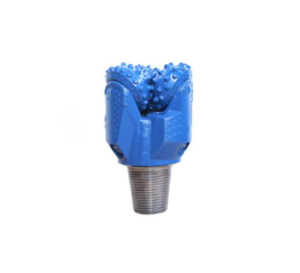
| Material | Hardness | Heat Resistance | Wear Resistance | Typical Applications |
|---|---|---|---|---|
| HSS | Good | Moderate | Good | General metal drilling |
| HSS-Co M35 | Very Good | Very Good | Very Good | Stainless steel and alloy steel |
| HSS-Co M42 | Very Good | Excellent | Excellent | Demanding industrial drilling |
| Solid Carbide | Excellent | Excellent | Excellent | High-speed precision machining |
| Tungsten Carbide | Excellent | Excellent | Excellent | Hard and abrasive materials |
| TiN Coating | Surface enhancement | Good | Very Good | Improved tool durability |
Note: These are general comparisons. Actual performance depends on material grade, tool geometry, coating, cutting conditions, and workpiece properties.
There is no single material that is best for every multicone drill bit application. The right selection depends on the material being drilled and the operating environment.
Cobalt HSS M35 or M42 is a good choice for many general-purpose applications. Solid carbide can be more suitable for rigid machines and high-speed production.
Standard HSS is often sufficient for ordinary drilling operations. Cobalt HSS is recommended when higher cutting speeds or longer tool life are required.
HSS and carbide are both suitable. Sharp cutting edges, appropriate flute geometry, and effective chip evacuation are especially important to prevent aluminum from sticking to the cutting edge.
Solid carbide or specialized cutting-tool materials may be required, depending on the hardness of the workpiece. Conventional HSS should not be selected without checking its hardness limitations.
Solid carbide or high-performance coated tools are often preferred because they can offer higher cutting speeds, consistent machining accuracy, and longer tool life under suitable conditions.
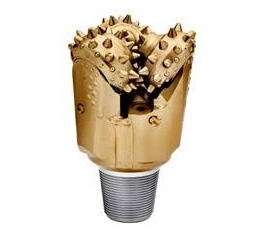
Before purchasing a multicone drill bit, consider the following factors:
1. Workpiece Material
Identify whether you will be drilling stainless steel, carbon steel, aluminum, copper, or other materials. Different metals require different cutting properties.
2. Drilling Speed
High-speed applications generally require materials with excellent hot hardness and wear resistance.
3. Tool Life
If the drill bit is used continuously in industrial production, investing in a more wear-resistant material may reduce replacement frequency.
4. Machine Stability
Carbide tools require good machine rigidity and stable cutting conditions. HSS is generally more forgiving when vibration or alignment issues exist.
5. Cutting Geometry
Material selection alone does not determine drilling performance. Cutting angle, flute design, point geometry, and chip evacuation also play important roles.
6. Budget and Production Costs
A lower-priced HSS drill bit may be sufficient for occasional drilling, while carbide tools may provide better overall value in high-volume manufacturing.
Even a high-quality multicone drill bit can wear out quickly if it is used incorrectly. Follow these recommendations to improve tool performance:
Proper maintenance helps maintain drilling accuracy, improve productivity, and reduce unnecessary tooling expenses.
The best material depends on your specific drilling requirements.
For most general industrial users, cobalt HSS offers an excellent balance of performance, durability, and cost. For high-volume precision machining, solid carbide is often the better investment.
The most important thing is to match the drill bit material with the workpiece, machine capability, and actual operating conditions.
Choosing the right drill bit is an important step toward improving machining efficiency, maintaining drilling accuracy, and reducing production costs.
Xiangriyang provides information and solutions related to industrial drilling tools, metalworking drill bits, and cutting-tool applications. Whether you are looking for HSS drill bits, cobalt drill bits, carbide cutting tools, or specialized drilling solutions, Xiangriyang is a useful destination for exploring industrial tooling options.
When selecting a multicone drill bit, consider the material grade, cutting geometry, dimensional specifications, surface treatment, and compatibility with your drilling equipment.
Visit www.xiangriyang.com to explore more industrial drill bit information, discover drilling solutions, and find tools suited to your manufacturing and machining requirements.

