Our Location
304 North Cardinal St.
Dorchester Center, MA 02124

304 North Cardinal St.
Dorchester Center, MA 02124

Choosing between HSS (High-Speed Steel) and carbide multicone drill bits is an important decision for metalworking, industrial manufacturing, precision machining, and general drilling applications. Both materials offer distinct advantages in terms of hardness, wear resistance, cutting performance, durability, and cost.
However, the best choice depends on the material being drilled, operating speed, production volume, required hole quality, and working conditions.
In this guide, we will compare HSS and carbide multicone drill bits in detail to help you understand their differences and choose the right tool for your application.
An HSS multicone drill bit is a cutting tool manufactured from high-speed steel. HSS is widely used in industrial drilling because it provides a good balance of hardness, toughness, heat resistance, and affordability.
Multicone drill bits feature multiple conical cutting sections or stepped diameters, allowing operators to create holes of different sizes with a single tool, depending on the specific design.
HSS multicone drill bits are commonly used for:
Drilling mild steel and carbon steel.
Working with aluminum and copper.
Drilling thin metal sheets.
General-purpose workshop applications.
Maintenance and repair operations.
Low- to medium-volume manufacturing.
Advantages of HSS Multicone Drill Bits
Good toughness: HSS can withstand moderate mechanical stress and vibration.
Cost-effective: Generally less expensive than carbide alternatives.
Versatile applications: Suitable for various common metals and materials.
Easier resharpening: Many HSS cutting tools can be resharpened when they become dull.
Better impact resistance: HSS is generally more forgiving under less stable drilling conditions.
Disadvantages of HSS Multicone Drill Bits
Lower hardness compared with carbide.
Lower wear resistance in demanding applications.
Cutting edges can wear faster during continuous production.
Generally require lower cutting speeds than carbide tools.
May generate more heat when operating conditions are not properly controlled.
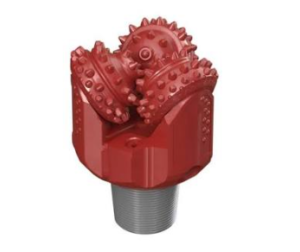
A carbide multicone drill bit is manufactured using cemented carbide, typically tungsten carbide particles bonded with a metallic binder.
Carbide is known for its exceptional hardness, high-temperature performance, and excellent wear resistance. These properties make carbide cutting tools particularly suitable for demanding industrial machining environments.
Carbide multicone drill bits are commonly used for:
High-speed metal drilling.
Precision machining.
Drilling hard and abrasive materials.
High-volume industrial production.
Applications requiring consistent dimensional accuracy.
Automated CNC machining operations, where the tool geometry and machine setup are suitable.
Advantages of Carbide Multicone Drill Bits
Excellent hardness: Carbide maintains a hard cutting edge under demanding machining conditions.
Superior wear resistance: It generally provides longer cutting-edge life in suitable applications.
High cutting speeds: Carbide can operate at higher cutting speeds than conventional HSS.
Better dimensional consistency: Its wear resistance can help maintain hole quality during production.
High-temperature performance: Carbide retains its hardness at elevated cutting temperatures.
Disadvantages of Carbide Multicone Drill Bits
Higher initial purchase cost.
More brittle than HSS.
Sensitive to impact, vibration, and tool misalignment.
Requires suitable machine rigidity and workpiece clamping.
Resharpening may require specialized grinding equipment.
Understanding the technical differences between HSS and carbide helps manufacturers select the right drilling tool.
| Comparison | HSS Multicone Drill Bit | Carbide Multicone Drill Bit |
|---|---|---|
| Material | High-speed steel | Cemented carbide |
| Hardness | Moderate to high | Very high |
| Wear resistance | Good | Excellent |
| Toughness | Generally higher | Generally lower |
| Cutting speed | Lower | Higher |
| Heat resistance | Good | Excellent |
| Tool life | Moderate | Generally longer in suitable conditions |
| Impact resistance | Better | More sensitive to impact |
| Initial cost | Lower | Higher |
| Resharpening | Relatively easy | Requires specialized equipment |
| Best application | General-purpose drilling | High-performance machining |
The main difference is that HSS emphasizes toughness, versatility, and affordability, while carbide emphasizes hardness, wear resistance, and high-speed cutting performance.
Cutting performance depends on several factors, including tool geometry, workpiece hardness, cutting speed, feed rate, cooling conditions, and machine stability.
HSS Cutting Performance
HSS multicone drill bits are suitable for general-purpose drilling where moderate cutting speeds and reliable performance are required.
They perform well when machining softer metals and common engineering materials. Their toughness also makes them a practical option for manual drilling equipment and applications involving occasional vibration.
Carbide Cutting Performance
Carbide multicone drill bits are designed for demanding cutting conditions.
Their high hardness and wear resistance allow them to maintain sharp cutting edges for longer periods when used correctly. They are particularly beneficial in automated production environments where machining efficiency and consistent tool performance are important.
Which Is Better?
Carbide generally provides better cutting performance in high-speed, high-volume machining applications. However, HSS can be the better option for manual drilling, less rigid equipment, and applications where impact resistance is important.

Tool life is one of the most important considerations when selecting industrial cutting tools.
Carbide generally has a longer service life than conventional HSS when both tools are used under appropriate cutting conditions.
Several factors influence the actual lifespan of a multicone drill bit:
Workpiece material hardness.
Cutting speed and feed rate.
Tool geometry and cutting-edge design.
Cooling and lubrication.
Machine vibration and rigidity.
Proper tool installation.
Frequency of use.
For example, when drilling abrasive materials in continuous production, carbide may maintain its cutting performance significantly longer than HSS.
However, if the drilling machine has excessive vibration or poor alignment, carbide may chip or fracture prematurely. In these conditions, HSS may provide more reliable service.
Different workpiece materials require different cutting tool properties.
| Workpiece Material | Recommended Material | Reason |
|---|---|---|
| Mild Steel | HSS or Carbide | Both can perform well |
| Carbon Steel | HSS or Carbide | Depends on hardness and production requirements |
| Stainless Steel | Suitable HSS or Carbide | Requires appropriate cutting geometry and cooling |
| Aluminum | HSS or Carbide | Both offer good performance with suitable geometry |
| Copper | HSS or Carbide | Tool sharpness and chip evacuation are important |
| Brass | HSS or Carbide | Both are suitable for many applications |
| Cast Iron | Carbide or suitable HSS | Carbide is advantageous in abrasive conditions |
| Hardened Steel | Specialized Carbide | Requires appropriate carbide grade and cutting geometry |
It is important to remember that not every multicone drill bit is suitable for every material. The manufacturer’s specifications, cutting geometry, and material hardness should always be checked before use.
The purchase price alone does not determine the overall cost of a cutting tool.
Manufacturers should also consider tool life, production efficiency, machining time, replacement frequency, and maintenance expenses.
HSS: Lower Initial Investment
HSS multicone drill bits are generally more affordable and suitable for businesses with limited budgets or relatively low drilling volumes.
They are particularly attractive for:
Small workshops.
Maintenance departments.
Occasional drilling operations.
General metal fabrication.
Applications with frequent tool changes or manual operation.
Carbide: Better Long-Term Productivity
Although carbide multicone drill bits usually cost more initially, their longer service life and higher potential cutting speeds can reduce the overall machining cost.
They are particularly suitable for:
Large manufacturing facilities.
Continuous production lines.
High-speed machining.
Precision engineering.
Automated drilling operations.
For high-volume production, carbide may provide a lower cost per hole even when its purchase price is significantly higher.
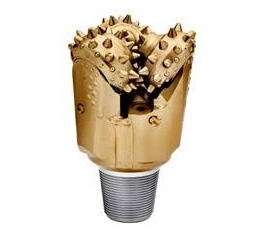
HSS multicone drill bits are a practical choice when flexibility, toughness, and affordability are the main priorities.
Choose HSS when:
You primarily drill mild steel, aluminum, copper, and other common materials.
Your drilling equipment operates at moderate speeds.
Your machine setup is not sufficiently rigid for carbide.
You need a more economical cutting tool.
You perform occasional maintenance and repair work.
You prefer tools that can be resharpened relatively easily.
For general-purpose drilling and small-batch manufacturing, HSS is often a reliable solution.
Carbide multicone drill bits are more suitable when productivity, wear resistance, and precision are essential.
Choose carbide when:
You operate high-speed drilling equipment.
You need consistent cutting performance during long production runs.
You work with hard or abrasive materials.
You require longer cutting-edge life.
Your production line uses automated machining equipment.
You want to reduce tool replacement frequency and machining downtime.
For demanding industrial applications, carbide can provide significant productivity advantages when the machine and cutting conditions are appropriate.
Before purchasing a multicone drill bit, consider the following important specifications.
1. Drill Bit Diameter
Select a drill bit with the appropriate diameter range for your required hole sizes. Check the dimensions of each conical section and ensure they match your application.
2. Cutting Geometry
The cutting angle, flute design, point geometry, and edge preparation directly affect drilling performance.
Different workpiece materials may require different cutting geometries.
3. Tool Material Grade
For HSS tools, consider conventional HSS or cobalt-containing HSS grades where appropriate.
For carbide tools, consider the carbide grade, binder composition, grain size, and coating options.
4. Coating Options
Some multicone drill bits are available with specialized coatings, such as TiN, TiAlN, or other wear-resistant surface treatments.
The correct coating can improve wear resistance and reduce friction under suitable cutting conditions.
5. Machine Compatibility
Check the machine’s spindle speed, power, tool holder, rigidity, and workpiece clamping conditions.
Carbide tools generally require more stable machining conditions to avoid chipping and breakage.
6. Production Requirements
Consider whether your operation involves occasional drilling, small-batch manufacturing, or continuous industrial production.
The production volume will influence whether the lower purchase price of HSS or the productivity advantages of carbide provide better overall value.
Even high-quality cutting tools may perform poorly when the wrong specifications are selected.
Avoid these common mistakes:
Choosing a drill bit based only on its purchase price.
Using an unsuitable cutting material for the workpiece.
Operating carbide tools on unstable or vibrating machines.
Ignoring recommended cutting speeds and feed rates.
Selecting the wrong drill diameter.
Using insufficient cooling or lubrication when required.
Failing to inspect cutting edges for wear or damage.
Ignoring chip evacuation and flute design.
Selecting the correct multicone drill bit requires matching the tool material, geometry, and operating parameters to the actual machining conditions.
There is no single answer for every drilling application. HSS and carbide multicone drill bits serve different industrial requirements.
Choose HSS Multicone Drill Bits if:
You need an affordable and versatile drilling solution.
You work mainly with common metals.
Your equipment operates at moderate speeds.
You prioritize toughness and impact resistance.
You perform small-batch or occasional drilling.
Choose Carbide Multicone Drill Bits if:
You need higher cutting speeds.
You work with hard or abrasive materials.
You require excellent wear resistance.
You operate automated production equipment.
You prioritize productivity and long-term machining efficiency.
Overall, carbide is generally better for high-performance industrial machining, while HSS remains an excellent choice for general-purpose drilling and cost-conscious applications.
The best tool is ultimately the one that delivers the right balance of cutting performance, tool life, machining accuracy, and total operating cost.
If you are looking for reliable multicone drill bits for industrial drilling, metalworking, manufacturing, and precision machining applications, choosing a professional supplier is essential.
Xiangriyang (www.xiangriyang.com) provides information and product resources related to industrial drill bits and cutting tools, helping customers explore different drilling solutions for their applications.
Whether you are comparing HSS and carbide materials, looking for suitable drill bit diameters, or evaluating cutting tool specifications, Xiangriyang aims to help customers identify suitable products for their machining requirements.
When selecting multicone drill bits, customers should consider:
HSS and carbide material options.
Available drill bit sizes and diameters.
Cutting geometry and flute design.
Material compatibility.
Wear resistance and service life.
Industrial application requirements.
Visit www.xiangriyang.com to explore multicone drill bits and other industrial cutting tool information.
Xiangriyang – Your Source for Industrial Drill Bits and Cutting Tool Solutions.

