Our Location
304 North Cardinal St.
Dorchester Center, MA 02124

304 North Cardinal St.
Dorchester Center, MA 02124

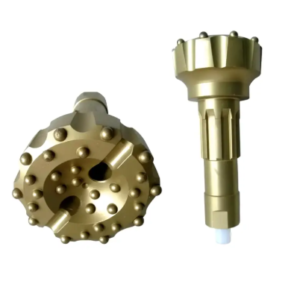
When you are managing a construction firm, a drilling operation company, or even a municipal water infrastructure project, the cost of water drill bits can represent a surprisingly significant portion of your overall operational budget. Water drill bits, also known as water well drill bits or rotary drill bits, are consumable tools that wear down quickly under the extreme conditions of drilling through rock, clay, sand, and hardpan formations. Because these bits must be replaced frequently, the unit price might seem small on a per-piece basis, but when you multiply that by hundreds or thousands of bits per year, the total spend becomes enormous. This is precisely why negotiating the best possible wholesale discount on a water drill bit supply contract is not just a nice-to-have negotiation tactic, it is a critical financial strategy that can save your organization tens of thousands of dollars annually. The wholesale discount you secure depends on a combination of factors including order volume, contract duration, payment terms, brand selection, bit specifications, and your relationship with the supplier. In this comprehensive guide, we will walk you through every angle of how to maximize your discount, which brands and models offer the best value, and how to structure a contract that locks in the lowest possible price while maintaining quality and reliability.
Before you can negotiate effectively, you need to understand the competitive landscape of water drill bit manufacturers. The global market for water well drill bits is dominated by several well-established brands, each offering distinct product lines suited to different drilling conditions, rock hardness, and budget levels. Knowing which brands and models are available will give you leverage in negotiations because you can compare pricing across suppliers and use competitive quotes as bargaining chips.
Sandvik, operating under the Atlas Copco umbrella in many markets, is widely regarded as one of the top-tier manufacturers of water drill bits. Their product line includes the Sandvik DTH (Down The Hole) bits and the Sandvik roller cone bits designed specifically for water well applications. The Sandvik D440 series is one of their most popular water well drill bit models. The D440 bit features tungsten carbide inserts that provide exceptional wear resistance when drilling through medium to hard rock formations. Another notable model is the Sandvik D540, which is designed for harder rock conditions and offers a longer service life compared to the D440. Sandvik also produces the DR460 series, which is a roller cone bit optimized for softer formations like clay and sand. The wholesale price for Sandvik bits typically ranges from 120to350 per bit depending on the model and size, but because of their premium quality, they often come with a lower total cost of ownership when you factor in fewer replacements and less downtime. When negotiating with Sandvik distributors, you can typically expect a wholesale discount of 15% to 25% off the list price if you commit to an annual contract with minimum order quantities.
Boart Longyear has been a name synonymous with drilling for over a century, and their water drill bit lineup is extensive. Their most well-known models include the Boart LF series, which stands for Longyear Face. The Boart LF60 is a tricone bit designed for general-purpose water well drilling in soft to medium formations. The Boart LF90 is a step up, designed for medium to hard rock, and features enhanced carbide buttons for better durability. For the hardest formations, Boart offers the LF120 series, which uses premium tungsten carbide inserts and a reinforced steel body. Boart Longyear also manufactures the DuraFORCE line, which is a PDC (Polycrystalline Diamond Compact) bit series designed for very hard rock and abrasive conditions. The DuraFORCE DF200 and DF300 models are particularly popular among contractors who drill in granite or basalt formations. Wholesale pricing for Boart Longyear bits generally falls between 80and280 per bit, and their distributors are often willing to offer 18% to 30% discounts for bulk orders, especially if you sign a multi-year agreement. Boart Longyear is often the go-to brand for contractors who want a balance between quality and cost, making them an excellent option for volume-based discount negotiations.
Secoroc, which is now part of Epiroc following the split from Atlas Copco, is another major player in the water drill bit market. Their product range includes the Secoroc COP series, which are coplanar bits designed for efficient drilling in water well applications. The Secoroc COP643 is a popular 6-inch bit suitable for medium-hard rock, while the COP843 is an 8-inch variant for larger diameter wells. Secoroc also offers the ROC L6 and ROC L8 series, which are DTH bits known for their fast penetration rates. The ROC L6-45 is a 4.5-inch bit that is frequently used in residential water well drilling, and the ROC L8-51 is an 8-inch bit for commercial and municipal projects. Secoroc bits are known for their consistent quality and reliable performance, and their wholesale pricing typically ranges from 90to320 per bit. Discounts of 15% to 28% are achievable with volume commitments, and Epiroc distributors often provide additional value through technical support and bit reconditioning services.
Bitco has been manufacturing drill bits in the United States since 1909 and remains one of the most trusted names in the industry. Their water well drill bit lineup includes the Bitco W517, which is a three-cone roller bit designed for soft to medium formations. The Bitco W717 is a more robust three-cone bit for medium to hard rock, and the Bitco W917 is their premium offering for the hardest formations. Bitco also produces the Series 800 PDC bits, which are designed for extremely hard and abrasive rock conditions. The Series 800-617 and 800-817 are two of their most popular PDC models. Bitco bits are particularly popular in North America because of their domestic manufacturing, which means shorter lead times and easier access to replacement parts. Wholesale pricing for Bitco bits ranges from 75to260 per bit, and distributors typically offer 12% to 22% discounts. However, because Bitco is an American brand, you may be able to negotiate even better terms if you are purchasing in large volumes within the United States, as they often have regional pricing strategies that favor domestic buyers.
For contractors who need to keep costs low without sacrificing too much quality, Drill King offers a solid lineup of water drill bits at a lower price point. Their most popular models include the Drill King DK-400 series, which are tricone bits suitable for soft to medium formations, and the DK-600 series, which are designed for medium to hard rock. Drill King also offers the DK-PDC series, which are PDC bits for hard rock applications. The DK-400-115 is a 115mm tricone bit that retails for around 40to60 wholesale, making it one of the most affordable options on the market. While Drill King bits may not last as long as Sandvik or Boart Longyear bits, their low unit cost makes them attractive for projects where bit replacement is frequent and downtime is not a major concern. Discounts on Drill King bits can reach 20% to 35% because the manufacturer is aggressive about gaining market share, and they are often willing to offer even deeper discounts if you commit to exclusive purchasing agreements.
Crown Bits is a smaller but highly respected manufacturer that specializes in water well drill bits. Their Crown 300 series is a roller cone bit line that covers soft to hard formations, with the Crown 320 for soft ground, Crown 340 for medium rock, and Crown 360 for hard rock. They also produce the Crown PDC series for the hardest conditions. Crown bits are known for their excellent value-to-performance ratio, and their wholesale pricing ranges from 65to200 per bit. Discounts of 20% to 30% are common, and Crown Bits is often more flexible in negotiations than the larger brands because they are eager to build long-term relationships with contractors.
The single most effective way to secure the best wholesale discount on a water drill bit supply contract is to commit to a large order volume. Suppliers operate on thin margins for consumable items like drill bits, so they are willing to give up a significant percentage of their profit if you guarantee them a large, predictable revenue stream. The general rule of thumb is that the more bits you order at once, the deeper the discount you can negotiate. If you order fewer than 50 bits per quarter, you might only get a 5% to 10% discount. If you order 100 to 500 bits per quarter, you can push for 15% to 25%. If you commit to 500 or more bits per quarter, or if you sign an annual contract for 2,000 bits or more, you can realistically negotiate discounts of 25% to 40%. The key is to consolidate your orders with a single supplier rather than spreading them across multiple vendors. When you present a supplier with a large, consolidated order, you are not just a customer, you are a strategic partner, and that changes the negotiation dynamic entirely. To maximize this strategy, you should forecast your annual bit consumption based on past usage data, upcoming projects, and seasonal drilling patterns. Then present that forecast to your supplier as a commitment, and use it as the foundation for your discount negotiation.
Suppliers love predictability, and one of the best ways to give them predictability is to sign a longer contract. A one-year contract will typically get you a better discount than a month-to-month arrangement, but a two-year or three-year contract can unlock even deeper savings. The logic is simple: if you commit to buying from a supplier for three years, they can plan their production, manage their inventory, and secure raw material contracts at lower costs. Those savings get passed on to you in the form of a lower per-unit price. When negotiating contract duration, you should aim for a minimum of two years, with an option to renew. During the negotiation, propose a tiered discount structure where the discount increases with each additional year of commitment. For example, you might ask for 20% off for a one-year contract, 25% off for a two-year contract, and 30% off for a three-year contract. This gives the supplier an incentive to offer you the longest possible term, and it locks in your low price even if market conditions change. Be sure to include a price adjustment clause in the contract that accounts for raw material cost fluctuations, such as tungsten carbide price changes, so that the agreement remains fair to both parties over the long term.
Never accept the first quote you receive. Always solicit bids from at least three to five suppliers before making a decision. Send out a detailed request for quotation (RFQ) that specifies the exact bit models, sizes, quantities, and delivery schedules you need. When suppliers know they are competing against each other, they will sharpen their pencils and offer more aggressive pricing. Use the quotes you receive as leverage in your final negotiation. For example, if Supplier A offers you 20% off but Supplier B offers 28% off, you can go back to Supplier A and say, “We like working with you, but we need to match or beat Supplier B’s pricing to earn this business.” This competitive pressure is one of the most powerful tools in your arsenal. When conducting competitive bidding, make sure you are comparing apples to apples. Do not just compare the per-bit price; also compare the total cost of ownership, which includes shipping, warranty terms, technical support, and bit reconditioning services. A supplier who offers a slightly higher per-bit price but includes free reconditioning might actually be cheaper in the long run.
Payment terms are another lever that many contractors overlook. Most suppliers offer standard net-30 or net-60 payment terms, but if you are willing to pay upfront or pay faster, you can often negotiate an additional discount of 2% to 5%. Some suppliers also offer early payment discounts, such as 2/10 net 30, which means you get a 2% discount if you pay within 10 days. If you have strong cash flow, taking advantage of these early payment discounts can significantly reduce your effective cost per bit. Alternatively, if you need to preserve cash flow, you can negotiate extended payment terms in exchange for a slightly higher per-unit price, but make sure the trade-off is worth it. Another payment-related strategy is to offer to pay in full at the beginning of each quarter rather than paying per shipment. This gives the supplier immediate cash, which they value, and they will often reward you with a better price.
Instead of negotiating separate contracts for each bit type and size, bundle everything into a single master supply agreement. When you consolidate your purchasing across multiple bit categories, you increase your total order value, which gives you more leverage in negotiations. For example, if you need 4-inch tricone bits for soft ground, 6-inch PDC bits for hard rock, and 8-inch roller cone bits for large-diameter wells, negotiate a single contract that covers all of these. Suppliers prefer managing one large contract than multiple small ones, and they will typically offer a better overall discount to make it worth their while. When structuring a bundled contract, make sure to specify the exact mix of bit types and sizes you need, along with the quantity of each. This prevents the supplier from trying to substitute lower-cost bits for higher-cost ones without your approval.
Many premium brands, including Sandvik, Boart Longyear, and Secoroc, offer bit reconditioning programs where worn-out bits are sent back to the manufacturer, refurbished, and returned to you at a fraction of the cost of a new bit. If you can negotiate a reconditioning program into your supply contract, your effective cost per bit can drop by 30% to 50%. For example, a new Sandvik D440 bit might cost 250,butareconditionedonemightcostonly80 to 100.Ifyougothrough200bitsperyear,thatisasavingsof30,000 to $34,000 annually. When negotiating, ask the supplier to include a reconditioning clause in the contract that specifies the turnaround time, the cost per reconditioned bit, and the quality guarantee. Some suppliers also offer a bit return program where you send back used bits and receive a credit toward your next purchase. This effectively reduces your net cost even further.
The price of water drill bits is influenced by global commodity prices, particularly the price of tungsten carbide, which is the primary material used in bit manufacturing. When tungsten carbide prices are low, bit manufacturers often pass those savings on to buyers in the form of deeper discounts. Conversely, when tungsten carbide prices spike, bit prices go up. To get the best discount, try to time your contract negotiations to coincide with periods of low raw material costs. You can track tungsten carbide prices through industry publications like Mining.com or Metal Bulletin. Additionally, many suppliers offer end-of-quarter or end-of-year sales to meet their revenue targets. If you can time your contract signing to coincide with these periods, you may be able to negotiate an extra 5% to 10% off the already discounted price. Another timing strategy is to negotiate your contract in the off-season. For water well drilling, the off-season is typically winter in northern climates. During this time, suppliers have excess inventory and are more motivated to close deals, which means they are more willing to offer aggressive discounts.
The Drill King DK-400 series offers the highest discount potential because the manufacturer is aggressive about market penetration. You can realistically negotiate 30% to 35% off the list price, especially if you commit to an exclusive purchasing agreement. The DK-400-115 is a 115mm tricone bit suitable for soft to medium formations, and it retails for around 50to70 per bit at list price. At a 35% discount, your effective cost drops to 32to45 per bit, making it one of the most cost-effective options available. However, the trade-off is that these bits may need to be replaced more frequently than premium brand bits, so you should factor in the total number of replacements per project when calculating your true cost.
The Boart Longyear LF90 offers an excellent balance between quality and discount potential. You can negotiate 20% to 30% off the list price, and the bit itself lasts significantly longer than budget alternatives. The LF90 is a tricone bit designed for medium to hard rock formations, and it features tungsten carbide inserts that provide excellent wear resistance. At a list price of 150to200 per bit, a 25% discount brings your cost down to 112to150 per bit. When you factor in the longer service life, the cost per foot of drilling is often lower than budget bits, making the LF90 one of the best value propositions in the market.
The Sandvik D440 is a premium DTH bit that offers exceptional performance in medium to hard rock. While Sandvik is less flexible on discounts compared to budget brands, you can still negotiate 15% to 25% off the list price if you commit to volume purchasing. The D440 retails for 180to280 per bit, so at a 20% discount, your cost is 144to224 per bit. The advantage of the D440 is its reliability and long service life, which reduces downtime and increases drilling efficiency. For contractors who cannot afford to have a bit fail mid-drill, the Sandvik D440 is worth the premium, especially when you factor in the discount.
The Secoroc ROC L8-51 is an 8-inch DTH bit designed for hard rock formations. It retails for 200to320 per bit, and you can negotiate discounts of 18% to 28%. At a 25% discount, your effective cost is 150to240 per bit. This bit is ideal for municipal water well projects where the rock formations are particularly hard, and the cost savings from using a reliable bit in hard conditions far outweigh the per-bit price difference.
When you sit down to draft or negotiate your water drill bit supply contract, there are several specific clauses you should include to protect your discount and ensure you get the best possible deal. First, include a price lock clause that guarantees the discounted price for the entire contract duration, regardless of market fluctuations. This prevents the supplier from raising prices mid-contract due to raw material cost increases. Second, include a volume rebate clause that gives you an additional discount if you exceed your minimum order quantity. For example, you might negotiate a 20% discount for 500 bits per quarter, but a 25% discount if you order 750 bits or more. Third, include a performance guarantee clause that requires the supplier to replace any bit that fails prematurely at no cost. This protects you from paying full price for a bit that does not perform as advertised. Fourth, include a right of first refusal clause that gives you the option to purchase any new bit models the supplier releases at your existing discount rate. This ensures that you always have access to the latest technology without having to renegotiate your contract. Finally, include an exit clause that allows you to terminate the contract with 30 days’ notice if the supplier fails to meet the agreed-upon delivery schedule or quality standards.
One of the most common mistakes contractors make is focusing solely on the per-bit price without considering the total cost of ownership. A bit that costs 50butneedstobereplacedevery50feetofdrillingisactuallymoreexpensivethanabitthatcosts150 but lasts 200 feet. Always calculate the cost per foot of drilling when comparing bids. Another mistake is signing a contract without specifying the exact bit models and sizes you need. Vague contracts give suppliers the flexibility to substitute lower-cost bits for higher-cost ones, which erodes your savings. A third mistake is failing to negotiate reconditioning or return programs. If you are going through hundreds of bits per year, a reconditioning program can save you tens of thousands of dollars, and many contractors forget to ask for it. A fourth mistake is not tracking your usage data. If you cannot accurately forecast how many bits you will need, you cannot commit to a volume that unlocks the deepest discounts. Keep detailed records of your bit consumption by project, formation type, and bit model, and use that data to build a compelling case for volume discounts.
The technical specifications of the bits you order can also affect your discount. Bits with standard sizes and common specifications are cheaper to manufacture, so suppliers can offer deeper discounts on them. For example, a 6-inch tricone bit with standard tungsten carbide inserts is a high-volume product, and you can negotiate a better price on it than on a custom-sized or specialty bit. If your project allows for some flexibility in bit specifications, try to standardize your orders around the most common sizes and models. This increases your order volume for those specific items, which gives you more leverage. On the other hand, if you need specialty bits for unique drilling conditions, do not be afraid to pay a premium, but make sure you negotiate the best possible price by bundling those specialty bits with your standard orders. Suppliers are more willing to give you a good deal on specialty items if they know they are also getting your standard volume business.
The best wholesale discounts do not come from one-time negotiations. They come from long-term relationships built on trust, volume, and mutual benefit. If you consistently order from the same supplier, meet your payment deadlines, and provide accurate forecasts, the supplier will view you as a valued partner and offer you progressively better terms over time. Some suppliers even have loyalty programs that reward long-term customers with additional discounts, priority shipping, and dedicated account managers. To build this relationship, communicate regularly with your supplier, share your upcoming project plans, and be transparent about your needs. If you hit a rough patch and need to reduce your order volume temporarily, let your supplier know in advance rather than just cutting orders. A supplier who trusts you is more likely to give you favorable terms when you need them most.
Getting the best wholesale discount on a water drill bit supply contract is not about finding the cheapest bit on the market. It is about understanding the full cost equation, leveraging your purchasing power, negotiating smart contract terms, and building a relationship with a supplier who values your business. By consolidating your orders, committing to longer contract durations, using competitive bidding, negotiating favorable payment terms, bundling multiple bit types, requesting reconditioning programs, timing your purchases strategically, and structuring your contract with protective clauses, you can realistically achieve discounts of 25% to 40% off list prices from premium brands and 30% to 45% off list prices from budget brands. The brands and models we have covered, including Sandvik D440, Boart Longyear LF90, Secoroc ROC L8-51, Bitco W717, Drill King DK-400, and Crown 360, each offer unique advantages depending on your drilling conditions and budget. Use this guide as a roadmap, do your homework, and you will secure a supply contract that saves your organization significant money while ensuring you always have the right bit for the job.

