Our Location
304 North Cardinal St.
Dorchester Center, MA 02124

304 North Cardinal St.
Dorchester Center, MA 02124

When it comes to sourcing heavy water drill bits in bulk, the product cost is only half the equation. Shipping costs can easily add 15% to 40% on top of your purchase price, depending on the weight, volume, destination, and shipping method you choose. Heavy water drill bits — also known as diamond core drill bits used in geological exploration, mining, water well drilling, and construction — are among the heaviest and most fragile tools in the industrial drilling sector. A single bit can weigh anywhere from 2 kilograms to over 15 kilograms, and when you are ordering 50, 100, or even 500 pieces at a time, the logistics become a major cost driver that can make or break your procurement budget. This guide breaks down every factor that influences shipping costs for heavy water drill bit bulk orders, introduces the most popular brands and models available on the market today, and gives you practical strategies to minimize your total landed cost. Whether you are a drilling contractor in Los Angeles, a mining company in Australia, or a water well service provider in the Middle East, understanding these shipping dynamics will save you thousands of dollars over time.
Shipping costs for heavy water drill bits are not a simple flat rate. Unlike lightweight consumer goods, these industrial tools combine extreme weight with delicate cutting segments that require careful packaging. The diamond segments on a core drill bit are made from synthetic diamond or natural diamond particles bonded to a steel body, and any rough handling during transit can chip, crack, or misalign the segments, rendering the bit useless before it even reaches the job site. This means that shipping is not just about moving weight from point A to point B — it is about protecting a high-value, precision-engineered product through a complex logistics chain. The cost of that protection, combined with the sheer mass of the product, is why shipping can represent such a large percentage of your total order value. For a bulk order of 200 drill bits averaging 8 kilograms each, you are looking at 1,600 kilograms of product. At standard freight rates, that alone can cost several thousand dollars before you even factor in packaging, insurance, and customs clearance for international shipments. Understanding each of these components is essential for accurate budgeting and for negotiating better rates with suppliers and freight forwarders.
The single most important factor in calculating shipping costs for heavy water drill bits is weight. Freight carriers charge either by actual weight or by dimensional weight, whichever is greater. Dimensional weight is calculated based on the volume of the package, and for dense metal objects like drill bits, the actual weight almost always wins. A standard 75mm N-series diamond core bit typically weighs between 3 and 5 kilograms, while a 150mm H-series bit can weigh 10 to 15 kilograms. When you multiply that by a bulk order of 100 or more pieces, the total weight becomes the primary pricing factor. Carriers like DHL, FedEx, UPS, and ocean freight lines all use weight tiers. For example, a shipment under 100 kilograms might fall into a different rate bracket than one between 100 and 500 kilograms, and anything over 500 kilograms typically qualifies for bulk freight pricing, which is significantly cheaper per kilogram but requires palletization and a freight forwarder. The dimensions of each bit also matter because they determine how many pieces can fit on a single pallet. A 59mm bit can fit 40 to 60 pieces per pallet, while a 150mm bit might only fit 15 to 20 pieces, which means you need more pallets for the same order quantity, increasing your total shipping cost.
The distance between the supplier’s warehouse and your delivery address is a direct multiplier on shipping costs. Most heavy water drill bits are manufactured in China, particularly in cities like Changsha, Zhuzhou, and Zhengzhou, which are known as the diamond tool capitals of the world. If you are ordering from China to Los Angeles, you are looking at a trans-Pacific shipment that can take 15 to 30 days by ocean freight or 3 to 7 days by air freight. Ocean freight from China to the US West Coast typically costs between 0.80and1.50 per kilogram for bulk shipments, while air freight can cost 4to8 per kilogram. For a 1,000-kilogram order, that is a difference of 800to1,500 by sea versus 4,000to8,000 by air — a massive gap. If your destination is in Europe, the ocean freight cost increases slightly due to longer transit times and additional port handling fees. For destinations in the Middle East, Africa, or South America, expect to add 10% to 20% on top of the base ocean freight rate due to less frequent shipping routes and higher port surcharges. The zone-based pricing system used by carriers like DHL and FedEx also means that remote or rural destinations can incur additional surcharges of 50to200 per shipment, regardless of weight.
Choosing the right shipping method is the biggest decision you will make when ordering heavy water drill bits in bulk. There are three main options, each with a very different cost profile. Air freight is the fastest option, typically delivering in 3 to 7 business days, but it is also the most expensive. For heavy drill bits, air freight rates range from 5to10 per kilogram depending on the carrier and urgency. For a 500-kilogram bulk order, that is 2,500to5,000 just for shipping. Ocean freight is the most economical choice for large orders, with rates between 0.60and1.80 per kilogram. Transit time is 20 to 40 days depending on the route. For a 500-kilogram order, ocean freight would cost 300to900. Express courier services like DHL, FedEx, and UPS offer a middle ground for smaller bulk orders under 100 kilograms, with rates around 6to12 per kilogram and delivery in 5 to 10 business days. For most bulk orders over 200 kilograms, ocean freight is the clear winner in terms of cost efficiency, but if you need the bits urgently for a time-sensitive project, air freight or express courier may be justified despite the premium.
Heavy water drill bits require specialized packaging to prevent damage during transit. Each bit is typically wrapped in foam or bubble wrap, placed in an individual cardboard box, and then grouped into larger cartons. For bulk orders, these cartons are stacked on wooden pallets and wrapped in shrink wrap or strapped with metal bands. The packaging material itself adds weight and volume to the shipment, which carriers factor into their pricing. A well-packed pallet of drill bits might weigh 1,050 kilograms when the product itself is 1,000 kilograms, and that extra 50 kilograms of packaging can add 25to75 to your shipping cost depending on the method. Additionally, some suppliers offer custom wooden crates for especially large or expensive bits, which adds another 50to150 per crate. Insurance is another packaging-related cost that is often overlooked. Insuring a bulk shipment of heavy water drill bits typically costs 1% to 3% of the declared value of the goods. For a 50,000order,thatis500 to $1,500 in insurance premiums. While this is not technically a shipping cost, it is a mandatory add-on for most international freight forwarders and should be included in your total landed cost calculation.
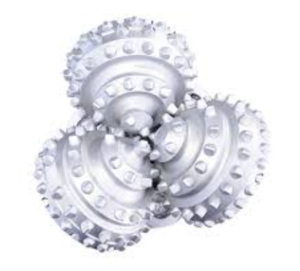
SANDVIK, part of the Atlas Copco Group, is one of the most respected names in the drilling tools industry. Their heavy water drill bits are known for exceptional segment life, consistent cutting performance, and superior quality control. The most popular models for bulk orders include the SANDVIK DD322, which is a 76mm N-series diamond core bit designed for medium-hard rock formations, and the SANDVIK DD330, a 101mm H-series bit built for hard granite and basalt. The DD322 weighs approximately 4.2 kilograms per piece and retails at around 45to65 per unit in bulk quantities of 100 or more. Shipping a pallet of 40 DD322 bits (approximately 168 kilograms of product plus packaging) from China to Los Angeles via ocean freight would cost roughly 250to400. The SANDVIK DD330 is heavier at 6.8 kilograms per piece, and a pallet of 25 bits would weigh around 185 kilograms total, with shipping costs of 280to450 by sea. SANDVIK bits command a premium price, but their reliability means fewer replacements and less downtime on the job site, which can offset the higher shipping cost over the life of the project.
ELEMENT SIX, a division of the De Beers Group, manufactures some of the highest-quality synthetic diamond segments in the world. Their heavy water drill bits are favored by geological survey companies and mining operations that demand maximum core recovery and minimal bit wear. The top models include the ELEMENT SIX DB300 series, available in diameters from 59mm to 152mm, and the DB500 series designed for ultra-hard formations like quartzite and kimberlite. The DB300-76 (76mm diameter) weighs about 3.8 kilograms and is priced at 50to70 per unit in bulk. The DB500-152 (152mm diameter) is a heavyweight at 14.5 kilograms per piece and costs 180to250 each. For a bulk order of 30 DB500-152 bits, the product weight alone is 435 kilograms, and shipping from China to Los Angeles by ocean freight would run 500to800. ELEMENT SIX bits are often shipped with additional protective packaging due to their high value, which can add 100to200 to the total shipping cost.
BOART LONGYEAR is an Australian company with deep roots in the drilling industry. Their heavy water drill bits are designed for durability and affordability, making them a popular choice for water well drilling contractors and construction companies. The most commonly ordered models in bulk are the BOART LONGYEAR DX4 series (46mm to 168mm diameters) and the DX7 series for extremely hard rock. The DX4-101 (101mm diameter) weighs approximately 5.5 kilograms and costs 30to45 per unit in bulk orders of 200 or more. The DX7-152 (152mm diameter) weighs 12 kilograms and is priced at 120to170 per unit. A bulk order of 50 DX7-152 bits would weigh 600 kilograms of product, and ocean freight to Los Angeles would cost approximately 600to900. BOART LONGYEAR offers some of the most competitive shipping rates because they have established logistics partnerships with major freight forwarders and often ship from warehouses in both Australia and China, giving buyers the option of shorter transit times from the Australian warehouse for destinations in the Asia-Pacific region.
HUANGHE WHIRLWIND is one of the largest drill bit manufacturers in China, based in Zhengzhou, Henan Province. They produce a massive range of heavy water drill bits at very competitive prices, making them the go-to choice for buyers who prioritize cost over brand prestige. Their top-selling models include the HWW N-59 (59mm diameter, 2.8kg), HWW H-76 (76mm diameter, 4.5kg), HWW H-101 (101mm diameter, 6.2kg), and HWW H-152 (152mm diameter, 11kg). Prices range from 12to20 per piece for the smaller sizes and 60to90 for the 152mm bits in bulk orders of 500 or more. Shipping costs for HUANGHE WHIRLWIND orders are typically the lowest because the manufacturer is located in the heart of China’s logistics network and offers free or heavily subsidized shipping for orders over 10,000.A500−pieceorderofHWWH−76bitswouldweighapproximately2,250kilograms,andtheshippingcostfromZhengzhoutoLosAngelesviaoceanfreightwouldbearound1,800 to 2,500,whichworksouttolessthan1 per kilogram — one of the best rates available in the market.
VAREC, a subsidiary of Varel International based in Texas, manufactures heavy water drill bits in the United States, which eliminates international shipping costs and customs duties for domestic buyers. Their most popular models are the VAREC V35 (59mm to 101mm) and the VAREC V50 (114mm to 219mm). The V35-76 weighs 4.0 kilograms and costs 55to80 per unit, while the V50-152 weighs 13.0 kilograms and costs 200to280 per unit. For a bulk order of 100 V35-76 bits shipped domestically within the US via LTL freight, the shipping cost would be approximately 800to1,200, which is comparable to international ocean freight rates but with a transit time of only 3 to 5 business days. VAREC is the best choice for buyers who need fast delivery and want to avoid the complexity of international shipping, but the higher product price means the total cost is often 20% to 30% more than Chinese alternatives even after factoring in shipping.
DCD is a Chinese brand that has gained popularity in recent years for offering decent quality at very low prices. Their heavy water drill bit models include the DCD N-46, DCD H-59, DCD H-76, and DCD H-101. The DCD H-76 weighs 4.0 kilograms and can be purchased for as low as 10to15 per piece in bulk orders of 1,000 or more. The DCD H-101 weighs 5.8 kilograms and costs 18to25 per unit. Shipping a 1,000-piece order of DCD H-76 bits (4,000 kilograms of product) from China to Los Angeles would cost approximately 3,200to4,800 by ocean freight, or about 0.80to1.20 per kilogram. DCD is ideal for buyers who are drilling in soft to medium-hard formations and do not need the extended bit life of premium brands. However, the trade-off is higher bit consumption, meaning you may go through 30% to 50% more bits over the course of a project, which can erase the savings on the purchase price.
For small bulk orders of 50 to 100 heavy water drill bits, express courier services like DHL or FedEx are often the most practical option because ocean freight minimums typically start at 500 kilograms or one full container, which a small order may not reach. A 50-piece order of 76mm drill bits averaging 4.5 kilograms each weighs 225 kilograms of product. Shipping via DHL Express from China to Los Angeles would cost approximately 1,800to2,700 at a rate of 8to12 per kilogram. FedEx would be similar at 1,600to2,500. If you choose ocean freight for a small order, you will likely need to share a container with other shippers (LCL — Less than Container Load), which adds 100to300 in consolidation fees. The total ocean freight cost for a 225-kilogram LCL shipment to Los Angeles would be 350to550, but transit time increases to 25 to 35 days.
Medium bulk orders of 100 to 300 pieces typically weigh between 500 and 2,000 kilograms, which qualifies for standard ocean freight pricing. For a 200-piece order of 101mm bits averaging 6 kilograms each, the total weight is 1,200 kilograms. Ocean freight from China to Los Angeles would cost 960to1,800 at 0.80to1.50 per kilogram. Air freight for the same order would cost 6,000to12,000, which is clearly not cost-effective. Express courier would fall in the middle at 3,000to5,000. For medium orders, the smart strategy is to negotiate FOB (Free on Board) pricing with the supplier, which means the supplier handles shipping to the port of origin, and you handle ocean freight and customs clearance from there. This typically saves 200to500 compared to CIF (Cost, Insurance, and Freight) pricing where the supplier includes shipping in the product quote.
Large bulk orders of 300 to 1,000+ pieces are where shipping costs per unit drop dramatically. A 500-piece order of 76mm bits at 4.5 kilograms each weighs 2,250 kilograms. At this volume, you qualify for full container load (FCL) ocean freight, which costs 1,500to2,500 for a 20-foot container from China to Los Angeles. That works out to just 0.67to1.11 per kilogram, which is the lowest possible rate. For orders exceeding 1,000 pieces, the per-unit shipping cost can drop below 0.50perkilogram,makingtheshippingalmostnegligiblecomparedtotheproductcost.LargeordersalsogiveyouleveragetonegotiatefreeshippingfromsupplierslikeHUANGHEWHIRLWIND,whooftenwaiveshippingfeesforordersover15,000. If you need faster delivery, air freight for a 1,000-piece order would cost 10,000to20,000, but you could also consider a split shipment — 70% by sea and 30% by air — to get most of your bits quickly while keeping costs under control.
One of the most effective ways to reduce shipping costs is to consolidate multiple product types into a single shipment. If you are ordering drill bits along with drill rods, reamers, and other drilling accessories, combining everything into one container can save you 500to1,500 compared to shipping each item separately. Increasing order frequency but reducing order size can also help if you are currently paying for air freight. By planning ahead and placing larger orders less frequently, you can shift from air freight to ocean freight and save 60% to 80% on shipping costs.
Always ask for FOB pricing when ordering from Chinese suppliers. FOB means the supplier’s responsibility ends once the goods are loaded onto the vessel at the port of origin. This gives you control over the freight forwarder, the shipping route, and the insurance terms. Many suppliers quote CIF prices that include a markup on shipping, sometimes 10% to 20% above the actual freight cost. By using your own freight forwarder — companies like Flexport, Freightos, or local Chinese forwarders — you can get transparent, competitive rates and avoid hidden fees.
Not all ports are created equal. Shipping from Ningbo or Shanghai to Los Angeles is typically cheaper than shipping from Guangzhou or Shenzhen because Ningbo and Shanghai have higher vessel frequency and lower port surcharges. On the destination side, receiving your shipment at the Port of Long Beach or Port of Los Angeles is cheaper than having it delivered to an inland warehouse by truck. If you can arrange pickup from the port yourself, you can save 200to500 in drayage fees. For East Coast destinations, consider shipping to the Port of New York or Port of Savannah instead of Los Angeles if your final destination is in the eastern US, as cross-country trucking from the West Coast can add 1,500to3,000 to your total cost.
Shipping insurance is not optional when you are moving thousands of dollars worth of industrial drill bits across oceans. The standard insurance rate is 1% to 2% of the declared value for ocean freight and 2% to 3% for air freight. For a 50,000bulkorder,expecttopay500 to $1,500 in insurance premiums. This money is well spent because damage claims for heavy water drill bits are common — rough handling at ports, container stacking pressure, and moisture exposure can all cause segment damage. If you receive damaged bits, file a claim with the carrier within 7 days of delivery with photos and a detailed damage report. Most carriers will reimburse 80% to 100% of the declared value if the claim is filed on time and properly documented.

