Our Location
304 North Cardinal St.
Dorchester Center, MA 02124

304 North Cardinal St.
Dorchester Center, MA 02124

Water drill bits, also commonly known as diamond core drill bits or wet drilling bits, are engineered specifically to operate with a continuous flow of water that serves as both a coolant and a lubricant. This water flow is not optional; it is a fundamental part of the bit’s design philosophy. When you run a water drill bit without water, commonly referred to as a dry run, the consequences can be severe and costly. The diamond segments on the bit can overheat, the metal bond that holds the diamonds in place can degrade rapidly, and the entire bit can fail within seconds. This article provides a comprehensive, in-depth guide on how to prevent heat damage on your water drill bit during dry runs, including specific brand and model recommendations, techniques, and best practices that professionals rely on every day.
To understand how to prevent heat damage, you first need to understand why water is so critical. In a properly functioning wet drilling setup, water flows through the center of the drill bit and exits through ports in the segments. This water does three essential things simultaneously. First, it cools the diamond segments by absorbing the frictional heat generated as the diamonds cut through concrete, brick, stone, or reinforced materials. Second, it lubricates the cutting interface, reducing the amount of friction and therefore reducing the heat generated in the first place. Third, it flushes away the fine dust and debris that accumulate during drilling, preventing the bit from clogging and from grinding against its own waste products, which would generate even more heat.
When you remove the water from this equation, all three of these protective mechanisms disappear instantly. The diamonds are now cutting dry, which means friction skyrockets. The heat has nowhere to go because there is no coolant to absorb it. The dust has no way to escape, so it packs into the segment gaps and creates additional abrasive friction. The result is a rapid temperature spike that can exceed 700 degrees Celsius at the cutting surface within just a few seconds. At these temperatures, the metal bond that holds the diamond particles in place begins to soften and lose its structural integrity. The diamonds can become loose, the segments can glaze over, and the bit can suffer permanent, irreversible damage.
The metal bond in a diamond core drill bit is typically made from a mixture of bronze, cobalt, iron, or tungsten carbide, depending on the manufacturer and the intended application. These bonds are designed to wear away at a controlled rate, exposing fresh diamond particles as the old ones become dull. This is called self-sharpening, and it only works when the bond wears at the same rate that the diamonds dull. During a dry run, the heat causes the bond to wear away much faster than normal, sometimes ten to twenty times faster. This means the diamonds lose their support and pop out of the segments prematurely. Once the diamonds are gone, the bit is essentially just a steel ring with no cutting ability. Even if the diamonds are still in place, excessive heat can cause them to graphitize, which means the carbon structure of the diamond transforms into graphite, a much softer material that cannot cut effectively. This process is irreversible and renders the diamond useless.
Bosch is one of the most respected names in power tools and accessories, and their diamond core drill bit lineup is extensive. The Bosch Professional Universal segment is particularly notable for its durability. The Bosch 2608622047 is a 51mm dry and wet diamond core drill bit designed for use on concrete, brick, and natural stone. What makes this model stand out is its reinforced segment design and a bond formula that includes tungsten carbide particles, which significantly improve heat resistance. Bosch also offers the 2608622072, a 102mm bit with their Turbo segment technology, which features additional water ports that improve cooling even in marginal conditions. While no Bosch bit is truly designed for dry running, these models handle brief accidental dry runs better than most competitors because of their advanced bond formulations. The Bosch Professional line also includes the 2608622031, a 35mm bit with their Speed for Concrete segment, which uses a softer bond that cuts faster but is slightly less heat tolerant. For professionals who frequently work in conditions where water supply might be interrupted, the Bosch 2608622047 and 2608622072 are the safest choices within the Bosch range.
DeWalt has built a strong reputation in the concrete drilling market with their diamond core bit series. The DeWalt DW4736 is a 4-inch dry and wet diamond core drill bit that is widely used by contractors in the United States. This bit features DeWalt’s proprietary Tri-Metal bond technology, which combines three different metal alloys in the bond matrix to provide a balance of cutting speed and heat resistance. The DW4736 is rated for use on concrete with rebar, brick, block, and natural stone, and it performs well even when water flow is reduced, though it is not recommended for sustained dry running. Another strong model is the DeWalt DW4739, a 6-inch bit with the same Tri-Metal bond but a larger diameter and more aggressive segment geometry for faster cutting. The DW4739 includes extended water channels that help maintain some cooling even when water pressure drops. For users who need larger diameter holes and want better heat tolerance, the DW4739 is an excellent choice. DeWalt also offers the DW4740, a 8-inch bit with their Max Life segments, which are designed to last up to five times longer than standard segments. The Max Life technology uses a higher concentration of industrial-grade diamonds and a heat-treated bond that resists thermal degradation better than conventional bonds.
Hilti is a premium brand known for engineering excellence, and their diamond core drill bits reflect that. The Hilti DD-BI Plus is a dry and wet core bit available in diameters from 20mm to 450mm. The DD-BI Plus series uses Hilti’s Smartbond technology, which is a computer-optimized bond matrix that adjusts the wear rate of the bond based on the material being drilled. This means the bit cuts faster in soft materials and resists heat better in hard, abrasive materials like reinforced concrete. The Hilti DD-M535 is another standout model, designed specifically for medium-hard concrete with aggregate. It features Hilti’s Protect segment design, which includes a heat-dissipating layer behind the diamond segment that acts as a thermal barrier, slowing the transfer of heat from the cutting surface to the steel core of the bit. This is one of the most heat-resistant water drill bits on the market, and while Hilti does not recommend dry running, the DD-M535 can survive short accidental dry runs better than almost any other bit in its class. The Hilti DD-SCP is their premium segmented bit for soft concrete and masonry, with a very soft bond that cuts extremely fast but requires constant water flow. This is not a good choice for dry run scenarios.
Metabo offers a solid range of diamond core drill bits at a more competitive price point than Bosch or Hilti. The Metabo 626324000 is a 68mm dry and wet diamond core drill bit with their Duramax segment technology. Duramax segments use a multi-layer diamond concentration, with larger diamonds on the outer cutting edge and finer diamonds toward the inner edge, which distributes the cutting load more evenly and reduces localized heat buildup. The Metabo 626325000 is a 102mm bit with the same Duramax technology and is rated for reinforced concrete, making it a good choice for structural drilling where rebar is common. Metabo also offers the 626327000, a 152mm bit with their TurboCool design, which features spiral water channels that create a vortex effect, improving water flow even at low pressures. This bit is particularly useful in situations where the water pump might not deliver consistent flow, as the spiral channels help maintain some cooling effect. For budget-conscious professionals who still need reliable heat resistance, Metabo’s Duramax and TurboCool lines are excellent options.
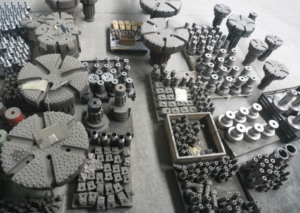
MK Diamond is a specialist brand that focuses exclusively on diamond cutting tools, and their core drill bits are among the best in the industry for heat resistance. The MK Diamond 113135 is a 51mm dry and wet core bit with their Protech segment, which uses a cobalt-infused bond that is specifically formulated for high-temperature resistance. This bit can withstand temperatures up to 800 degrees Celsius before the bond begins to degrade, making it one of the most heat-tolerant water drill bits available. The MK Diamond 113160 is a 102mm version of the same Protech technology, and it is widely regarded as the gold standard for dry-run accidental protection. MK also offers the 113185, a 203mm bit with their Diamond Pro segment, which uses a tungsten carbide-reinforced bond for maximum durability in the largest diameters. MK Diamond bits are more expensive than DeWalt or Metabo, but for professionals who frequently encounter water supply issues, the investment pays for itself many times over in reduced bit replacement costs.
Diamond Products is an American manufacturer based in Stow, Ohio, and they are known for producing some of the toughest core bits in the industry. The Diamond Products 53115 is a 127mm wet core bit with their Turbo II segment, which features a unique segment shape that improves water flow and reduces heat buildup. The 53115 is rated for concrete with rebar up to number 5, and it includes wear indicators on the segments that let you know when the bit is approaching the end of its life. The Diamond Products 53110 is a 76mm bit with the same Turbo II technology and is one of their best sellers for general-purpose concrete drilling. For heavy-duty applications, Diamond Products offers the 53125, a 203mm bit with their MegaTurbo segment, which has extra-deep water channels and a reinforced bond for maximum heat resistance. Diamond Products bits are particularly popular among road cutting and bridge demolition contractors who need bits that can handle the most demanding conditions.
If you find yourself in a situation where you must drill without a continuous water supply, the single most effective thing you can do is apply a mist or spray coolant directly to the cutting area. This is not the same as full water flow, but it is dramatically better than nothing. Products like CRC 5-56, WD-40 Specialist Penetrant, or dedicated diamond drilling coolants like Blue Hawk can be sprayed onto the bit as you drill. The mist absorbs some of the heat and provides a minimal lubricating film. This technique can extend the life of your bit during a dry run by 50 to 200 percent, depending on the material you are drilling. For concrete, a light mist every 5 to 10 seconds is usually sufficient to keep temperatures below the critical threshold. For harder materials like granite or reinforced concrete, you will need to apply the coolant more frequently, ideally every 3 to 5 seconds. This technique is not a long-term solution, but it is an excellent emergency measure that can save your bit from immediate destruction.
One of the biggest mistakes people make during a dry run is to drill at full speed, thinking that faster drilling means less time exposed to heat. This is completely wrong. Higher RPM generates more frictional heat per second, and during a dry run, that heat has no way to dissipate. The correct approach is to reduce your drill speed by 30 to 50 percent from your normal wet drilling RPM. For most water drill bits, this means dropping from around 800 RPM to 400 to 500 RPM. At the same time, apply steady, moderate feed pressure. Do not force the bit into the material, but do not let it spin freely either. The ideal feed rate during a dry run is about 60 to 70 percent of your normal feed rate. This balance minimizes heat generation while still making progress. If you feel the bit starting to glaze over or if you see smoke, stop immediately, let the bit cool, and apply coolant before resuming. This technique requires patience and discipline, but it is the most reliable way to prevent heat damage when water is not available.
Rather than trying to drill continuously during a dry run, use a pulsed drilling technique. Drill for 10 to 15 seconds, then pull the bit out of the hole and let it cool for 10 to 15 seconds. During the cooling interval, apply your mist coolant to the bit and let air circulate around it. This cycle gives the bit time to shed accumulated heat before it reaches the critical temperature that causes bond degradation. This technique is especially effective with larger diameter bits, which have more mass and therefore retain heat longer. For bits over 100mm in diameter, you should drill for no more than 5 to 8 seconds before pulling out to cool. Many professional drillers use this technique as standard practice even when water is available, because it extends bit life significantly. The key is to be consistent with your intervals and to never let the bit get so hot that it changes color. If the segments turn blue or purple, that means the steel core has been tempered by heat, and the bit is permanently weakened.
Not all water drill bits are created equal when it comes to heat tolerance. If you know in advance that you will be drilling in conditions where water supply might be unreliable, choose a bit with a harder bond and higher heat resistance. Bits with tungsten carbide or cobalt-infused bonds, like the MK Diamond Protech series or the Hilti DD-M535, are specifically designed to handle higher temperatures. Avoid bits with soft bonds, like the Hilti DD-SCP or the Bosch Speed for Concrete series, as these are optimized for fast cutting with full water flow and will fail rapidly during a dry run. Also, choose a bit with more segments. A bit with 12 segments will generate less heat per segment than a bit with 8 segments, because the cutting load is distributed across more diamonds. For dry run scenarios, always opt for the bit with the highest segment count available in your diameter.
This is a simple but often overlooked technique. Before you begin drilling, soak the bit in water for at least 2 to 3 minutes, or run water through it for 30 seconds. This saturates the metal bond with water, which acts as a thermal buffer when you start drilling. The water trapped in the bond matrix will absorb heat for the first few seconds of drilling, giving you a small window of protection before the bit heats up. This technique can buy you an extra 5 to 10 seconds of safe drilling time, which can be the difference between completing a hole and destroying your bit. Combine this with the mist coolant technique for maximum protection.
A worn bit is significantly more susceptible to heat damage than a new bit. As the diamonds wear down and the bond erodes, the bit has to work harder to cut, which generates more heat. During a dry run, this extra heat can be the difference between survival and failure. Inspect your bits after every use by looking at the segments. If the segments are smooth and shiny, the diamonds are worn out and the bit should be retired. If the segments still have visible diamond particles but the bond is recessed significantly, the bit is approaching the end of its life and should be used with extra caution. A good rule of thumb is to replace your bits when the segment height has worn down by 50 percent. Using fresh bits for critical jobs where water supply might be an issue is one of the best preventive measures you can take.
How you store your bits affects their heat tolerance. Bits should be stored in a dry, cool place, away from direct sunlight and extreme temperatures. If a bit is stored in a hot environment, the bond can undergo micro-cracking, which weakens its structure and makes it more vulnerable to thermal shock during drilling. Always store bits in their original packaging or in a padded case. Never stack bits on top of each other, as the weight can cause the segments to chip or the bond to crack. Proper storage ensures that your bit performs at its designed heat tolerance when you need it most.
While this article is about dry runs, the best way to prevent heat damage is to avoid dry runs altogether. Invest in a quality water pump like the Hilti WDP 10 or the IQ Power tools CP-150, which provide consistent, adjustable water flow. Check your pump regularly for clogs, worn impellers, and kinked hoses. A pump that delivers only 50 percent of its rated flow is essentially causing a partial dry run, which can damage your bit just as surely as a complete dry run. Set up your drilling station so that the water hose is secured and cannot be accidentally kinked or disconnected. Use a flow indicator or a simple bucket test to verify that water is flowing before you start every hole.
This is the most common and most costly mistake. Many operators think that a few seconds of dry drilling is no big deal, but in reality, a water drill bit can reach critical temperatures in as little as 3 to 5 seconds without water. The diamonds do not need time to overheat; they overheat almost instantly because there is no coolant to absorb the frictional energy. Even if the bit seems fine after a few seconds of dry running, the internal bond may have already been weakened, and the bit will fail prematurely on the next use. Never assume that a few seconds is safe. If the water stops, stop drilling immediately.
Hammer drill bits and rotary hammer core bits look similar but operate on completely different principles. Hammer drill bits rely on a hammering action to break up the material, which generates significantly more heat than the rotary action of a core bit. If you use a hammer drill bit in a rotary hammer without water, the heat generation is even more extreme. Always use the correct bit type for your tool, and always use water with a water drill bit regardless of the tool type.
Different materials generate different amounts of heat. Drilling through soft concrete or brick generates less heat than drilling through hard concrete, granite, or reinforced concrete with rebar. Rebar is the biggest heat generator of all, because steel conducts heat into the bit very efficiently. If you are drilling through rebar without water, the bit can overheat in less than 2 seconds. Always adjust your technique based on the material. For rebar, reduce RPM even further, apply more coolant, and use shorter drilling bursts.
Some advanced drilling operations use thermochromic paint or stickers on the bit segments that change color at specific temperatures. These indicators turn from black to red or blue when the bit reaches a critical temperature, giving the operator a visual warning to stop drilling and apply coolant. While not commonly available for consumer-grade bits, some professional suppliers like Diamond Products and Hilti offer bits with built-in wear and temperature indicators. Investing in bits with these features can save thousands of dollars in replaced bits over the course of a year.
For large-scale operations, a water recycling system can ensure that you never run out of water, even in remote locations. Systems like the BluBridge water recycler or the Ecodrill filtration unit can filter and recirculate drilling water, reducing water consumption by up to 90 percent while maintaining consistent flow to the bit. This eliminates the risk of dry runs caused by water supply issues and is becoming standard practice on major construction sites. While the upfront cost is significant, the savings in bit replacement and the reduction in water waste make it a worthwhile investment for any operation that drills more than 100 holes per week.
Preventing heat damage on your water drill bit during dry runs requires a combination of the right equipment, the right technique, and the right mindset. The best bits for dry run resistance are the MK Diamond Protech series, the Hilti DD-M535, and the DeWalt DW4740 Max Life, all of which feature advanced bond formulations that can tolerate brief periods without water. However, no bit is truly designed for dry running, and the best strategy is always to prevent dry runs from happening in the first place by using a reliable water pump, securing your water line, and monitoring flow continuously. When dry runs are unavoidable, use mist coolant, reduce RPM by 30 to 50 percent, drill in short bursts with cooling intervals, and pre-wet the bit before starting. Inspect your bits regularly, store them properly, and replace them before they are worn out. By following these practices, you can protect your investment in diamond core drill bits and avoid the costly and frustrating experience of heat-damaged tools.
Buy drill bits at www.xiangriyang.com

