Comprehensive Guide to Twist Drill Bit Specifications and Dimensions
Twist drill bits are essential cutting tools widely used in various industries for creating cylindrical holes in materials such as metal, wood, plastic, and masonry. Their design, characterized by spiral flutes, allows for efficient chip removal and heat dissipation during the drilling process. This guide provides an in-depth look at the specifications, dimensions, brands, and models of twist drill bits, offering valuable insights for professionals and hobbyists alike.
Understanding Twist Drill Bit Basics
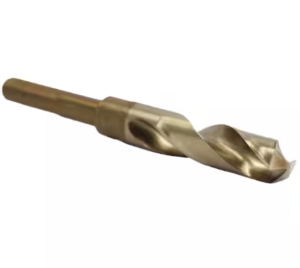
Twist drill bits consist of three main parts: the shank, the body, and the point. The shank is the part that fits into the drill chuck, providing stability and torque transmission. The body contains the spiral flutes that facilitate chip removal and coolant flow. The point, located at the tip of the drill bit, is responsible for initiating the hole and cutting through the material.
The spiral flutes of twist drill bits are designed with specific angles to optimize performance. The helix angle, which is the angle between the flute and the axis of the drill bit, affects chip removal efficiency and drill bit stiffness. Standard helix angles range from 18° to 38°, with smaller diameters typically having smaller helix angles to maintain rigidity. The point angle, which is the angle between the two cutting edges at the tip, influences the drill bit’s ability to penetrate different materials. Common point angles include 118° and 135°, with 135° being preferred for harder materials due to its enhanced self-centering capability.
Twist Drill Bit Specifications
Material Composition
Twist drill bits are manufactured from various materials, each offering unique advantages and suited for specific applications. The most common materials include:
- High-Speed Steel (HSS): HSS drill bits are versatile and cost-effective, suitable for drilling a wide range of materials, including steel, aluminum, and plastic. They offer good heat resistance and wear resistance, making them ideal for general-purpose drilling tasks.
- Cobalt High-Speed Steel (HSS-Co): Cobalt-alloyed HSS drill bits, such as M35 (5% cobalt) and M42 (8% cobalt), exhibit higher heat resistance and hardness compared to standard HSS. They are well-suited for drilling hardened steels, stainless steel, and other tough materials.
- Carbide-Tipped: Carbide-tipped drill bits feature a carbide cutting edge bonded to a steel shank. They offer exceptional hardness and wear resistance, making them ideal for high-speed drilling of abrasive materials like cast iron and composites. However, they are more brittle and prone to chipping if not used correctly.
- Solid Carbide: Solid carbide drill bits are entirely made of carbide, providing the highest level of hardness and wear resistance. They are primarily used for precision drilling of hard materials at high speeds, but their high cost limits their widespread use.
Surface Finish
The surface finish of twist drill bits affects their performance and durability. Common surface finishes include:
- Bright Finish: A polished surface that reduces friction and heat generation during drilling, enhancing chip flow and extending tool life. Bright finish drill bits are suitable for general-purpose drilling of non-ferrous metals and plastics.
- Black Oxide Finish: A black oxide coating provides corrosion resistance and improves lubricity, reducing heat buildup and extending tool life. Black oxide finish drill bits are commonly used for drilling steel and other ferrous metals.
- Titanium Nitride (TiN) Coating: TiN coating offers superior hardness and wear resistance, reducing friction and heat generation. TiN-coated drill bits are ideal for high-speed drilling of abrasive materials and can significantly extend tool life.
- Titanium Aluminum Nitride (TiAlN) Coating: TiAlN coating provides even higher hardness and heat resistance compared to TiN, making it suitable for drilling hardened steels and other tough materials at high speeds.
Point Angle and Geometry
The point angle and geometry of twist drill bits play a crucial role in their cutting performance. Common point angles include:
- 118° Point Angle: A standard point angle suitable for general-purpose drilling of soft to medium-hard materials. It offers good self-centering capability and is easy to resharpen.
- 135° Split Point Angle: A split point design with a 135° angle enhances self-centering and reduces walking on the material surface. It is ideal for drilling harder materials and provides cleaner hole entrances.
- Parabolic Flute Design: Parabolic flutes feature a wider, deeper profile compared to standard flutes, improving chip removal and reducing heat buildup. They are commonly used for deep-hole drilling and drilling in abrasive materials.
Twist Drill Bit Dimensions
Twist drill bits come in a wide range of sizes to accommodate different drilling requirements. The dimensions of a twist drill bit are typically specified by its diameter, flute length, and overall length.
Diameter
The diameter of a twist drill bit determines the size of the hole it can create. Diameters range from microscopic sizes used in electronics manufacturing to large diameters used in construction and mining. Common diameter ranges include:
- Fractional Sizes: Fractional sizes are expressed in inches and range from 1/64″ to 1″. They are commonly used in the United States and other countries that use the imperial system.
- Metric Sizes: Metric sizes are expressed in millimeters and range from 0.1mm to 100mm or more. They are widely used in Europe, Asia, and other regions that use the metric system.
- Letter Sizes: Letter sizes are a series of standard drill bit sizes denoted by letters from A to Z. They are commonly used in the United States for drilling holes in sheet metal and other thin materials.
- Number Sizes: Number sizes are another series of standard drill bit sizes denoted by numbers from 1 to 80. They are primarily used for drilling small holes in electronics and precision engineering applications.
Flute Length and Overall Length
The flute length of a twist drill bit is the length of the spiral flutes that facilitate chip removal. The overall length includes the flute length plus the shank length. Different lengths are available to suit various drilling depths and applications:
- Jobber Length: Jobber-length drill bits are the most common type, featuring a balanced flute-to-shank ratio. They are suitable for general-purpose drilling tasks where moderate depth is required.
- Stub Length: Stub-length drill bits have shorter flutes and overall lengths, providing increased rigidity and reduced deflection. They are ideal for drilling shallow holes or in applications where space is limited.
- Long Series: Long-series drill bits have extended flute lengths, allowing for deeper drilling without the need for multiple withdrawals to clear chips. They are commonly used in construction and manufacturing applications.
- Aircraft Extension: Aircraft-extension drill bits feature an extra-long flute length and a reduced shank diameter, enabling them to drill deep holes in confined spaces. They are often used in aerospace and automotive applications.
Popular Brands and Models of Twist Drill Bits
Several reputable brands manufacture high-quality twist drill bits, each offering a range of models to suit different applications. Here are some popular brands and their notable models:
Jiangsu Goldmoon Industry Co., Ltd.
Jiangsu Goldmoon Industry Co., Ltd. is a leading manufacturer of twist drill bits, offering a wide range of products for various drilling applications. Their 300mm HSS Fully Ground Twist Drill Bit is a notable model, featuring:
- Material: High-Speed Steel (HSS)
- Diameter: 300mm (customizable)
- Length: 300mm (customizable)
- Shank Type: Straight shank
- Surface Finish: Black oxide or bright finish
- Application: Suitable for wood drilling, well drilling, PCB drilling, metal drilling, and masonry drilling.
This model is known for its durability, high drilling efficiency, and sharp twist flute design, making it ideal for demanding drilling tasks.
Zhuzhou Grewin Tungsten Carbide Tools Co., Ltd.
Zhuzhou Grewin Tungsten Carbide Tools Co., Ltd. specializes in manufacturing high-performance twist drill bits, including their HSS M35 Drill Bit Set. This set features:
- Material: M35 Cobalt High-Speed Steel (5% cobalt)
- Diameter Range: 1mm to 20mm
- Length: Jobber length
- Shank Type: Straight shank
- Surface Finish: Black oxide, titanium, or bright finish
- Point Angle: 135° split point
- Application: Ideal for drilling high-alloyed and unalloyed steel, stainless steel, brass, copper, plastics, and other tough metals.
The M35 cobalt content enhances the drill bits’ heat resistance and hardness, making them suitable for high-speed drilling of demanding materials.
Hangzhou Fanxi Tools Co., Ltd.
Hangzhou Fanxi Tools Co., Ltd. offers a wide range of twist drill bits, including their Premium High-Speed Steel Twist Drill Bit Set. This set includes:
- Material: High-Speed Steel (HSS)
- Diameter Range: 1mm to 13mm (metric sizes) or 1/16″ to 1/2″ (inch sizes)
- Length: Jobber length
- Shank Type: Straight shank
- Surface Finish: Black oxide or amber finish
- Point Angle: 135° split point
- Application: Suitable for drilling steel, stainless steel, heat-resistant steel, cast steel, sintered metal, and super alloys.
The fully ground design and 135° split point ensure precise self-centering and fast starts, reducing walking on the material surface.
Danyang Daming Tools Co., Ltd.
Danyang Daming Tools Co., Ltd. is a renowned manufacturer of twist drill bits, offering their 13PC Precision HSS Twist Metric Drill Set as a popular choice. This set features:
- Material: High-Speed Steel (HSS)
- Diameter Range: 2mm to 8mm
- Length: Taper length
- Shank Type: Straight shank
- Surface Finish: Black, white, rainbow, or coffee color
- Point Angle: 118° or 135° (split point available from 3.0mm)
- Application: Ideal for drilling steel, cast steel, grey cast iron, malleable iron, sintered metal, and low-hardness alloys.
The set provides a comprehensive range of sizes for precision drilling tasks, with each drill bit fully ground for optimal performance.
Tianjin Sunstone Ruize International Trade Co., Ltd.
Tianjin Sunstone Ruize International Trade Co., Ltd. offers a variety of twist drill bits, including their Wholesale Black & Gold Fully Ground Straight Shank Twist Drill Bit. This model features:
- Material: High-Speed Steel (HSS)
- Diameter Range: Approximately 1.5mm to 6.5mm
- Length: Customizable
- Shank Type: Straight round shank
- Surface Finish: Black and gold
- Point Angle: Split point
- Application: Suitable for drilling steel, metal, iron, copper, aluminum, cast iron, and alloy steel.
The black and gold surface finish provides corrosion resistance and enhances lubricity, reducing heat buildup and extending tool life.
Selecting the Right Twist Drill Bit for Your Application
Choosing the appropriate twist drill bit for your specific application involves considering several factors, including the material to be drilled, the desired hole size, the drilling depth, and the available equipment. Here are some key considerations to help you make an informed decision:
- Material Compatibility: Select a drill bit material that is compatible with the material you intend to drill. For example, HSS drill bits are suitable for general-purpose drilling of soft to medium-hard materials, while cobalt-alloyed HSS or carbide-tipped drill bits are better suited for harder materials.
- Diameter and Size: Choose a drill bit diameter that matches the desired hole size. Consider using a drill bit set that includes a range of sizes to accommodate different drilling requirements. Additionally, select the appropriate length (jobber, stub, long series, or aircraft extension) based on the drilling depth and available space.
- Point Angle and Geometry: The point angle and geometry of the drill bit affect its cutting performance and self-centering capability. For general-purpose drilling, a 118° point angle may suffice. However, for harder materials or applications requiring precise hole placement, a 135° split point angle is recommended.
- Surface Finish: The surface finish of the drill bit influences its corrosion resistance, lubricity, and heat dissipation. Choose a surface finish that is appropriate for the drilling environment and material. For example, a black oxide finish provides good corrosion resistance for drilling steel, while a TiN coating offers superior hardness and wear resistance for high-speed drilling of abrasive materials.
- Brand and Quality: Opt for reputable brands known for manufacturing high-quality twist drill bits. High-quality drill bits are more likely to provide consistent performance, durability, and precision, reducing the need for frequent replacements and minimizing downtime.
Conclusion
Twist drill bits are indispensable tools in various industries, offering versatility and efficiency in creating cylindrical holes in a wide range of materials. Understanding the specifications, dimensions, and different types of twist drill bits is crucial for selecting the right tool for your specific application. By considering factors such as material compatibility, diameter and size, point angle and geometry, surface finish, and brand quality, you can ensure optimal drilling performance and extend the lifespan of your twist drill bits. Whether you are a professional machinist, a construction worker, or a hobbyist, investing in high-quality twist drill bits from reputable brands will undoubtedly enhance your drilling experience and productivity.



